Why a Burmese Presses Its Face Against Your Cheek
There's nothing quite like the feeling of your Burmese cat pressing their soft, warm cheek against yours, a gentle rumble starting deep in their chest. It’s a signature move, isn't it? That intentional lean-in, the slow rub, sometimes even a little head-butt for good measure. Many of us cat parents wonder what exactly this endearing behavior means, and today, we're diving deep into the beautiful reasons behind your Burmese's unique way of showing affection and building connection.
The Deep Roots of Burmese Affection: Why Your Burmese Craves Closeness
The Burmese is famously known as the "Velcro cat" of the feline world, and for good reason! They don't just tolerate human company; they absolutely thrive on it, seeking out proximity and physical contact in ways that other breeds might find overwhelming. This deep-seated need for closeness is at the heart of why your Burmese presses its face against your cheek, and it's a multi-layered expression of their unique personality.
Scent Marking and Social Bonding: "You're My Family!"
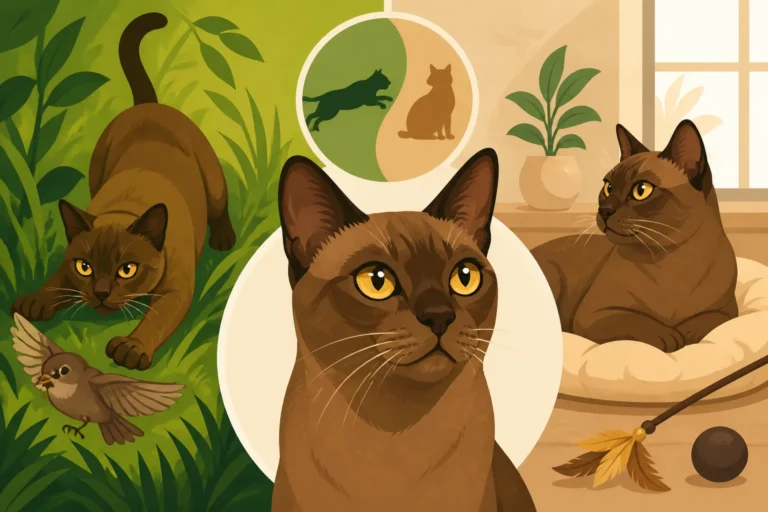
One of the primary reasons your Burmese rubs their face against you is a behavior rooted deeply in their wild ancestry, refined for domestic life: scent marking. Cats have scent glands located in various places on their bodies, including their cheeks, temples, and around their mouth. When your Burmese presses its face against your cheek, they are depositing their unique scent onto you. Think of it as their way of saying, "You're mine! You belong to my colony, and I belong to yours."
This isn't just about claiming territory in a possessive way, but rather about creating a shared, comforting scent profile within their social group. In the wild, communal scent helps a colony recognize its members and feel safe. In your home, you are your Burmese's colony, and these scent exchanges are vital for reinforcing your bond. They are literally mixing their scent with yours, marking you as a trusted and beloved member of their inner circle. It’s an intimate gesture, a declaration of belonging, and a testament to the strong social ties a Burmese forms with its humans. You'll notice they do this on furniture, doorframes, and even other pets – anywhere they want to establish a comforting, familiar scent landscape. This is very similar to Why a Burmese Pushes Its Face Into Your Palm, just aimed a little higher!
A Demand for Attention and Interaction
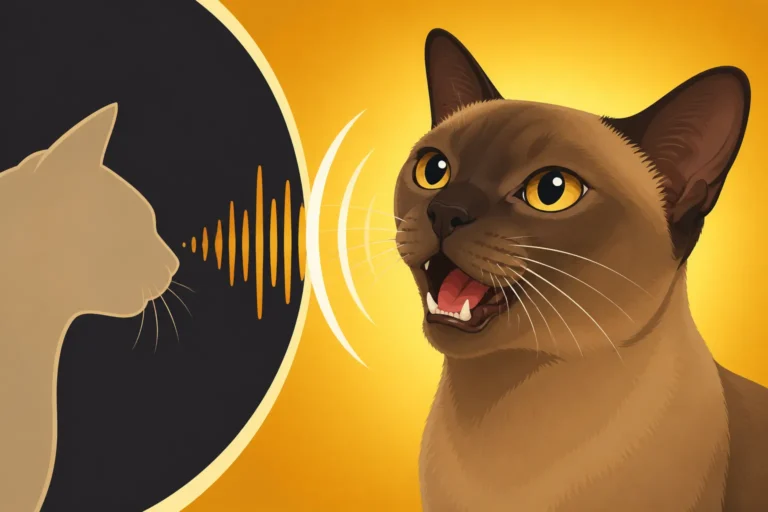
While scent marking is a biological imperative, for a Burmese, pressing their face against your cheek is also a very active plea for attention and interaction. This isn't a cat that's content to merely share a room with you; they want to be part of what you're doing, and they'll use their charm to get their way. If you're engrossed in a book, working on your laptop, or watching television, that gentle cheek rub often escalates to a persistent nudge, a head-butt, or even a soft "mrrrow" until you acknowledge them.
They're not just saying "hello"; they're asking for more. More petting, more cuddles, maybe even a game with a feather wand or a laser pointer. This assertive yet affectionate behavior is a hallmark of the breed, often leading people to say that Why a Burmese Is Called a Dog in a Cat's Body. They crave that reciprocal engagement, and they've learned that a direct, physical connection is often the fastest way to get your undivided focus. It’s their unique way of initiating a conversation, reminding you that while you might be busy, their primary interest is you.
Understanding the Burmese Love Language: More Than Just a Rub
The Burmese has a very distinct way of communicating its feelings, and the cheek press is a rich expression of several core needs and emotions. It's a combination of physical comfort, deep trust, and sheer contentment, all wrapped up in that velvety rub.
The Comfort of Warmth and Proximity
Have you ever noticed how your Burmese seems drawn to the warmest spots in the house? They’re usually found stretched out in a sunbeam, curled up on a heating vent, or, most often, snuggled right up against you. This isn't just a preference; it's a physiological need tied to their unique coat. The Burmese has a wonderfully short, fine, almost satin-like coat with very little to no undercoat. This means they don't have the same insulating layer that many other cat breeds possess, making them more susceptible to feeling the cold.
When your Burmese presses its face against your cheek, they're not only sharing their scent but also basking in your body heat. It's a prime spot to absorb warmth, especially when you consider how often they seek out warmth in general. This behavior provides a double dose of comfort: the psychological security of being close to you, and the physical coziness of your warmth. It's why they'll often burrow under blankets with you or seek out your lap even on a warm day. This instinct to seek warmth through close contact is a fundamental aspect of Why a Short Coated Burmese Seeks Body Heat, and it perfectly explains why your cheek makes such a desirable "hot spot."
Communicating Contentment and Trust
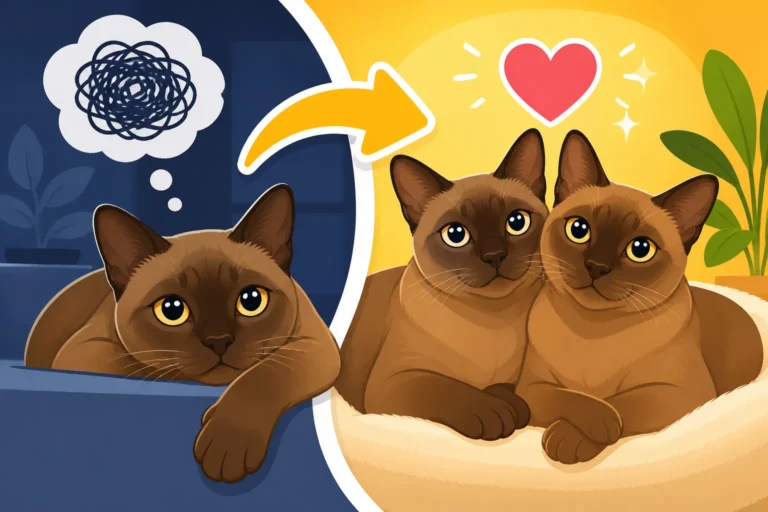
Beyond scent and warmth, the cheek press is an undeniable signal of profound contentment and trust. A cat will only expose itself to such a vulnerable position, pressing its head against a much larger creature, if it feels utterly safe and secure. It signifies that your Burmese considers you a benevolent presence, a provider of comfort and security, and someone worthy of their complete confidence.
This isn't a cautious, tentative rub; it's often a full-body commitment, a deep press that speaks volumes. It says, "I am happy here, with you. I trust you completely." This deep level of trust is characteristic of the breed, which often expresses incredible composure even in stressful situations. You'll hear stories of Burmese cats purring through vet examinations, a testament to their trusting nature and ability to find comfort in human presence, even when it's a bit unsettling. It’s this same inherent trust that allows them to perform endearing behaviors like the cheek press, fully confident in your gentle response. This profound trust is a core reason Why a Burmese Purrs Through a Vet Examination, highlighting their generally relaxed demeanor when handled by trusted individuals.
Nurturing Your Burmese's Unique Expressions of Love
Understanding why your Burmese presses its face against your cheek is one thing, but knowing how to respond and nurture this beautiful bond is another. It's about reciprocal affection and creating an environment where their loving nature can truly flourish.
Responding to the Cheek Press: How to Reinforce the Bond
When your Burmese offers you their cheek, it's a golden opportunity to strengthen your bond. Your response matters, reinforcing that their efforts to connect are appreciated and reciprocated. The best response is usually a gentle, soft touch. Lean into their rub, scratch them lightly behind the ears or under the chin – those classic cat sweet spots. Speak to them in a soft, reassuring voice, letting them know you've noticed their affection.
Avoid pushing them away abruptly, as this can be confusing or even hurtful to such a sensitive and social cat. If you're busy and can't give them a full petting session, a brief acknowledgment and a loving word can still go a long way. This immediate, positive feedback teaches them that their affectionate gestures are welcome and successful in getting your attention. Unlike some other behaviors where you might use treats as a motivator, like teaching tricks, the reward here is the physical interaction itself. While Why Food Motivates a Burmese Too Well for training, for bonding, your touch and presence are the ultimate prize.
Here’s a quick guide to common Burmese affection signals and how to respond:
| Behavior | What It Means | How to Respond |
|---|---|---|
| Cheek Press/Head Nuzzle | "You're my family, I trust you, I love you." | Gentle cheek rub, behind ears, soft voice. |
| Shoulder Ride | "I want to be as close as possible, elevate me!" | Support securely, enjoy the closeness, gentle strokes. |
| "Rasper" Vocalization | "I'm content, demanding attention, talking to you." | Talk back, acknowledge their presence, offer pets. |
| Following You Room-to-Room | "I don't want to be alone, I want company." | Acknowledge them, invite them to your lap, involve them. |
| Belly Rubs (rare for cats!) | "I trust you completely, I feel safe." | Gentle, slow belly rub if they initiate and allow. |
Creating an Environment for Connection
A Burmese thrives in an environment where they feel integrated into family life and have ample opportunity for interaction. Since The Burmese Is the Velcro Cat of the Cat Fancy, they need to be where you are, whether that's curled up on your lap while you read or supervising your cooking from a kitchen counter. Make sure your home offers plenty of cozy spots right next to human activity, rather than isolated cat perches in distant rooms. A soft blanket on the sofa, a cat bed in your home office, or even just leaving a chair open beside you can encourage them to seek out your company.
Interactive play is also crucial for their emotional well-being and strengthening your bond. Toys that require your participation, like wand toys, laser pointers (with a physical "catch" at the end!), or even simple crumpled paper balls you toss for them to retrieve, are excellent. You can find a huge variety of engaging cat toys on Amazon, perfect for stimulating their playful minds. Remember, a Burmese remains kittenish into old age, so regular play sessions, even short ones, are vital throughout their lives. Consider investing in a cat tree near a window they can look out of, but don't be surprised if they still prefer your lap to even the most elaborate feline furniture. After all, what could be better than How Long a Burmese Will Stay on a Lap?
When the Cheek Press Changes: A Sign to Watch For
While the cheek press is a beautiful sign of a happy, healthy Burmese, any significant change in this characteristic behavior can sometimes be a subtle indicator that something is amiss. As owners of this deeply sensitive breed, it's important to pay attention to these nuances.
Subtle Shifts in Behavior
A Burmese is famously adept at hiding illness, a survival instinct that can make detecting problems challenging for even the most observant owner. If your typically affectionate Burmese suddenly stops pressing their face against you, or conversely, becomes excessively clingy and rubs their face against you with unusual urgency or frequency, it might be a subtle sign of discomfort or pain. Perhaps they are feeling nauseous, experiencing dental discomfort, or have a general malaise that they can't otherwise articulate.
It's not always a dramatic withdrawal; sometimes it's a decreased intensity, a quicker disengagement, or simply a shift in their usual routine. They might still seek out your presence, but the specific, intimate cheek-to-cheek contact might lessen. Keep an eye out for other minor changes in behavior alongside this, such as a slight decrease in appetite, a change in litter box habits, or a shift in their sleeping patterns. These small clues, when put together, can paint a picture that your cat is not feeling 100%. This tendency to conceal discomfort is why Why a Burmese Hides Illness Behind Its Affection is such a critical concept for Burmese owners to understand.
The Importance of Observation
Because Burmese cats are so good at masking problems, your attentive observation is your most powerful tool in keeping them healthy. If you notice a change in their cheek-pressing habits, or any other deviation from their normal affectionate routine, it warrants closer inspection. Gently check their face for any signs of discomfort, such as tenderness around the mouth, swollen glands, or discharge from the eyes or nose. Pay attention to their breathing and energy levels.
Sometimes, a quick check of their environment is enough. Have there been any recent changes that might cause stress? A new furniture arrangement, a new pet, or even a different brand of litter? However, if the change in behavior persists for more than a day or two, or if you notice other concerning symptoms, it's always best to consult your veterinarian. They can help rule out any underlying medical issues. Early detection is key, and your Burmese's unique language of affection is often the first indicator something needs attention. Remember, Why a Burmese That Stops Following You Is Unwell – these social cues are often the loudest signals they send. Keeping a variety of interactive toys from Amazon on hand, and regularly observing how they engage with them, can also give you insight into their energy levels and overall well-being. Ensuring they have a consistent and predictable routine, including plenty of interaction, can help them feel secure and continue expressing their unique love.
Disclaimer
This article is for general informational purposes only and does not constitute professional advice. Laws, prices and regulations vary by location and change over time. Consult a qualified professional for guidance on your specific situation.