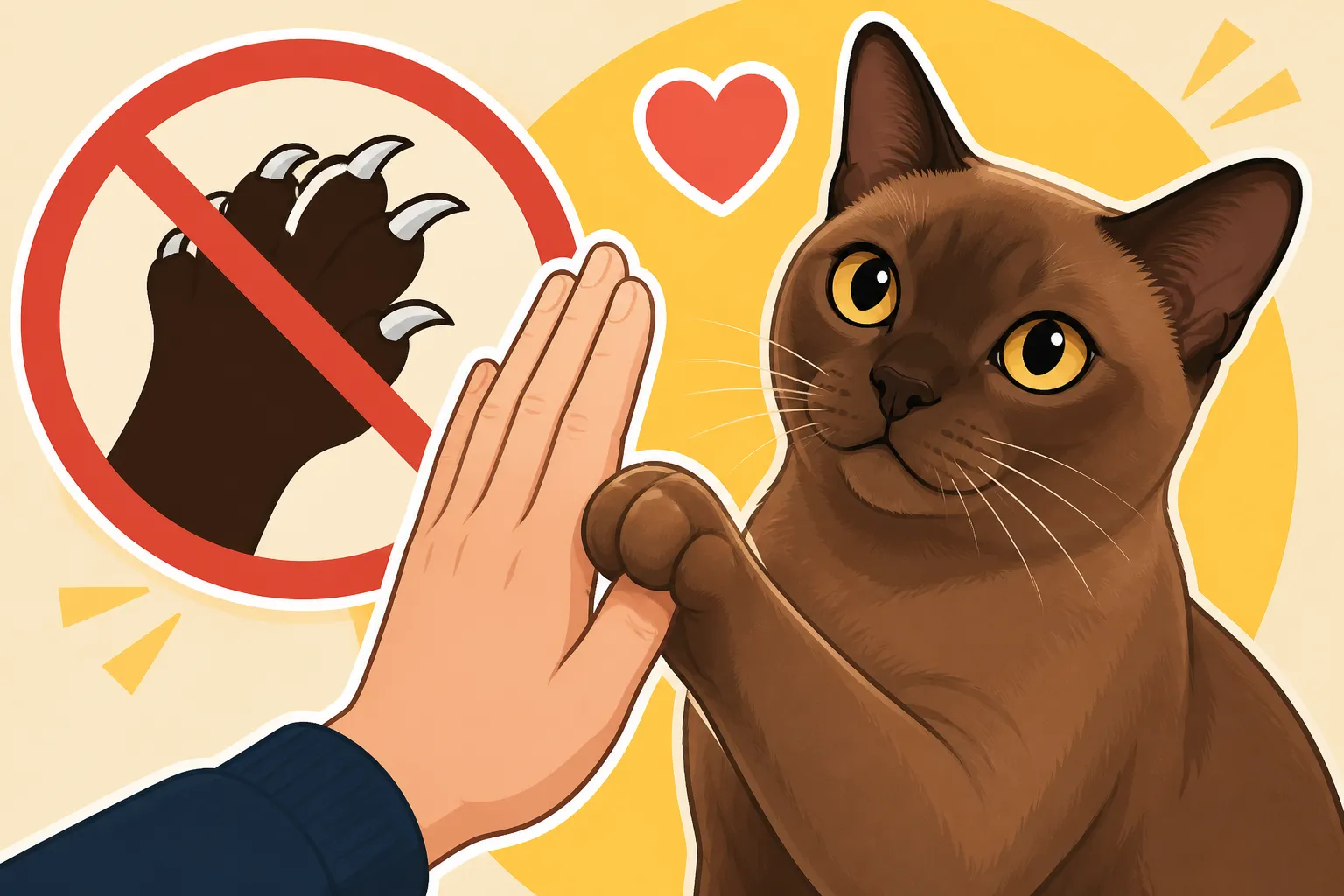
How Rarely a Burmese Uses Its Claws on Anyone
It's a common fear when you're thinking about bringing a cat into your home: the dreaded scratches, the shredded furniture, the feeling of being used as a human scratching post. Many people envision tiny, needle-sharp claws as an inevitable part of cat ownership, especially with playful, active breeds. But if you're considering a Burmese, you're in for a delightful surprise, because these affectionate bundles of satin and muscle are remarkably gentle with their claws around their beloved people. This guide will explore why the Burmese rarely uses its claws aggressively on anyone and how their unique temperament makes them one of the most considerate feline companions.
Understanding the Burmese Temperament and Claw Use
The Burmese cat is truly in a league of its own when it comes to personality, often earning the nickname "dog in a cat's body." This isn't just a cute saying; it speaks volumes about their affectionate, people-oriented nature, which directly impacts how they interact with the world – and with their claws.
The "Dog-Like" Affection and Play Style
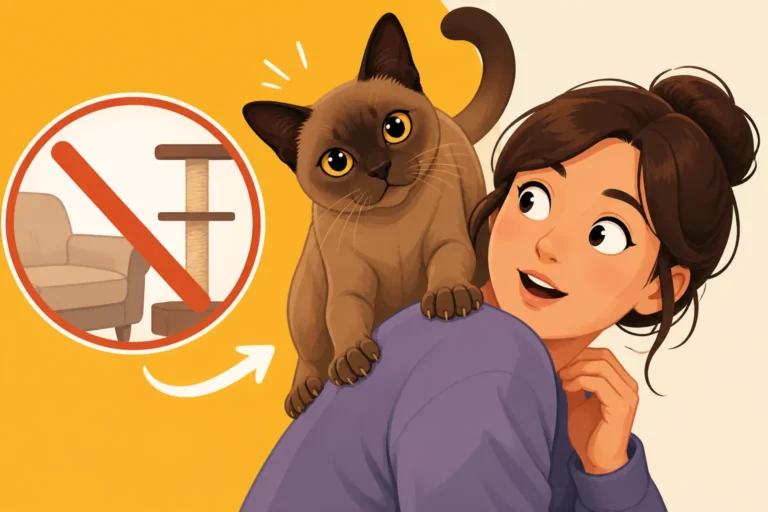
A Burmese isn't content to simply coexist in your home; they want to be an integral part of your life, following you from room to room, sitting on your lap, and even riding on your shoulder like a feline parrot. This intense desire for connection means they are constantly seeking interaction, and their play style reflects this. Unlike some more independent or aloof breeds, a Burmese views playtime as a shared experience, not just an opportunity to hunt.
They thrive on games that involve you, like retrieving toys you throw or chasing a wand toy you manipulate. Their energy is channeled into these positive interactions. When a Burmese is playing with you, their focus is on the object of play, not on using you as a target for their claws. Even in the heat of a chase or a mock hunt, their innate gentleness typically overrides any instinct to deploy sharp claws on human skin. They seem to understand the difference between a toy mouse and a human hand, preferring to bat and pounce with soft paws rather than extend their formidable nails. It's truly a testament to their deep bond with their people that they show such consideration, even when their play drive is in full swing. This gentle nature is part of why they're so easy to live with and why even children often find them incredibly tolerant playmates.
Their Unique Socialization and Training Potential
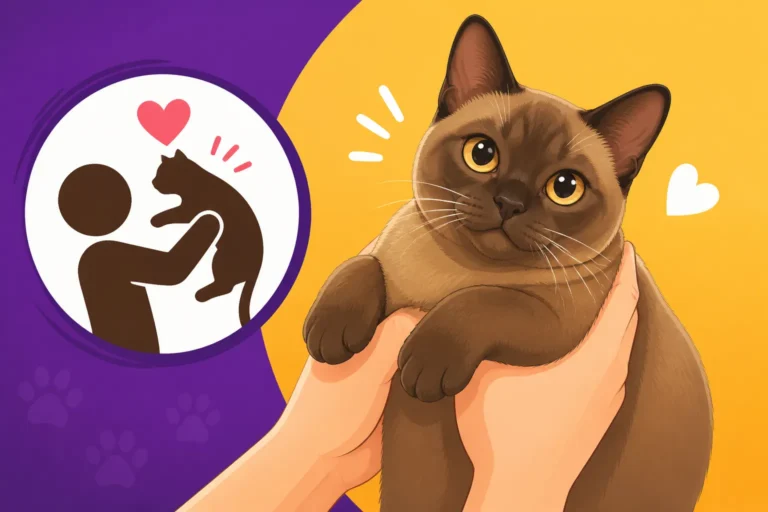
Burmese kittens are typically handled extensively from a very young age by responsible breeders. This early exposure to human touch, including having their paws and claws manipulated, lays a crucial foundation for their future behavior. They learn that being held and touched is a pleasurable experience, not something to fear or react defensively to. This early socialization is key to their cooperative nature.
Beyond early handling, Burmese are incredibly intelligent and eager to please, making them one of the most trainable cat breeds. They respond exceptionally well to positive reinforcement, especially when treats are involved. You can easily teach a Burmese to sit, stay, or even come when called, just like a dog. This trainability extends to their willingness to accept routine procedures like nail trims. Instead of fighting it, many Burmese learn to tolerate, or even enjoy, the attention that comes with a nail trim. They associate it with gentle handling and perhaps a tasty reward afterwards. This early learning and willingness to cooperate means that owners can establish good habits around paw handling from kittenhood, further reducing the likelihood of ever encountering an extended claw unexpectedly. Learning to gently hold their paws and reward them for calm behavior can be very effective. You might even find yourself Teaching a Burmese to Sit Still for a Glucose Check with similar training methods later in life!
Why a Burmese Prefers Cuddles Over Claws
If you're looking for a cat that truly loves to be close to you, the Burmese is your match. Their nickname, "Velcro cat," exists for a very good reason. This profound need for physical contact and their generally laid-back attitude contribute significantly to their reluctance to use claws on people.
The Desire for Physical Contact and Proximity
A Burmese isn't just a cat that lives in your house; it's a cat that lives on you, next to you, and often under your covers. They are constantly seeking warmth and closeness, whether it's snuggled on your lap while you read, draped across your shoulders as you move through the house, or tucked right under the duvet with you at night. This desire for constant proximity means they naturally learn to be very mindful of their claws.
Imagine a cat that habitually rides on your shoulder. If that cat were prone to extending its claws, it would quickly become an uncomfortable, even painful, experience for you. The fact that Burmese excel at this "shoulder riding" behavior speaks volumes about their control and consideration. They instinctively retract their claws or keep them sheathed to maintain the close contact they crave without causing harm. It's as if they understand that soft paws ensure longer cuddle sessions. You'll often find them kneading on your lap, expressing pure contentment, but they usually do so with sheathed claws, or just the very tips extended gently. This constant physical connection fosters a deep trust and a learned gentleness. It's a truly unique bond where the cat actively modifies its natural instincts to better integrate into its human family. My own Burmese will spend hours snuggled up, and it's rare to feel a sharp claw. They just want to be close, and they've learned how to do that without causing a single scratch. This is why Why a Burmese Gets Right Under the Duvet is such a common behavior for them.
Instinctive Play vs. Aggression
All cats have natural hunting instincts, and play is a vital outlet for these behaviors. A Burmese will chase, pounce, and "kill" toys with gusto. However, it's crucial to distinguish this instinctive play from true aggression. In a well-socialized Burmese, aggression towards humans involving claws is exceedingly rare. Their play is usually directed at objects, not people.
When a Burmese is playing with you, they might bat at your hand or ankle, but they typically use soft paws. If they do get a bit overzealous, a sharp "ouch!" or a sudden stop in play is usually enough to remind them to be gentler. They are highly intelligent and quick to learn boundaries. Even an older Burmese, still bursting with kittenish energy, knows how to direct its considerable play drive appropriately. I've seen Burmese cats well into their teens still chasing feather wands and retrieving balls, and they maintain that same gentle approach to interaction with their humans. A Burmese Is Still Playing at Fifteen is not an exaggeration. If a Burmese does consistently use claws aggressively during play, it's often a sign of insufficient appropriate play outlets, a lack of early socialization, or perhaps a misunderstanding of boundaries, which can often be corrected with consistent training and providing plenty of stimulating toys. For instance, investing in good quality interactive toys, like those found on Amazon, can make a huge difference in channeling their energy positively.
The Importance of Proper Claw Care and Environment
While a Burmese's temperament naturally steers them away from clawing people, providing them with the right environment and routine care further reinforces this positive behavior. Responsible ownership plays a significant role in nurturing their inherent gentleness.
Regular Claw Trimming and Its Benefits
Even the most gentle Burmese benefits immensely from regular claw trimming. It's not just about protecting your furniture or your skin; it's also about your cat's comfort and overall health. Overgrown claws can get caught in carpets or fabric, leading to pain or injury, and can even grow into their paw pads, causing severe discomfort. The good news is that most Burmese cats are incredibly cooperative with nail trims. Because they're so people-oriented and tolerant of handling, introducing nail trimming from a young age can make it a stress-free experience for everyone involved.
Start early, keep sessions short, and always provide positive reinforcement with praise and treats. A sharp pair of clippers, easily found on Amazon, designed for cats is essential. Regular trimming keeps the claws blunt, meaning that even if they accidentally make contact during an excited moment, the risk of a deep scratch is significantly reduced. Aim for a trim every 2-4 weeks, depending on how quickly your individual cat's claws grow. If you're unsure how to do it, ask your vet or a groomer for a demonstration. You'll be amazed at how quickly your Burmese accepts it as part of their routine, often purring through the whole process. It's all part of ensuring a comfortable life for your companion, and knowing Which Clippers Suit a Burmese That Sits Still for It can make a big difference.
Providing Appropriate Scratching Outlets
Cats have an innate need to scratch. It's a natural behavior that helps them shed outer claw layers, mark territory, and stretch their muscles. Providing appropriate scratching outlets is paramount to preventing your Burmese from using your furniture or carpets as an alternative. While a Burmese is less likely to target you, they still need to scratch!
Offer a variety of scratching surfaces and orientations to see what your cat prefers. Vertical posts covered in sisal rope are popular for stretching upwards, while horizontal cardboard scratchers can be great for floor-level scratching. Place these scratchers in prominent areas where your cat spends a lot of time, especially near where they like to nap or stretch. If they start to scratch something inappropriate, gently redirect them to a scratching post. You can encourage use by sprinkling a little catnip on the post or placing toys near it. A Burmese is highly intelligent and, given good options, will typically use what's provided. This thoughtful provision of resources ensures their natural instincts are met in a way that’s harmonious with your home. Considering Where a Burmese Wants Its Scratching Post in your home can significantly improve its effectiveness.
The Role of a Companion Cat
For a breed as social and deeply attached as the Burmese, a single cat household can sometimes lead to anxiety or destructive behaviors born of loneliness. This is precisely why many breeders advocate for selling Burmese kittens in pairs, or recommend that owners acquire a second companion for their feline friend. Having another cat, especially another Burmese, fulfills their immense need for companionship and interaction.
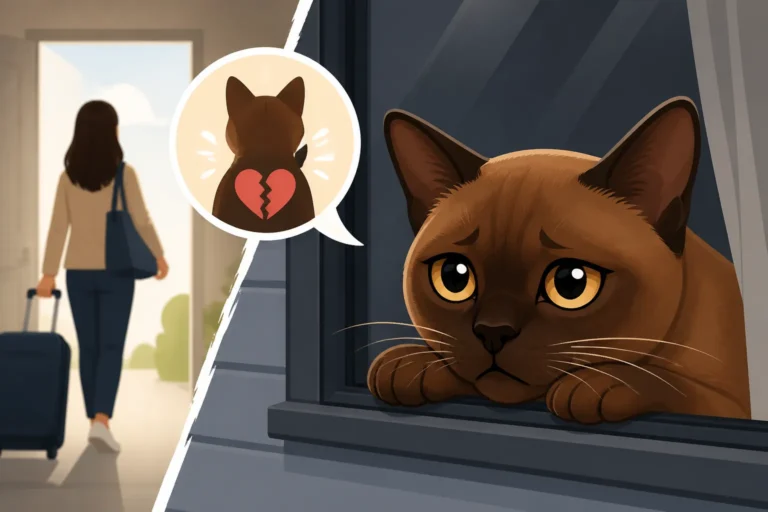
When two Burmese cats live together, they engage in extensive play, grooming, and snuggling with each other. This constant peer interaction means they have an outlet for their energy and affection that doesn't solely rely on their human. They will chase, wrestle, and explore together, channeling their physical urges into appropriate cat-on-cat play. This dynamic significantly reduces the likelihood of them seeking that intense physical interaction from you in a way that might involve claws. Instead of trying to engage you in a rough-and-tumble game where claws might accidentally extend, they'll turn to their feline companion. The presence of another cat can also help alleviate any separation anxiety they might feel when you're not home, ensuring a calmer, happier, and ultimately gentler cat. It's often said that Why Two Burmese Settle Each Other is because they truly thrive on constant companionship, and this extends to their interactions with humans. Why Burmese Breeders Sell Them in Pairs is solid advice for a reason.
When a Burmese Might Use Its Claws (and What It Means)
Despite their generally gentle nature, it's important to be realistic. No animal is entirely predictable, and there are rare instances where a Burmese might use its claws on a person. Understanding why this might happen is crucial for addressing the underlying issue and preventing future occurrences.
Accidental Nicks During Play or Affection
Let's be clear: genuine, intentional scratching from a Burmese is rare. However, even the most careful cat can have an "oops" moment. Most instances of a Burmese's claw making contact with human skin are entirely accidental and not borne of malice or aggression. This might happen during an especially enthusiastic play session, particularly if your hand gets too close to a toy they're intensely focused on. A sudden lunge, a misjudgment of distance, or an excited pounce could result in an unintentional nick.
Similarly, during a deep kneading session on your lap, a claw might inadvertently extend a little too far, especially if their claws are due for a trim. These are usually fleeting moments, quickly withdrawn, and often accompanied by an immediate look from the cat that seems to say, "Oh, sorry!" It's important not to overreact in these situations. A calm, gentle correction, or simply withdrawing your hand, is usually sufficient. Understanding that these are true accidents, rather than aggressive acts, helps maintain the trust and bond you share with your Burmese.
Claw Use as a Sign of Discomfort or Fear
If a Burmese does intentionally use its claws on a human, especially with force or in a defensive manner, it's a significant indicator that something is wrong. This is very uncharacteristic behavior for the breed and should be taken seriously as a cry for help rather than an act of defiance.
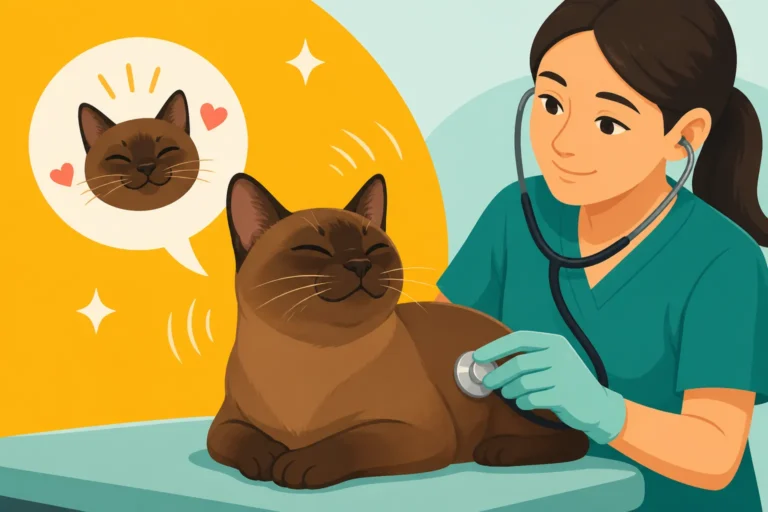
A cat in pain, for instance, might lash out if a tender area is touched. If your Burmese suddenly becomes reactive when picked up, or when a particular part of its body is stroked, it's time for a vet visit. They might be suffering from an injury, arthritis, or another underlying medical condition that is causing them discomfort. Similarly, extreme fear can provoke a defensive response. If a Burmese is in an unfamiliar, frightening situation (like a stressful vet visit with an unfamiliar handler) or feels cornered, it might resort to using its claws as a last resort. This is rare, however, as most Burmese are incredibly tolerant and Why a Burmese Purrs Through a Vet Examination is quite common. Behavioral changes, such as a Burmese becoming withdrawn or avoiding contact, could also precede an uncharacteristic lashing out. If you notice a shift in their usual affectionate demeanor, such as Why a Burmese That Stops Following You Is Unwell, always consult your veterinarian to rule out any health issues. Addressing the root cause of discomfort or fear is the only way to resolve such unusual claw use.
| Behavior Trait | Typical Cat Claw Use | Burmese Cat Claw Use |
|---|---|---|
| Play with Humans | Can involve extended claws, accidental scratches | Typically uses sheathed claws, soft paws; accidental nicks are rare and usually withdrawn quickly |
| Kneading/Affection | Often extends claws, can be painful on laps | Usually kneads with sheathed claws or just very tips |
| Scratching Furniture | Common if appropriate outlets aren't provided | Also needs outlets, but less prone to destructive scratching if needs are met |
| Defense/Fear | More prone to defensive scratching if startled/threatened | Extremely rare; a significant sign of pain or extreme distress for a Burmese |
| Handling/Grooming | Can be resistant, may scratch to escape | Highly tolerant, often accepts nail trims and handling with ease |
Disclaimer
This article is for general informational purposes only and does not constitute professional advice. Laws, prices and regulations vary by location and change over time. Consult a qualified professional for guidance on your specific situation.