How to Get a Burmese Used to a Glucose Check
Getting your sweet Burmese used to regular glucose checks can feel like trying to convince a tiny, purring tornado to sit still for a moment of mild discomfort. It’s a challenge that many dedicated Burmese owners face, knowing these frequent checks are absolutely essential for managing their beloved cat’s health, especially if diabetes is in the picture. This guide is here to walk you through a patient, empathetic approach to desensitizing your Burmese to glucose monitoring, turning a potentially stressful event into a manageable routine.
Understanding Why Glucose Checks are Crucial for Your Burmese
It’s easy to feel guilty about putting your cat through something that might cause a brief poke, but when it comes to Burmese cats, understanding the why makes all the difference. Their predisposition to certain health issues means proactive monitoring isn't just a good idea; it's often a medical necessity that can drastically improve their quality of life and longevity.
The Silent Threat of Feline Diabetes in Burmese Cats
Few breeds are as susceptible to diabetes mellitus as the Burmese. It's a sobering fact, but one every owner needs to be aware of. We’re not talking about a slight increase in risk; we're talking about a significant genetic predisposition that makes diabetes a primary concern for the breed. This isn't just about diet or lifestyle, although those play a huge role, too. There's a genetic component that runs deep in many Burmese lines, making them more likely to develop insulin resistance. This means their bodies struggle to process sugars properly, leading to elevated blood glucose levels. You might not see obvious symptoms at first, which is why it's often called a "silent threat." By the time you notice excessive thirst or urination, the disease might already be quite advanced. This breed’s affectionate nature can also lead them to hide discomfort, making early detection via regular checks even more important. Learning about Why a Burmese Is Four Times More Likely to Become Diabetic can give you a deeper understanding of this challenge.
Why Regular Monitoring is a Lifesaver, Not Just a Chore
For a Burmese diagnosed with diabetes, regular glucose monitoring isn't just recommended; it's the cornerstone of effective management. Imagine trying to manage a human diabetic's insulin doses without knowing their blood sugar levels—it would be impossible and incredibly dangerous. The same goes for your feline friend. Glucose checks allow your vet, and ultimately you, to:
- Adjust Insulin Doses Accurately: Insulin requirements can fluctuate based on diet, activity, stress, and even the time of day. Knowing your cat's glucose levels helps you and your vet fine-tune insulin doses to prevent dangerous highs (hyperglycemia) or lows (hypoglycemia).
- Identify Trends and Triggers: Consistent monitoring helps spot patterns. Maybe certain foods cause a spike, or perhaps stress from a visitor leads to elevated levels. Understanding these trends allows for better proactive management.
- Detect Remission: Believe it or not, some Burmese cats can go into diabetic remission, especially if the disease is caught early and managed aggressively with diet and insulin. Regular checks are vital to identifying when this might be happening, allowing for a gradual reduction or even cessation of insulin. How a Burmese Goes Into Diabetic Remission covers this in more detail.
- Prevent Complications: Uncontrolled diabetes can lead to severe health issues, including nerve damage, vision problems, and kidney disease. Consistent monitoring helps keep glucose levels within a safe range, dramatically reducing the risk of these debilitating complications. It really underscores why Why Portion Control Is Medical Care in a Burmese is such a critical concept.
So, while that tiny pinprick might feel like a chore, remember that each check is a piece of vital information, a step toward keeping your beloved Burmese healthy and happy for as long as possible.
Setting the Stage for Successful Glucose Monitoring
Before you even think about picking up a lancing device, it's crucial to create an environment that minimizes stress for your Burmese and sets you both up for success. This isn't a battle of wills; it's a carefully orchestrated dance of patience and positive reinforcement.
Creating a Calm and Consistent Environment
Burmese cats thrive on routine and connection. Any disruption can be a source of stress, and stress can directly impact blood glucose levels. Therefore, establishing a calm, predictable environment for glucose checks is paramount.
- Choose Your "Testing Zone" Wisely: Pick a quiet, well-lit spot in your home where your Burmese already feels safe and comfortable. This could be on a favorite blanket on the couch, a particular chair you often cuddle in, or even a designated spot on a table if they're used to being handled there. The key is familiarity and calm. Avoid busy, noisy areas of the house.
- Maintain a Consistent Schedule: Cats are creatures of habit. Try to perform glucose checks at roughly the same time each day, particularly before meals or insulin injections, as recommended by your vet. This predictability helps your cat anticipate the routine and reduces anxiety.
- Keep it Positive and Low-Stress: Approach the session with a calm, reassuring demeanor. Cats pick up on our emotions, so if you’re stressed, they’ll be stressed. Speak softly, pet them gently, and make the experience as positive as possible from the outset. Consider this dedicated "cuddle time" before the actual check. Your Burmese truly thrives on attention, so use that to your advantage. Why a Burmese Pushes Its Face Into Your Palm shows how much they crave contact.
- Eliminate Distractions: Turn off loud TVs, ask family members to give you space, and make sure other pets are out of the immediate area. Your Burmese needs your full, calm attention, and you need theirs.
Gathering Your Essential Glucose Testing Toolkit
Having all your supplies ready and easily accessible before you start is crucial. Fumbling around for equipment will only increase your stress and your cat's impatience. Think of it like a carefully laid-out surgical tray, but for cuddles and a quick poke! You'll want to have these items close at hand:
- Pet-Specific Glucometer: While human glucometers can sometimes be used, a pet-specific glucometer is often more accurate for feline blood, which has a different red blood cell structure. Many reliable brands are available, and you can easily find them by searching "pet glucometer" on Amazon.
- Lancets and Lancing Device: These are the tiny needles used to prick the ear. Choose the smallest gauge lancets possible (e.g., 26-28 gauge) to minimize discomfort. A lancing device helps make the prick quick and consistent. Again, a quick search on Amazon will show you many options.
- Cotton Balls or Gauze: Essential for applying pressure to the ear after the prick to stop bleeding.
- Petroleum Jelly (Vaseline) or a Thin Layer of Ointment: Applying a tiny dab to the ear before lancing can help a small bead of blood form more easily, making collection quicker.
- Plenty of High-Value Treats: This is your primary positive reinforcement tool. Think tiny pieces of cooked chicken, salmon, or a favorite wet food they go wild for. The better the treat, the more motivated your Burmese will be.
- A "Warm Up" Pack (Optional but Recommended): A small sock filled with rice and microwaved for a few seconds, or a warm washcloth, can be held against the ear for about 30 seconds before testing. This helps dilate the blood vessels, making it easier to get a good blood sample.
- Sharps Container: A designated, puncture-proof container for safe disposal of used lancets.
By having everything neatly laid out, you reduce the time needed for the actual procedure, making it less of a chore for everyone involved. Caring for a Diabetic Burmese at Home goes into more detail about daily care.
The Step-by-Step Desensitization Process
This is where the real work, and patience, comes in. You can’t just spring a needle on your Burmese. You need to build trust and positive associations gradually. This process might take days, weeks, or even a few months – and that's perfectly normal. Don't rush it.
Starting Small: Gentle Handling and Positive Association
The goal here is to make handling their ears a pleasant, normal experience, not something associated with a poke. This foundational step is crucial for any sensitive cat, and the highly tactile Burmese is no exception.
- Cuddle and Comfort: Begin each session with lots of petting, chin rubs, and reassuring words. Let your Burmese settle into your lap or beside you, purring contentedly. Build up to this gradually if they're not used to prolonged handling. A Burmese loves human company, so leverage this bond. Why a Burmese Cannot Let You Leave the Room highlights their need for connection.
- Gentle Ear Touches: While they're relaxed, gently stroke their ears. Start with the outer ear, then gradually move to lightly touching the edge of the ear where you'll eventually be taking the blood sample. Use the pads of your fingers, almost imperceptibly.
- Positive Reinforcement: The moment you touch their ear, even for a second, offer a high-value treat. If they tolerate it, you get a treat. If they pull away, stop, wait for them to calm, and try again, but don't give a treat for pulling away. The treat should only follow the desired behavior.
- Gradual Increase in Duration: Slowly increase the length of time you touch their ear. Go from a quick touch to a few seconds, then to gently rubbing the ear flap. Always follow with praise and treats.
- Focus on the "Sweet Spot": The ideal spot for a blood sample is along the very edge of the ear, about halfway down, where the hair is thinnest and there are fewer nerve endings. Gently massage this area.
Keep these sessions short, positive, and frequent. A few minutes several times a day is more effective than one long, stressful session.
Gradual Introduction to the Equipment
Once your Burmese is comfortable with ear handling, it's time to introduce the "scary" objects. This is still about positive association, not actual testing.
- Introduce the Glucometer and Lancets Visually: Place the glucometer, lancing device, and lancets near your Burmese during a relaxed moment. Let them sniff them. Don't push it; just have them in their peripheral vision. Offer treats just for being near them calmly.
- Touch the Equipment to Their Body (Not the Ear Yet): Gently touch the outside of the lancing device (without a lancet loaded) to their back, then their leg, then their head, always followed by a treat. The goal is to make it a neutral object.
- Simulate the "Click": Many lancing devices make a distinctive clicking sound. Practice clicking the empty device away from your cat at first, then gradually closer. Each click should be immediately followed by a high-value treat. This desensitizes them to the sound.
- "Mock" Ear Prick with the Device: Load a lancet into the device, but don't engage it. Gently press the device (not the actual needle) against the edge of their ear where you'd normally prick. Hold it there for a second, then immediately give a treat and praise. Repeat this several times, making it quick and positive. This is about simulating the pressure, not the poke.
This step can take time. If your Burmese shows signs of stress, go back a step. Patience is your best friend here.
Practicing the "Puncture" Without the Prick
This is where you get them used to the full motion and sensation of the actual poke, without actually breaking the skin every time.
- Warm the Ear (Optional but Helpful): If you're using a warm pack, gently hold it against the chosen ear spot for 20-30 seconds. This helps bring blood to the surface. Immediately follow with a treat for tolerating the warmth.
- Apply Petroleum Jelly: Dab a tiny amount of petroleum jelly to the edge of the ear where you plan to prick. This helps the blood bead up nicely. Treat for tolerating this.
- The "Pretend Poke": Hold the lancing device (loaded with a fresh lancet) against the ear, exactly where you would for a real test. Lightly press it to the ear, but instead of firing the lancet, just apply pressure for a second or two. Immediately praise and treat. The goal is to get them used to the feel and the holding.
- Vary the Practice: Mix in actual gentle strokes, mock pokes, and just ear rubs. You don't want every touch of the ear to mean a poke is coming. Always end on a positive note, even if you don't get a "practice poke" in that session.
The First Real Check: Making it Quick and Rewarding
You’ve built up to this! Approach it with confidence, but be prepared that it might not be perfect. The first few real pokes are about getting any blood and making it positive, not about perfect technique.
- Prepare Everything: Have your glucometer ready, a fresh lancet in the device, cotton balls, petroleum jelly, and treats laid out. Have your warming pack ready if using.
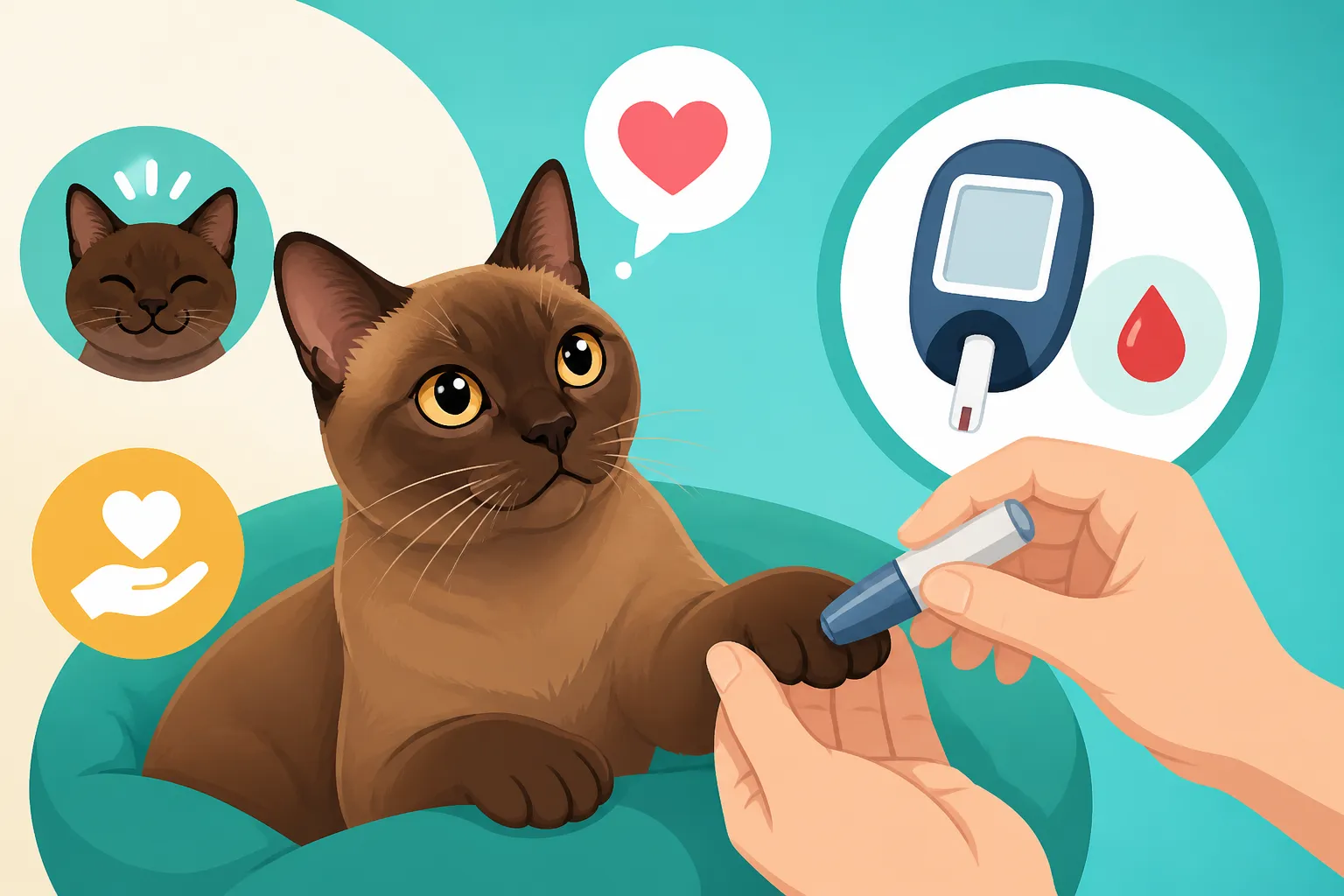
- Cuddle and Position: Get your Burmese in their comfy testing spot. Cuddle, pet, and reassure them. Hold their ear gently but firmly.
- Warm and Prep: Warm the ear if desired, and apply a tiny dab of petroleum jelly.
- The Quick Prick: Take a deep breath. Aim for the very edge of the ear, avoiding the central vein. Fire the lancing device quickly and confidently. Don't hesitate.
- Blood Collection: A tiny bead of blood should appear. Gently squeeze the ear from base to tip to encourage a larger drop if needed. Touch the test strip to the blood droplet. Avoid milking the ear too aggressively, as this can dilute the sample.
- Pressure and Praise: As soon as you have the sample, immediately apply gentle pressure to the ear with a cotton ball for 10-15 seconds to prevent bruising or continued bleeding. At the same time, offer lavish praise and that high-value treat! Make it the best treat they've ever had.
- Distract and Release: After the treat, continue cuddling or engage them in a favorite game. Make it clear the "scary part" is over and now it's just fun time.
If you don't get enough blood on the first try, try a different spot on the ear, or warm the ear more. But if your cat becomes stressed, stop, offer a treat, and try again later. It's better to have an incomplete session than to traumatize your cat and set back your progress. Remember, your Burmese can be How to Get a Burmese Used to a Glucose Check, and it's a marathon, not a sprint.
Troubleshooting Common Challenges and Maintaining Routine
Even with the best preparation, you might hit some bumps in the road. It's perfectly normal, and recognizing challenges early can help you adjust your approach.
What to Do When Your Burmese Resists or Becomes Anxious
It happens. Your sweet, cuddly Burmese might suddenly decide they are not having it today. Don't take it personally; it's a natural instinct for an animal to resist discomfort.
- Respect Their Limits: If your Burmese is genuinely stressed – hissing, growling, struggling violently, or even hiding – stop the session. Pushing them will only create a stronger negative association. You risk damaging your bond and making future attempts even harder.
- Re-evaluate Your Pace: Have you rushed a step? Perhaps they needed more time getting used to ear touches before equipment was introduced. Go back a step or two in the desensitization process.
- Change the Location or Time: Sometimes a different environment or a different time of day, when they are naturally more relaxed (e.g., just waking up from a nap), can make a difference.
- Increase the Value of the Reward: Is your treat good enough? Sometimes, you need to pull out the absolute "big guns" – perhaps a special brand of lickable treat (like Churu, widely available on Amazon) or a tiny piece of cooked meat they rarely get.
- Seek Vet Assistance: If you consistently struggle, talk to your veterinarian. They might have tips, demonstrate techniques, or even recommend a mild sedative for initial sessions if stress is severe. They can also perform checks in the clinic to ensure levels are being monitored, while you continue working on desensitization at home. Your vet can also advise on How a Vet Confirms Diabetes in a Burmese and what ongoing care means.
- Consider a Different Testing Site: While the ear is most common, some owners have success with paw pads (though these are often more sensitive and prone to infection) or even the lip. Discuss alternate sites with your vet if the ear is truly a no-go.
Consistency is key, but so is flexibility. Every cat is an individual, even within a breed known for its uniform personality.
Keeping the Routine Positive for the Long Haul
Glucose monitoring isn’t a one-time event; it’s a commitment. Keeping it positive and consistent over months or years is how you ensure your Burmese remains cooperative and happy.
- Always End on a Positive Note: Even if you didn't get a perfect reading, or couldn't get one at all, end the session with cuddles and a treat. You want them to associate the end of the session with something good.
- Don't Just Test When Ill: Continue the routine even when your Burmese is feeling good. This prevents them from associating the procedure solely with feeling unwell.
- Vary Your Rewards: While a consistent high-value treat is important, you can also mix in play time or a favorite toy. The Burmese loves interaction, so make that part of the reward system. How Much Play a Burmese Still Demands at Ten reminds us they stay playful.
- Maintain Your Calm: As mentioned, your stress will transfer to your cat. Take a deep breath before each session. If you're having a particularly stressful day, perhaps do a shorter session, or focus purely on ear handling and treats without the poke. It's okay to have "off" days.
- Track Your Progress: Keep a log of how cooperative your Burmese is, what treats worked best, and any challenges you faced. This helps you identify what works and what doesn't over time. Your vet will also appreciate this data when discussing Why a Burmese's Glucose Should Be Checked From Seven.
Remember, you're not just taking a blood sample; you're building a deeper bond of trust with your Burmese. Every gentle touch, every reassuring word, and every high-value treat contributes to their comfort and willingness to cooperate, ensuring they get the care they need for a long, healthy life.
Disclaimer
This article is for general informational purposes only and does not constitute professional advice. Laws, prices and regulations vary by location and change over time. Consult a qualified professional for guidance on your specific situation.