When a Burmese Kitten’s Adult Color Settles
Burmese kitten coat color development explained through genetics and temperature sensitivity, detailing the timeline for adult shades to emerge.
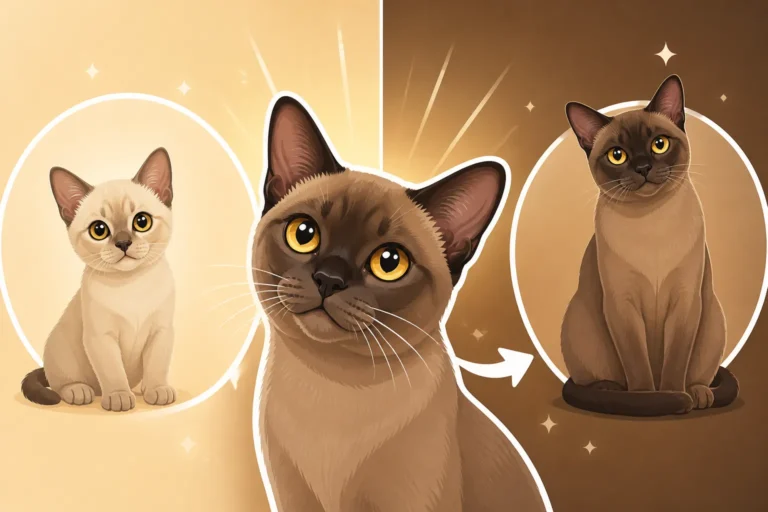
Burmese kitten coat color development explained through genetics and temperature sensitivity, detailing the timeline for adult shades to emerge.
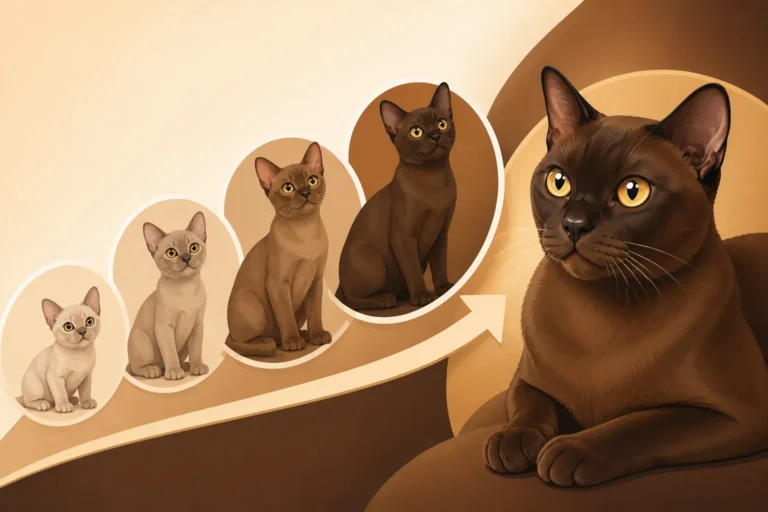
Burmese sable coat color changes from pale kittenhood to deep adulthood due to temperature sensitivity and the cb allele.
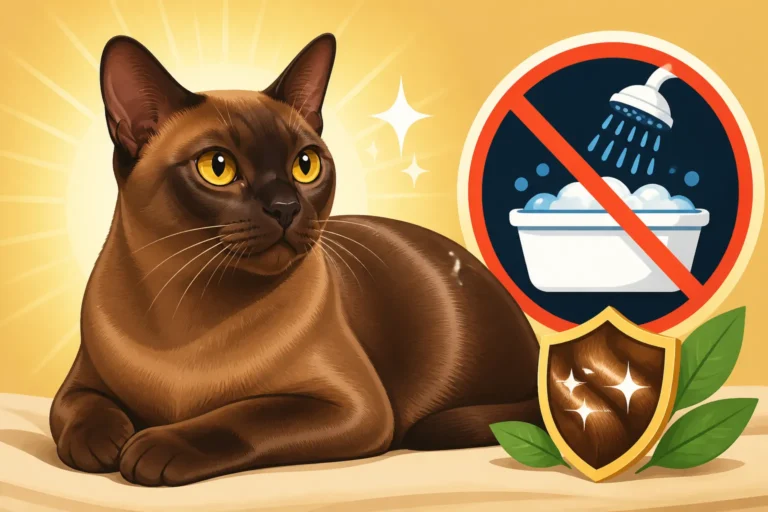
Burmese cat satin coat structure and meticulous self grooming habits explain why this specific compact breed rarely needs a full bath.
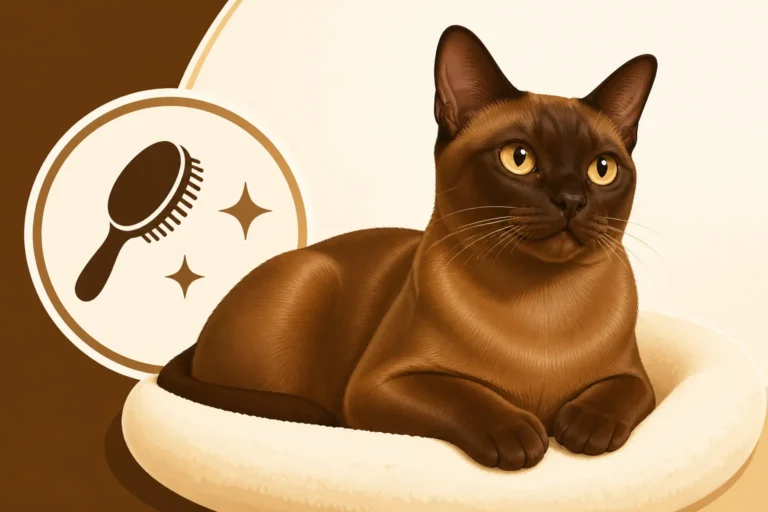
Burmese cat satin coat maintenance and the lack of a dense undercoat explain why the breed requires minimal grooming compared to others.
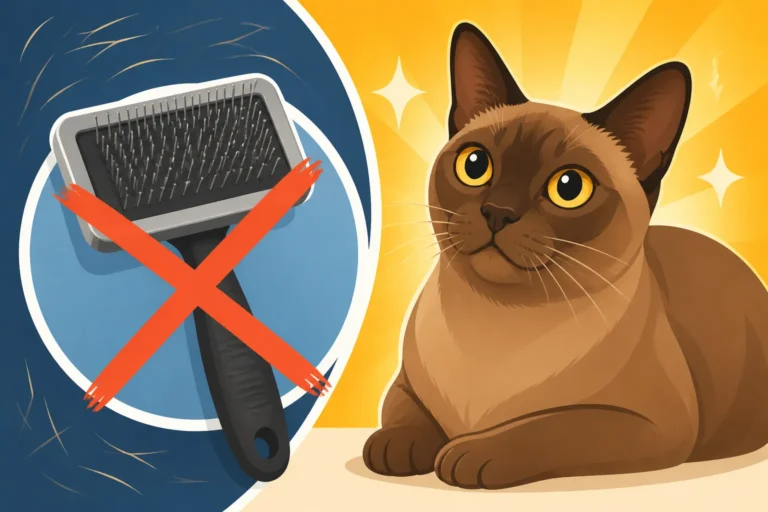
The Burmese cat coat lacks a dense undercoat, making the popular slicker brush an uncomfortable and unnecessary grooming tool choice.
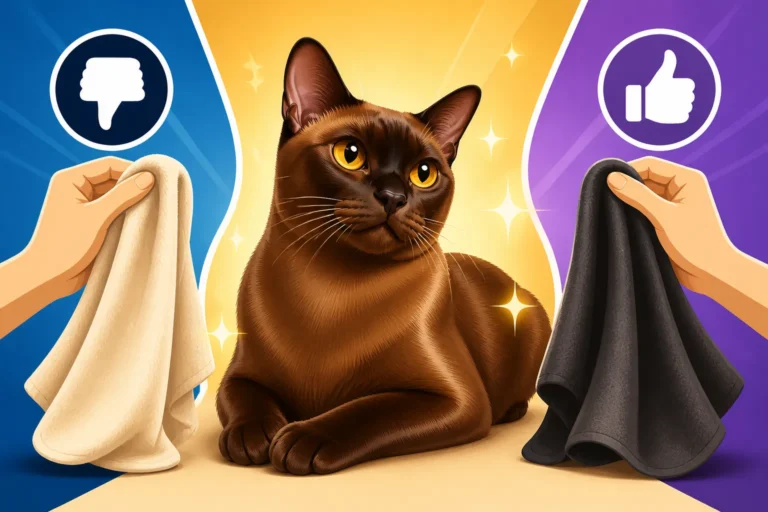
The Burmese cat chamois grooming tool creates a satin shine on the short single coat by buffing loose surface hairs.
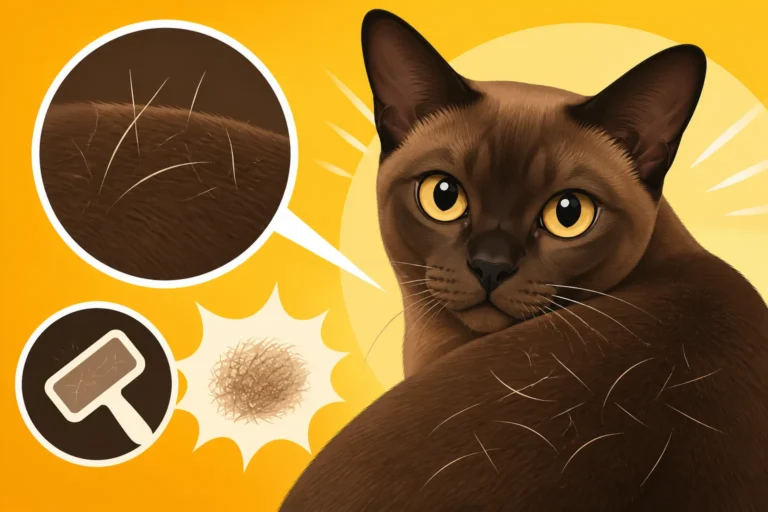
Burmese cats possess short fine hair and lack an undercoat, making every loose satin strand clearly visible on furniture.
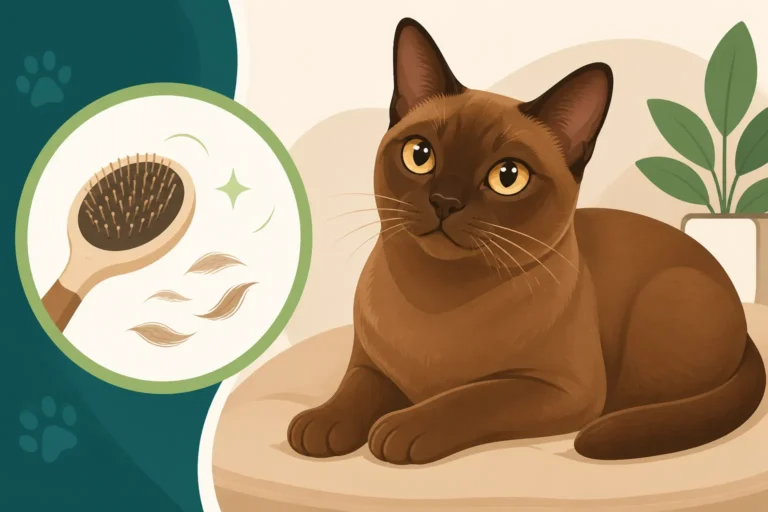
The Burmese cat sheds very little hair because this unique breed features a fine single-layer coat without an undercoat.
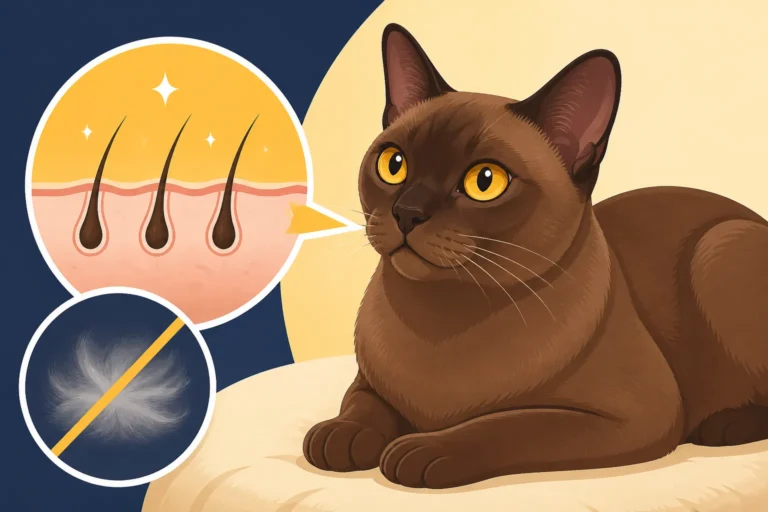
Burmese cats possess a single coat with almost no undercoat due to a specific genetic modification affecting hair density.
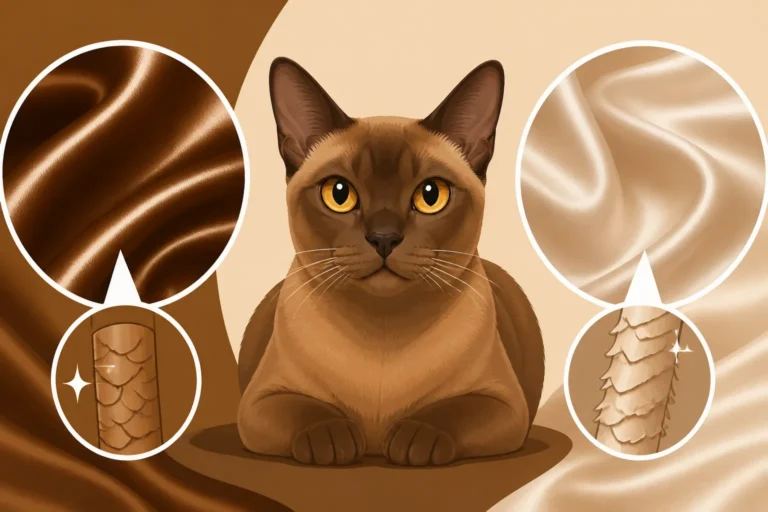
Burmese cat fur texture stems from a unique genetic mutation, the cb allele, and the virtual absence of a thick undercoat.