Why Australia Has So Many Burmese
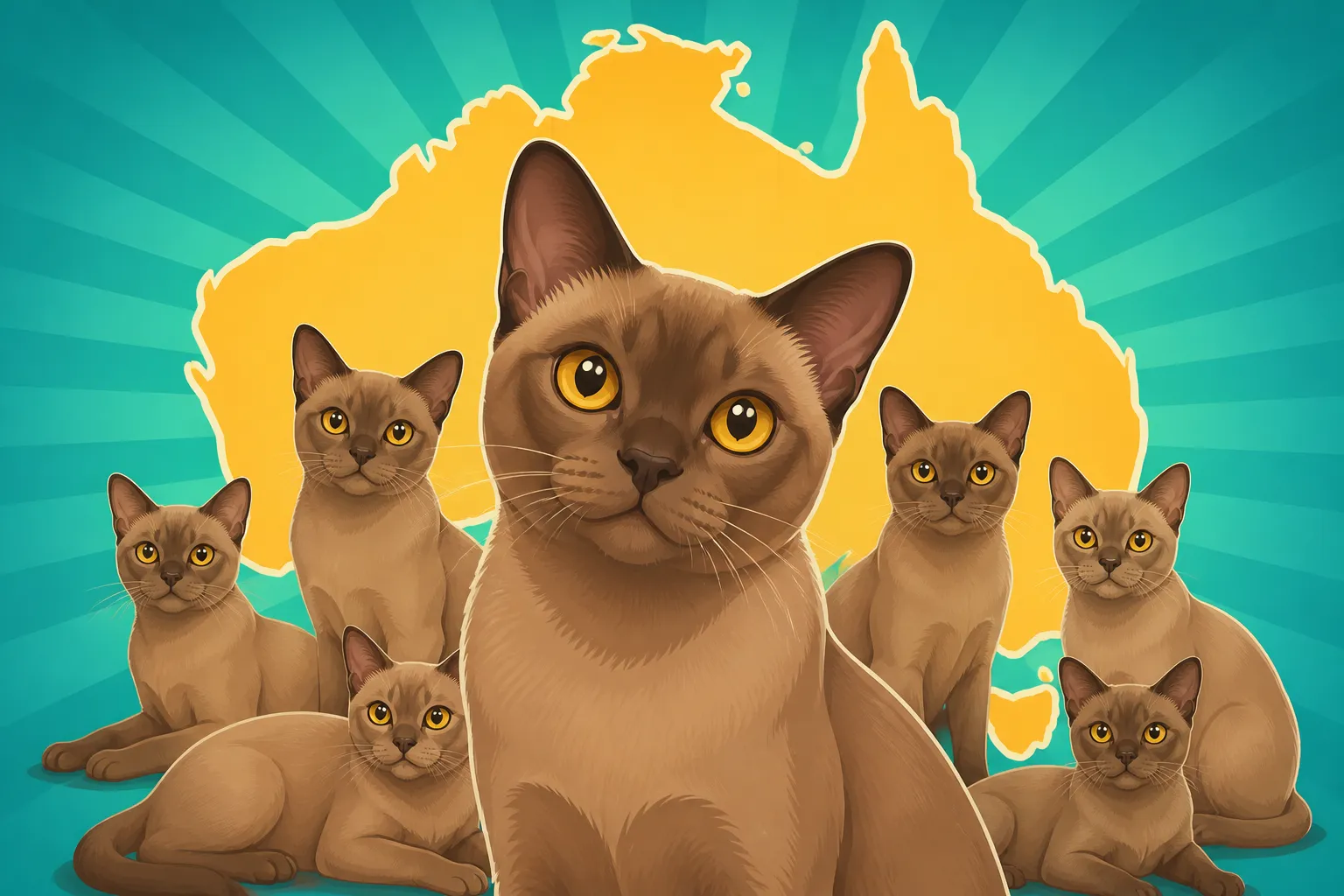
Australia’s strong Burmese presence is not simply a matter of chance, and it is difficult to pin down with one national headcount. The breed became familiar through established local breeding and showing communities, while its affectionate, people-focused nature suits many Australian households. This guide explains the history, lifestyle appeal, and record-keeping issues behind the impression that Burmese cats are everywhere.
How the Burmese became established in Australia
A breed with a long local foothold
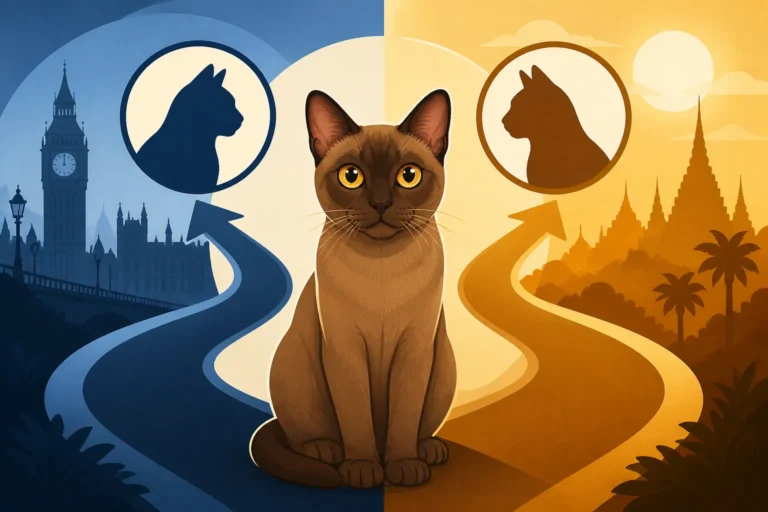
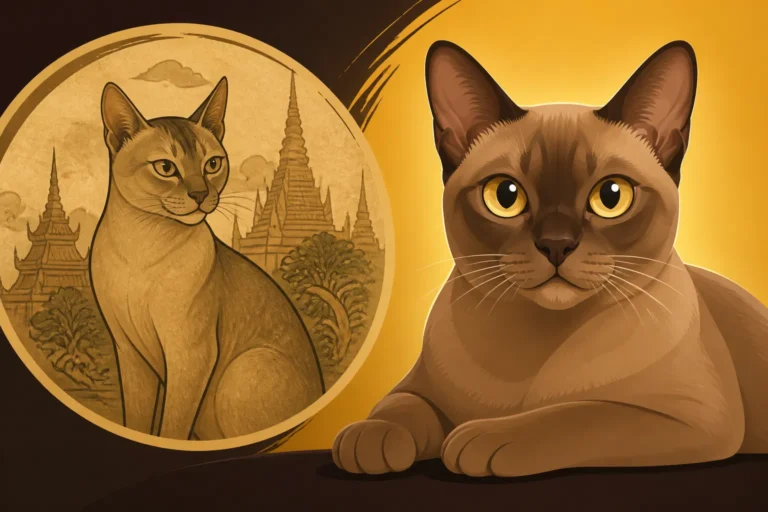
The Burmese did not become visible in Australia overnight. Like other pedigree breeds, it spread through breeders, cat shows, registries, and the homes of people who wanted a recognizable type and temperament. Once a local breeding community is established, kittens can be placed and bred within that network, helping the breed remain familiar across generations.
That continuity matters. A breed with several active breeders and a history in local shows is easier for prospective owners to encounter than one that depends on occasional imports. People may meet a Burmese through a friend, a breeder, a rescue listing, or a cat show, then look for one themselves. Each encounter helps keep the breed in public view.
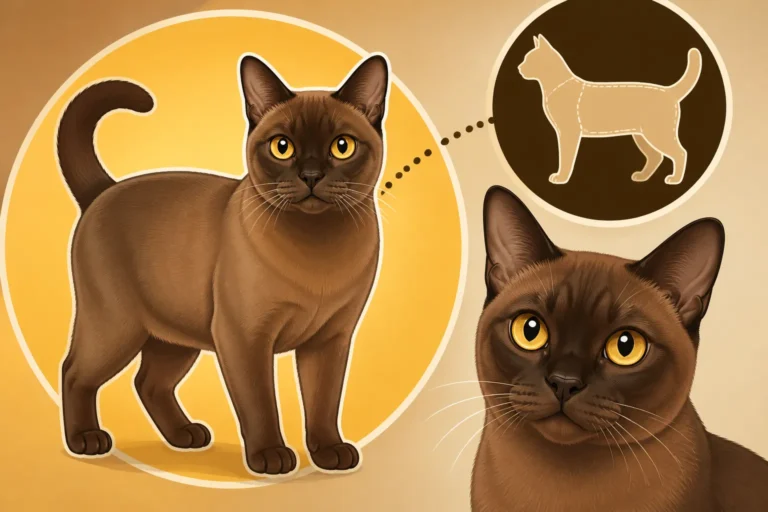
The Burmese also has a distinct look that is easy to remember: a compact, muscular body, a short close-lying coat, and expressive eyes. Its coat can appear sleek and simple to care for, while its solid, weighty build surprises people who expect a short-haired cat to feel lighter. The nickname “brick wrapped in silk” captures that contrast, and the physical traits are explored in Why a Burmese Weighs More Than It Looks.
A breed’s local history should not be confused with a claim that it is the most numerous cat in every Australian state or household. The number of registered pedigree cats is not the same as the number of pet cats, and registration systems do not necessarily capture every animal. The Burmese can be highly visible in cat-fancy circles without being easy to count across the whole country.
Local breeding networks create familiarity
A sustained breeding community makes a breed more accessible. Breeders can introduce prospective owners to adult cats, explain what the breed is like at home, and help families understand the commitment involved before taking a kitten home. In turn, owners who enjoy living with Burmese cats may recommend them to relatives and friends.
This creates a small but powerful cycle: visibility leads to interest, interest supports responsible breeding, and responsible breeding keeps the breed recognizable. It is not unique to Burmese cats, but it helps explain why a breed can feel especially common in one country even when its worldwide numbers are modest.
Breed communities also preserve a shared understanding of type and temperament. Australian buyers may come across cats described according to local registry conventions, while overseas websites may use different standards or labels. If you are comparing cats from different countries, How the American and European Burmese Split helps explain why the word “Burmese” does not always describe exactly the same appearance everywhere.
Why Burmese cats appeal to Australian households
An affectionate nature makes a strong impression
Burmese cats are often sought out for their social, people-oriented behavior. Many enjoy staying close to their people, joining household routines, and interacting with visitors. A cat that follows someone from room to room or curls up nearby tends to be memorable, and owners often talk about that companionship when recommending the breed.
That appeal can help a breed spread by word of mouth. Someone who has spent time with a friendly Burmese may be more likely to ask where it came from, especially if the cat is relaxed around family members and involved in everyday life. The description of a Burmese as a particularly people-focused cat is developed in The Burmese Is the Velcro Cat of the Cat Fancy.
But affection is not the same as low effort. Burmese cats may find long stretches alone difficult, and a household that is empty for most of the day should think carefully about companionship, enrichment, and routine. Their social nature can be lovely when people want an involved pet, but challenging if they expect a cat to be content with minimal interaction. Why a Burmese Cannot Be Left Alone All Day looks more closely at that trade-off.
Short coats and a compact indoor routine
The Burmese’s short coat is another practical attraction. It does not usually require the kind of extensive grooming associated with long-haired breeds, and routine care can often be straightforward. For people who want a close companion without a demanding coat-care schedule, that can make the breed appealing.
Still, “easy coat” does not mean “no care.” Cats need regular nail checks, dental attention, play, and veterinary care regardless of coat length. Burmese owners may also need to pay close attention to food portions and body condition. A sturdy, muscular cat can be difficult to assess by appearance alone, and extra weight can be easy to overlook beneath a compact frame. What a Burmese's Body Type Is Called explains why the breed can feel so solid.
The table below separates the features that may draw people to the breed from the practical realities that come with them.
| Feature | Why it appeals | What owners should keep in mind |
|---|---|---|
| Short, close-lying coat | Usually simpler to maintain than a long coat | Grooming is still only one part of cat care |
| Muscular build | Gives the cat a substantial, distinctive feel | Body condition is better judged by touch and regular weighing than by looks alone |
| Social temperament | Can suit people who want an involved companion | Long periods alone may be stressful for some cats |
| Recognizable breed identity | Makes the cat memorable at shows and among owners | Registry standards and terminology can differ between countries |
| Strong word-of-mouth appeal | Owners may recommend the breed to friends and family | Popularity should not replace careful breeder research |
A good fit for the right kind of home
The Burmese can suit a range of households, including families and people who enjoy an interactive pet. What matters is not whether a home is large or small so much as whether it can provide safe indoor space, attention, activity, and a predictable routine. A cat that wants company may do well in a busy home, provided it has places to rest and is treated gently.
It is also worth considering whether the cat will have an appropriate companion. Some Burmese cats do well as only pets when their people are around and provide plenty of engagement; others may benefit from another compatible animal. A second cat is not an automatic solution, though. Introductions, personality, and available space matter, and a new companion should not be treated as a substitute for human care.
For anyone choosing a Burmese, the key question is not just “Why are there so many?” but “Would this cat’s needs work in my home?” The breed’s reputation for affection can make it sound like an effortless choice. In reality, it is a better fit for people who value interaction and can make room in their daily routine for a sociable cat.
What “so many” means and how to check the numbers
Visibility is not the same as a national count
People often judge a breed’s popularity by what they personally see. If several friends have Burmese cats, a local breeder is active, or the breed appears regularly in show settings, it can seem as though Burmese cats are everywhere. That perception may be accurate for a particular community, but it does not establish the breed’s share of all cats in Australia.
A reliable count would need to specify what is being counted. Is it pedigree cats registered with a particular organization, kittens recorded by breeders, cats entered in shows, or all cats identified by their owners as Burmese? These categories overlap, but they are not interchangeable. Many pet cats have no pedigree paperwork, while registry data may cover only cats recorded through that organization.
This distinction is useful when reading articles or social media posts that claim a breed is especially common. Ask what the figure includes and where it came from. If it counts registrations, it says something about the registered population, not necessarily about every Burmese living in Australia.
Registry conventions can make comparisons tricky
Different registries may use different standards, color descriptions, and classifications. Overseas breed guides can therefore be useful background, but they may not perfectly reflect how Australian Burmese cats are registered or discussed. A cat’s appearance, pedigree, and registry paperwork provide a clearer picture than a casual label in an online listing.
The same issue appears when comparing Australian cats with those in North America or Europe. The breed has developed along distinct lines, and standards can emphasize different features. For an overview of the differences, see What an American Burmese's Head Should Look Like and What a European Burmese's Head Should Look Like. Those descriptions are useful for understanding why photographs from different countries may not all show the same look.
Online search results can add another layer of confusion. A U.S.-focused retailer such as Chewy may offer pet-care information written for its own audience, but that content cannot tell you how many Burmese cats live in Australia or how Australian registries classify them. Chewy pages may be handy for general browsing, yet local registry records and Australian breeders are more relevant when you are checking local breed history.
Chewy product listings also reflect a retail market outside Australia, so they are not a dependable guide to which foods or supplies are available locally. For Australian ownership decisions, check product labels and availability through local retailers or your veterinary clinic. Chewy can be a point of comparison when researching general product categories, but it should not stand in for local advice.
Responsible breeding matters more than popularity
A breed’s popularity can be positive when it means more people know how to find reputable breeders and learn about the cat before bringing one home. It can also create pressure for kittens, which is why buyers should take time to assess health practices, living conditions, and documentation rather than rushing because a litter is available.
Ask a breeder how kittens are raised, what health checks are appropriate for their lines, and what information accompanies a kitten. A good conversation should include the cat’s long-term needs, not only its color or appearance. If the breeder avoids questions or cannot explain the paperwork, pause and seek more information. What Burmese Owners Wish They Had Known offers useful points to consider before committing to the breed.
Popularity alone does not guarantee good breeding, and a less common breed is not automatically healthier or better suited to a particular household. Focus on the individual cat, its background, and whether its needs match your life. A careful choice helps support healthy breeding practices and gives the cat a more stable start.
What prospective owners should take from the breed’s popularity
Look beyond the idea that Burmese cats are everywhere
Australia’s apparent abundance of Burmese cats is best understood as a mix of local familiarity, established breeding networks, and a temperament many people find appealing. The impression may be especially strong in communities with cat shows, active breeders, or several Burmese-owning households. It does not necessarily mean the breed is among the most numerous cats in the country overall.
If you are considering a Burmese, spend time with adult cats where possible. Ask owners what everyday life is like, including how their cats handle time alone, play, feeding, and veterinary visits. A kitten’s charm can make it easy to focus on the first few weeks, while an adult cat’s routine offers a better sense of the long-term commitment.
Check the cat’s pedigree and registration details if it is being sold as a pedigree Burmese. Understand which registry is involved and what its terminology means. When comparing international material, remember that standards can vary, so a photograph or description from another country may not match the local type exactly.
Make the decision around the cat’s needs
A Burmese can be a wonderful companion for someone who wants an affectionate, lively cat and is prepared to provide regular company. It may be less suited to a household that is empty for long hours or a person who wants a pet that is mostly independent. Neither situation makes someone a bad owner; it simply means matching the animal to the household is important.
Consider the whole routine: who will interact with the cat during the day, how play will fit into the week, whether other pets are a good match, and how you will keep track of food, weight, and health. If you are adopting rather than buying from a breeder, ask what is known about the cat’s history and arrange a veterinary check. A rescue cat’s personality and needs matter just as much as its breed label.
The most useful explanation for Australia’s strong Burmese visibility is not a single statistic or a claim that the breed suits everyone. It is the way local continuity and a memorable, sociable personality reinforce one another. Knowing that helps prospective owners move past popularity and decide whether a Burmese is genuinely the right companion for their home.
Disclaimer
This article is for general informational purposes only and does not constitute professional advice. Laws, prices and regulations vary by location and change over time. Consult a qualified professional for guidance on your specific situation.