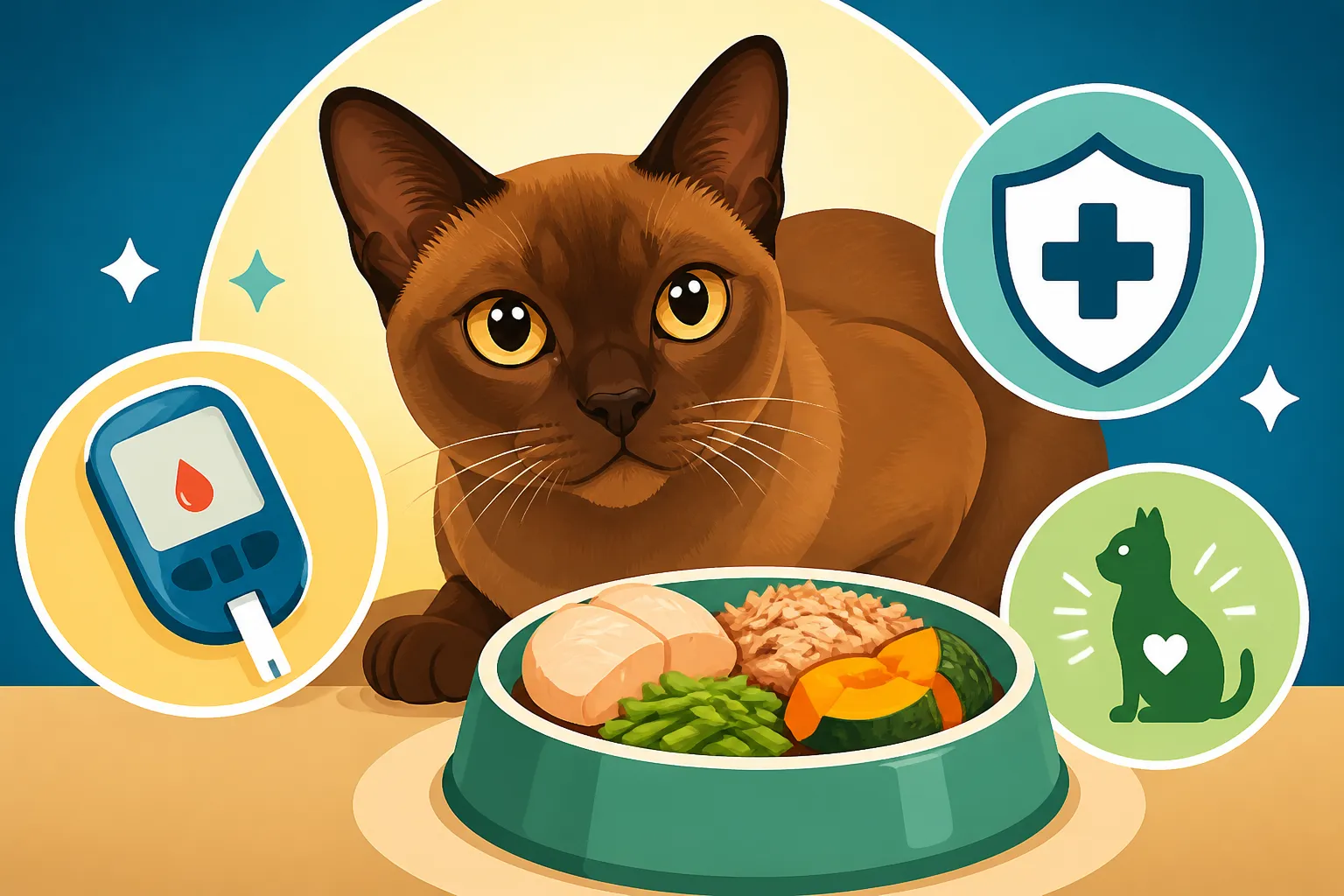
What a Diabetic Burmese Eats
Navigating a diabetes diagnosis for your beloved Burmese can feel incredibly overwhelming, bringing a wave of fear and uncertainty about their future. One of the biggest shifts, and often the most confusing, is understanding precisely what your diabetic Burmese should eat to manage their condition and live a long, happy life. This comprehensive guide will meticulously break down the dietary requirements for a diabetic Burmese, helping you make informed choices that are truly life-changing for your feline friend.
The Critical Role of Diet in Burmese Diabetes Management
When your Burmese receives a diabetes diagnosis, it's natural to feel a rush of emotions. But among the most empowering things you can do is to take control of their diet. For a Burmese, diet isn't just about nutrition; it's a foundational pillar of their diabetes management, sometimes even more critical than medication alone. Their unique genetic predisposition means that what goes into their food bowl has an immediate and profound impact on their health.
Why Low Carbohydrate is Non-Negotiable
For any cat, but especially for a Burmese, a low-carbohydrate diet is not just a recommendation; it's practically a medical mandate. Cats are obligate carnivores, meaning their bodies are designed to derive energy primarily from animal protein and fat, not carbohydrates. Historically, their wild ancestors would consume very little plant matter, and certainly not the high-carb fillers often found in commercial cat foods today.
When a cat eats carbohydrates, their body breaks them down into glucose, which then enters the bloodstream. To counter this rise in blood sugar, the pancreas produces insulin, a hormone that helps transport glucose into cells for energy. In a diabetic cat, either the pancreas isn't producing enough insulin (Type 1, rare in cats) or, more commonly, the body's cells aren't responding effectively to the insulin that is produced (Type 2, insulin resistance). Many Burmese fall into this latter category, and unfortunately, they are already Why a Burmese Is Four Times More Likely to Become Diabetic. Feeding a high-carbohydrate diet to a cat with insulin resistance is like constantly pouring fuel onto a fire—it keeps blood sugar levels elevated and makes it incredibly difficult for insulin (whether naturally produced or injected) to do its job. A low-carbohydrate diet minimizes this glucose surge, easing the burden on the pancreas and often improving insulin sensitivity, sometimes even leading to diabetic remission.
The Link Between Obesity and Diabetes in Burmese
It's a harsh truth that obesity is a significant predisposing factor for Type 2 diabetes in cats, and our muscular Burmese friends are no exception. In fact, due to their genetic lineage, even a moderate amount of extra weight can be enough to tip a Burmese over the edge into full-blown diabetes. Their dense, heavy musculature often means they carry more weight than other breeds of the same size, sometimes giving owners a false sense of security that their cat isn't "fat." You might look at your chunky Burmese and think they're just robust, but those extra pounds are doing real damage internally.
Adipose (fat) tissue is not just a storage depot; it's an active endocrine organ that produces hormones and inflammatory mediators. These substances can interfere with insulin signaling, leading to insulin resistance. The more fat cells there are, the more pronounced this effect becomes. This creates a vicious cycle: excess weight leads to insulin resistance, which can lead to higher blood sugar, which can lead to diabetes, which then often makes weight loss even harder. For a Burmese, managing their weight is not merely about aesthetics; it's a direct intervention in their metabolic health. Early prevention through careful Why Portion Control Is Medical Care in a Burmese is always best, but if diabetes has already set in, weight loss becomes an urgent and integral part of their treatment plan. Even a small reduction in body weight can significantly improve insulin sensitivity and help stabilize blood glucose levels.
Understanding Carbohydrate Content in Cat Food
One of the biggest hurdles for any cat owner, especially one with a diabetic Burmese, is navigating the bewildering world of pet food labels. It's not always straightforward to figure out just how much carbohydrate is lurking in that "premium" bag or can. Many manufacturers don't explicitly list carbohydrate content, leaving you to do a little detective work. But trust me, once you understand how to calculate it, it becomes a powerful tool in your fight against diabetes.
Deciphering Food Labels: The Carbohydrate Calculation
Since most pet food labels don't directly state "carbohydrates," you'll need to calculate it yourself. This calculation is based on the "Guaranteed Analysis" usually found on the back of the packaging. You're aiming for the "dry matter basis" (DMB) percentage because moisture content can skew the numbers significantly when comparing foods.
Here's the general formula to calculate carbohydrate content on a dry matter basis:
- Find the moisture content: This is usually listed as a maximum percentage (e.g., "Max. Moisture 78%").
- Calculate the dry matter percentage: Subtract the moisture percentage from 100%. (100% – Moisture% = Dry Matter%).
- Find the protein, fat, fiber, and ash content: These are typically listed as minimums or maximums. For this calculation, assume they are the actual percentages. If ash isn't listed, you can often find it on the manufacturer's website, or sometimes assume a typical value of 2-3% for wet food if absolutely necessary, but it's best to find the actual number.
- Calculate the "other stuff" on a dry matter basis: This includes protein, fat, fiber, and ash. Add these percentages together.
- Calculate the carbohydrate percentage on an "as fed" basis: Subtract the sum of protein, fat, fiber, and ash from 100%. This gives you the carbohydrate content including moisture.
- Calculate the carbohydrate percentage on a "dry matter basis": Divide the "as fed" carbohydrate percentage by the dry matter percentage (from step 2), then multiply by 100.
Let's use a hypothetical example for a can of wet food:
- Crude Protein: 10% (min)
- Crude Fat: 6% (min)
- Crude Fiber: 1% (max)
- Moisture: 78% (max)
- Ash: 2% (typical, if not listed)
Step-by-Step Calculation:
- Dry Matter (DM) Percentage: 100% – 78% (Moisture) = 22% DM
- Protein on DM Basis: (10% / 22%) * 100% = 45.45%
- Fat on DM Basis: (6% / 22%) * 100% = 27.27%
- Fiber on DM Basis: (1% / 22%) * 100% = 4.54%
- Ash on DM Basis: (2% / 22%) * 100% = 9.09%
- Sum of Protein, Fat, Fiber, Ash on DM Basis: 45.45% + 27.27% + 4.54% + 9.09% = 86.35%
- Carbohydrate on DM Basis: 100% – 86.35% = 13.65%
For a diabetic Burmese, you are generally aiming for foods with a carbohydrate content of under 10% on a dry matter basis, with ideally even lower, closer to 5-6%, if possible. This calculation is crucial and will help you compare different brands and formulas accurately, whether you're browsing options on Chewy or picking something up from a local store. Why Low Carbohydrate Food Matters for a Burmese cannot be overstated, and this calculation empowers you to make truly informed decisions.
Wet Food vs. Dry Kibble for Diabetic Burmese
When it comes to feeding a diabetic Burmese, the choice between wet food and dry kibble is stark, and almost universally, veterinary professionals and experienced breeders will steer you firmly towards wet food. The reasons are numerous and directly tied to effective diabetes management.
Carbohydrate Content: This is the most significant factor. By its very nature, kibble needs carbohydrates to hold its shape. Grains, potatoes, peas, and other starchy ingredients are binders that allow kibble to be processed into those crunchy little nuggets. As a result, even "premium" or "grain-free" kibbles often have a carbohydrate content far exceeding the recommended 10% DMB for diabetic cats. Many common dry foods can contain anywhere from 25-50% carbohydrates, which is simply too high for a cat struggling with insulin resistance. Wet food, on the other hand, relies on its moisture content and protein structure for form, allowing manufacturers to create formulas with much lower carbohydrate levels, often well under 10% DMB.
Hydration: Cats are notoriously poor drinkers, relying heavily on the moisture content of their food. Dry kibble typically contains only about 6-10% moisture, while wet food boasts 70-85%. Diabetic cats often experience increased thirst and urination (polydipsia and polyuria) due to high blood sugar pulling water from their bodies. Feeding wet food significantly boosts their daily water intake, which is vital for kidney health and overall hydration, especially when their system is under stress. A well-hydrated cat has a better chance of managing their blood sugar fluctuations. Remember, Why a Burmese's Water Intake Is a Diabetes Warning and ensuring proper hydration is a key part of monitoring their health.
Satiety and Weight Management: The high protein and fat content in appropriate wet foods, coupled with their moisture, tends to make cats feel fuller for longer. This can be a huge advantage when trying to maintain strict portion control and achieve healthy weight loss, which is often crucial for diabetic Burmese. Kibble, being dense in calories and often high in carbohydrates, can leave cats feeling less satisfied, leading to begging and overeating.
It’s important to address the "grain-free" misconception. While often marketed as healthier, "grain-free" simply means no traditional grains like corn, wheat, or soy. These foods often substitute grains with other carbohydrate-rich ingredients like potatoes, sweet potatoes, tapioca, or peas, which can still contribute to high blood sugar levels. Always do your carbohydrate calculation, regardless of whether a food is labeled "grain-free."
In summary, for a diabetic Burmese, making the switch to an exclusively wet, low-carbohydrate diet is perhaps the single most impactful change you can implement to support their health and potentially even help them achieve diabetic remission.
Selecting the Best Food for Your Diabetic Burmese
Once you understand why low-carb wet food is essential, the next step is to actually pick out the right products. This can still be a minefield of labels, marketing jargon, and ingredient lists that seem designed to confuse. But armed with knowledge about what to look for and what to avoid, you're well on your way to making excellent dietary choices for your furry family member.
Recommended Ingredients and Nutritional Profiles
When scrutinizing cat food labels for your diabetic Burmese, you're looking for a very specific nutritional profile: high protein, moderate fat, and extremely low carbohydrate. This mirrors the natural diet of a feline predator.
-
Protein: This should be the undisputed king of the ingredient list. Look for animal-based protein sources as the very first ingredients. Think chicken, turkey, beef, fish (sardines, salmon, mackerel, tuna), or lamb. These provide the essential amino acids your Burmese needs to maintain muscle mass, which is particularly important since they are prone to muscle loss if their diabetes is uncontrolled. Aim for protein percentages above 40-50% on a dry matter basis. Avoid foods where plant-based proteins (like corn gluten meal, pea protein) are high on the list, as they don't offer the complete amino acid profile a cat requires, and can still contribute to higher carbohydrate counts.
-
Fat: Moderate fat is good. Healthy fats are a concentrated energy source and crucial for nutrient absorption and overall feline health. Look for animal fats like chicken fat or fish oil. Aim for fat percentages in the 20-30% range on a dry matter basis. Too little fat can make food unpalatable and lead to a dull coat, while excessive fat might contribute to pancreatitis in some susceptible cats, though this is less common with healthy animal fats.
-
Carbohydrates: As discussed, this needs to be as low as possible – ideally under 10% dry matter basis. This means avoiding ingredients high in starches and sugars. Scrutinize the "guaranteed analysis" and perform your carbohydrate calculation. Ingredients to be wary of high up in the list include:
- Grains: Corn, wheat, rice, barley, oats.
- Starchy Vegetables/Legumes: Potatoes, sweet potatoes, peas, lentils, chickpeas.
- Fruit: Any fruit added for flavor or binding.
- Sugars: Caramel, corn syrup, molasses, or even ingredients like cranberries if they significantly increase the carbohydrate load.
Many foods will contain a small amount of vegetable matter or gums (like guar gum or xanthan gum) as binders. These are typically in such small quantities that they don't significantly impact the overall carbohydrate content, but it's always worth checking the full ingredient list and doing the math if you're unsure.
Commercial Brands and Specialized Diabetic Diets
When you embark on the search for suitable food for your diabetic Burmese, you'll generally find two main categories: prescription veterinary diets and carefully selected over-the-counter options.
Prescription Veterinary Diabetic Diets: These foods are specifically formulated with very low carbohydrate content and often tailored protein levels to help manage feline diabetes. Your veterinarian will typically recommend these first because their efficacy is often backed by clinical trials, and their nutritional profile is precisely controlled. Brands like Purina Pro Plan Veterinary Diets DM (Diabetes Management) or Royal Canin Veterinary Diet Diabetic are common examples. While these can be more expensive, they offer peace of mind that the food is explicitly designed for the condition. Your vet will provide a prescription, and you can often purchase these directly from them or through online pet pharmacies, sometimes even larger retailers like Chewy with vet authorization.
Carefully Selected Over-the-Counter Options: For those looking for alternatives or who prefer a different ingredient profile, many commercial wet cat foods can fit the bill, but you'll need to be diligent in your selection. This is where your carbohydrate calculation skills really shine.
When browsing online retailers like Chewy or Amazon, use their search filters for "wet cat food" and then be prepared to meticulously check the guaranteed analysis and ingredient list for each potential product. Look for:
- Brands that emphasize high animal protein.
- "Pâté" style foods are often (though not always) lower in carbohydrates than shredded or gravy-based formulas, as gravy often contains thickeners that are starches.
- Single-source protein foods can sometimes be helpful for cats with sensitivities, but the main focus is carbohydrate content.
Remember, “grain-free” is a good starting point, but it's not the end-all-be-all. Always double-check the actual carbohydrate percentage. Some fresh food services offer tailored meal plans, and while some recipes might be suitable, you would still need to verify the specific macronutrient breakdown and carbohydrate percentage, as their primary focus might not always be diabetic management in the same way a prescription diet is.
When considering non-prescription options, it's always wise to discuss your choices with your veterinarian. They can help you evaluate if a specific over-the-counter food meets the stringent requirements for your diabetic Burmese and ensure it complements any insulin therapy or other treatments. The goal is stability and optimal blood glucose control, and diet is the cornerstone of achieving that.
| Food Type | Typical Moisture Content | Typical Carbohydrate (Dry Matter Basis) | General Suitability for Diabetic Burmese | Notes |
|---|---|---|---|---|
| Dry Kibble | 6-10% | 25-50% | Not Recommended | High carb content; low moisture; promotes thirst |
| Wet Food (Pâté Style) | 70-85% | 3-12% (highly variable) | Often Recommended | Lower carb potential; high moisture; check labels carefully |
| Wet Food (Gravy/Shredded) | 70-85% | 10-25% (often higher) | Generally Not Recommended | Gravies often contain starchy thickeners |
| Prescription Diabetic Wet Food | 75-85% | 3-8% | Highly Recommended | Specifically formulated for diabetes management; vet recommended |
| Raw/Fresh Food | 60-75% | 0-5% (if muscle meat/organ based) | Potentially Suitable | Requires careful formulation to be balanced and safe; discuss with vet |
Feeding Strategies for Managing Burmese Diabetes
Feeding a diabetic Burmese isn't just about what they eat, but also how and when they eat. Consistency and precision are paramount, especially if your cat is on insulin. These strategies become critical components of their daily care, influencing everything from their blood glucose stability to their overall well-being. This isn't a "set it and forget it" situation; it's an ongoing, active partnership between you, your cat, and your vet.
Strict Portion Control and Scheduled Meals
One of the most fundamental shifts you'll make in managing your diabetic Burmese's diet is abandoning the free-feeding model entirely. Leaving a bowl of food out all day allows your cat to graze whenever they please, leading to unpredictable blood sugar spikes and making insulin dosing incredibly difficult. For a diabetic cat, consistency is king.
-
Weighed, Not Scooped, Portions: This is non-negotiable. The caloric density of wet food, even low-carb varieties, varies. Using a standard scoop can result in significant variations in actual food intake. Invest in a small digital kitchen scale and weigh out every single meal down to the gram. Your veterinarian will calculate the precise caloric needs for your Burmese, taking into account their ideal weight, activity level, and whether they need to lose weight. Sticking to this exact weight ensures they get consistent calories and nutrients, which in turn helps stabilize their blood glucose. How to Weigh a Burmese Accurately at Home is a skill you'll master quickly!
-
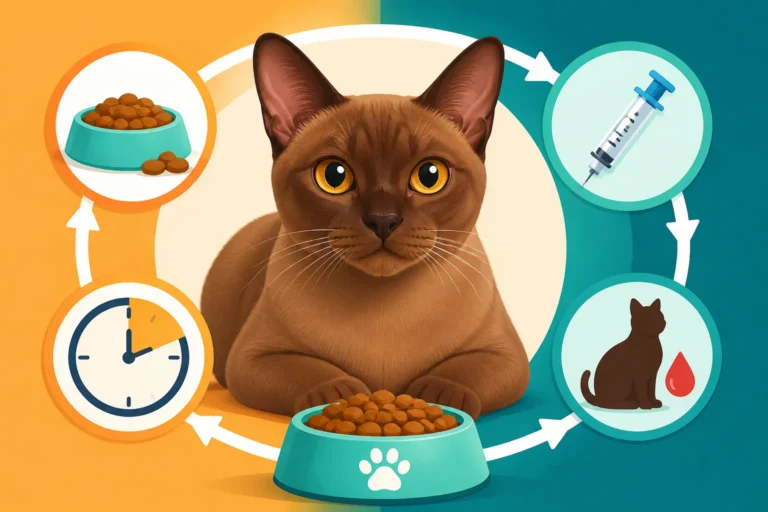
Scheduled Meals: Meals should be offered at fixed, predictable times, typically two or three times a day. If your Burmese is on insulin, these meal times must be carefully coordinated with their injection schedule. Usually, insulin is given immediately after a meal, or shortly before, to allow the insulin to start working as the food begins to be digested. Your vet will provide specific instructions for your cat's individual needs. Missing a meal or drastically altering the timing can lead to dangerous drops in blood sugar (hypoglycemia) or uncontrolled high blood sugar (hyperglycemia).
-
No Grazing, No Leftovers: Once a meal is offered, allow your Burmese a set amount of time (e.g., 20-30 minutes) to eat it. After that, remove any uneaten food. This teaches them to eat when food is available and reinforces the meal schedule. It also prevents food from spoiling, especially wet food. If your cat consistently leaves food, it could be a sign of nausea, an adverse reaction to the food, or even a dip in blood sugar, and warrants a call to your vet.
This strict regimen might feel daunting at first, especially if you're used to a more relaxed feeding routine. However, it is truly one of the most powerful levers you have in keeping your diabetic Burmese stable and healthy.
Monitoring and Adjusting the Diet
Managing feline diabetes is a dynamic process that requires ongoing vigilance and a close working relationship with your veterinarian. Your Burmese's dietary needs and insulin requirements are interconnected and will likely change over time.
-
Regular Blood Glucose Monitoring: This is the bedrock of diabetic management. Initially, your vet will conduct glucose curves in the clinic. However, with time, you might be taught how to do home glucose monitoring using a portable glucometer. Home monitoring is often less stressful for cats and provides more accurate readings because the "stress hyperglycemia" often seen at the vet clinic is avoided. These readings, along with fructosamine tests (which give an average blood glucose over 1-2 weeks), help your vet understand how well the current diet and insulin dose are working. How a Burmese Is Monitored on Insulin at Home is an essential part of the journey.
-
Weight Checks: Regularly weighing your Burmese (weekly or bi-weekly) is critical. If your cat is overweight, controlled weight loss can significantly improve insulin sensitivity, sometimes even leading to remission. If your cat is underweight, the diet needs to be adjusted to help them gain healthy muscle mass. Any unexpected weight changes should be reported to your vet.
-
Dietary Adjustments and Insulin: Based on glucose readings, weight trends, and your cat's overall health, your vet will guide you on adjusting their diet. If glucose levels are consistently high, the carbohydrate content of the food might need to be lowered further, or the caloric intake might need slight modification. Conversely, if glucose levels are too low, a slight adjustment to food or insulin might be necessary. Never change your Burmese's insulin dose without direct instruction from your veterinarian; this can be life-threatening. The goal is to find the sweet spot where their blood sugar is well-controlled with the lowest effective insulin dose, or, ideally, without insulin at all if remission is achieved. How a Burmese Goes Into Diabetic Remission often hinges on aggressive dietary management and weight loss.
-
Treats: Use Sparingly and Wisely: While it's tempting to spoil your furry friend, treats can wreak havoc on a diabetic cat's blood sugar. If you must give treats, choose extremely low-carb, protein-only options. Freeze-dried chicken or salmon pieces are excellent choices. Ensure any treats are factored into their daily caloric allowance and given at a consistent time. Avoid any treats with sugars, grains, or starchy vegetables. For a diabetic Burmese, every calorie and every carbohydrate counts.
Practical Tips and Common Challenges
Even with all the right knowledge, implementing a new dietary regimen for a diabetic Burmese can present its own set of challenges. Cats are creatures of habit and often have strong preferences. Patience, persistence, and a few clever tricks up your sleeve will be your best allies in ensuring your Burmese successfully transitions to their new, life-saving diet.
Transitioning Your Burmese to a New Diet
Switching your Burmese to a new food, especially if it's a completely different texture or flavor profile than what they're used to, needs to be done slowly and carefully. A sudden change can lead to gastrointestinal upset (vomiting, diarrhea) or, more commonly, outright refusal, which is dangerous for a diabetic cat.
Here’s a step-by-step guide for a successful transition:
- Go Slow, Slower Than You Think: This isn't a race. Over a period of 7-10 days, or even longer for particularly finicky eaters, gradually introduce the new food. Start by mixing a very small amount (e.g., 10-20%) of the new food with their old food.
- Increase Gradually: Over subsequent days, slowly increase the proportion of the new food while decreasing the old. Monitor your Burmese's eating habits and stool consistency. If you notice any digestive upset or refusal to eat, slow down the transition or even revert to the previous day's ratio for a couple of days before trying to increase again.
- Enhance Appeal: Cats eat with their noses. Warming wet food slightly (to body temperature) can enhance its aroma and make it more appealing. You can do this by adding a tiny bit of warm water or popping it in the microwave for a few seconds (stir well to avoid hot spots).
- Add Palatants (Carefully): For extremely finicky eaters, you might try adding a very small amount of low-sodium chicken broth, tuna water (packed in water, not oil), or even a sprinkle of FortiFlora (a probiotic that also seems to improve palatability for some cats) to the new food. Be mindful that anything added should be minimal and low-carb.
- Try Different Textures/Brands: If your Burmese absolutely refuses one type of low-carb wet food (e.g., pâté), try another brand or a slightly different texture, ensuring it still meets the carbohydrate requirements. Some cats prefer shredded, others chunky, but pâtés are generally easier to find in low-carb options. This is where browsing different varieties on Chewy or Amazon can be helpful, offering a broader selection to find what your cat might accept.
- Patience and Persistence: There will be days your cat might turn up their nose. It's frustrating, but stay calm and consistent. Never give in and offer their old, unhealthy food, as this teaches them that refusal works. If they refuse a meal, try again later with a fresh portion. If they skip multiple meals, contact your vet, as prolonged refusal to eat can be dangerous for a diabetic cat.
Hydration and Water Intake
Hydration is often overlooked but plays a crucial role in managing a diabetic cat. Cats with uncontrolled diabetes tend to urinate more frequently and drink more water due to the body trying to flush out excess glucose. Even with well-controlled diabetes, ensuring adequate hydration is important for kidney health and preventing dehydration.
- Wet Food as a Primary Water Source: As mentioned earlier, feeding an exclusively wet food diet significantly boosts your Burmese's daily water intake. This is often the most effective way to keep them hydrated without them even realizing it.
- Multiple Water Stations: Place several water bowls throughout your home, in different locations. Some cats prefer ceramic bowls, others glass or stainless steel. Experiment to see what your Burmese prefers.
- Water Fountains: Many cats are attracted to moving water. A filtered pet fountain can encourage increased drinking, as the running water is often perceived as fresher and more enticing.
- Add Water to Meals: You can add a tablespoon or two of warm water or low-sodium broth to your Burmese's wet food to further increase its moisture content.
- Track Water Intake: Especially in the initial stages of diabetes management, it can be helpful to monitor how much water your Burmese is drinking. This can be done by filling their bowls with a measured amount and then measuring what's left after a certain period. Significant changes (either much more or much less) can be an indicator of changes in their diabetic control or other health issues, and should be reported to your vet. Remember, Why a Burmese Drinking More Needs Testing That Week, as it's a classic symptom of uncontrolled diabetes.
By implementing these dietary and feeding strategies, you're not just providing food; you're actively participating in the management of your Burmese's diabetes, significantly improving their quality of life and potentially extending their years with you. It’s an investment of time and effort that pays dividends in their health and happiness.
Disclaimer
This article is for general informational purposes only and does not constitute professional advice. Laws, prices and regulations vary by location and change over time. Consult a qualified professional for guidance on your specific situation.