Brushing a Burmese’s Teeth Before It Loses Them
It's an unfortunate truth that many of us only truly start thinking about our cat's dental health when we get that dreaded news from the vet: "Your sweet Burmese needs a dental cleaning, and we might even have to pull some teeth." The idea of our beloved companion undergoing anesthesia for something that feels preventable can be incredibly stressful, not to mention the financial hit. This comprehensive guide is here to walk you through everything you need to know about brushing your Burmese's teeth, from understanding why it's so vital for this particular breed, to selecting the right tools, and implementing a gentle routine to help keep those pearly whites healthy and whole for as long as possible.
Why Dental Health is So Critical for Your Burmese
When it comes to our Burmese cats, their charming personalities and sleek, satin coats often steal the spotlight. But underneath that captivating exterior, there are some breed-specific nuances that make dental care even more paramount. We're not just talking about bad breath here; neglecting their oral hygiene can lead to painful, chronic conditions that severely impact their quality of life.
The Burmese Predisposition to Gum Disease
It's a frustrating reality for many Burmese owners: despite diligent care, these wonderful cats can be particularly prone to gum disease, also known as periodontal disease. This isn't just about surface-level issues; it starts silently, often below the gumline, where bacteria accumulate and cause inflammation. Imagine having inflamed, bleeding gums every day – it's uncomfortable, to say the least. For a Burmese, their jaw structure can sometimes lead to slightly more crowded teeth, creating tiny nooks and crannies where plaque and tartar can build up more easily, acting like a magnet for infection.
We often see a common pattern where a Burmese's gums recede early, exposing the sensitive roots of their teeth. This can be painful, making them hesitant to crunch on their favorite kibble or even play with toys that involve biting. You might notice them dropping food or being slower to eat, which, given their usually robust appetites, is a significant red flag. This early onset of gum recession means that preventive measures like regular brushing become non-negotiable, not just a nice-to-have. Waiting until your vet points out significant inflammation or tooth decay means the battle is already much harder, and your cat has likely been experiencing discomfort for a while.
Understanding Tooth Resorption and Its Impact
Beyond general gum disease, Burmese cats can also be susceptible to a particularly insidious condition called tooth resorption. This isn't just about cavities or plaque; it's a progressive, painful disease where the body actually starts to break down and absorb parts of the tooth structure. It’s like their own immune system is attacking their teeth from the inside out. The frustrating part? It often happens silently, beneath the gumline, making it incredibly difficult to spot in its early stages without a proper veterinary examination and dental X-rays.
When tooth resorption takes hold, it creates lesions that can be excruciatingly painful for your cat. Imagine having a sensitive spot on your tooth that’s constantly exposed or aching, and you can’t tell anyone. Affected teeth become incredibly sensitive to touch, temperature, and pressure. A cat with tooth resorption might suddenly stop enjoying crunchy treats, start favoring one side of its mouth, or become withdrawn during meal times. It’s heartbreaking to realize that your beloved Burmese might be in constant pain due to something you couldn’t see. This condition underscores why preventative dental care and regular vet check-ups are so crucial; catching and addressing these issues early can spare your cat immense suffering. How Tooth Resorption Shows Up in a Burmese offers a deeper dive into what to look for, but proactive brushing helps maintain overall oral health, making it easier for your vet to spot other issues.
The Link Between Oral Health and Overall Well-being
It might seem dramatic to say that brushing your cat's teeth can add years to their life, but it's genuinely true, especially for a breed like the Burmese. The mouth isn't an isolated part of the body; it's intricately connected to overall systemic health. When your Burmese has chronic dental disease, the bacteria present in their inflamed gums don't just stay put. They can enter the bloodstream and travel to vital organs, causing inflammation and damage elsewhere.
Think about it: those persistent bacteria can take a toll on their heart, kidneys, and liver over time. For a breed that, with proper care, can enjoy The Sixteen to Eighteen Years a Well Bred Burmese Gets, allowing dental disease to fester can significantly shorten that healthy lifespan. A healthy mouth contributes to a healthy appetite, better digestion, and a more comfortable existence. Preventing chronic pain and infection means less stress on their immune system, leaving them more energy to be their playful, affectionate selves. It’s an investment in their long-term happiness and vitality, ensuring that those golden years are truly golden, free from the discomfort of dental pain.
Recognizing the Early Warning Signs of Dental Problems
Our Burmese cats are masters at hiding discomfort. It's a survival instinct, but it means we, as their guardians, need to be extra vigilant. By the time they overtly show signs of pain, the dental problem is often advanced. Knowing what to look for, both physically and behaviorally, can help you intervene much earlier and potentially save their teeth – and your wallet!
Visible Clues: Red Gums, Tartar, and Broken Teeth
The most direct way to assess your Burmese's dental health is to get a peek inside their mouth, even if it's just a quick one. Ideally, healthy gums should be a pale pink, fitting snugly around the teeth. If you gently lift their lips and notice any redness, swelling, or bleeding along the gumline, that's a clear sign of gingivitis, the early stage of gum disease. It’s a bit like seeing a red, puffy margin around your own teeth when you haven’t brushed properly.
Then there's tartar. Plaque is a soft film of bacteria that forms daily, but if it’s not brushed away, it hardens into tartar, which is a yellowish or brownish crust, especially noticeable on the outer surfaces of the teeth, near the gumline. While some breeds are more prone to heavy tartar buildup, a healthy Burmese mouth should be relatively free of it. A small amount might be fine, but if you see significant accumulation, it’s definitely a problem. Don't forget to check for broken or chipped teeth too. While indoor Burmese are less likely to break a tooth on a bone, they can still chip them on hard toys or during an accidental fall. A fractured tooth is not only painful but also a direct pathway for bacteria to enter the pulp, leading to infection.
Behavioral Indicators: Eating Habits and Discomfort
Sometimes, the first signs of dental trouble aren't visible in the mouth itself, but rather in subtle shifts in your Burmese's behavior. Their famous appetite might become a little less enthusiastic. You might notice them approaching their food bowl with caution, perhaps sniffing it but then backing away, or taking longer to finish a meal. One of the clearest behavioral indicators is changes in how they eat. If your Burmese suddenly starts favoring one side of their mouth, tilting their head while chewing, or dropping pieces of food, it's a huge sign of oral pain. Why a Burmese That Drops Food Needs Its Mouth Checked goes into this in more detail, but essentially, it means chewing has become painful.
Beyond eating, observe their play. If they used to love hard chew toys but now ignore them, or they paw at their face or mouth frequently, that’s another strong signal something is amiss. A usually affectionate Burmese might even become a little more withdrawn or irritable if they're in constant pain. Remember, cats are incredibly stoic, so any behavioral change that suggests discomfort should be taken seriously and warrants a veterinary check-up.
Odor and Drooling: More Obvious Signs
While we all tolerate a certain level of "cat breath," truly foul breath, or halitosis, is rarely normal and is almost always a sign of underlying dental disease. It’s not just a pleasant odor; it’s the smell of bacterial overgrowth and infection. If your Burmese's breath suddenly takes on a particularly pungent, rotting, or sickly-sweet smell, it's a strong indicator that things are not right in their mouth. This kind of odor signals that bacteria are having a field day, feasting on food particles and creating sulfur compounds that smell terrible.
Excessive drooling can also be a red flag. While some drooling might occur if your Burmese is purring intensely or extremely relaxed, persistent, noticeable drooling, especially if it's tinged with blood, is a concerning symptom. This can indicate severe gum inflammation, oral injuries, or even tumors in the mouth. Sometimes, you might find wet spots around their food bowl or on their favorite sleeping spots. If you notice a combination of bad breath and increased drooling, it's time to schedule a visit to the vet immediately. These aren't just minor annoyances; they're your Burmese telling you, in the clearest way they can, that they are in pain and need help.
Essential Tools for a Successful Tooth Brushing Routine
Alright, so you're convinced that brushing your Burmese's teeth is a vital part of their care. Fantastic! Now, let's talk about getting the right gear. You wouldn't use a hammer to drive a screw, and similarly, you can't just grab your own toothbrush and toothpaste for your feline friend. Having the correct tools makes the process much safer, more effective, and far less stressful for both of you.
Choosing the Right Toothbrush for Your Burmese
When it comes to toothbrushes, size and design matter greatly for cats. Forget those huge human toothbrushes; they simply won't fit comfortably in your Burmese's mouth, especially given their relatively short muzzle. You have a few main options, and it might take a little trial and error to see which your particular Burmese tolerates best.
One popular choice is a finger brush. These are small, soft silicone or rubber brushes that slip over your finger. They offer excellent control and allow you to feel exactly where you're brushing, which can be reassuring for both you and your cat. The downside is that some cats might chew on your finger, even through the brush, if they're particularly resistant or playful. Another great option is a pet-specific toothbrush. These often have smaller heads and softer bristles, sometimes angled to better reach the back teeth. Look for one with a small head that can maneuver around their compact oral cavity. Some even come with dual heads for different tooth sizes. The key is finding one that is gentle on their gums but effective enough to remove plaque. For a Burmese, a small, multi-angled brush head designed for small mouths is usually ideal. Which Brush Head Fits a Burmese's Short Muzzle highlights the specific challenges of their jaw structure. Many pet stores and online retailers like Chewy or Amazon offer a variety of options, so you can compare designs and find what works.
Selecting a Cat-Safe Toothpaste
This is perhaps the most critical distinction: never use human toothpaste on your cat. Human toothpastes contain ingredients like fluoride, detergents, and artificial sweeteners (especially xylitol) that are toxic if swallowed by cats. Since your Burmese can't rinse and spit, they will inevitably swallow the toothpaste, making these ingredients dangerous.
Instead, you need a toothpaste specifically formulated for felines. These are enzymatic toothpastes, meaning they contain enzymes that help break down plaque and bacteria, even after you've finished brushing. They often come in flavors appealing to cats, like poultry, seafood, or malt, which can make the experience more palatable. While you might find the idea of poultry-flavored toothpaste odd, it’s designed to be a treat for your cat, not a punishment! The goal is to find Which Toothpaste a Burmese Will Actually Accept, so don't be afraid to try a couple of different flavors to see which one gets the most purrs of approval. These specialized toothpastes are widely available at pet stores, your vet's office, or online through retailers like Amazon.
Other Helpful Aids for Oral Hygiene
While brushing is the gold standard, there are a few other tools that can complement your routine, especially if your Burmese isn't quite ready for full-on brushing, or you just want to add extra layers of protection.
Dental wipes are a fantastic starting point for kittens or cats new to oral care. These are usually textured pads impregnated with dental cleansing solutions that you can simply wipe over your cat's teeth and gums. They're quick, easy, and can help remove surface plaque. They won't replace a toothbrush, but they're excellent for daily freshening and getting your cat accustomed to having their mouth handled.
Water additives are another option. These liquids are designed to be added to your cat's drinking water and contain ingredients that help reduce plaque and freshen breath. While convenient, their effectiveness can vary, and it's essential to choose a vet-approved brand and follow the dilution instructions carefully. They should never be seen as a substitute for brushing, but rather as an additional supportive measure.
Finally, dental treats or specific dental diets can play a minor role. Certain dental treats are designed with a texture that helps scrape plaque off teeth as your cat chews them. However, it's crucial to remember that many cats, including Burmese, are prone to weight gain and diabetes. So, if you're considering dental treats, you must factor them into your cat's daily calorie intake and ensure they align with a low-carbohydrate diet. Overdoing treats, even dental ones, can quickly undo good health practices. Whether Dental Treats Fit a Burmese's Calorie Ration is a key consideration, especially for a breed genetically predisposed to diabetes. Always check with your vet before introducing any new dental aid to ensure it's appropriate for your Burmese's specific health needs.
Implementing a Gentle and Effective Brushing Schedule
You've got your tools, you know the why – now for the how. Starting a tooth brushing routine might feel daunting, especially with a cat that has strong opinions, but with patience, positive reinforcement, and a consistent approach, you can absolutely make it a positive experience for your Burmese. Remember, consistency beats intensity every time.
Starting Early and Making It a Positive Experience
The absolute best time to introduce tooth brushing to a Burmese is when they are a kitten. Kittens are generally more adaptable and curious, and it’s much easier to establish good habits from a young age than to try and change adult behavior. Start with gentle handling of their mouth and gums, even before you introduce a brush or toothpaste. Simply touching their muzzle, lifting their lips, and running a finger along their gums for a few seconds can be incredibly helpful. Reward them with praise, a tiny treat (if it fits their diet), or a favorite toy immediately after these short sessions.
Introducing a Toothbrush to a Burmese at Twelve Weeks is an ideal age. Begin with very short sessions, just 10-20 seconds at first. Let them lick a tiny bit of the cat-friendly toothpaste off your finger or the brush to get used to the taste. Don't force it. If they resist, stop and try again later. The goal is to build positive associations, so your Burmese views this as a calm, even pleasant, routine, not a battle. Gradually increase the duration as they become more comfortable. A calm environment, a comfortable lap, and a gentle voice are your best allies in making this a positive bonding experience.
Step-by-Step Brushing Technique
Once your Burmese is comfortable with having their mouth handled and has accepted the taste of the toothpaste, you can begin the actual brushing. Here’s a step-by-step approach:
- Gather Your Supplies: Have your cat-safe toothpaste, a small, soft-bristled toothbrush, and perhaps a small, high-value treat ready.
- Find a Calm Spot: Choose a quiet area where both of you are relaxed. Your lap is often ideal for a Velcro cat like the Burmese.
- Position Your Cat: Gently hold your Burmese close, facing the same direction as you or with their head angled slightly away. Some people find success with the cat sitting on a counter, facing away from them.
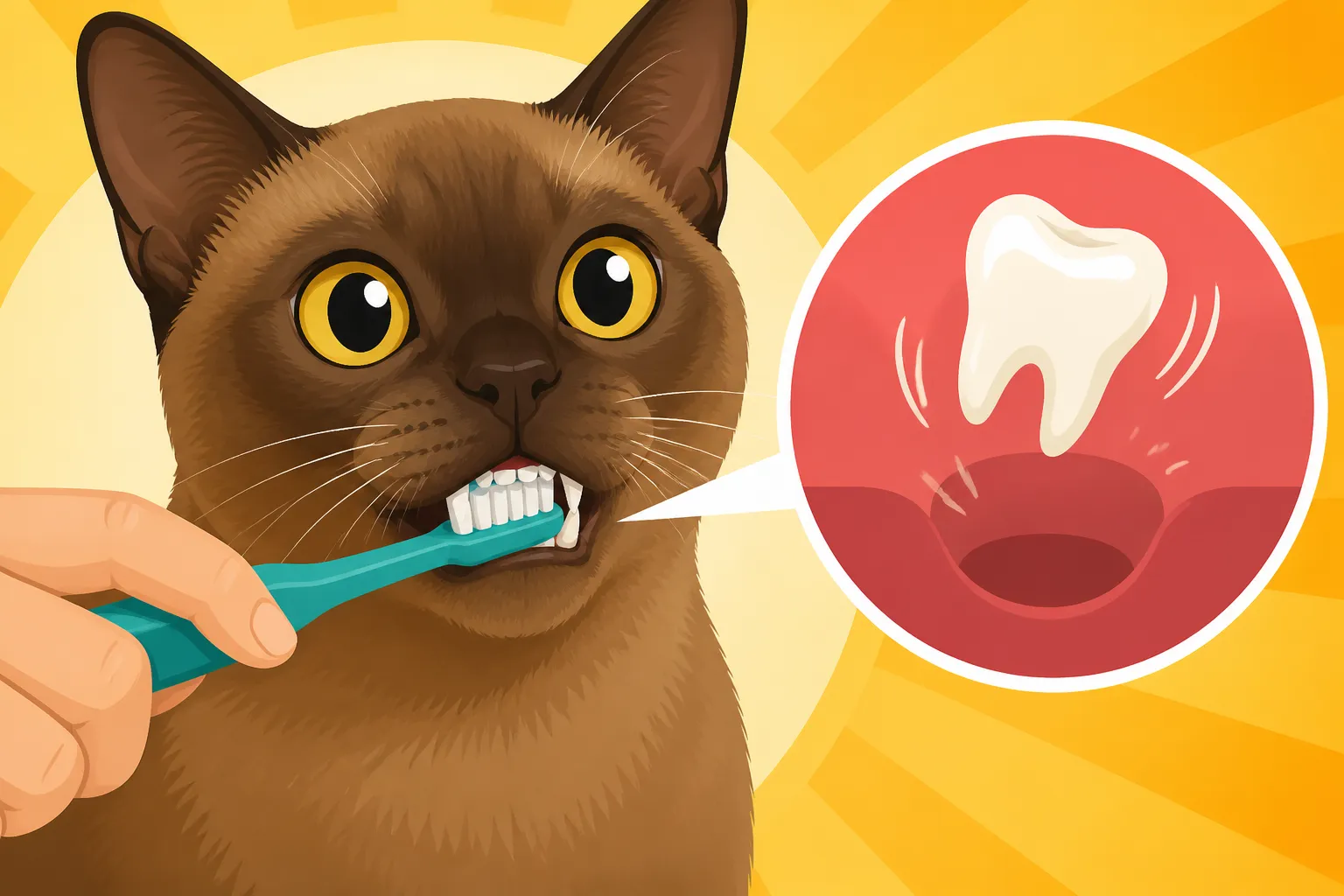
- Lift the Lip: Gently lift your cat's upper lip to expose the outer surfaces of their teeth and gums. Focus on one side at a time.
- Apply Toothpaste: Place a tiny pea-sized amount of cat toothpaste on the brush.
- Brush Gently: Using small, circular motions, brush along the gumline. Focus primarily on the outside surfaces of the teeth, as this is where plaque tends to accumulate most. Don't worry too much about the inner surfaces; your cat's tongue often keeps those cleaner. Aim for about 10-15 seconds per side.
- Reward: Immediately after brushing, offer praise and a small reward. This positive reinforcement is crucial for building good habits.
Frequency is key here. Ideally, you want to brush your Burmese's teeth daily, or at least every other day. Plaque starts to harden into tartar within 24-48 hours, so regular removal is essential. While it might seem like a lot, remember that even a quick, superficial brushing is better than none at all. Consistency, more than perfection, will yield the best results. The same principles apply to training them for other procedures, like How to Get a Burmese Used to a Glucose Check, where gentle handling and routine make all the difference.
Consistency is Key: Building a Lifelong Habit
Starting a brushing routine is one thing; sticking with it for years is another. But for a breed so prone to dental issues, consistency truly is the key to preventing problems and ensuring a healthier life. Think of it as part of your daily bonding time, just like mealtime or play. If you only brush sporadically, your Burmese will likely resist more each time, as they won't have the positive association built up through routine.
Establishing a set time each day can help. Maybe it's right after their evening meal, or before bed when they're already settled on your lap. Whatever time works for you, try to stick to it. If you miss a day, don't beat yourself up, just pick up where you left off the next day. The cumulative effect of regular, gentle brushing over weeks, months, and years is what truly makes a difference in preventing painful dental disease and potentially expensive veterinary dental procedures. It becomes just another part of the rich, loving relationship you share with your Burmese.
Beyond Brushing: Other Ways to Support Your Burmese's Oral Health
While brushing is undeniably the gold standard for maintaining your Burmese's dental hygiene, it's not the only piece of the puzzle. A holistic approach that includes diet, regular veterinary check-ups, and understanding potential interventions can provide the most comprehensive protection for their precious teeth.
The Role of Diet in Dental Health
When we talk about nutrition for a Burmese, it’s always a crucial conversation, especially considering their predisposition to diabetes. Feeding a Burmese Is a Medical Decision, Not a Preference, and this extends to dental health too. While some might think hard kibble helps scrape teeth clean, the reality is often more nuanced and, for Burmese, potentially counterproductive. Many conventional dry kibbles are high in carbohydrates, which can contribute to plaque formation by providing a sugar source for oral bacteria. More importantly, high-carb diets are a major risk factor for diabetes in Burmese cats.
Instead, focusing on a high-protein, low-carbohydrate wet food diet is generally recommended for overall Burmese health, and it can indirectly benefit their oral health. Wet food doesn't leave as much starchy residue on teeth as dry kibble, and by promoting better overall health, it reduces systemic inflammation that can exacerbate gum disease. If you're considering a “dental diet” kibble, be incredibly careful to check the carbohydrate content. Many are still too high for a diabetes-prone Burmese. Fresh food options can also be considered, but always scrutinize the nutritional analysis to ensure it aligns with a low-carb profile suitable for your breed. Why Low Carbohydrate Food Matters for a Burmese cannot be overstated, for both their metabolic health and, indirectly, their dental well-being. Discuss any dietary changes, especially for dental purposes, with your veterinarian to ensure it's appropriate for your cat's specific needs.
Professional Dental Cleanings and Examinations
No amount of home brushing, however diligent, can replace regular professional veterinary dental cleanings. Think of it like your own dental care: you brush daily, but you still go to the dentist for cleanings and check-ups, right? The same applies to your Burmese. Your veterinarian can spot subtle signs of disease that you might miss, and they have the tools to thoroughly assess the entire oral cavity, including below the gumline.
These professional cleanings involve a full examination of the mouth, often including dental X-rays to check for problems beneath the gumline, such as tooth resorption, abscesses, or bone loss. Tartar that has hardened and accumulated can only be effectively removed with specialized ultrasonic scaling equipment used by a vet. This procedure is performed under anesthesia, which allows the vet to do a thorough, pain-free job without your cat becoming stressed. The frequency of these cleanings will depend on your individual Burmese's needs, but many will require them every few years, especially as they get older. How Often a Burmese Needs a Dental is a conversation you should have regularly with your vet, tailoring the schedule to your cat's specific oral health.
Understanding Anesthesia for Dental Procedures
The thought of your precious Burmese going under anesthesia for a dental cleaning can be a source of significant anxiety for many owners. It's completely normal to feel this way. However, modern veterinary anesthesia protocols are incredibly safe, and the risks are generally very low, especially for otherwise healthy cats. For a Burmese, who are generally a robust breed, the risks are often manageable. Whether a Burmese Is a Low Anesthetic Risk generally applies, but individual factors always play a role.
Before any anesthetic procedure, your vet will perform a thorough physical examination and typically recommend pre-anesthetic bloodwork. This helps to assess your cat's organ function, ensuring they can safely metabolize the anesthetic drugs and recover well. During the procedure, your Burmese will be closely monitored by trained veterinary staff, tracking their heart rate, respiratory rate, blood pressure, and oxygen saturation. IV fluids are often administered to maintain hydration and support blood pressure. The benefits of a thorough dental cleaning and addressing painful oral disease far outweigh the small, carefully managed risks of anesthesia. It’s about ensuring your cat lives a longer, more comfortable life, free from chronic oral pain and the systemic health issues that can stem from it.
Overcoming Common Challenges and Maintaining Consistency
Even with the best intentions, maintaining a consistent dental care routine for your Burmese can present challenges. Perhaps they're not as cooperative as you'd hoped, or life just gets in the way. It's important to be realistic, patient, and persistent, knowing when to push a little and when to simply maintain.
Dealing with a Reluctant or Resistant Burmese
Let’s be honest: not every cat is going to embrace a toothbrush with open paws. Some Burmese might be resistant, especially if they weren't introduced to it early or if they’re already experiencing some oral discomfort. If your Burmese is fighting you, hissing, or trying to bite, stop immediately. Pushing too hard will only create a negative association and make future attempts even more difficult.
The key here is patience and a gradual approach. Go back to basics: simply handling their mouth, lifting their lips, and letting them lick the toothpaste off your finger. Make it super short, just a few seconds, followed by praise and a reward. Slowly, over days or even weeks, reintroduce the brush for a quick swipe. The Burmese's incredibly affectionate nature can often be leveraged here; they crave attention and connection. If you make it part of your bonding time, gentle and consistent, they might just tolerate it for the sake of being close to you. Never scold or punish. Keep it calm, positive, and know your cat's limits for the day. Some days might be better than others, and that's okay.
When to Seek Veterinary Intervention
While home care is incredibly important, there are definite times when dental issues are beyond what you can manage on your own and require immediate veterinary attention. If you notice any of the following, it’s time to call your vet right away:
- Sudden, severe bad breath combined with visible redness, swelling, or bleeding gums.
- Excessive drooling, especially if it’s bloody or persistent.
- Complete refusal to eat, or clear signs of severe pain when trying to eat.
- Paw at the mouth constantly, or rub their face on furniture excessively.
- Visible loose, broken, or discolored teeth.
- Swelling on the face, particularly under an eye or jawline, which could indicate an abscess.
- Any significant change in temperament, such as withdrawal, lethargy, or aggression, as these can be signs of pain or illness. As a breed that tends to hide discomfort, Why a Withdrawn Burmese Should See a Vet That Day applies to dental pain just as much as other ailments.
Don't wait if you suspect severe dental pain or infection. These issues can progress rapidly and cause immense suffering for your cat, not to mention potentially leading to more complex and costly treatments down the line.
Long-Term Commitment to Oral Hygiene
Think of your Burmese's dental care not as a chore, but as an ongoing act of love and commitment. Just like their diet, vaccinations, and play, it's a fundamental part of responsible pet ownership. It’s not a one-and-done solution; dental health is a lifelong journey. You might have periods where brushing is easier and others where it's a struggle, but the key is to keep coming back to it.
By dedicating even just a few minutes a day, or a few times a week, you are actively working to prevent pain, maintain their overall health, and potentially extend their vibrant life. Celebrate the small victories – a day where they tolerated the brush for longer, or a week where you didn't miss a single session. Your Burmese relies on you for their well-being, and a healthy mouth is a cornerstone of that. It's an investment that pays off in purrs, playful antics, and many more happy years together.
Dental Care Methods for Your Burmese
To help you visualize the various approaches to keeping your Burmese's mouth healthy, here's a quick comparison of different methods, along with their pros and cons. Remember, brushing is paramount, but other methods can certainly support a comprehensive oral hygiene plan.
| Method | Description | Pros for Burmese | Cons for Burmese |
|---|---|---|---|
| Manual Toothbrushing | Using a pet-specific toothbrush and enzymatic toothpaste. | Most effective for plaque removal; forms a bonding routine. | Requires training/patience; not all cats tolerate it initially. |
| Dental Wipes/Pads | Textured pads with dental solution to wipe teeth. | Easy to introduce; good for daily freshening; less intrusive. | Less effective than brushing for deep cleaning/tartar removal. |
| Water Additives | Liquid added to drinking water to reduce plaque-causing bacteria. | Very easy to administer; passive dental care. | Variable effectiveness; does not remove existing plaque/tartar. |
| Dental Treats/Chews | Specially designed treats to mechanically scrape teeth. | Can be enjoyable for the cat; some can help with very minor plaque. | Often high in carbohydrates (risk for diabetes-prone Burmese); limited effectiveness. |
| Prescription Dental Diets | Specialized kibble designed to reduce plaque. | Can be effective if cat eats it exclusively. | High carbohydrate content often unsuitable for diabetes-prone Burmese; less hydration. |
| Professional Dental Cleaning | Vet-performed scaling, polishing, and X-rays under anesthesia. | Most comprehensive cleaning; addresses sub-gumline issues. | Requires anesthesia (minor risk); higher cost; not a daily solution. |
Disclaimer
This article is for general informational purposes only and does not constitute professional advice. Laws, prices and regulations vary by location and change over time. Consult a qualified professional for guidance on your specific situation.