Why a Diabetic Burmese Needs a Bigger Box
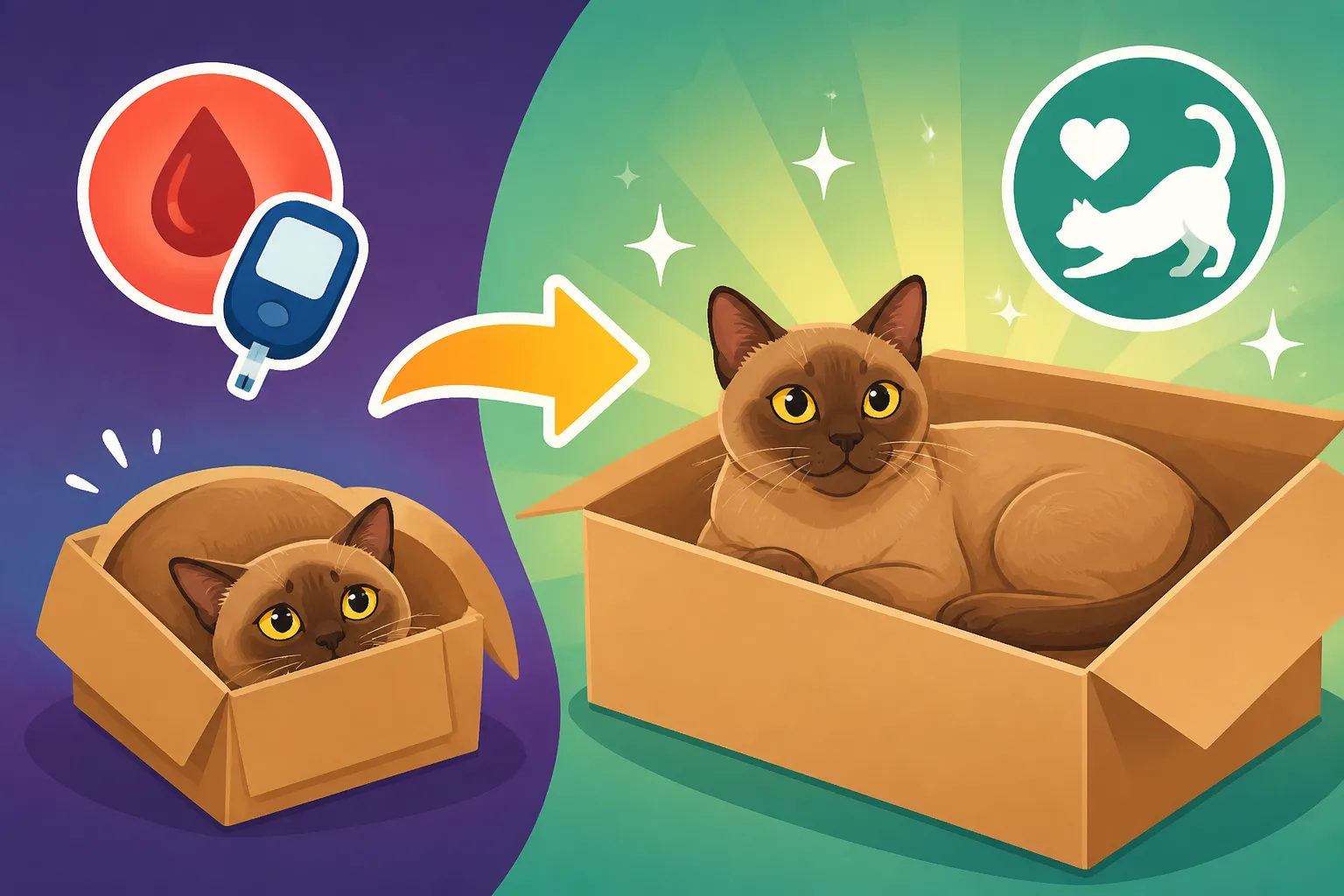
Dealing with a Burmese cat diagnosed with diabetes can feel overwhelming, especially when you start noticing significant changes in their habits – like seemingly constant trips to the litter box. It's a common and often frustrating reality that diabetic cats, particularly those whose condition isn't yet fully regulated, produce a much larger volume of urine. This guide is here to help you understand why your diabetic Burmese needs a bigger litter box and how to create a more comfortable, hygienic, and manageable environment for them.
Understanding Diabetes and Its Impact on a Burmese's Urinary Habits
One of the most immediate and noticeable signs of diabetes in a Burmese cat, or any cat, is a dramatic increase in thirst and urination. This isn't just a slight change; it's often a significant shift that can catch even the most diligent owner off guard. Understanding the physiological reasons behind this change is the first step in adapting their care to meet these new needs.
The 'Why' Behind Increased Urination Polyuria
At its core, feline diabetes mellitus means that your Burmese cat's body isn't effectively processing glucose (sugar) from their food into energy. This leads to an excess of glucose building up in their bloodstream, a condition known as hyperglycemia. When blood glucose levels become too high, the kidneys, which are normally very efficient at reabsorbing glucose, become overloaded.
Think of it like a crowded filter trying to catch too many tiny particles at once. When the glucose filter gets overwhelmed, that excess sugar starts to spill into the urine. Now, here's the kicker: glucose is an osmotic agent, meaning it pulls water with it. So, as the kidneys try to flush out that extra glucose, they end up taking a lot more water out of the body than usual. This process is called polyuria, and it's why your diabetic Burmese is suddenly producing so much more urine. You might recall this being one of the tell-tale early signs before diagnosis. Why a Burmese drinking more needs testing that week It's incredibly frustrating to find the litter box overflowing, but it's a direct symptom of their body trying to cope with unregulated blood sugar.
How Thirst Polydipsia Contributes to Litter Box Volume
The increase in urination naturally leads to a compensatory increase in thirst, known as polydipsia. Because your Burmese is losing so much fluid through excessive urination, their body signals that it needs to rehydrate. So, they drink more water, often voraciously, to try and keep up with the fluid loss.
This creates a self-perpetuating cycle: high blood sugar leads to increased urination, which leads to increased thirst, which in turn leads to even more drinking and subsequently, even more urination. The sheer volume of liquid passing through your cat's system can be staggering, especially in an uncontrolled diabetic. A normal cat might produce a few small clumps a day, but a diabetic Burmese can easily fill a standard litter box with large, heavy clumps after just one or two visits. This constant demand on their kidneys and bladder means their litter box needs are fundamentally different from those of a non-diabetic cat.
The Practical Challenges of a Standard Litter Box for a Diabetic Burmese
Before a diagnosis and the adjustments that follow, many owners find themselves bewildered by the sudden shift in litter box dynamics. What once was a manageable chore becomes a constant battle, leading to frustration for both the human and the feline resident. A standard litter box, perfectly adequate for a healthy cat, quickly proves insufficient for a diabetic Burmese.
Overflowing and Soiled Boxes A Daily Frustration
Imagine a normal-sized sponge trying to soak up a bucket of water. That's essentially what a standard litter box becomes when faced with the increased urinary output of a diabetic Burmese. The litter quickly reaches saturation point, meaning it can't absorb any more liquid. This leads to massive, wet clumps that often stick to the bottom or sides of the box, making scooping a nightmare. Even worse, the liquid can seep through the litter and collect at the bottom, creating a foul-smelling, unhygienic mess.
This constant dampness and heavy soiling contribute to a stronger, more pervasive ammonia odor in your home, no matter how often you scoop. It also increases the chances of your cat tracking soiled litter particles out of the box and onto your floors or carpets. As an owner, this can feel like a losing battle, leaving you constantly cleaning and feeling frustrated by the persistent mess and smell.
Discomfort and Avoidance for Your Burmese
Cats are inherently fastidious creatures. They have a strong instinct to keep themselves and their environment clean. A dirty, wet, or overflowing litter box is not only unappealing to them but also a source of significant stress. When a Burmese encounters a box that is already heavily used and saturated, they might hesitate to use it, or they might try to use it and end up with soiled paws.
This discomfort can quickly lead to litter box aversion, a common issue with diabetic cats. If their designated toilet area is consistently unpleasant, they will look for alternative spots that feel cleaner or more comfortable. This could be your laundry pile, a bath mat, or a quiet corner of a room. This is particularly true if your Burmese is an older cat. What an Old Burmese Slows Down From Add to this the fact that an older or arthritic Burmese might find it difficult to step into or maneuver within a small, standard-sized box, especially if it's already full. The physical discomfort combined with the psychological aversion to a dirty space is a recipe for inappropriate elimination, which is distressing for everyone involved.
Why Bigger is Better: Dimensions and Types of Larger Litter Boxes
The solution to the overflow and discomfort is relatively simple: provide more space. Moving to a larger litter box might seem like a minor adjustment, but it can make a world of difference in managing a diabetic Burmese's hygiene and comfort, and consequently, your own peace of mind.
The Ideal Size More Surface Area, More Capacity
When we talk about "bigger," we're not just talking about a slightly larger version of your existing box. We're talking about a significant upgrade in dimensions. The ideal litter box for a diabetic Burmese should offer ample surface area and depth to accommodate the increased volume of urine. A good rule of thumb is to look for boxes that are at least 30-40 inches long, 20 inches wide, and at least 10-12 inches deep. This provides more space for your cat to move around comfortably, dig, and bury their waste without feeling cramped.
These dimensions also allow for a deeper layer of litter, which is crucial for maximizing absorption. With more surface area, urine can spread out, creating more distinct clumps that are easier to scoop without saturating the entire box. While purpose-built jumbo litter boxes are available, many owners find success with creative alternatives. Large storage containers, concrete mixing tubs (often found at hardware stores), or even under-bed storage bins can be excellent, cost-effective options. Just be sure to choose ones made from cat-safe, non-toxic plastics. The added capacity means you won't need to perform full litter changes as frequently, although daily scooping remains paramount.
Open vs. Covered Comfort and Airflow Considerations
When selecting a larger litter box, you'll inevitably encounter the debate between open and covered designs. Both have their merits, but for a diabetic Burmese, an open box often presents more advantages.
Open Litter Boxes:
- Pros: Better airflow, which helps dissipate the strong ammonia odors that can accompany increased urine volume. Easier for your cat to access, especially if they are older or have mobility issues. Easier for you to scoop and clean thoroughly, allowing for better visual inspection of your cat's output.
- Cons: Less privacy for your cat (though most Burmese prioritize accessibility and cleanliness over privacy). More visible litter and potentially more tracking if not managed well.
Covered Litter Boxes:
- Pros: Can contain odors slightly better (initially) and offer more privacy. Less visible litter.
- Cons: Traps odors and ammonia inside, creating a highly unpleasant environment for your cat, which can deter them from using it. The enclosed space can feel claustrophobic, especially for a large or older cat. Harder to clean effectively, and some models might have smaller openings that are difficult for a larger cat to navigate.
Ultimately, while covered boxes might appeal to our human sensibilities for tidiness and odor containment, an open, extra-large box is generally the more comfortable and healthier choice for a diabetic Burmese, ensuring better ventilation and easier access.
Litter Management and Environmental Enrichment
Having a larger litter box is only half the battle; how you manage the litter itself, and the overall litter box environment, is equally important for your diabetic Burmese's health and happiness. Proper litter management is a key component of their daily care, directly impacting their willingness to use the box and your home's hygiene.
Choosing the Right Litter for High Volume
With the significantly increased urine output from a diabetic Burmese, your choice of litter becomes critical. You need a litter that can handle the volume without turning into a muddy, smelly disaster.
- Highly Absorbent, Clumping Litters: These are your best friends. Look for high-quality clumping litters that form hard, tight clumps quickly. This makes scooping much easier and helps to remove saturated urine completely, keeping the rest of the litter drier and fresher. Many popular brands found on Chewy or Amazon offer excellent clumping properties.
- Unscented is Best: While scented litters might seem like a good idea to combat odor, they often contain chemicals that can be irritating to your cat's sensitive respiratory system, especially with the increased ammonia produced by diabetic urine. Unscented litter is always the safer and more cat-friendly option.
- Deep Litter Bed: Don't skimp on the litter depth. Aim for at least 3-4 inches of litter in your extra-large box. This provides ample material for absorption and allows your cat to dig and bury their waste properly, minimizing direct contact with wet spots. The deeper the bed, the more spread out the clumps can be, preventing them from sticking to the bottom of the box. How much more litter a diabetic Burmese gets through
The Importance of Multiple and Accessible Boxes
Even with a super-sized litter box, a diabetic Burmese often benefits from having access to multiple boxes. The general rule of thumb for cats is "number of cats + 1" when it comes to litter boxes. For a diabetic cat, even if they are your only feline companion, consider having at least two large boxes available.
- Strategic Placement: Place boxes in easily accessible, quiet locations throughout your home. Consider placing one near where your Burmese sleeps, another in a common area, and possibly one on each floor if you have a multi-story home. This is especially important for older Burmese cats who might be slowing down due to age or conditions like arthritis. Caring for a Burmese Past Twelve They shouldn't have to travel far or navigate stairs when they have an urgent need to urinate. Make sure the boxes are not hidden away in dark corners or high-traffic areas where they might feel vulnerable or startled.
- Ease of Access: For older or less mobile Burmese, ensure the entry lip of the litter box isn't too high. If using a storage container, you might need to cut a lower entry point on one side (sanding any rough edges smooth, of course) to make it easier for them to step in and out comfortably.
Maintaining Hygiene and Odor Control
With increased urine volume, maintaining impeccable hygiene is non-negotiable. This benefits both your Burmese and your home environment.
- Frequent Scooping: Scoop the litter box at least twice a day, ideally more often if possible. For some diabetic cats, you might find yourself scooping every few hours to keep the box clean and appealing. The goal is to remove wet clumps and soiled waste as soon as possible.
- Regular Full Litter Changes: Even with frequent scooping, the remaining litter will eventually become saturated with microscopic urine particles and odors. A full litter change, where you empty out all the old litter, wash the box thoroughly with mild, unscented soap and water, and refill it with fresh litter, should be done at least once a week, possibly more frequently depending on your cat's output. Make sure the box is completely dry before adding new litter.
- Enzymatic Cleaners for Accidents: If your Burmese does have an accident outside the box (which can happen, especially early in their diabetes management), use an enzymatic cleaner specifically designed for pet urine. These cleaners break down the uric acid crystals, eliminating the odor completely and discouraging your cat from returning to that spot. Regular household cleaners might mask the smell to humans, but cats can still detect it, marking it as an acceptable toilet area.
Connecting Litter Box Changes to Overall Diabetes Management
While addressing the immediate practical needs of a larger litter box is crucial, it's also important to see these changes as part of the bigger picture of your Burmese's diabetes management. The litter box can actually provide valuable insights into how well their condition is being controlled.
Monitoring Urinary Output as a Health Indicator
The volume and frequency of your Burmese's urination are direct indicators of their blood glucose control. If your cat's diabetes is well-regulated, you should notice a significant decrease in both their thirst and the amount of urine they produce. The clumps in the litter box will become smaller and less frequent, more akin to that of a healthy cat.
If you observe that your Burmese is suddenly producing exceptionally large clumps again, or is making many more trips to the box than usual, it can be a sign that their blood glucose levels are elevated. This could indicate that their insulin dose needs adjustment, their diet isn't quite right, or there's another underlying issue. It's essential to keep an eye on these changes and report them to your veterinarian. This observational data from the litter box is an invaluable tool for your vet when fine-tuning your cat's treatment plan. How a Burmese is monitored on insulin at home Your diligent observation can literally make a difference in their ongoing health.
The Role of Diet in Reducing Urinary Load
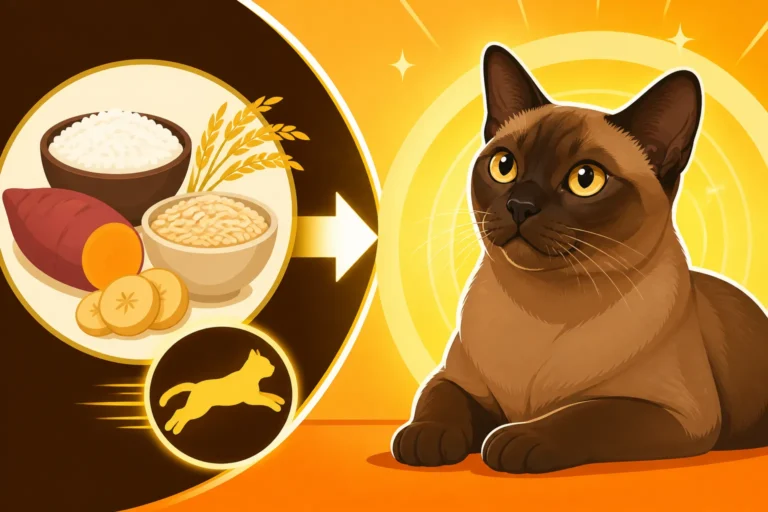
Diet plays an absolutely critical role in managing feline diabetes, and by extension, in reducing the excessive urination. A high-protein, low-carbohydrate wet food diet is often recommended for diabetic cats because it helps to stabilize blood glucose levels. When your Burmese consumes fewer carbohydrates, there's less glucose entering their bloodstream, which means less excess glucose for the kidneys to try and process and excrete.
Transitioning to such a diet can lead to a noticeable decrease in polyuria and polydipsia. Less glucose spilling into the urine means less water being pulled out of the body, which then reduces the need for constant drinking. This directly translates to smaller, more manageable urine clumps in the litter box. Many low-carbohydrate wet food options can make a huge difference. Why low carbohydrate food matters for a Burmese Always consult your vet before making significant changes to your diabetic Burmese's diet, as it needs to be carefully coordinated with their insulin regimen. The goal is not just to manage the litter box, but to manage the disease itself, and diet is a powerful lever in that process.
| Feature | Standard Litter Box | Large/Diabetic-Friendly Litter Box |
|---|---|---|
| Typical Size | ~18-20" L x 14-16" W x 4-6" D | ~30-40" L x 20-24" W x 10-14" D (or larger) |
| Capacity | Low; quickly saturates with diabetic urine | High; accommodates larger volumes without overflow |
| Ease of Scooping | Difficult; clumps stick to sides/bottom, spreads | Easier; distinct clumps, more surface area |
| Odor Control | Poor; ammonia builds up quickly in saturated litter | Better; more litter depth, better ventilation (open) |
| Cat Comfort | Cramped; may cause aversion, especially for older cats | Spacious; comfortable movement, reduces avoidance |
| Human Frustration | High; constant cleaning, odor issues, accidents | Lower; less frequent full changes, easier scooping |
| Cost | Lower initial cost | Higher initial cost (or creative DIY options) |
Disclaimer
This article is for general informational purposes only and does not constitute professional advice. Laws, prices and regulations vary by location and change over time. Consult a qualified professional for guidance on your specific situation.