Why an Old Burmese’s Appetite Should Be Watched Closely
It's incredibly disheartening to watch your beloved Burmese cat, who has always approached mealtime with such gusto, suddenly become a reluctant eater as they age. This shift isn't just a sign of them getting older; it's often a critical indicator that something deeper, and potentially serious, is at play. This comprehensive guide will walk you through why a close watch on your senior Burmese's appetite is paramount, what subtle changes to look out for, and how to proactively support their health through their golden years.
The Subtle Shifts in an Older Burmese's Appetite
As our cherished Burmese companions enter their senior years, typically around seven or eight years old, we start to notice changes. Their boundless energy might wane a little, their naps might get longer, and their coat might not have quite the same vibrant sheen. But one of the most significant, and often overlooked, changes can be in their eating habits. A Burmese is a famously food-motivated cat, so any deviation from their usual enthusiastic approach to meals should set off an internal alarm.
It's easy to dismiss a slight dip in appetite as "just old age" or attribute a new fussiness to a suddenly developed preference. However, for a breed as typically robust and eager about food as the Burmese, these subtle shifts are rarely benign. They are often whispers from their body, trying to tell you that something isn't quite right. Learning to interpret these whispers can make all the difference in catching potential health issues early, which is absolutely crucial for managing conditions effectively in senior cats.
Why "Pickiness" Can Be a Red Flag
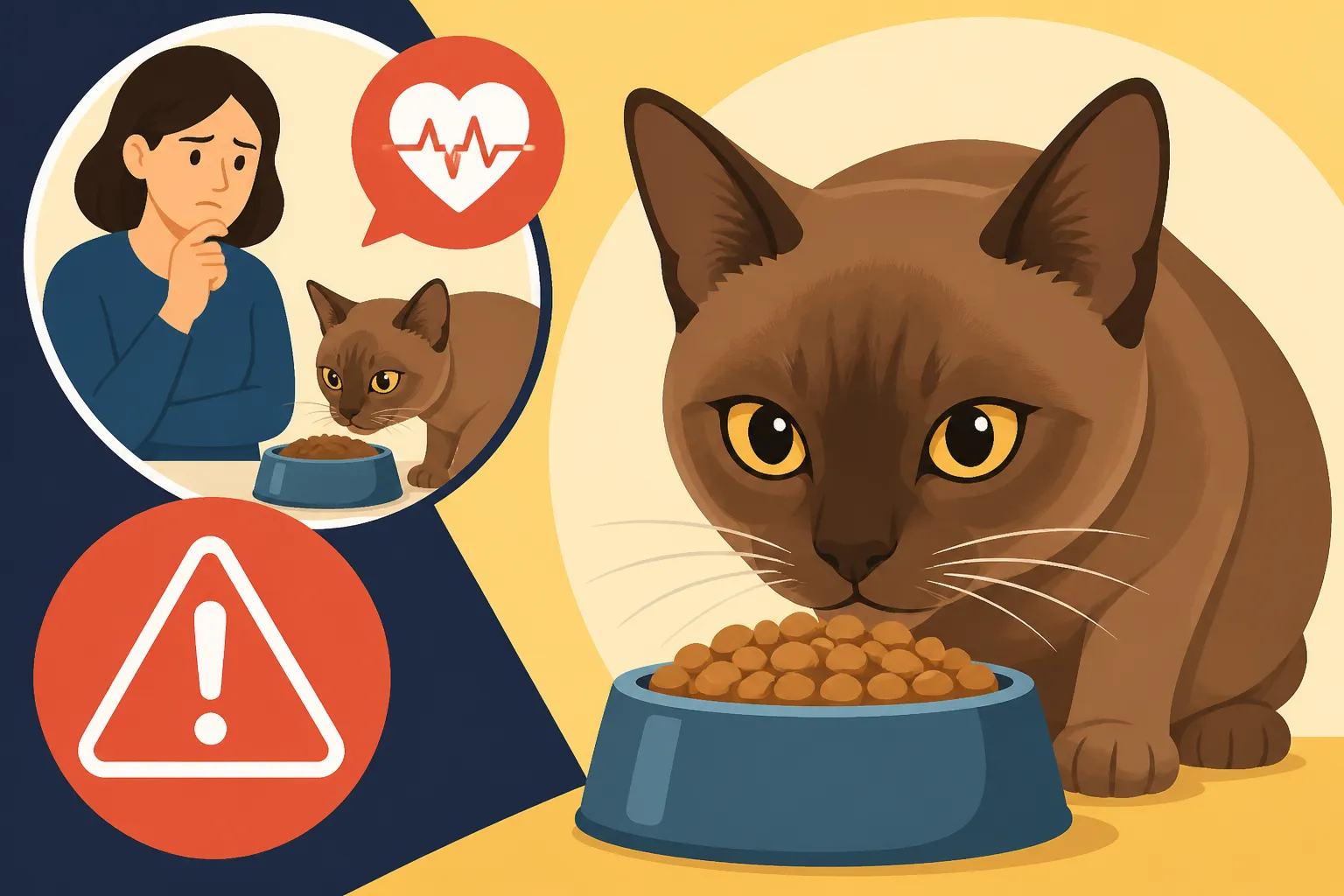
A Burmese that turns up its nose at its usual dinner, or only eats a small portion of it, isn't typically being finicky for the sake of it. Unlike some breeds that might genuinely develop a preference for certain flavors or textures, a Burmese with a previously strong appetite that suddenly becomes "picky" is often signaling discomfort or illness. They might approach the bowl, sniff it intently, perhaps even take a tentative lick, only to walk away, as if deciding it's not worth the effort or the potential pain.
This isn't about them being spoiled or demanding a gourmet meal. It could be that chewing has become painful, digestion is causing nausea, or their sense of smell, which guides their appetite, is dulled due to congestion or other factors. For example, if your Burmese always devoured their wet food but now hesitates, consider if a dental issue is making the act of chewing uncomfortable. Why a Burmese's Gums Recede Early is a common problem in the breed, and that discomfort can manifest as pickiness. Never assume it's just a phase; for an older Burmese, it's a call for investigation.
Tracking Changes: More Than Just the Bowl
Simply noting whether the food bowl is empty isn't enough when monitoring a senior Burmese's appetite. You need to become a detective, observing not just if they're eating, but how much, how fast, what they prefer, and any associated behaviors. Did they eat half their usual portion? Did they take a long time to finish it, or did they rush through it only to vomit later? Are they suddenly rejecting a particular flavor or texture they once loved?
Keeping a simple food diary can be incredibly helpful. Jot down the time of meals, the amount offered, the amount consumed, and any observations like sniffing, hesitancy, or subsequent vomiting. Also, track their water intake – a sudden increase can be a critical sign of diabetes or kidney issues. Monitoring their energy levels, litter box habits, and overall demeanor alongside their eating can paint a much clearer picture for your veterinarian. These detailed notes will be invaluable in diagnosing any underlying problems.
Common Health Issues That Impact Senior Burmese Appetite
As our beloved Burmese move into their senior years, they become more susceptible to certain age-related health conditions, many of which directly impact their desire and ability to eat. Understanding these common culprits can help you recognize the signs earlier and seek prompt veterinary care, leading to better outcomes for your cat. Don't fall into the trap of thinking these are "just part of aging" – many are manageable or treatable, especially when caught early.
The challenge with cats, and Burmese cats in particular, is their incredible ability to mask illness. Their affectionate nature might even lead them to purr and seek attention even when they're feeling quite unwell. This makes observing subtle changes in routine, like appetite, absolutely vital. You are their best advocate, and your vigilance is their frontline defense against diseases that could quietly progress if ignored.
Dental Pain: The Silent Appetite Killer
Few things are as effective at dampening a cat's enthusiasm for food as dental pain. Older Burmese are particularly prone to various dental issues, including gingivitis, periodontal disease, and tooth resorption. Imagine trying to eat your favorite meal with a throbbing toothache or inflamed gums; it's simply not enjoyable, and for a cat, it can be unbearable. They might want to eat, but the act of chewing becomes excruciating.
This pain often manifests not as a complete refusal to eat, but as a slow, cautious approach to food, dropping kibble, chewing primarily on one side of the mouth, or preferring softer foods over crunchy ones. Sometimes, they might even seem hungrier than usual, approaching the bowl repeatedly, only to back away because of the discomfort. Regular dental check-ups are absolutely essential as they age, even if you don't notice obvious signs. How Often a Burmese Needs a Dental is more frequent than you might think for an older cat, and a routine cleaning under anesthesia can make a world of difference to their quality of life and appetite.
Kidney Disease and Its Impact on Hunger
Chronic Kidney Disease (CKD) is unfortunately a common ailment in older cats, and Burmese are no exception. As the kidneys gradually lose their ability to filter waste products from the blood, toxins build up in the system. This accumulation of toxins can lead to nausea, stomach upset, and a general feeling of malaise, all of which severely dampen appetite. Cats with CKD often feel chronically unwell, making food unappealing.
A reduced appetite in an older Burmese, especially when accompanied by increased thirst and urination, can be a major red flag for kidney issues. They might also appear lethargic or lose weight despite eating some food. Early diagnosis through blood and urine tests is critical, as dietary management and other therapies can slow the progression of the disease and improve their comfort. If you notice your senior Burmese drinking more water or spending more time in the litter box, alongside their reduced appetite, discuss How Kidney Disease Arrives in an Old Burmese with your vet without delay.
Hyperthyroidism: A Hungry Cat That Still Loses Weight
Hyperthyroidism is another prevalent endocrine disorder in senior cats that can significantly impact appetite, but in a peculiar way. Unlike many conditions that cause a decrease in appetite, hyperthyroidism often leads to an increased appetite – sometimes voracious hunger – yet the cat still loses weight. This is because their metabolism is dramatically sped up, burning calories at an accelerated rate, preventing them from gaining or even maintaining weight despite eating more.
While a ravenous appetite might seem like a good thing, it's a deceptive sign when paired with weight loss, hyperactivity, or a greasy, unkempt coat. It signals a serious underlying issue that needs immediate attention. If your older Burmese suddenly seems constantly hungry, perhaps even stealing food, but feels thinner or bonier when you pet them, it's crucial to get their thyroid levels checked. Why Hyperthyroidism Catches an Older Burmese is often missed initially because owners are pleased their cat is still eating so well, not realizing the danger lurking beneath the surface.
Diabetes Management and Appetite Fluctuations in Senior Burmese
The Burmese breed is unfortunately predisposed to diabetes, making careful monitoring of appetite even more critical as they age, especially if they are already diagnosed or at risk. Managing diabetes in a cat is a delicate balance, and any changes in their food intake can have significant, even life-threatening, consequences for their blood sugar levels.
This isn't just about ensuring they get enough food; it's about getting the right amount of food at the right time to coordinate with their insulin injections. Missing a meal, eating too little, or even eating too much can throw their finely tuned glucose management completely off balance, leading to dangerous highs or lows. As an owner, you become a crucial part of their medical team, and your observations of their appetite are invaluable.
The Interplay of Insulin and Meal Times
For a diabetic Burmese, meal times are not just about satisfying hunger; they are a critical component of their medical treatment. Insulin is typically given shortly after a meal, or with food, to help their body utilize the glucose from that meal. If your diabetic Burmese doesn't eat their full portion, or refuses it entirely, administering the usual dose of insulin can be incredibly dangerous, potentially leading to a severe drop in blood sugar (hypoglycemia).
This means that any hesitation or reduction in appetite becomes an immediate concern. It's not just about getting calories in; it's about maintaining a consistent schedule and intake that complements their insulin therapy. Your vet will provide specific instructions on how to adjust insulin if your cat doesn't eat, but the first step is always noticing that change in appetite. How to Feed a Burmese on Insulin Around Its Injections requires precision and consistency, and any deviation in appetite demands your immediate attention and often a call to your veterinarian.
Recognizing Hypoglycemia and Hyperglycemia in Appetite
Appetite changes can be both a cause and a symptom of blood sugar imbalances in a diabetic Burmese. When blood sugar levels drop too low (hypoglycemia), your cat can become weak, disoriented, wobbly, and may even have seizures. Ironically, one of the early signs of impending hypoglycemia can be a sudden, frantic hunger, followed by refusal to eat as they become weaker. This sudden switch is a medical emergency.
Conversely, if blood sugar levels are too high (hyperglycemia), often due to inadequate insulin or missed meals, your Burmese might exhibit a poor appetite, lethargy, increased thirst, and frequent urination. They simply feel unwell. It's a vicious cycle where feeling unwell leads to not eating, which complicates insulin dosing, leading to further imbalance. Understanding What a Hypoglycemic Burmese Looks Like is crucial, but recognizing the appetite changes that precede or accompany these states can allow for intervention before a full crisis develops. Always consult your vet if you observe significant appetite changes in a diabetic Burmese; never try to adjust insulin doses on your own without their guidance.
Other Factors Affecting an Older Burmese's Food Intake
While medical conditions often lie at the root of appetite changes in senior Burmese, it's important to remember that other, non-medical factors can also play a role. These can range from environmental stressors to the side effects of medications they may be taking for other age-related issues. Our older cats can be creatures of habit and comfort, and disruption to their world can sometimes manifest as a reluctance to eat.
It's about looking at the whole picture of your cat's life. While you should always rule out medical causes first, understanding these additional factors can help you create a more stable and comfortable environment for your senior companion, fostering a healthier appetite and overall well-being. Sometimes, small adjustments can make a big difference in encouraging them to eat.
Stress, Environment, and the Emotional Eater
Burmese cats are renowned for their affectionate, "Velcro" personalities, thriving on routine and close human companionship. As they age, they can become even more sensitive to changes in their environment or household dynamics. A new pet, a new person in the home, moving furniture, loud noises, or even changes in your own routine can cause significant stress. For a senior Burmese, this stress can absolutely translate into a reduced appetite. They might feel anxious, withdraw, and simply lose interest in food.
Think about it: an older cat may feel less resilient to change. If their favorite feeding spot is now in a high-traffic area, or if they're being pestered by a new kitten, they might not feel safe or comfortable enough to eat. Sometimes, simply moving their food bowl to a quiet, secure location, or ensuring they have exclusive, uninterrupted access to their meals, can help. Their emotional well-being is deeply intertwined with their physical health, and a happy, calm Burmese is generally a well-eating Burmese.
Medication Side Effects and Appetite Suppression
As cats age, they often begin to require various medications to manage chronic conditions like arthritis, kidney disease, or heart issues. While these medications are vital for their quality of life, some can unfortunately come with side effects, including nausea or a general suppression of appetite. It's a tricky balance, as the medication is necessary, but its side effects can inadvertently create another problem.
If your senior Burmese has recently started a new medication and you notice a decrease in appetite, it's crucial to discuss this with your veterinarian. They might be able to adjust the dosage, change the medication, or prescribe an appetite stimulant to counteract the side effect. Never stop a prescribed medication without veterinary guidance. Instead, keep a detailed record of when the medication was started, when the appetite change occurred, and any other symptoms, to help your vet make an informed decision.
Practical Steps for Monitoring and Supporting Your Senior Burmese's Appetite
Observing your senior Burmese's appetite is just the first step; taking proactive measures to monitor and support their food intake is equally important. Your involvement in their daily care is paramount, especially as they enter their golden years and become more vulnerable to illness. A systematic approach to tracking their eating habits, combined with thoughtful environmental adjustments and timely veterinary consultation, can significantly improve their quality of life.
Remember, consistency is key. Cats thrive on routine, and older cats especially benefit from predictable meal times and environments. These practical steps empower you to be the best possible caregiver for your aging Burmese, ensuring they continue to enjoy their food and maintain optimal health for as long as possible.
The Power of a Food Diary and Regular Weigh-Ins
I cannot stress enough the value of a food diary and consistent weigh-ins for an older Burmese. It sounds tedious, but it provides objective data that can reveal trends you might otherwise miss. Simply record:
- Date and Time: For each meal.
- Food Type and Amount Offered: Be specific (e.g., "3 oz canned salmon pate," "1/4 cup kibble").
- Amount Consumed: Estimate as accurately as possible (e.g., "half eaten," "picked at," "all gone").
- Water Intake: Note if you see them drinking more or less.
- Observations: Any hesitancy, vomiting, changes in stool, or unusual behaviors around the food bowl.
Couple this with weekly or bi-weekly weigh-ins. Even a slight weight loss, especially in a muscular breed like the Burmese, can be significant. How to Weigh a Burmese Accurately at Home using a simple kitchen scale (for smaller cats) or by weighing yourself, then yourself holding the cat, can give you consistent data. This detailed information, coupled with How Often a Healthy Adult Burmese Needs Checking by a vet, provides a comprehensive overview of your cat's health trajectory and helps catch subtle declines early.
Making Mealtime Appealing Again
If your senior Burmese is showing a reduced appetite, and once serious medical issues have been ruled out or are being managed, there are several things you can try to make mealtime more enticing. These simple strategies can sometimes stimulate a reluctant eater:
- Warm the Food: Heating wet food slightly (to body temperature) in the microwave (stir well to avoid hot spots!) can enhance its aroma, making it more appealing.
- Offer Variety: While routine is good, sometimes a new flavor or texture can spark interest. If your cat usually eats pate, try chunks in gravy, or vice versa. Many high-quality brands are available, and you might find something new your cat loves among options that cater to dietary needs.
- Elevate the Bowl: Some older cats with arthritis or neck pain find it more comfortable to eat from an elevated bowl.
- Quiet and Private Dining: Ensure their eating area is quiet, safe, and away from other pets or household commotion.
- Appetite Stimulants: Your vet might prescribe an appetite stimulant if underlying conditions are being addressed but appetite remains low.
- Hydration: Always ensure fresh water is available. A water fountain might encourage drinking, which is crucial for kidney health, especially in senior cats.
A cat that feels comfortable and stimulated often eats better. Experiment with what works best for your individual Burmese.
When to Consult the Vet: Don't Wait
The golden rule for any change in a senior Burmese's appetite is: when in doubt, call the vet. Given their propensity to hide illness, waiting until symptoms are severe is never advisable. If you notice any significant or persistent changes in your Burmese's eating habits – whether it's refusing multiple meals, extreme pickiness, sudden ravenous hunger with weight loss, or changes accompanied by other symptoms like lethargy, vomiting, diarrhea, increased thirst, or hiding – it's time to make that appointment.
Even subtle, long-term declines in appetite should be discussed during routine check-ups. Remember, conditions like diabetes and kidney disease, though common in aging Burmese, are often manageable if caught early. Your vet can perform a thorough examination, blood work, and urine analysis to pinpoint the cause. Why a Withdrawn Burmese Should See a Vet That Day is a testament to the urgency needed when a usually social cat shows unusual behavior, including appetite loss. Providing them with Caring for a Burmese Past Twelve often means being extra vigilant about these crucial indicators of health.
Disclaimer
This article is for general informational purposes only and does not constitute professional advice. Laws, prices and regulations vary by location and change over time. Consult a qualified professional for guidance on your specific situation.