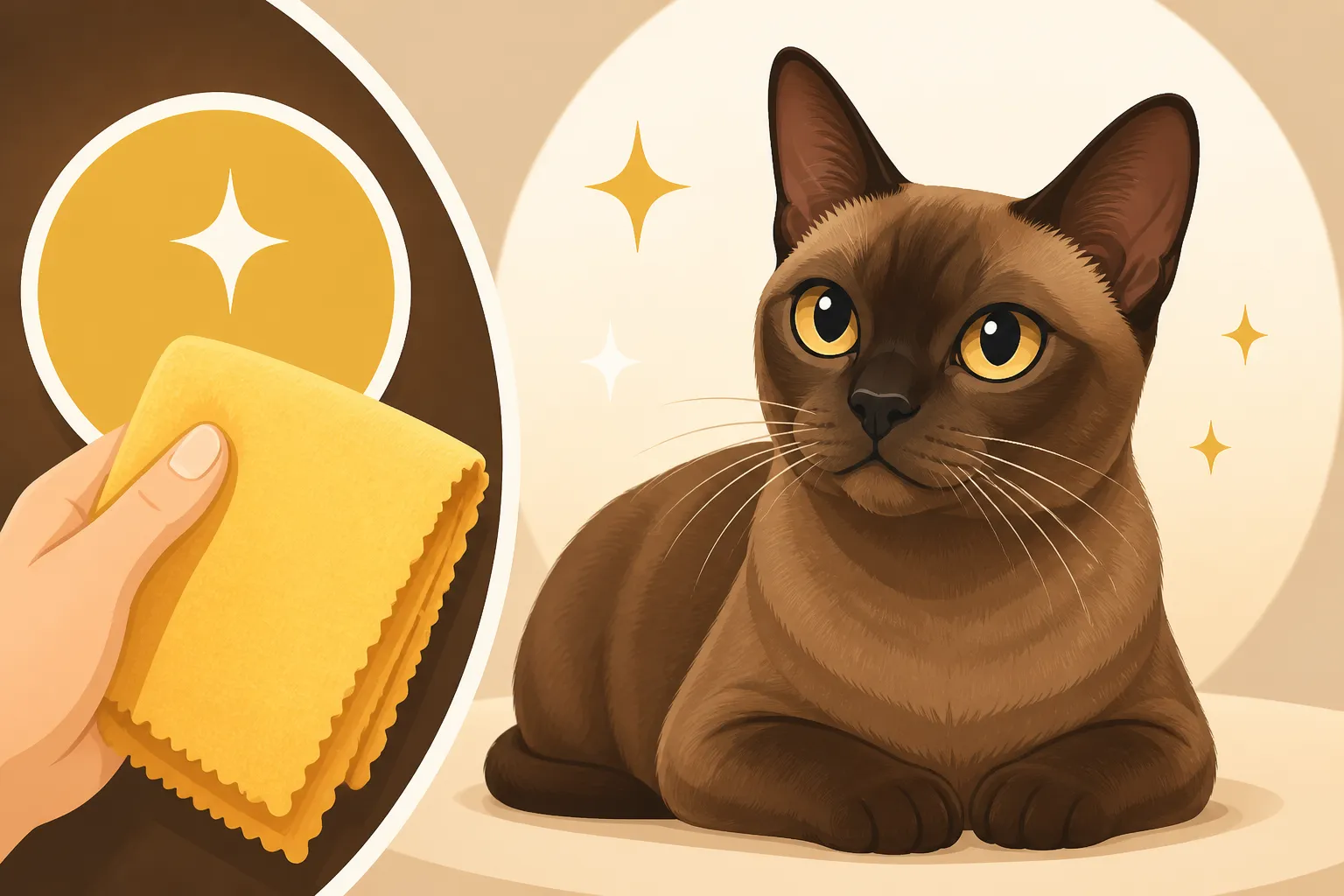
Why a Weekly Chamois Is All a Burmese Needs
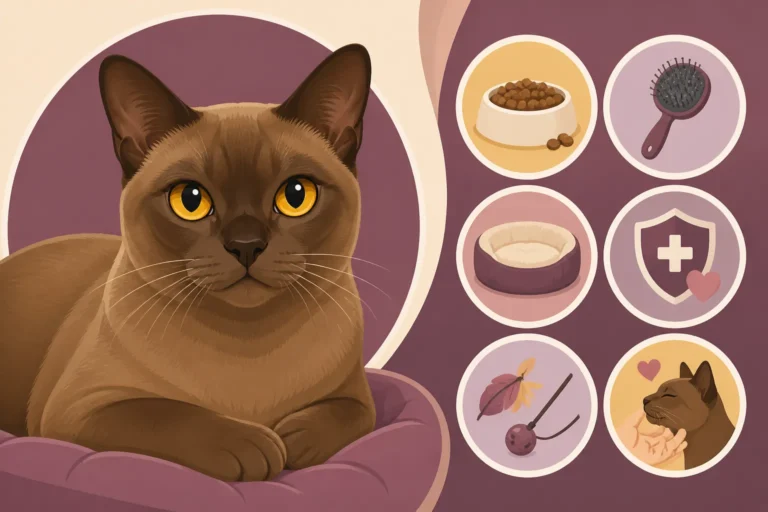
If you're a proud parent to a gorgeous Burmese cat, you know their coat isn't like other felines. You might even find yourself staring at that impossibly short, sleek fur and wondering, "How do I even groom this?" It’s a common frustration, especially when every pet store aisle is brimming with brushes designed for fluffier breeds. This guide is here to tell you that for your Burmese, less is truly more when it comes to coat care, and the humble chamois cloth is often all you really need to keep that stunning satin shine.
The Burmese's Unique Satin Coat: A Low-Maintenance Marvel
When you run your hand over a Burmese, it’s an experience unlike touching any other cat. That distinctive "satin" feel isn't just a fancy description; it's a fundamental characteristic of the breed, a testament to its unique genetic makeup. This isn't a coat that demands hours of brushing or intricate de-shedding routines, and understanding its nature is the first step to appreciating its simplicity.
How Short a Burmese's Coat Actually Is
The Burmese boasts one of the shortest, finest coats in the entire feline world. Imagine velvet, but even smoother and closer to the skin – that's the Burmese coat. There’s virtually no undercoat, which is a significant departure from most other cat breeds, especially those fluffy Persians or even the moderately-coated domestic shorthairs. This lack of an insulating layer is partly why these affectionate felines are often seeking out the warmest spot in the house, usually your lap or under the duvet! It also means that individual hairs lie incredibly flat against the body, creating that streamlined, muscular silhouette they are famous for. How Short a Burmese's Coat Actually Is
Why a Burmese's Coat Feels Like Satin
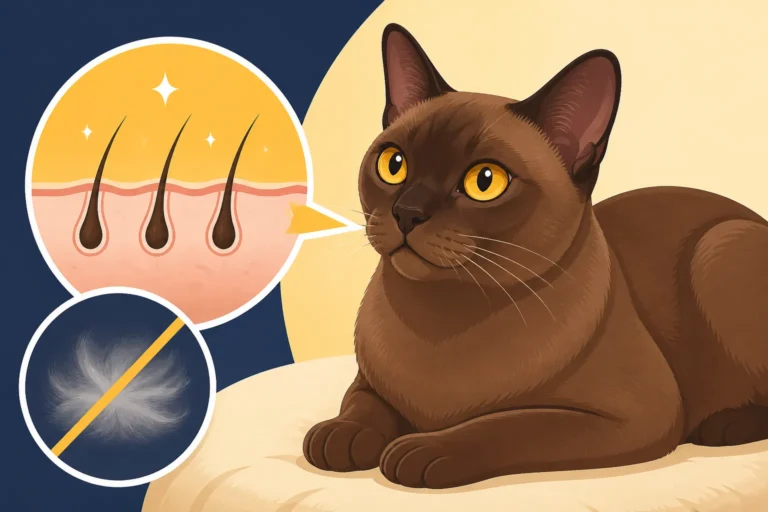
That luxurious satin feel isn't just a coincidence; it's a direct result of the unique structure of their individual hair shafts. Each hair is incredibly fine and lies perfectly flat, without the usual kinks or waves you might find in other breeds. There’s also a high natural sheen to the fur, which catches the light beautifully, making their rich colors shimmer. This combination of extreme fineness, flatness, and natural luster is what gives the Burmese its signature "satin" touch. It's a coat designed for elegance and minimal fuss, which is a breath of fresh air for busy cat owners. Why a Burmese's Coat Feels Like Satin
How Little Hair a Satin Coated Burmese Leaves Behind
One of the great joys of living with a Burmese is the remarkably low amount of shedding you'll contend with. Because they lack a dense undercoat and their individual hairs are so fine, they don't produce the copious amounts of loose fur that many other breeds do. You won't find tumbleweeds of cat hair rolling across your floors or a thick layer on your furniture in the same way you might with a long-haired cat. However, even though they shed minimally, their very short, flat-lying coat can still highlight any loose hairs that do appear, making them surprisingly visible against the sleek backdrop. This is where the simple act of a weekly wipe-down comes into its own. How Little Hair a Satin Coated Burmese Leaves Behind
Why Most Grooming Tools Miss the Mark for a Burmese
It’s tempting to grab all those fancy brushes and de-shedding tools you see advertised, but for a Burmese, many of these are utterly redundant or even counterproductive. Their unique coat structure means that what works wonders for a Maine Coon or even a standard domestic cat just doesn't apply here. Investing in the wrong tools is not only a waste of money but can also be an uncomfortable experience for your cat.
Why a Slicker Brush Is Wasted on a Burmese
Slicker brushes, with their fine, wire bristles, are fantastic for penetrating dense undercoats and removing mats from longer-haired breeds. But take one to a Burmese, and you’ll quickly realize it’s like trying to brush water. The bristles have nothing to "catch" onto because there's no undercoat to speak of, and the topcoat is too short and flat. Instead of efficiently removing loose fur, you're more likely to irritate their delicate skin or simply glide uselessly over their sleek surface. It’s an exercise in futility for both you and your feline friend. Why a Slicker Brush Is Wasted on a Burmese
Why a Deshedding Tool Is Pointless on a Burmese
Tools designed for de-shedding, often featuring specialized blades or combs, are engineered to pull out the loose undercoat that accumulates in many cat breeds. Think of them as miniature rakes for fur. Given that the Burmese practically defines the term "no undercoat," using such a tool would be entirely pointless. There’s simply no hidden layer of fur for these tools to extract. At best, you’d be scraping their skin; at worst, you could cause discomfort or even minor abrasions without achieving any benefit whatsoever. Save those tools for your retriever, not your Burmese. Why a Deshedding Tool Is Pointless on a Burmese
Why a Burmese's Coat Shows Every Loose Hair
Despite their minimal shedding, a Burmese's short, flat-lying coat has an interesting characteristic: it makes every single loose hair quite noticeable. On a fluffier cat, a shed hair might blend into the existing fur or get trapped within the undercoat until brushed out. With a Burmese, there's nowhere for stray hairs to hide. They lie directly on the surface, making them stand out against the smooth, uniform backdrop. This is why a simple, regular wipe-down is so effective – it easily lifts those few, visible loose hairs before they have a chance to transfer to your clothes or furniture. Why a Burmese's Coat Shows Every Loose Hair
The Simple Secret: Harnessing the Power of a Chamois
So, if traditional brushes are out, what’s the secret weapon for maintaining that stunning Burmese coat? It's a tool that's probably already in your garage for detailing your car: a chamois cloth. This soft, absorbent piece of material is perfectly suited to the Burmese’s unique fur, transforming grooming from a chore into a quick, pleasant bonding experience.
Which Chamois Brings Up a Burmese's Satin Shine
When we talk about a chamois, we're referring to those incredibly soft, absorbent cloths traditionally used for drying and polishing cars without leaving streaks. They can be genuine leather chamois or, more commonly and just as effectively, synthetic microfiber versions. For your Burmese, either type works wonderfully. The key is its ultra-fine texture and its ability to gently grab loose hairs and dust while simultaneously polishing the coat to a brilliant sheen. You'll want one that's clean and slightly damp – not soaking wet, just enough to add a little static cling for those loose hairs and to help buff the coat. You can find excellent quality chamois cloths easily on sites like Amazon or even at your local auto supply store. Which Chamois Brings Up a Burmese's Satin Shine
Here's a quick comparison of grooming tools for different cat coat types:
| Grooming Tool | Best For | Why It Works | Not Recommended For Burmese |
|---|---|---|---|
| Slicker Brush | Long-haired, dense undercoats | Penetrates fur, detangles, removes loose undercoat. | No undercoat to penetrate, can irritate skin. |
| Deshedding Tool | Dense undercoats, heavy shedding | Special blades pull out dead undercoat efficiently. | No undercoat to remove, can damage topcoat. |
| Pin Brush | Medium-long to long coats | Detangles and removes loose hair from topcoat. | Too coarse for the very short, fine Burmese coat. |
| Rubber Curry Brush | Short-haired (some breeds) | Massages skin, stimulates circulation, removes loose hairs. | Can be too abrasive for Burmese's delicate skin/coat. |
| Chamois Cloth | Burmese (and other sleek coats) | Gently grabs loose surface hairs, buffs to a high shine. | Not effective for dense, long, or matted coats. |
How Many Minutes a Month a Burmese's Coat Takes
One of the most appealing aspects of Burmese coat care is how little time it actually demands. You're not looking at daily brushing sessions here. A quick once-a-week wipe-down with a chamois cloth is often more than sufficient to keep their coat looking pristine and feeling incredibly soft. This typically takes no more than a minute or two – a gentle rub over their body, perhaps a little extra attention where they might accumulate dust or loose fur, and you’re done. In total, you might spend five to ten minutes a month on dedicated coat grooming. It's a testament to the low-maintenance nature of this beautiful breed, leaving you more time for cuddles and play. How Many Minutes a Month a Burmese's Coat Takes
Why a Burmese Treats Grooming as Attention
Burmese cats are renowned for their people-oriented nature and insatiable need for affection. They are truly "Velcro cats" who thrive on human interaction. This characteristic extends beautifully to grooming. Because the chamois treatment is so gentle and involves you physically interacting with them, many Burmese will perceive it less as a chore and more as another opportunity for one-on-one attention. They’ll purr, lean into your hand, and may even try to "help" by rubbing against the cloth. This positive association makes the weekly routine a bonding experience rather than a battle, reinforcing their trust and affection for you. Why a Burmese Treats Grooming as Attention
Beyond the Chamois: Comprehensive Burmese Coat Health
While the chamois handles the superficial grooming needs beautifully, true coat health is an inside job and requires a holistic approach. Factors like diet and even age play a significant role in maintaining that famous Burmese sheen. Understanding these broader elements ensures your feline friend’s coat isn't just clean, but truly vibrant and healthy.
The Only Times a Burmese Actually Needs a Bath
Unlike some breeds that might benefit from regular bathing, a Burmese rarely needs a full bath. Their short, sleek coat is remarkably self-cleaning, and they are typically very fastidious groomers themselves. Excessive bathing can strip their skin of natural oils, leading to dryness and dullness, and is generally more stressful than beneficial for them. The only times you might need to consider bathing your Burmese are if they've had a truly disastrous accident (think rolling in something genuinely messy or sticky), or if a vet recommends a therapeutic bath for a specific skin condition. Even then, use a gentle, cat-specific shampoo, ensure the water is comfortably warm, and rinse thoroughly to avoid skin irritation. Remember, for general cleanliness, the chamois is your best friend. The Only Times a Burmese Actually Needs a Bath
Why a Burmese's Food Bill Is a Health Decision
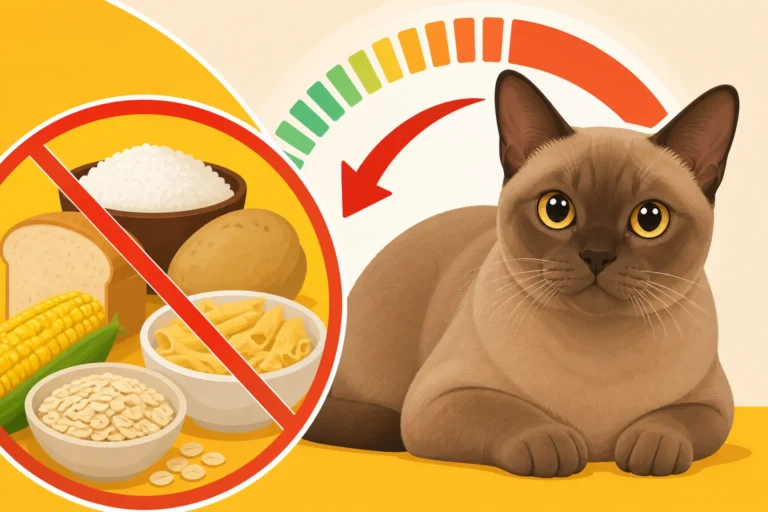
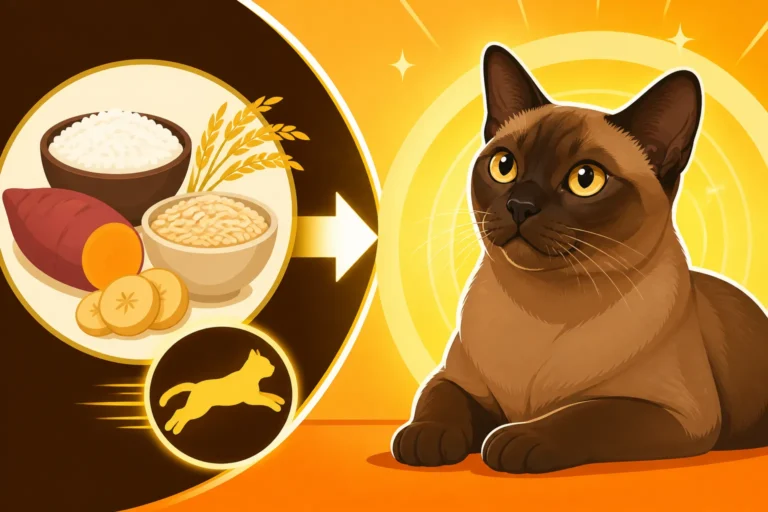
The adage "you are what you eat" holds particularly true for a cat's coat health, and for the Burmese, whose health is often tied to their diet, this is even more critical. A high-quality diet rich in protein and healthy fats, particularly omega-3 and omega-6 fatty acids, is fundamental for maintaining that lustrous satin coat. Poor nutrition, on the other hand, can quickly manifest as a dull, dry, or flaky coat, and can even exacerbate skin issues. Since Burmese cats are also predisposed to certain health conditions like diabetes, choosing the right food becomes a medical decision, not just a preference. Many owners opt for premium wet foods that are low in carbohydrates, which benefits their overall health and keeps their coat gleaming. Brands found on platforms like Chewy or specialty pet stores that focus on high meat content and minimal fillers are often excellent choices. You might also consider fresh food options, though be sure to consult with your vet. Why a Burmese's Food Bill Is a Health Decision
Why an Old Burmese Stops Keeping Its Coat Glossy
As our beloved Burmese companions gracefully enter their senior years, you might notice subtle changes in their once-impeccable coat. Even with the best diet and weekly chamois rub-downs, an older Burmese's coat may start to lose some of its youthful gloss and vibrant sheen. This is a natural part of aging, much like how our own hair changes over time. Their skin can become a little less elastic, oil production might decrease, and they might not be quite as diligent with self-grooming due to issues like arthritis or dental pain. While a chamois will still help remove loose hairs and stimulate the skin, the deep, reflective shine might mellow a bit. This is a good time to ensure their diet is still optimized for senior cats, perhaps with added joint support or omega supplements, and to keep up those gentle, affectionate grooming sessions, which they'll appreciate more than ever. When an Old Burmese Stops Keeping Its Coat Glossy
Disclaimer
This article is for general informational purposes only and does not constitute professional advice. Laws, prices and regulations vary by location and change over time. Consult a qualified professional for guidance on your specific situation.