Why a Burmese Treats Grooming as Attention
For many cat owners, grooming can feel like a battle of wills, a necessary chore that their feline friend tolerates at best, or actively resists at worst. But if you're living with a Burmese, you've probably noticed something different: for them, grooming isn't just about keeping their stunning satin coat pristine, it's a profound act of connection, a dedicated session of undivided attention that they absolutely adore. This guide will explore why your Burmese views grooming as an invitation for cuddles, how to lean into this unique trait, and practical tips to make every session a cherished bonding experience.
The Burmese's Innate Need for Connection
The truth is, your Burmese isn't just tolerating your brushing; they're actively soliciting it. This breed is renowned for its dog-like devotion and insatiable need for human companionship. They are, quite famously, the "Velcro cat" of the cat fancy, always seeking to be in your lap, on your shoulder, or right by your side. This intense desire for interaction extends to every aspect of their lives, including what might be a mundane task for other breeds.
Why Physical Touch is Paramount for a Burmese
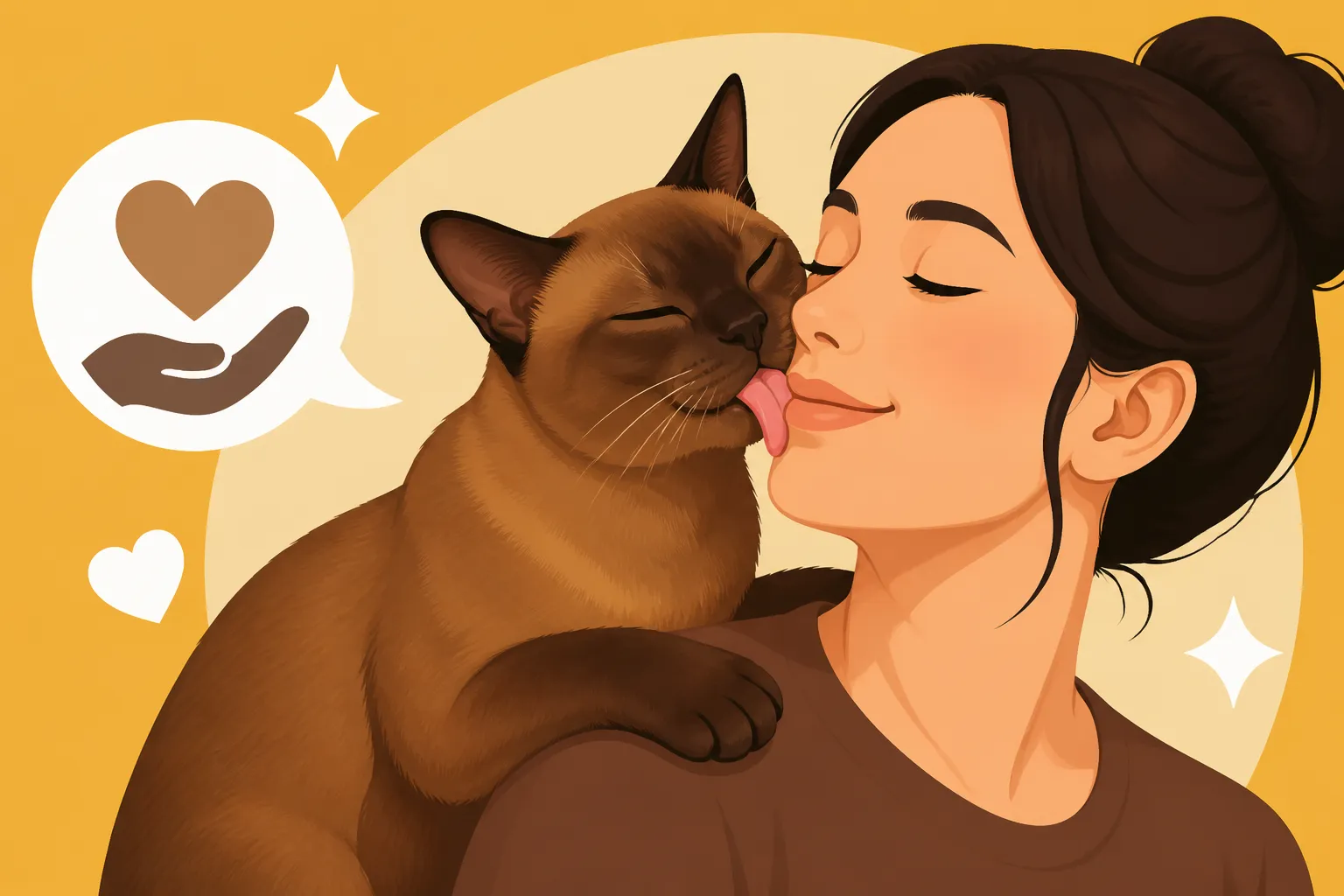
From the moment they're tiny kittens, Burmese crave physical contact. They thrive on being handled, cuddled, and involved in your daily activities. This isn't just about affection; it's a fundamental part of their emotional well-being. A Burmese that feels neglected or doesn't receive enough physical interaction can become anxious or even destructive. When you approach them with a brush or a chamois cloth, you're not just performing a task; you're offering a direct channel for that much-needed physical interaction. They interpret this as a loving gesture, a moment where they have your full, focused attention, and they will melt into your hands. This is why you'll often find your Burmese pushing its head into your hand or rubbing against your leg – they're initiating contact, and grooming is just an extension of that language.
Their Affectionate Personality Fuels the Desire for Grooming
Burmese cats have personalities that are larger than life. They're outgoing, playful, and incredibly social. They greet strangers at the door, involve themselves in every family conversation, and seek out any opportunity to be near their people. This constant engagement means they crave interaction, and a dedicated grooming session fits perfectly into that emotional framework. Unlike more aloof breeds, a Burmese won't simply accept grooming; they'll lean into it, purring their distinctive rasping rumble, nudging your hand for more, and often trying to "help" by head-butting the brush. They see it as a special one-on-one time, a reaffirmation of your bond, and they treat it as such. It's truly a testament to The Burmese Is the Velcro Cat of the Cat Fancy.
Turning Grooming into a Bonding Ritual
Understanding why your Burmese loves grooming is the first step. The next is intentionally turning these sessions into true bonding rituals, not just quick comb-throughs. This means being present, patient, and making the experience as enjoyable as possible for both of you.
Establishing a Routine and Positive Reinforcement
Cats thrive on routine, and your Burmese is no exception. Establishing a regular grooming schedule – even if it's just a few minutes every other day – creates an expectation that your cat will look forward to. Pick a quiet time when you're relaxed and can give your cat your full attention. Before you even touch the brush, spend a moment petting and talking to them. This sets a calm, affectionate tone.
Positive reinforcement is key. Every purr, every relaxed posture, every moment they stay still deserves praise and perhaps a tiny, low-carbohydrate treat. Remember, for a breed prone to diabetes, treats should always be considered part of their daily caloric intake and be appropriate for their dietary needs. You can find excellent options on Chewy that are specifically formulated for feline health. This positive association reinforces the idea that grooming equals good things: attention, touch, and tasty rewards. Over time, your Burmese will actively seek out these grooming moments, often following you around and "asking" for their turn.
The Right Tools and Environment Make All the Difference
While a Burmese's The Burmese Satin Coat Is the Shortest in the Cat Fancy is incredibly low-maintenance, having the right tools makes the experience even better. Forget harsh slicker brushes; their short, fine coat doesn't need them. A soft chamois cloth, like one you might use for your car, is perfect for polishing their coat and picking up any loose hairs. Many owners find Why a Chamois Beats a Comb on a Burmese to be true. Alternatively, a gentle rubber grooming glove can offer a pleasant massage while removing shed fur.
The environment matters too. Choose a spot where your Burmese feels safe and comfortable, perhaps on your lap while you watch TV, or on a soft blanket on the floor. Avoid noisy or high-traffic areas that might make them anxious. The goal is to create a serene, positive experience that reinforces their perception of grooming as loving attention. If you're looking for specific grooming supplies, online retailers like Amazon offer a wide selection of chamois cloths and soft rubber brushes that are ideal for the Burmese coat.
Practical Grooming Tips for the Attention-Seeking Burmese
Now that we understand the 'why' and the 'how to make it a ritual,' let's dive into the specifics of practical grooming for your devoted Burmese.
Embracing the Chamois and Gentle Brushing
Your Burmese's coat is truly unique – it feels like pure satin and has almost no undercoat, meaning How Little a Satin Coated Burmese Sheds. This means extensive brushing isn't just unnecessary; it can actually be counterproductive, potentially irritating their delicate skin. Instead, the focus should be on gentle polishing and light grooming that maximizes contact and tactile pleasure.
A quick rub-down with a chamois cloth once or twice a week is usually all it takes to keep their coat gleaming and remove any loose hairs. It feels wonderful to them, like an extended petting session, and leaves their coat with that characteristic lustrous shine. As you use the chamois, pay attention to their body language. The deep purr, the kneading paws, the relaxed posture – these are all signs that you're hitting the sweet spot. You might notice they try to climb further into your lap or ride on your shoulder during these sessions, a clear sign they see it as quality time. This low-maintenance routine is why How Many Minutes a Month a Burmese's Coat Takes is often surprisingly low.
| Grooming Task | Burmese Perception of Attention | Recommended Approach |
|---|---|---|
| Chamois Rub/Soft Brush | High-value petting session, deep connection | Gentle, slow strokes, lots of praise, integrate with lap time |
| Nail Trimming | Mild inconvenience, but tolerable with treats | Quick, firm snips with positive reinforcement; Trimming a Burmese's Claws While It Sits on You is possible. |
| Ear Cleaning | Can be a bit odd, but usually accepts attention | Quick, gentle wipe with cotton, follow with cuddles |
| Teeth Brushing | Novel experience, requires patience & training | Introduce slowly, use cat-specific paste, make it a positive ritual |
Nail Trimming and Ear Checks as Opportunities for Affection
Beyond their coat, regular nail trims and occasional ear checks are important for your Burmese's overall health. And yes, even these tasks can be reframed as attention-seeking opportunities. When it comes to nail trimming, many Burmese will tolerate it remarkably well, especially if you've been handling their paws gently since kittenhood. Instead of viewing it as a struggle, hold them comfortably on your lap, talk to them soothingly, and make each snip swift and confident. Follow immediately with praise and a favorite treat. This transforms a potentially stressful event into another moment of focused attention, where they know good things will happen. Finding good, sharp clippers on Amazon can make the process quicker and less stressful for both of you.
Similarly, Cleaning a Burmese's Ears in Under a Minute can be a quick, calm affair. A gentle wipe with a vet-approved ear cleaner on a cotton ball is often all that's needed. Again, approach it calmly, offer reassurance, and finish with a big cuddle. Your Burmese, with its trusting nature, will likely purr through the entire process, viewing your gentle ministrations as another form of loving interaction. This positive association during routine care also helps later in life, especially when they need to be handled by a vet. A Burmese that is used to being touched and examined will be much calmer during veterinary visits, which is why Why a Burmese Purrs Through a Vet Examination is a common observation.
Dental Care: A Vital (and Attentive) Practice
Dental health is incredibly important for Burmese cats, as they can be prone to gum disease and tooth resorption. Brushing their teeth regularly is crucial, and while it might seem like a harder sell than a gentle chamois rub, it can still become part of your attention-based routine. Start slow, introduce a cat-specific toothbrush and toothpaste (never human toothpaste!), and focus on short, positive sessions.
Just like with nail trims, copious praise and treats are your allies. Let them lick the toothpaste off the brush, then gently try to rub their gums for a few seconds. Gradually increase the duration as they get used to it. They might not purr quite as loudly as during a regular petting session, but their willingness to cooperate stems from that deep trust and desire for your attention. By making dental care a regular, positive, and attentive interaction, you're not only protecting their oral health but also deepening your bond. Getting them used to this early on can help Brushing a Burmese's Teeth Before It Loses Them later in life.
Remember, every touch, every gentle word, every moment you spend focused solely on your Burmese during grooming reinforces that deep, loving connection. For this extraordinary breed, grooming isn't a chore; it's a cherished conversation.
Disclaimer
This article is for general informational purposes only and does not constitute professional advice. Laws, prices and regulations vary by location and change over time. Consult a qualified professional for guidance on your specific situation.