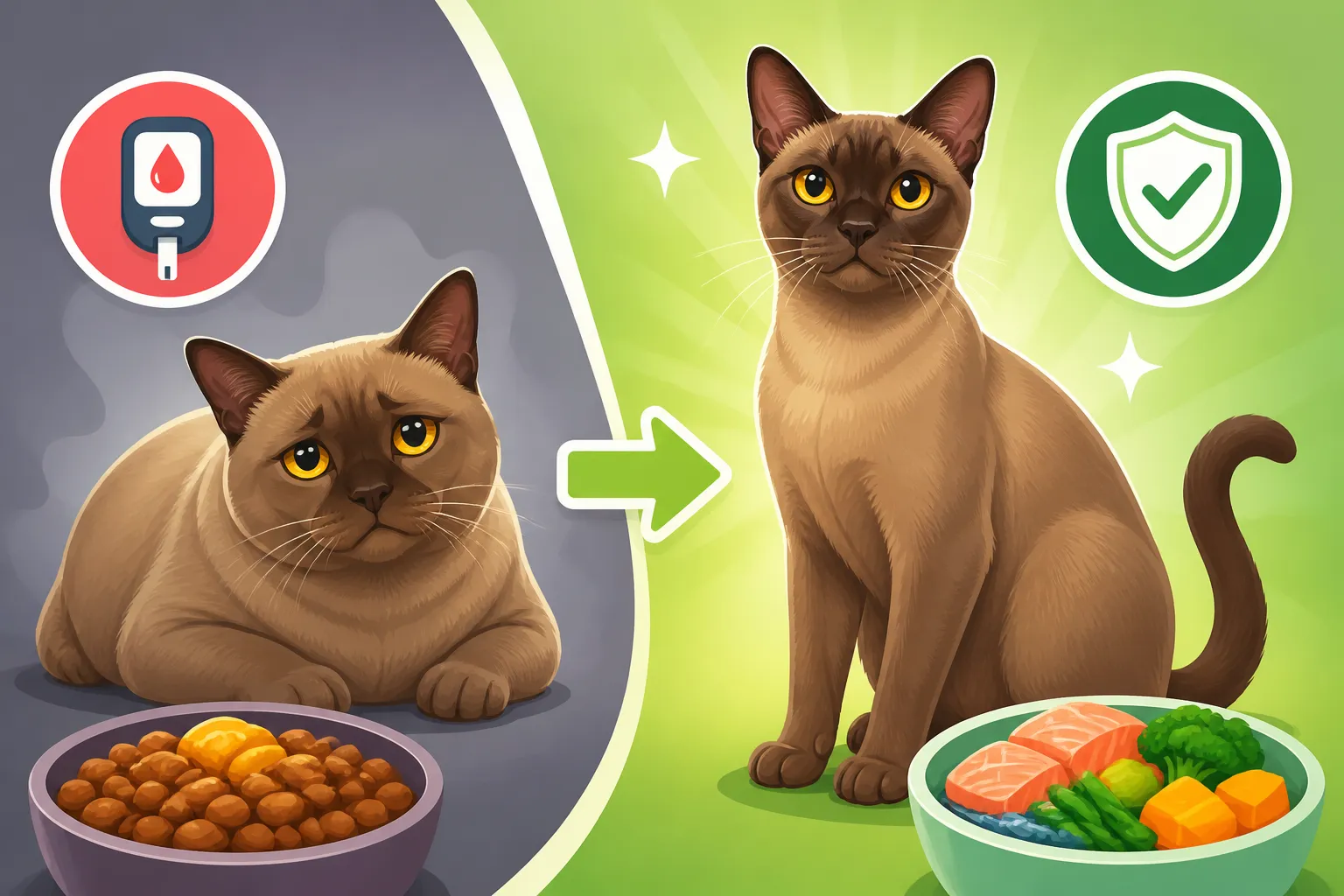
What a Prescription Diabetic Diet Does for a Burmese
Discovering your beloved Burmese has diabetes can feel like a punch to the gut, immediately raising worries about daily injections, constant monitoring, and the drastic changes your sweet companion will face. It’s a huge concern, especially knowing this breed's particular predisposition. This guide aims to shed light on exactly how a prescription diabetic diet specifically formulated for felines can become your most powerful tool in managing, and often even reversing, diabetes in your Burmese, bringing a sense of control back into your life.
Understanding the Burmese Diabetes Predisposition
Let's be real: finding out your Burmese has diabetes can be incredibly disheartening, not just because it's a serious condition, but because it often feels like an uphill battle. Many Burmese owners are already aware that their breed carries a higher risk, but knowing that doesn't make the diagnosis any easier. You might wonder if you did something wrong, or if it was simply inevitable. The truth is, Burmese cats are uniquely susceptible, and understanding why can help you tackle the problem head-on with the right dietary approach.
Why Burmese Cats Are Different
It’s not just an old wives' tale; The Burmese Has the Highest Diabetes Rate of Any Cat Breed. This isn't just bad luck; it's rooted deep in their genetics. Unlike many other breeds, the Burmese seems to have a built-in susceptibility to developing diabetes, particularly Type 2, which is often diet-related in felines. Their metabolism, their body composition, and how they process carbohydrates all play a critical role. When you look at their sleek, muscular build, it's easy to assume they're robust, but internally, they're ticking time bombs for metabolic issues if not managed carefully. This distinct physiological makeup means that what might be an acceptable diet for another cat could be actively harmful for a Burmese.
For us Burmese enthusiasts, this heightened risk is a constant concern, and it often leads to a lot of anxiety around feeding choices. You want the best for your cat, but it can feel like you're walking a tightrope. This unique predisposition is why general cat food advice often falls short for a Burmese. Their systems are simply more sensitive to the impact of diet, especially when it comes to ingredients that can cause blood sugar spikes. It’s not about blame; it's about acknowledging their unique needs.
The Role of Genetics and Lifestyle in Diabetes Onset
While genetics load the gun, environment pulls the trigger. For Burmese cats, this couldn't be truer when it comes to diabetes. Their genetic predisposition means they're already starting with a disadvantage, making them Why a Burmese Is Four Times More Likely to Become Diabetic compared to other breeds. But it’s not just genetics. Lifestyle factors, predominantly diet and activity levels, are huge players. A diet rich in carbohydrates, often found in dry kibble, combined with a sedentary lifestyle, can push a genetically susceptible Burmese over the edge into full-blown diabetes.
Think about it: many of us love to spoil our cats, and it's easy to leave a bowl of kibble out for free-feeding. We assume they'll self-regulate. But for a Burmese, this can be a recipe for disaster. The constant availability of carb-heavy food leads to chronic high blood sugar, stressing their pancreas and eventually leading to insulin resistance. This is why Why Portion Control Is Medical Care in a Burmese isn't an exaggeration—it's a critical preventative and management strategy. Once diabetes takes hold, it can manifest in subtle ways at first, but knowing What Diabetes Looks Like in a Burmese is crucial for early intervention. It really drives home the point that every meal, every treat, every minute of play directly impacts their health trajectory.
The Core Principles of a Prescription Diabetic Diet
When your vet first mentions a "prescription diabetic diet," it can sound daunting, like some super-secret, ultra-expensive, impossible-to-find food. But really, it’s a specific nutritional approach designed to tackle the metabolic quirks that lead to diabetes, especially in a breed like the Burmese. These diets aren't just about reducing sugar; they're about rebalancing the entire macronutrient profile to better suit a cat's natural physiology.
The Power of Low Carbohydrates
This is the cornerstone of any effective diabetic diet for a feline, particularly a Burmese. Cats, by nature, are obligate carnivores. Their bodies are designed to thrive on meat, not grains or starches. Historically, wild cats ate prey that was high in protein, moderate in fat, and very, very low in carbohydrates. Modern dry kibble, unfortunately, often flips this script, loading up on carbohydrates to bind the kibble and make it palatable. For a Burmese, this carb overload is problematic because their bodies struggle to process them efficiently, leading to persistent high blood sugar levels.
A prescription diabetic diet dramatically cuts down on carbohydrates, mirroring a cat's ancestral diet. We're talking less than 10% of calories from carbs, often even lower. This low-carb approach is vital because it prevents the sharp spikes in blood glucose that make diabetes so difficult to control. By minimizing carbs, you're essentially giving your Burmese's pancreas a much-needed break, reducing the demand for insulin and allowing its body to regain some control over blood sugar regulation. It’s a fundamental shift, moving away from filler ingredients towards what your cat's body is truly built to process. This is precisely Why Low Carbohydrate Food Matters for a Burmese so deeply.
The Importance of High Protein and Moderate Fat
Beyond just cutting carbs, a prescription diabetic diet emphasizes high-quality protein and appropriate levels of fat. Protein is crucial for cats; it provides the essential amino acids they need for everything from muscle maintenance to immune function. For a diabetic Burmese, maintaining muscle mass is particularly important, as muscle helps in glucose metabolism. A diet rich in protein ensures they feel full and satisfied, preventing them from feeling constantly hungry—a common side effect of diabetes where their bodies aren't properly utilizing nutrients.
Fats, in moderate amounts, are also key. They provide concentrated energy and help with the absorption of fat-soluble vitamins. The goal isn't to create a low-fat diet, which can be detrimental to cats, but rather to ensure the fats are healthy and balanced. This balance of high protein and moderate fat supports a stable energy release, avoiding the crashes and surges associated with carb-heavy foods. Many high-quality prescription diets will feature real meat as the primary ingredient, and you'll find options from trusted brands that you can order online through places like Chewy or Amazon, making it easier to stick to the plan.
Fiber and Other Key Nutrients
While not the primary focus, fiber also plays a supporting role in some prescription diabetic diets. Soluble and insoluble fibers can help regulate digestion, slow the absorption of glucose, and contribute to a feeling of fullness. However, it's important that fiber isn't used as a replacement for protein; it should complement the high-protein, low-carb foundation. The right balance helps prevent constipation or diarrhea, which can be concerns when changing a cat's diet.
Beyond the macronutrients, these specialized diets are also fortified with essential vitamins, minerals, and sometimes specific supplements like L-carnitine or chromium, which can further support glucose metabolism and overall health. The aim is a complete and balanced meal that addresses the unique metabolic needs of a diabetic cat, ensuring they receive all the necessary nutrients without exacerbating their condition. It’s a holistic approach to nutritional management, designed to give your Burmese the best chance at a stable and healthy life.
How a Prescription Diet Actively Manages Burmese Diabetes
So, you've grasped the components of a prescription diabetic diet. But how does this translate into real-world benefits for your Burmese? It's more than just providing food; it's providing medicine in a bowl. This targeted nutrition directly impacts their body's ability to regulate blood sugar, facilitates healthy weight loss, and, remarkably, can even help some cats achieve diabetic remission. It's a game-changer, not just a temporary fix.
Stabilizing Blood Glucose Levels
The most immediate and critical effect of a prescription diabetic diet is its ability to stabilize your Burmese's blood glucose. When a diabetic cat eats a high-carbohydrate meal, their blood sugar spikes dramatically, requiring a large surge of insulin to bring it down. In a diabetic cat, either this insulin isn't produced efficiently, or the body is resistant to it. A low-carbohydrate diet, however, minimizes these post-meal spikes. Because there are fewer carbs to break down into glucose, the demand on the pancreas is significantly reduced.
This steady release of glucose into the bloodstream means less work for their struggling pancreas and a more predictable response to any insulin injections they might be receiving. For many owners, this means fewer extreme highs and lows, making the diabetes far easier to manage. Imagine the relief of not constantly worrying about dangerously high blood sugar or the terrifying possibility of hypoglycemia. This stability is the bedrock of effective diabetes management and can dramatically improve your Burmese's quality of life. Regular monitoring, often confirmed by your vet with tests like What a Fructosamine Test Shows in a Burmese, will quickly show the positive impact of this dietary change.
Facilitating Weight Management
Weight is an enormous factor in feline diabetes, and for a muscular breed like the Burmese, it can be tricky to spot those extra pounds until they're significant. Obesity is a major contributor to insulin resistance, making diabetes worse and harder to control. One of the powerful side effects of a high-protein, low-carb prescription diet is that it naturally aids in healthy weight loss. Protein helps cats feel fuller for longer, reducing overall calorie intake without leaving them feeling starved.
Furthermore, by reducing carbohydrates, the body is encouraged to burn fat for energy instead of relying on readily available glucose. This shift in metabolism can lead to a gradual, healthy reduction in weight, which in turn improves insulin sensitivity. Why Weight Is the Only Lever a Burmese Owner Has is often the hardest truth to accept, but it's also the most empowering. Getting your Burmese to a healthy weight is often the single most impactful thing you can do. Regularly How to Weigh a Burmese Accurately at Home and adjusting portions accordingly is a key part of this process. The good news is, with the right diet, weight management becomes a far more attainable goal, offering profound benefits for their diabetic state.
Supporting Remission and Long-Term Health
Perhaps the most exciting outcome for many owners is the potential for diabetic remission. While not every cat achieves it, a significant number of diabetic cats, particularly those diagnosed early and immediately placed on a strict low-carbohydrate diet, can go into remission. This means they no longer require insulin injections to maintain normal blood sugar levels. It's truly life-changing for both the cat and the owner. The prescription diet plays a central role in this by alleviating the stress on the pancreas and improving insulin sensitivity to the point where the body can once again regulate itself.
Even if full remission isn't achieved, a prescription diet provides superior long-term management, minimizing complications associated with poorly controlled diabetes. It helps prevent further damage to organs, maintains energy levels, and simply keeps your Burmese feeling better. It's about ensuring a longer, healthier, and happier life, despite the diagnosis. The goal isn't just to manage the illness but to give your beloved Burmese the best possible chance at vitality. Learning Which Diet Puts a Burmese Into Remission is often the first step towards this incredible outcome.
Implementing and Maintaining the Diabetic Diet for Your Burmese
Okay, so you're convinced that a prescription diabetic diet is the way to go. But how do you actually put it into practice? It's not just about swapping one bag of food for another. There's a transition period, a learning curve, and a commitment to new routines. Getting it right is crucial for your Burmese's health and your peace of mind.
Transitioning Your Burmese to the New Food
Cats, especially Burmese, can be creatures of habit and notoriously fussy eaters. You can't just switch their food overnight; you'll likely face a hunger strike! The key is a slow, gradual transition over 7-10 days, or even longer if your cat is particularly resistant. Start by mixing a tiny amount of the new prescription food with their old food, gradually increasing the proportion of the new diet each day. Watch for any digestive upset, like vomiting or diarrhea, and slow down the transition if you see these signs. Patience is your best friend here.
Sometimes, a cat might completely refuse the new food, no matter how slowly you introduce it. Don't panic. You might need to try different brands or flavors of prescription diabetic diets. Your vet can offer guidance on suitable options, and many online pet retailers like Chewy or Amazon offer a variety of choices. Warming the new food slightly or adding a tiny amount of low-sodium chicken broth can sometimes make it more appealing. Remember, the goal is for them to eat the new food consistently, so persistence, combined with flexibility, is important.
Feeding Routines and Monitoring
Consistency is paramount when feeding a diabetic Burmese. You'll need to establish fixed feeding times, typically two meals a day, spaced evenly. If your Burmese is on insulin, these meal times will be critical and will need to be coordinated with their insulin injections, as detailed in guides like Caring for a Diabetic Burmese at Home. Your vet will give you specific instructions on when to feed in relation to their insulin doses. Free-feeding, where food is left out all day, is a definite no-go for a diabetic cat.
Beyond the routine, vigilant monitoring is essential. This includes tracking their appetite, water intake, and body weight weekly. Any changes, like a sudden refusal to eat or increased thirst, need immediate attention as they could indicate a problem with their diabetes control. Your vet will also likely recommend regular check-ups and blood tests, like those for How a Vet Confirms Diabetes in a Burmese, to assess how well the diet and any medication are working. This ongoing partnership with your vet is crucial for adjusting the diet and insulin as needed.
Addressing Challenges and Ensuring Compliance
Let’s be honest, feeding a special diet can come with its own set of challenges, especially in a multi-cat household. If you have other cats, they might be tempted by the diabetic food, or your diabetic Burmese might try to sneak bites of their food. Microchip feeders can be incredibly helpful here, only opening for the designated cat. Otherwise, you’ll need to feed cats separately to ensure everyone gets the right nutrition.
Financial considerations are also real. Prescription diets can sometimes be more expensive than regular cat food. However, it's vital to remember that the cost of managing uncontrolled diabetes, including emergency vet visits, can far outweigh the increased food expense. Consider it an investment in your Burmese’s health. Furthermore, staying committed to the diet, even when your Burmese gives you those sad, pleading eyes for a treat, is crucial. If you absolutely must give treats, discuss low-carb options with your vet to ensure they don't undo all your hard work. This long-term commitment is key to supporting your Burmese toward a healthy, stable future.
| Aspect | Standard Cat Food (Typical Dry Kibble) | Prescription Diabetic Diet (Wet Preferred) |
|---|---|---|
| Carbohydrate Content | High (25-50%+) | Very Low (<10%) |
| Protein Content | Moderate to High | High |
| Fat Content | Varies (often moderate to high) | Moderate to High (healthy fats) |
| Primary Energy Source | Carbohydrates | Protein & Fat |
| Impact on Blood Sugar | Rapid spikes | Stable, minimal spikes |
| Weight Management | Can contribute to obesity | Aids in healthy weight loss |
| Insulin Demand | High | Low |
| Remission Potential | Very low | Significantly higher |
| Cost | Generally lower | Generally higher |
| Availability | Wide | Vet clinics, specialized pet stores, online |
Disclaimer
This article is for general informational purposes only and does not constitute professional advice. Laws, prices and regulations vary by location and change over time. Consult a qualified professional for guidance on your specific situation.