Why a Burmese Drinking More Should Be Recorded
You've noticed your beloved Burmese drinking more water lately, and your heart might sink a little, wondering what it could mean. It’s a common concern for many cat parents, and frankly, it's one that deserves your immediate attention. An increase in thirst, also known as polydipsia, can often be the first subtle hint that something isn't quite right with your typically robust and affectionate companion. This guide will walk you through why recording that increased water intake is so crucial for your Burmese, what it could signify, and how you can be proactive in their care.
The Alarming Truth About Increased Thirst in Burmese Cats
It’s easy to dismiss a little extra lapping from the water bowl. We might think, "Oh, they've just been playing hard," or "It's warmer than usual today." While these can be valid reasons for a temporary uptick in water consumption, a sustained or noticeable increase in how much your Burmese is drinking is rarely just a passing fancy. For this particular breed, it's a symptom that almost always warrants investigation.
Why More Water Isn't Always a Good Sign
Our cats, especially our short-coated, sleek Burmese, are not usually huge drinkers compared to, say, a dog. Their ancestral diets provided much of their hydration, so if you're seeing them visit the water bowl more frequently or emptying it faster than before, your internal alarm bells should be ringing. This isn't just about general cat health; it's about understanding the specific vulnerabilities of the Burmese. An increase in thirst often goes hand-in-hand with an increase in urination, as the body tries to flush out whatever imbalance is occurring. This can be a sign of anything from a minor bladder issue to something far more systemic and serious affecting their kidneys, thyroid, or most notably for a Burmese, their blood sugar. Overlooking this simple change can mean missing critical early indicators of serious health conditions.
How to Actually Measure Your Burmese's Water Intake
This sounds simple, but it can be tricky, especially in a multi-cat household. The key is consistency and observation.
- Isolate Water Sources (If Possible): If you have multiple cats, try to provide your Burmese with its own designated water bowl for a few days, ideally in a quiet spot where you can observe it. You might even consider putting a small, separate bowl in a room where your Burmese frequently hangs out, like your bedroom, to ensure you're capturing all their drinking.
- Use a Measured Container: Don't just eyeball it. Fill your cat's water bowl with a known volume of water (e.g., using a measuring cup to put exactly 500ml or 16oz in). At the end of a 24-hour period, measure how much water is left. The difference is what your Burmese has consumed.
- Note All Water Sources: Remember, cats drink from many places! Puddles on the patio, dripping faucets, even the toilet. If your Burmese has outdoor access or access to other quirky water sources, try to limit them during your tracking period or at least be aware of them.
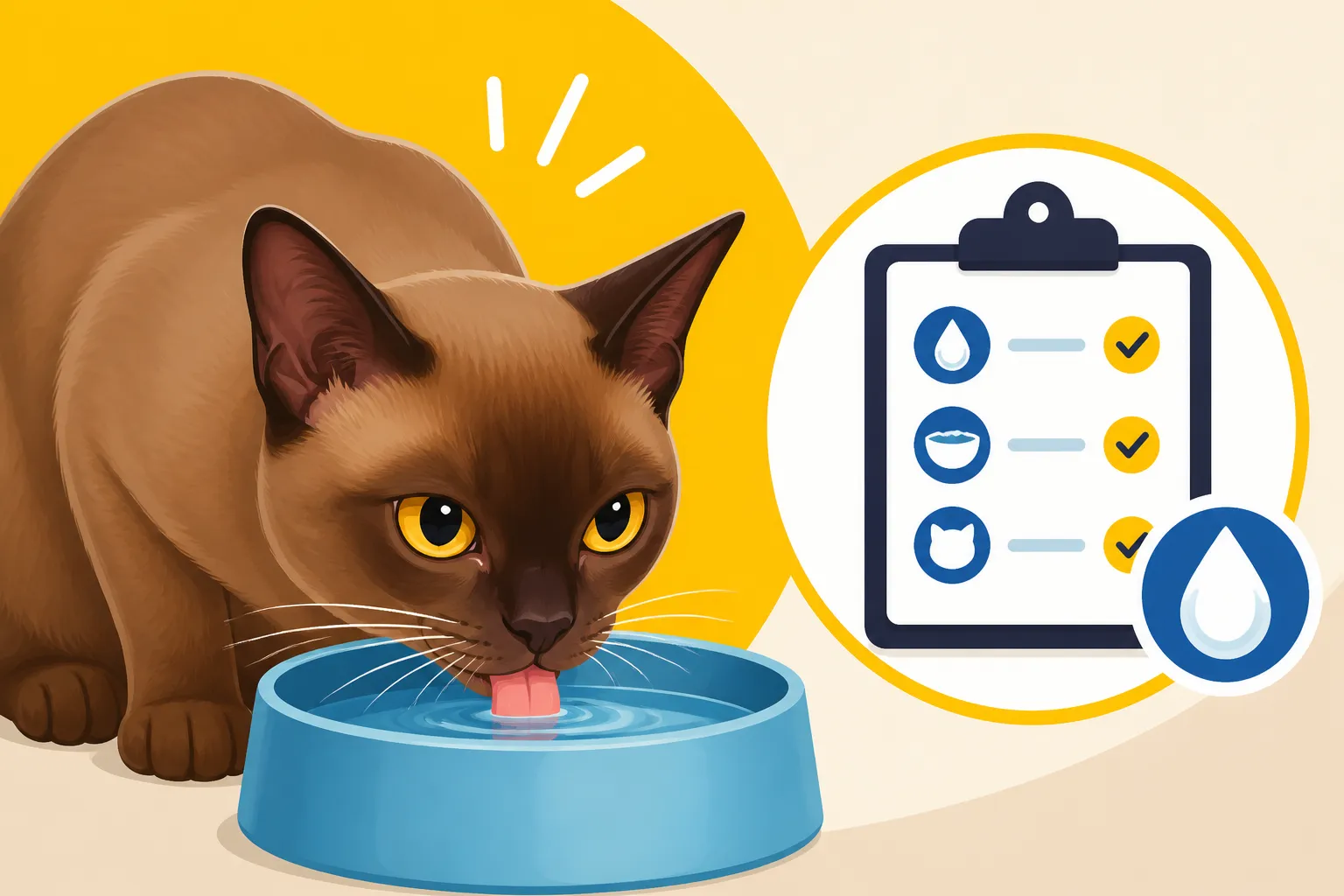
- Record Everything: Keep a small notebook or a dedicated app on your phone. Jot down the date, the amount of water consumed, and any other observations. Is your cat also urinating more? Are the urine clumps in the litter box larger or more frequent? Is their appetite different? Are they more lethargic or restless? These details are golden for your vet.
Remember, a sudden, noticeable jump from their typical intake (which you might need to establish over a few normal days first) is what you're looking for. Don't stress over a few milliliters; focus on trends.
Unpacking the "Why": Common Causes Behind Increased Drinking
When a Burmese starts drinking more than usual, it’s not just a quirk; it’s a symptom that needs professional attention. While there are many reasons a cat might be thirstier, certain conditions are particularly prevalent and concerning for the Burmese breed.
Diabetes Mellitus: The Elephant in the Room for Burmese Cats
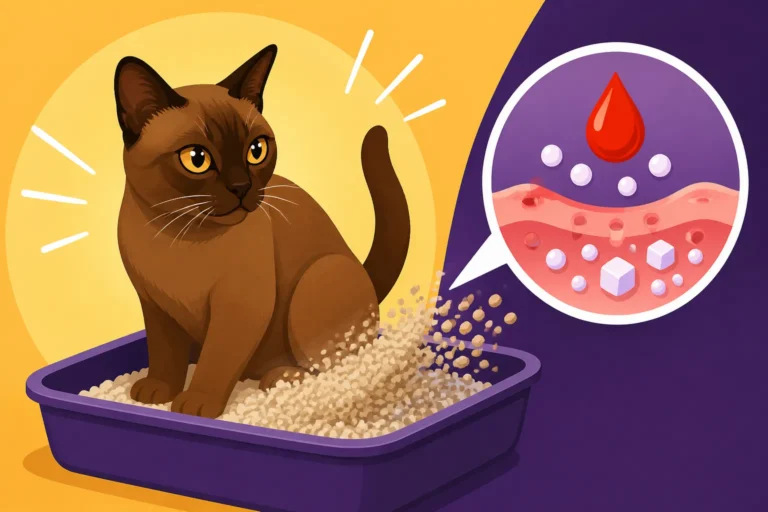
If your Burmese is drinking more, diabetes should be one of the first conditions your vet considers. The Burmese Has the Highest Diabetes Rate of Any Cat Breed, making them unfortunately predisposed to this metabolic disorder. In simple terms, diabetes means the body isn't producing enough insulin or isn't using it effectively, leading to high blood sugar. The kidneys then try to flush out this excess sugar through urine, pulling a lot of water with it. This increased urination (polyuria) directly causes increased thirst (polydipsia) as the cat tries to rehydrate itself.
Imagine your Burmese, who usually has a healthy, robust appetite, suddenly seems ravenous but is losing weight, or conversely, is gaining weight despite eating a similar amount. Add to that the constant trips to the water bowl and the overflowing litter box, and you have the classic signs. Early detection and management are key for a good prognosis, which is why noting their drinking habits is so vital. You might also notice their coat starting to look a little less lustrous, or they might seem a bit more lethargic than their usual playful selves. Don't wait; this is a situation where every day counts. How a Diabetic Burmese Is Diagnosed is a crucial read if you suspect this.
Kidney Disease: A Silent Threat in Senior Burmese
Another significant concern, particularly as our beloved Burmese cats reach their senior years, is kidney disease. The kidneys are powerhouse organs responsible for filtering waste products from the blood and concentrating urine. When kidney function declines, they can't concentrate urine properly, meaning more water is lost with each bathroom trip. This increased water loss then triggers the cat's thirst mechanism, leading to more drinking.
Kidney disease can progress silently, often showing few obvious signs until it's quite advanced. Increased thirst and urination might be among the first observable symptoms. Other signs can include a duller coat, weight loss, decreased appetite, nausea, and vomiting. Catching kidney disease early can allow for dietary changes and medical management that can significantly slow its progression and improve your cat's quality of life. Regularly monitoring your senior Burmese's water intake is a simple, non-invasive way to keep an eye on this vital system. You can learn more about how this progresses in How Kidney Disease Arrives in an Old Burmese.
Hyperthyroidism: The Overactive Gland
Hyperthyroidism is another common ailment in older cats, usually those over seven years old, and it can also manifest as increased thirst. This condition occurs when the thyroid gland produces too much thyroid hormone, leading to an accelerated metabolism. This metabolic overdrive can affect multiple organ systems, including the kidneys, which in turn can lead to increased urination and, consequently, increased thirst.
Alongside excessive drinking, you might notice your Burmese losing weight despite a ravenous appetite, becoming restless or hyperactive, experiencing vomiting or diarrhea, or showing a greasy or unkempt coat. It’s a bit of a trickster condition because sometimes the increased energy can be mistaken for a renewed kitten-like playfulness, when in reality, it's a symptom of a serious hormonal imbalance. Catching hyperthyroidism early means your vet can explore options like medication, dietary management, or even radioactive iodine therapy to get your cat's metabolism back on track. For a deeper dive into this condition, consider reading Why Hyperthyroidism Catches an Older Burmese.
Other Less Common, But Still Serious, Conditions
While diabetes, kidney disease, and hyperthyroidism are the primary culprits for increased thirst in Burmese cats, other conditions can also contribute:
- Urinary Tract Infections (UTIs): While often causing more frequent, painful, or inappropriate urination, a severe UTI can sometimes lead to increased thirst as the body tries to flush out bacteria.
- Liver Disease: The liver plays a critical role in metabolism and detoxification. Dysfunction can indirectly impact fluid balance and lead to increased thirst.
- Certain Medications: Some medications, particularly those used for long-term pain management or certain heart conditions, can have increased thirst as a side effect. Always discuss any new medications and their potential side effects with your vet.
- Electrolyte Imbalances: These can be caused by various underlying conditions and can also throw off a cat's fluid regulation.
It’s clear that increased thirst is not something to ignore. It’s a signal from your cat that something significant is happening internally, and it’s your cue to take action.
Your Role in Early Detection and Management
Noticing your Burmese's increased thirst is the first step, but what you do next is equally important. Your observations and actions at home are invaluable to your veterinarian in diagnosing and treating potential underlying conditions.
The Importance of Recording Every Sip
You might feel a bit like a detective, but trust me, this data is priceless. Keep a detailed log. A simple notebook, a whiteboard, or even a spreadsheet can work.
Burmese Daily Water Intake Log
| Date | Time | Water Added (ml/oz) | Water Remaining (ml/oz) | Consumed (ml/oz) | Urination Frequency/Size | Other Observations (appetite, energy, vomiting) |
|---|---|---|---|---|---|---|
| [Date] | Morning | 500ml | 250ml | 250ml | Normal | Seemed a bit quieter than usual |
| [Date] | Afternoon | 500ml | 100ml | 400ml | Large clumps, 3x | Ate all food quickly, restless |
| [Date] | Evening | 500ml | 200ml | 300ml | 2 large clumps | Asking for food constantly |
Record the date, the exact volume of water offered, the volume remaining after a set period (say, 12 or 24 hours), and thus the amount consumed. Also, make notes about any changes in urination – is it more frequent? Are the urine clumps in the litter box larger or softer? Are there any accidents outside the box? Beyond fluid intake, jot down anything else you've noticed: changes in appetite, weight, energy levels, vomiting, diarrhea, or even subtle shifts in their usually affectionate demeanor. This detailed record helps your vet piece together the puzzle much faster than a vague "I think he's drinking more."
Preparing for the Vet Visit: What Information Your Vet Needs
Once you have your observations and recordings, it's time to call the vet. Be ready to share specific details:
- Onset: When did you first notice the increased drinking? Was it sudden or gradual?
- Quantification: How much more, approximately, is your cat drinking? Your log will be perfect here.
- Accompanying Symptoms: Have you noticed increased urination, changes in appetite (more or less), weight loss or gain, lethargy, vomiting, or diarrhea?
- Diet: What food are you feeding? Wet, dry, or a mix? What brand and flavor? The carbohydrate content is especially relevant for Burmese.
- Medications/Supplements: Is your cat on any medications, even over-the-counter supplements?
- Environment: Any recent changes at home? New pets, people, or stress factors?
- Typical Routine: Describe your cat's normal day, so the vet can compare it to current behavior.
Your vet will likely perform a thorough physical exam, blood tests (including a glucose check and a comprehensive metabolic panel to assess kidney and liver function), and a urinalysis. These tests will help pinpoint the underlying cause of your Burmese's increased thirst. Why a Burmese's Glucose Should Be Checked From Seven is a good guideline for when to start routine monitoring.
Lifestyle Adjustments to Support Your Burmese's Health
Even before a diagnosis, there are general care practices that can support your Burmese's overall health and are particularly beneficial if certain conditions are identified.
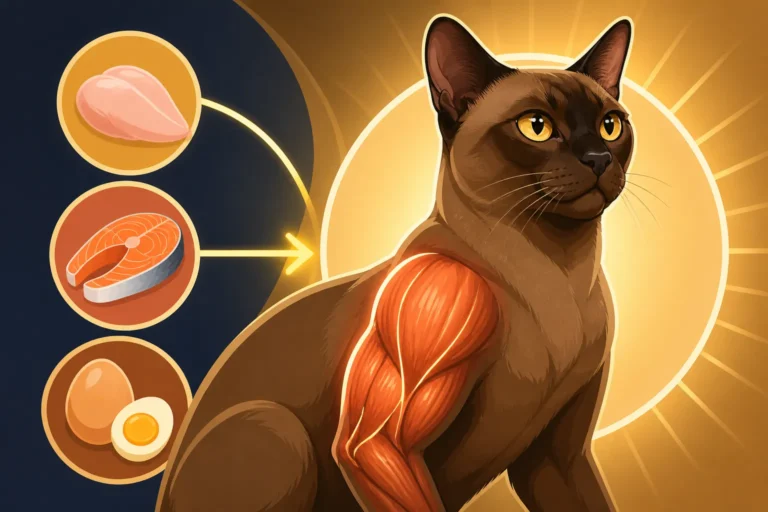
- Dietary Choices: Prioritize a high-quality, low-carbohydrate, wet food diet. This is critical for all cats, but especially for Burmese due to their predisposition to diabetes. Wet food provides much-needed hydration naturally and helps manage blood sugar levels more effectively than high-carb dry kibble. Brands available on Chewy or Amazon often list their carbohydrate content, allowing you to make informed choices. Feeding a Burmese Is a Medical Decision, Not a Preference highlights just how important this is.
- Weight Management: Keep a close eye on your Burmese's weight. Obesity is a significant risk factor for diabetes and can exacerbate other health issues. Use digital kitchen scales, easily found on Amazon, to accurately measure food portions. How to Weigh a Burmese Accurately at Home can give you tips on how to do this stress-free.
- Fresh Water Access: Always provide multiple sources of fresh, clean water in various locations. Some cats prefer ceramic bowls, others stainless steel, and some love a flowing water fountain, which can encourage them to drink more.
- Encourage Play: Keep your Burmese active with daily play sessions. Even if they're not huge drinkers, regular exercise contributes to overall well-being and helps maintain a healthy weight. Remember, A Burmese Is Still Playing at Fifteen, so their zest for life often remains high!
Living with a Diagnosis: What Comes Next
Receiving a diagnosis can be overwhelming, but remember, many conditions that cause increased thirst are manageable with the right approach and a dedicated owner.
Managing Diabetes in a Burmese
If your Burmese is diagnosed with diabetes, it's a journey, but a manageable one. The cornerstone of treatment often involves insulin injections, typically twice a day. Your vet will show you exactly How to Give a Burmese Its Insulin at Home, and many Burmese are incredibly cooperative, accepting injections with surprising ease. Beyond insulin, dietary management is paramount. A strict low-carbohydrate wet food diet is crucial to help regulate blood sugar levels and can even lead to diabetic remission in some cases. You'll continue to monitor water intake, urination, and appetite, and regular vet check-ups will be necessary to adjust insulin doses. Using puzzle feeders available on Amazon or Chewy can also help slow down eating and provide mental stimulation.
Supporting Kidney Health
For kidney disease, management focuses on slowing progression and improving quality of life. This usually involves a prescription diet specifically formulated for kidney support, which is often lower in protein, phosphorus, and sodium. Your vet might also recommend medications to manage symptoms like nausea or to support kidney function. Subcutaneous fluid therapy, where fluids are given under the skin at home, may also be prescribed to help keep your cat hydrated and flush toxins, especially in more advanced stages. Again, ongoing monitoring of their drinking and urination patterns, along with regular vet visits, will be key.
The Long-Term Commitment
Regardless of the diagnosis, understanding why your Burmese is drinking more is the first step in a long-term commitment to their health. These conditions often require ongoing vigilance, dietary discipline, and consistent medication or support. It might feel like a lot to take on, but remember the deep bond you share with your affectionate Burmese. With early detection and dedicated care, many cats with these conditions can continue to live full, happy lives. Your detailed records and proactive approach will empower your vet to provide the best possible care, ensuring your beloved "Velcro cat" stays by your side for as long as possible.
Disclaimer
This article is for general informational purposes only and does not constitute professional advice. Laws, prices and regulations vary by location and change over time. Consult a qualified professional for guidance on your specific situation.