What a Burmese’s Ear Wax Should Look Like
It's always a little unsettling when you notice something different about your beloved Burmese, especially when it involves their ears. Many cat parents find themselves peering into those adorable, expressive ears, wondering, "Is that ear wax normal? Is there too much? Is it the right color?" It’s a common worry, and frankly, it's good that you're paying attention! This guide is here to walk you through what healthy Burmese ear wax truly looks like, how to spot the signs of a potential problem, and when it’s definitely time to call the vet.
The Hallmarks of Healthy Burmese Ear Wax
When you gently fold back your Burmese's ear flap, you're hoping to see a clean, healthy ear canal. While you might associate a "clean" ear with absolutely no wax, the truth is, a little bit of ear wax is completely normal and even beneficial. It acts as a protective barrier, trapping dust, dirt, and foreign particles before they can reach the delicate inner ear.
What Normal Ear Wax Looks Like: Color, Texture, and Amount
Think of healthy ear wax in a Burmese as being rather discreet. It should be:
- Color: Typically a very light, pale yellow to light brown. It might even be almost invisible, just a slight discoloration on the skin. It should never be dark brown, black, or have any reddish or greenish tint.
- Texture: Waxy, but not sticky or gooey. It should be relatively dry and might accumulate in small, flaky amounts, especially if you haven't cleaned their ears recently. It certainly shouldn't look like gritty coffee grounds or feel like thick grease.
- Amount: Minimal. You might see a tiny smear or a few small flecks when you wipe the outer ear, but it shouldn't be clogging the ear canal or visible without actively looking. If you're seeing globs or a consistent coating, that's usually a red flag.
When your Burmese is healthy, their ears should also be free of any noticeable odor. A clean, healthy ear has a very neutral, almost imperceptible scent. If you catch a whiff of anything yeasty, sweet, foul, or distinctly unpleasant, that's a sign something is amiss, regardless of the wax color or amount. Similarly, the skin inside the ear flap and canal should be a healthy pink, not red, inflamed, or swollen.
Why Burmese Ears Are Generally Healthy
One of the lovely things about the Burmese breed is their generally robust health, and their ears are often no exception. Unlike some breeds with folded ears, like Scottish Folds, or those with very hairy ear canals, Burmese cats typically have open, upright ears with relatively short hair in the ear canal. This anatomical structure provides good ventilation, which helps to keep moisture from building up. Moisture and warmth are prime breeding grounds for bacteria and yeast, so good airflow is a natural defense mechanism.
Their short, satin-like coats also mean they don't tend to track as much debris into their ears as long-haired breeds might. All these factors contribute to why a Burmese's ears are often quite low-maintenance, requiring only occasional gentle cleaning as part of their regular care routine. Cleaning a Burmese's Ears in Under a Minute is usually all that's needed for routine maintenance.
Signs of Trouble: What Abnormal Ear Wax Can Indicate
While a little light wax is perfectly fine, changes in its color, texture, amount, or accompanying symptoms are crucial indicators that your Burmese might have an ear problem. Ignoring these signs can lead to discomfort for your cat and more severe issues down the line.
Dark Brown or Black, Crumbly Wax: The Classic Ear Mite Sign
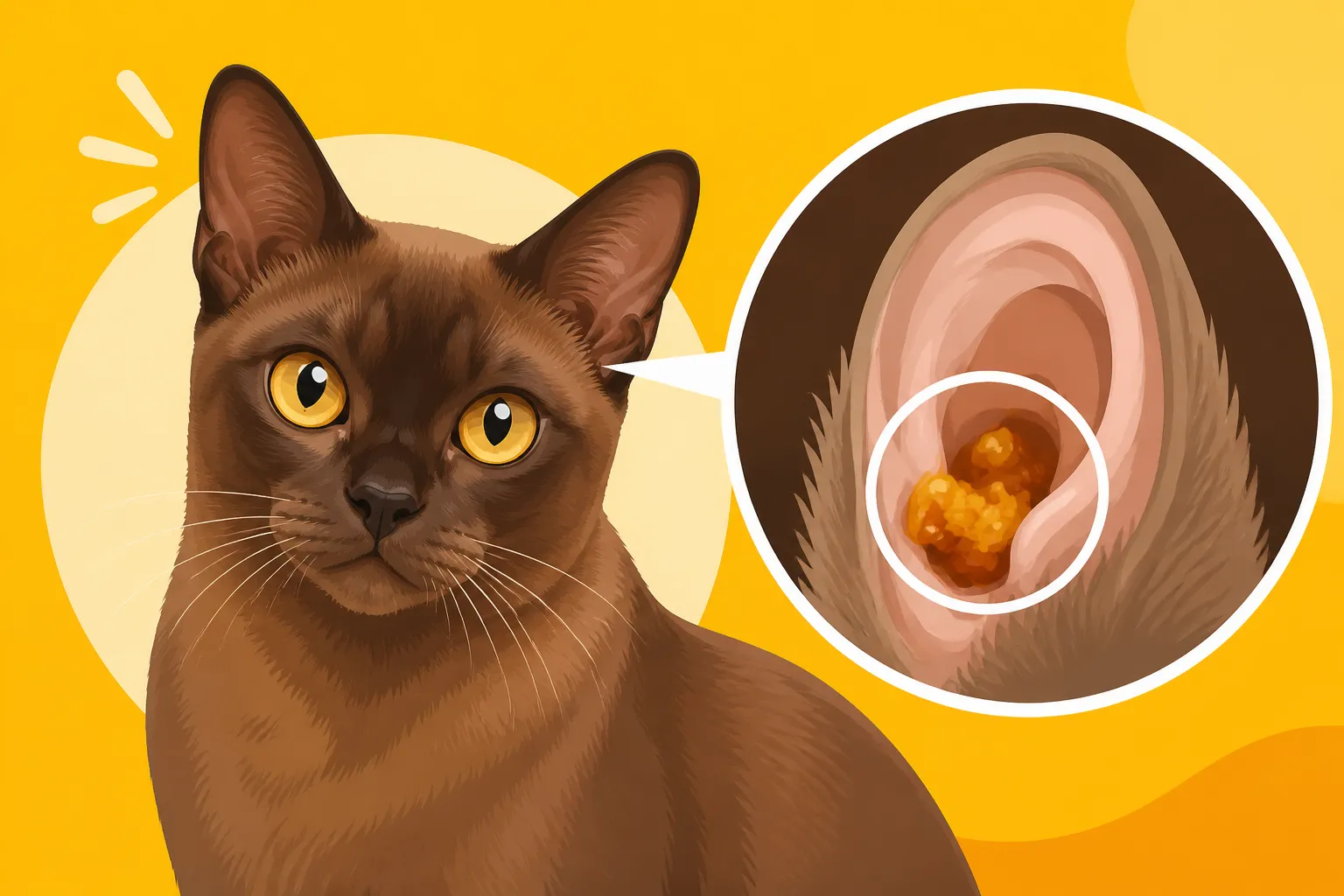
This is probably the most common ear issue cat owners encounter, and it's almost always a sign of ear mites. If you notice a dark, reddish-brown to black discharge that looks strikingly like coffee grounds, it's highly likely your Burmese has these tiny, highly contagious parasites. The wax itself is a mixture of ear wax, blood, and mite debris.
Ear mites (Otodectes cynotis) are incredibly irritating. Your Burmese will likely be scratching their ears constantly, shaking their head, and might even be rubbing their ears on furniture or the floor in an attempt to relieve the itch. The skin around and inside the ear can become inflamed and red due to all the scratching. Ear mites are easily spread between cats, and even dogs, so if you have a multi-pet household, it's safe to assume all animals might need treatment if one is infected. Thankfully, treatment is typically effective and involves specific ear drops or topical medications prescribed by your vet. You might find appropriate cleaning solutions and follow-up treatments (once prescribed) available on platforms like Chewy or Amazon.
Reddish-Brown or Yellow, Waxy Discharge: Bacterial Infections
If the ear wax isn't quite "coffee grounds" black but has turned a distinct reddish-brown or a yellowish hue, and particularly if it's accompanied by a strong, often foul odor, a bacterial infection is a strong possibility. This discharge might be sticky, gooey, or even pus-like in more advanced cases.
Bacterial ear infections are painful and uncomfortable. Your Burmese might be holding their head tilted, avoiding being touched around their ears, or crying out when they scratch. The ear canal itself will often look red and swollen, and your cat might feel warm to the touch around the affected ear. These infections can be primary issues, or they can occur as a secondary complication if something else, like mites or allergies, has compromised the ear canal's natural defenses. A vet visit is essential here, as the right antibiotic ear drops are needed to clear up the infection effectively.
Greenish-Yellow, Pus-like Discharge: Yeast Infections
While less common than bacterial infections or mites as a primary problem, yeast infections can certainly occur in a Burmese's ear, often as a secondary issue. If you observe a greenish-yellow, sometimes greasy or pus-like discharge, accompanied by a distinct, sweet, or "yeasty" odor (some describe it as smelling like stale bread or cheese), then a yeast overgrowth could be the culprit.
Yeast infections, usually caused by Malassezia species, also cause intense itching, head shaking, and discomfort. The ear skin may appear red, thickened, and greasy. Sometimes, these infections can be linked to underlying systemic issues or allergies that weaken the skin's defenses. Diet, while not a direct cause of ear infections, can certainly play a role in a cat's overall immune health and inflammatory response. Ensuring your Burmese is on a high-quality, appropriate diet, as discussed in Feeding a Burmese Is a Medical Decision, Not a Preference, is crucial for their general well-being.
Excessive Amounts or Strong Odor
Even if the color seems somewhat normal, an excessive amount of wax, or any noticeable change in the usual subtle odor of your Burmese's ears, should raise a flag. "Excessive" means the wax is quickly building up, seems to be filling the ear canal, or requires frequent, intense cleaning that wasn't necessary before. A strong odor, whether it's foul, sweet, or simply "off," is a clear indicator of a microbial imbalance or infection, even if you can't see much discharge. These symptoms suggest inflammation or an underlying problem that needs investigation. Remember, your Burmese is often an expert at hiding discomfort, as highlighted in Why a Burmese Hides Illness Behind Its Affection, so these subtle changes might be the only clues you get.
When to Be Concerned and Seek Vet Care
It can be tempting to try a home remedy or an over-the-counter solution when you first spot something unusual in your cat's ears. However, ear problems are often more complex than they appear, and a professional diagnosis is always the safest and most effective route.
Beyond Just Wax: Other Symptoms to Watch For
While changes in ear wax are a primary indicator, pay close attention to other behaviors and physical signs that might accompany ear issues. These can include:
- Pain or Sensitivity: Your Burmese might recoil or cry out when you touch their ears or head.
- Redness or Swelling: The inner ear flap or visible parts of the ear canal look inflamed.
- Constant Scratching: Persistent scratching at the ears or rubbing their head.
- Head Tilting: Holding their head at an unusual angle.
- Loss of Balance or Disorientation: This is a more severe sign, suggesting a middle or inner ear infection, which can be very serious.
- Hearing Changes: Not responding to sounds as readily as before.
- Lethargy or Appetite Loss: Any ear infection can make your cat feel generally unwell, impacting their energy and appetite, as explored in Why a Burmese's Appetite Goes When It Is Unhappy.
If you notice any of these signs alongside abnormal ear wax, it's definitely time to schedule a vet appointment. The Burmese breed is known for its affectionate and playful nature, often staying kittenish even into old age. A change in their usual enthusiastic behavior can be a subtle but important indicator of underlying discomfort or illness.
The Importance of Professional Diagnosis
Self-treating ear problems in cats can be risky because different issues require different treatments. What works for ear mites won't help a bacterial infection, and using the wrong medication can make things worse or mask symptoms, delaying proper diagnosis. Your veterinarian has the tools and expertise to:
- Examine the Ear Canal: Using an otoscope, they can get a clear view deep inside the ear canal and check the eardrum, looking for foreign bodies, inflammation, or damage.
- Take a Swab: A small sample of the ear discharge can be examined under a microscope (cytology) to identify whether mites, bacteria, or yeast are present, and sometimes even determine the specific type.
- Prescribe the Correct Treatment: Based on their findings, your vet will prescribe the most appropriate medication, whether it's anti-parasitic drops, antibiotics, antifungals, or a combination. They might also recommend an ear cleaner that is safe and effective for your cat's specific condition.
Remember, a Burmese's overall health can impact their susceptibility to various conditions, including ear issues. Regular vet check-ups are vital, not just for ears, but for monitoring conditions like diabetes and other breed-specific concerns mentioned in Which Diseases the Burmese Actually Carries. These routine visits, often covered under your annual budgeting for What a Burmese Costs Over Sixteen Years, allow your vet to catch potential problems early, as detailed in How Often a Healthy Adult Burmese Needs Checking and What a Burmese Kitten's First Exam Should Cover.
Keeping Your Burmese's Ears Clean and Healthy
Once any issues are resolved, or if your Burmese has consistently healthy ears, maintaining that health through gentle cleaning and proactive care is key. Consistency is more important than aggression when it comes to ear hygiene.
Gentle Cleaning for Healthy Ears
Regular, gentle ear cleaning can prevent wax buildup and help you spot any problems early. Here’s how to do it safely:
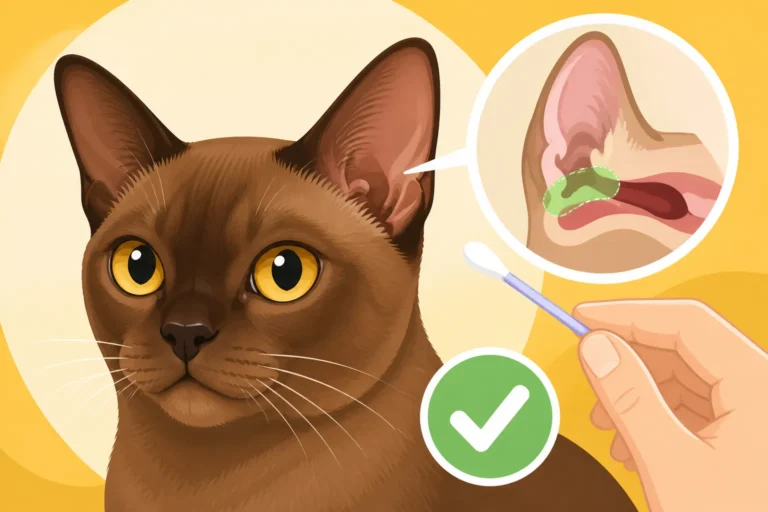
- Gather Your Supplies: You'll need a cat-specific ear cleaning solution (your vet can recommend one, and you can find many reputable brands on Chewy or Amazon) and some soft cotton balls or gauze squares. Never use cotton swabs (Q-tips) inside your cat's ear canal, as this can push debris deeper or damage the eardrum.
- Position Your Burmese: Find a comfortable spot where your cat feels secure. A quiet room is best. Having another person gently hold your Burmese can be helpful, especially if they aren't used to ear cleaning. Many Burmese are quite amenable to handling, thankfully!
- Apply Cleaner: Gently hold your Burmese’s ear flap upright. Carefully squirt the recommended amount of ear cleaner into the ear canal. Don't push the tip of the bottle too far in.
- Massage the Base of the Ear: Once the cleaner is in, gently massage the base of the ear for about 20-30 seconds. You might hear a squishing sound, which means the cleaner is working its way around the canal. This helps to break up wax and debris.
- Let Your Cat Shake: Allow your Burmese to shake their head. This helps to dislodge loosened debris and bring it to the surface. It might get a little messy, but it's effective!
- Wipe Clean: Use a fresh cotton ball or gauze wrapped around your finger to gently wipe away any visible wax or discharge from the outer part of the ear canal and the folds of the ear flap. Only clean as far as your finger can comfortably reach without forcing it. Repeat with fresh cotton until no more debris is coming out.
- Reward: Always reward your Burmese with praise, a small treat, or some playtime after ear cleaning to create a positive association.
Preventive Measures and Regular Checks
Proactive care is the best defense against ear problems.
- Routine Visual Checks: Make it a habit to check your Burmese's ears weekly. A quick peek inside, looking for changes in wax, redness, or odor, takes mere seconds. Incorporate this into your general grooming, perhaps when you're giving their gorgeous Whether a Burmese Can Be Brushed at Home a quick once-over with a chamois.
- Dietary Considerations: While diet isn't a direct ear cleaner, a well-balanced, high-quality diet supports a strong immune system and healthy skin and coat, which are all interconnected.
- Monitor Water Intake: Surprisingly, monitoring your Burmese's water intake can be an indicator of general health, as discussed in Why a Burmese's Water Intake Is Worth Tracking. While not directly tied to ear wax, changes in drinking habits can signal underlying health issues that might manifest in various ways, including secondary infections.
- Vet Check-ups: Consistent annual veterinary check-ups are your best line of defense. Your vet will routinely examine your Burmese's ears as part of their comprehensive physical exam, often catching subtle issues before they become major problems.
By understanding what's normal for your Burmese's ears and knowing the signs of trouble, you can ensure these affectionate, playful cats enjoy a lifetime of comfort and good health.
Disclaimer
This article is for general informational purposes only and does not constitute professional advice. Laws, prices and regulations vary by location and change over time. Consult a qualified professional for guidance on your specific situation.