How Many Boxes Two Burmese Need
One of the most common headaches for any cat parent, especially those lucky enough to share their lives with two wonderfully active Burmese, is figuring out the whole litter box situation. It might seem like a simple question, but if you get it wrong, you could face anything from stress-related health issues in your beloved companions to messy accidents around the house. This guide will walk you through exactly why the "number of cats plus one" rule is so crucial for Burmese pairs and how to set up the ideal litter box environment to keep your affectionate, energetic cats happy and healthy.
The Golden Rule for Multi-Cat Households
When you bring a second Burmese into your home, you're not just adding another cat; you're introducing a whole new dynamic to their shared space, especially when it comes to something as essential and personal as the litter box. It’s not simply a matter of adding one more item to your shopping list; it’s about understanding feline psychology and territorial instincts.
Why "Number of Cats Plus One" Is More Than Just a Suggestion
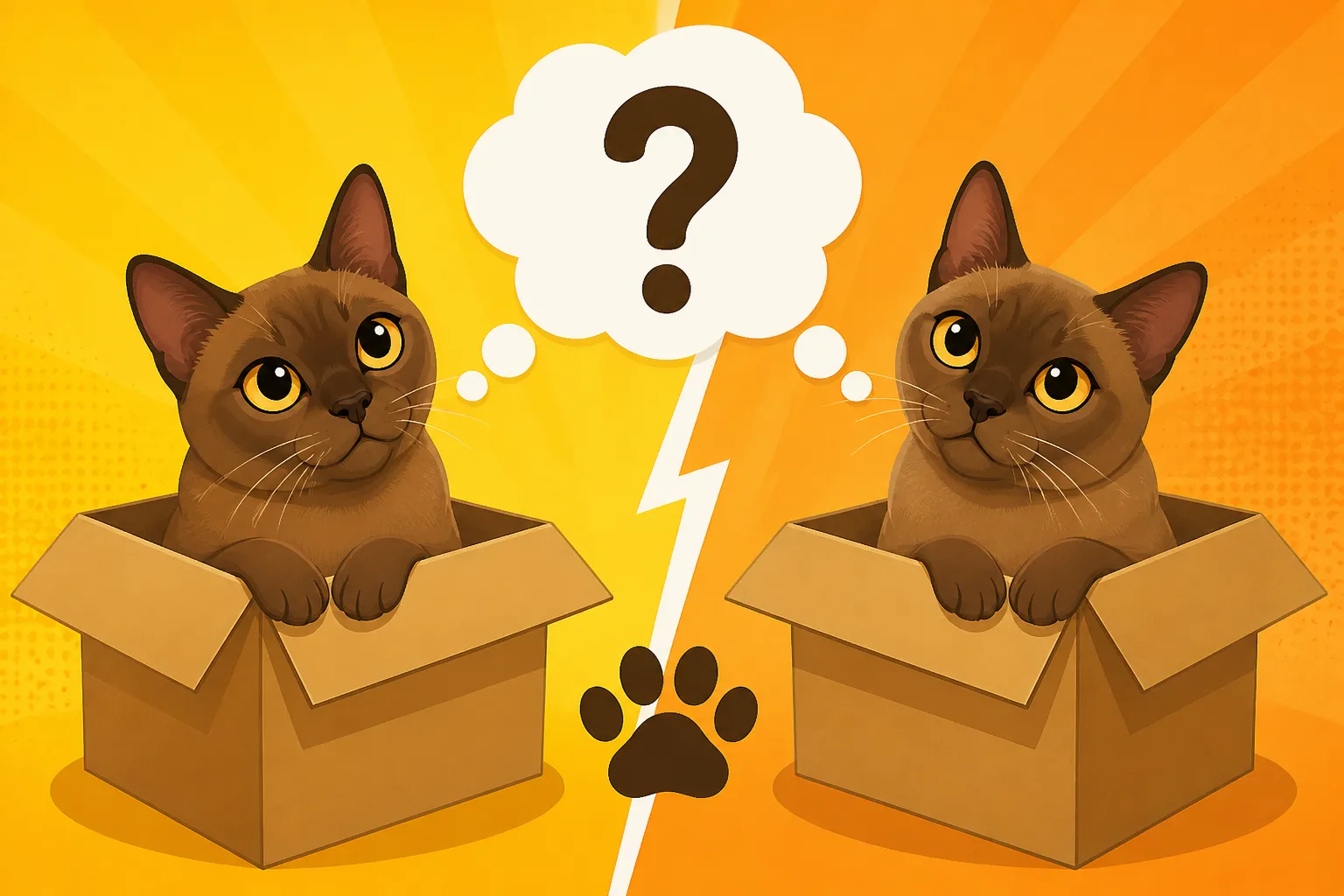
The "number of cats plus one" rule – meaning if you have two cats, you should have three litter boxes – isn't just a quirky suggestion from a seasoned cat expert. It's a fundamental principle rooted in a cat's instinctual need for choice, security, and cleanliness. Imagine sharing a single bathroom with another person who has equally strong opinions about hygiene, and you might start to get a sense of the predicament your cats face with too few boxes.
Cats, by nature, are incredibly fastidious creatures. They don't want to use a dirty litter box any more than we'd want to use a dirty toilet. If one box is already "used," and the other is too, they might hold it, which can lead to uncomfortable health issues like urinary tract infections, or they might simply decide that your favorite rug is a much more acceptable alternative. With two cats, one might be more dominant and effectively "claim" a box, leaving the other feeling anxious or even bullied away from it. This unspoken competition can create underlying stress that manifests in undesirable behaviors. Providing that extra box offers a vital sense of security and choice, minimizing conflict and ensuring that both your Burmese have a clean, available spot whenever nature calls. It also gives them options – maybe one cat prefers a particular location, or perhaps they simply appreciate having an unused spot for their next visit. This small addition makes a world of difference in maintaining harmony in a multi-cat home.
The Burmese Exception: Why They Might Need Even More Space
Now, when it comes to Burmese cats, this "cats plus one" rule sometimes needs to be interpreted with a little extra generosity. Burmese are renowned for their incredibly playful and energetic nature, even well into their senior years. What an Old Burmese Still Wants to Play They are also known for their robust, muscular build, making them larger and heavier than they often appear, something many owners discover when they try to pick them up! Why a Burmese Is Heavier Than It Looks This physical characteristic means they need ample space to maneuver comfortably within their litter box. A cramped box can feel vulnerable and unpleasant, deterring them from using it.
But there's another, more significant reason why Burmese might necessitate a higher-than-average litter box provision: their predisposition to certain health issues, particularly diabetes. The Burmese has a significantly higher rate of diabetes compared to other breeds, and one of the earliest and most noticeable signs of this condition is increased thirst and urination. Why a Burmese Drinking More Needs Testing That Week If your Burmese is drinking more, they'll be peeing more, and this means their litter box will get dirty faster. A single extra box might not be enough if one of your beloved felines develops diabetes, as they'll need consistently clean options. Investing in more boxes from the outset, especially if you have two, is a proactive step in managing their health and comfort. It also allows you to better monitor their individual habits, which can be critical for early detection of issues like increased urination. What a Burmese's Glucose Should Be Checked From Seven
Understanding Burmese Litter Box Habits
To provide the best litter box setup, it's essential to understand what constitutes "normal" for your Burmese and how their health and diet directly impact their bathroom routines. Burmese are typically very consistent creatures, and any deviation from their established habits can be a subtle sign that something is amiss.
What a Healthy Burmese Litter Box Looks Like
A healthy adult Burmese, consuming an appropriate diet, will typically urinate anywhere from two to four times a day and defecate once or twice. The urine clumps should be firm and roughly the size of a golf ball or slightly larger, depending on the individual cat and their hydration. The stools should be well-formed, brown, and relatively firm, not crumbly or too soft. What's equally important is the volume of waste. You'll notice consistent amounts from a healthy cat. If you suddenly find unusually large, sodden clumps of urine, or if the litter box needs scooping far more frequently than usual, it’s a red flag. This can be a sign of increased thirst and urination, which, as we discussed, is a primary indicator of diabetes in the Burmese. Tracking these subtle changes, even if it feels a bit mundane, is a cornerstone of proactive health management for your cats. It's much easier to spot these changes when you have enough clean boxes to observe them properly, rather than a single, constantly full one.
The Impact of Diet and Health on Litter Box Use
Diet plays an absolutely monumental role in the health of your Burmese, particularly when it comes to their urinary system and the risk of diabetes. For a Burmese, feeding isn't just about satisfying hunger; it's a medical decision. Feeding a Burmese Is a Medical Decision, Not a Preference A diet high in carbohydrates, often found in dry kibble, can predispose Burmese to diabetes. When a cat eats a carb-heavy diet, their body constantly works to process sugars, which can strain the pancreas over time.
A cat on a high-moisture, low-carbohydrate, meat-based diet will typically produce healthier, less voluminous stools and maintain better urinary tract health. Conversely, a cat eating dry kibble might drink more water to compensate for the lack of moisture in their food. While drinking more sounds good, excessive thirst and urination – especially if it's new behavior – warrants immediate investigation as it’s a hallmark sign of feline diabetes. Why a Burmese's Water Intake Is a Diabetes Warning So, if you're feeding your Burmese a less-than-ideal diet, you might find yourself scooping more frequently, and the waste might not look as healthy. Investing in high-quality wet food, especially low-carb options, can dramatically improve their overall health and, in turn, make litter box maintenance a far less arduous task. Many owners find excellent options on sites like Chewy or Amazon, making it easy to keep a healthy supply of premium food.
Choosing the Right Litter Boxes for Your Burmese Pair
The type, size, and placement of your litter boxes are just as important as the number. Think of it like furnishing a house – you want functional, comfortable pieces that fit the inhabitants and the space.
Size and Type: Catering to the Burmese Physique
Given the Burmese's sturdy and muscular build, they aren't small, dainty cats. They need a litter box that allows them to enter, turn around comfortably, and dig without spilling litter everywhere. Standard-sized litter boxes often fall short, feeling cramped and discouraging to a larger cat. Look for "jumbo" or "extra-large" options. A good rule of thumb is that the box should be at least 1.5 times the length of your cat from nose to tail base.
When it comes to type, you'll generally choose between open-top boxes and hooded (covered) boxes.
- Open-top boxes are often preferred by cats because they offer a sense of security (no trapped feeling) and better ventilation, which keeps odors from concentrating inside the box. They are also easier for you to scoop and clean.
- Hooded boxes can be appealing to owners for aesthetic reasons or to contain odors and litter scatter. However, the enclosed space can trap odors, making them unpleasant for a cat. Some cats also feel vulnerable in them because they can't see their surroundings. If you opt for hooded, ensure it's exceptionally spacious and scooped very frequently. Consider a litter box with a wide, low entry point, as this is easier for young kittens and older, potentially arthritic Burmese to access.
Placement is Key: Strategic Spots for Peace and Privacy
The location of the litter boxes is paramount to your cats' comfort and willingness to use them. While it might be tempting to tuck all the boxes away in one inconspicuous corner, this can lead to problems, especially with multiple cats. Here’s why strategic placement matters:
First, avoid placing all boxes in a single location. If you have two Burmese and three boxes, spread them out. Place one in a quiet, low-traffic area, another in a different room, and perhaps a third in a basement or a less-used bathroom. This prevents one cat from guarding access to all the boxes and ensures that even if one spot is occupied or feels unsafe, there's always another option available. Consider a cat's perspective – they need to feel safe and have an escape route if another cat or person approaches while they're vulnerable.
Second, ensure privacy but not isolation. While a private spot is good, don't put a box in a place so isolated that your cat feels cut off from the household. Burmese are incredibly social creatures who want to be involved in family life. Why a Burmese Cannot Be Left Alone All Day A secluded corner of a living area or a quiet hallway might be better than a rarely-visited basement. Avoid placing boxes near noisy appliances (like washing machines) or heating vents that can create unpleasant drafts or sudden noises. Also, resist the urge to place food and water bowls right next to the litter box; cats instinctively prefer to eat and eliminate in separate areas.
Third, consider vertical space. If you live in a multi-story home, ensure there's at least one litter box on each level. This is crucial for older Burmese or those with mobility issues, as they may not want to navigate stairs every time they need to go.
Litter Preferences: What Your Burmese Really Wants
Just like people have preferences for toilet paper, cats have strong opinions about their litter. And a happy cat often means a happy owner!
- Scented vs. Unscented: Most vets and cat behaviorists recommend unscented litter. While scented litters might smell pleasant to humans initially, the strong perfumes can be overwhelming and off-putting for a cat's sensitive nose. Many cats will avoid a scented box, preferring to find an unperfumed spot elsewhere.
- Texture: Fine-grained, soft litter is generally preferred by cats as it mimics the sandy substrate they would use in the wild. Clay clumping litter is a popular choice for this reason. Some cats dislike very coarse or dusty litters.
- Dust Control: Low-dust formulas are better for your cats' respiratory health (and yours!). Excessive dust can irritate their lungs and cause problems.
- Consistency: Once you find a litter your Burmese likes, try to stick with it. Sudden changes in litter type can lead to litter box aversion. If you must change, do so gradually by mixing the new litter with the old over a week or two.
- Quantity: Fill the boxes with a good depth of litter, typically 3-4 inches. This allows your Burmese to dig properly and cover their waste, satisfying their natural instincts.
It’s a good idea to experiment with a few different types of litter if you’re unsure, placing different options in different boxes and observing which one gets the most use. Brands like Chewy and Amazon offer a wide array of litter types, making it easy to find one that suits your Burmese.
Maintaining a Pristine Environment for Your Burmese
Even with the right number of boxes and perfect placement, inadequate maintenance can quickly turn a good setup into a disaster. Cleanliness is king when it comes to cat litter boxes.
Scooping Frequency: The Non-Negotiable Daily Task
This is perhaps the most crucial aspect of litter box management for any cat, but especially for multiple Burmese. You should scoop your litter boxes at least once a day, and ideally twice daily. For some homes with highly particular cats or a cat prone to heavy urination (like a diabetic Burmese), even more frequent scooping might be necessary. Think of it this way: every time you scoop, you're not just removing waste; you're refreshing their private space.
Neglecting daily scooping quickly leads to boxes becoming full, smelly, and generally repulsive to your cats. This is where those "accidents outside the box" often begin. A cat might start associating the box with an unpleasant experience and seek out cleaner, more appealing alternatives – like your freshly laundered laundry basket or a potted plant. Regular scooping also allows you to monitor changes in their waste, as discussed earlier. If you notice a sudden increase in urine volume, it's easier to spot when you're scooping every day. Remember, How much more litter a diabetic Burmese gets through means you'll be scooping a lot more if that situation arises.
Deep Cleaning Schedules: Keeping Things Fresh
Beyond daily scooping, litter boxes require regular deep cleaning. This means completely emptying all the old litter, scrubbing the box with warm water and a mild, unscented soap (or a diluted bleach solution, thoroughly rinsed), and then refilling it with fresh litter.
- How often? For most households with two Burmese and three boxes, a full deep clean every 2-4 weeks is a good baseline. However, if you notice lingering odors, or if your cats are particularly prone to urinary issues, you might need to do it more frequently. If you're using a plastic box, over time the plastic can absorb odors and scratch, making it harder to keep truly clean.
- When to replace the box? Plastic litter boxes don't last forever. Even with diligent cleaning, scratches from scooping and claws can harbor bacteria and odors. It's generally recommended to replace plastic litter boxes about once a year, or sooner if you notice significant scratching or persistent odor. Stainless steel litter boxes are a fantastic investment because they are non-porous, incredibly easy to clean, and don't retain odors, lasting much longer than plastic alternatives.
When Litter Box Issues Arise
Even with the best intentions and setup, sometimes issues can crop up. If your Burmese suddenly starts eliminating outside the litter box, it's crucial to approach it methodically rather than just assuming they're being "naughty."
- Rule out medical causes first: This is paramount. Any sudden change in litter box habits must be investigated by a veterinarian immediately. Urinary tract infections, kidney issues, bladder stones, or diabetes are all common culprits that can cause a cat to avoid the box due to pain or increased urgency. Don't skip this step!
- Evaluate your setup: Once medical issues are ruled out, take a critical look at your litter box environment.
- Number of boxes: Do you have enough?
- Cleanliness: Are you scooping frequently enough? When was the last deep clean?
- Litter type: Have you recently changed litter? Is it scented?
- Location: Is the box in a high-traffic or noisy area? Is there enough privacy? Is another cat guarding access?
- Size: Is the box big enough for your Burmese to comfortably move around?
- Stress and anxiety: Burmese are deeply sensitive and social cats. Why a Burmese Is the Velcro Cat of the Cat Fancy Any changes in the household – a new person or pet, moving furniture, even changes in your routine – can cause stress that manifests as inappropriate elimination. What Separation Anxiety Looks Like in a Burmese If you've been working longer hours and they're suddenly left alone more, this could be a factor. Why a Burmese Cannot Be Left Alone All Day This is often why breeders recommend buying two Burmese kittens together, as they provide each other with crucial company. Why Burmese Breeders Sell Them in Pairs
- Cleaning accidents: If an accident happens outside the box, clean it thoroughly with an enzymatic cleaner designed to eliminate pet odors. Cats are drawn to areas that smell like urine, so if the scent isn't completely neutralized, they're likely to return to that spot.
By systematically addressing these points, you can usually identify and resolve litter box issues, ensuring your two wonderful Burmese remain happy, healthy, and on their best behavior.
Here's a quick comparison of common litter box types:
| Feature | Open-Top Litter Box | Hooded Litter Box | Top-Entry Litter Box | Self-Cleaning Litter Box |
|---|---|---|---|---|
| Pros | Good ventilation, easy to clean, cats feel secure | Contains litter scatter, aesthetic, odor control | Excellent litter scatter control, dog-proof | Automatic scooping, less daily human effort |
| Cons | Litter scatter, odors can escape | Traps odors, can feel cramped, less ventilation | Some cats dislike top entry, harder for older cats | High cost, mechanical failures, some cats dislike |
| Burmese Suitability | Generally excellent if large enough | Only if extra-large and scooped very frequently | Possible, but ensure wide opening and easy access | Varies by cat, consider their comfort with noise |
| Ideal for Two Burmese | Provide multiple jumbo open-tops for best results | Use sparingly, only as an additional option, not primary | Could work as one of multiple options | Convenient for owners, but ensure cats accept it |
Remember, your furry friends rely on you to provide a safe, clean, and comfortable environment for all their needs. Taking the time to get the litter box setup right for your two Burmese will pay dividends in their happiness and your peace of mind.
Disclaimer
This article is for general informational purposes only and does not constitute professional advice. Laws, prices and regulations vary by location and change over time. Consult a qualified professional for guidance on your specific situation.