Whether a Burmese Needs a Heated Bed
There’s nothing quite like the feeling of your beloved Burmese cat burrowing deep under the covers with you on a chilly evening, pressing their sleek, warm body against yours. It’s a testament to their affectionate nature, but also a quiet admission: these wonderful, satin-coated companions often feel the cold. Many owners find themselves wondering if their little furnace-seeking missile wouldn't benefit from their own dedicated warm spot – specifically, a heated bed. This guide will dive deep into whether a heated bed is a luxury or a genuine need for your Burmese, exploring their unique physiology, comfort levels, and ways to ensure they're always cozy.
The Burmese Cat's Unique Coat and Its Impact on Warmth
One of the most defining characteristics of the Burmese cat, apart from their captivating eyes and dog-like personality, is their incredible coat. It’s often described as feeling like warm satin, a truly luxurious tactile experience. But this very feature, while beautiful, is also why they can struggle more with cooler temperatures than some other breeds.
Why the Satin Coat Offers Less Insulation
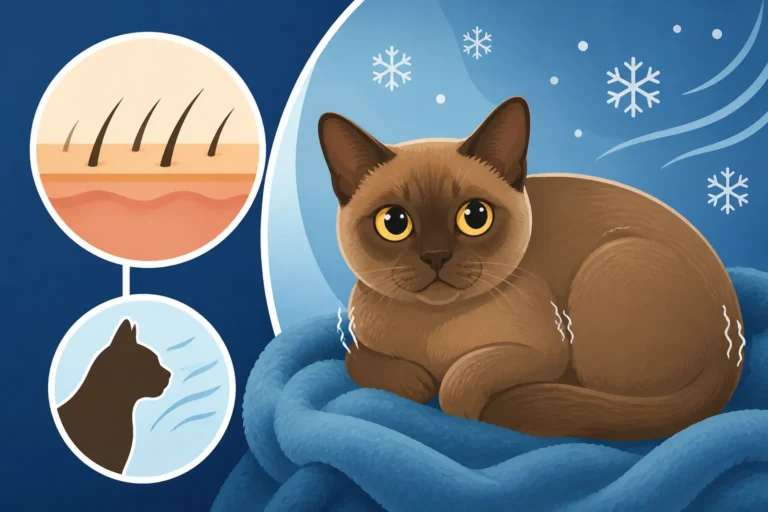
The Burmese coat is exceptionally short, fine, and lies incredibly flat against their muscular bodies. Unlike many cat breeds, they possess almost no undercoat. Think about a Siberian or a Maine Coon; they have dense, plush undercoats that trap air and provide fantastic insulation against cold weather. Your Burmese, however, is built for closeness, not for braving the elements. How Short a Burmese's Coat Actually Is and Why a Burmese's Coat Feels Like Satin both highlight these distinctive traits, but the key takeaway here is that this streamlined, low-maintenance coat means they have fewer natural layers to keep them warm.
Imagine stepping outside in just a silk slip versus a thick wool sweater. That's essentially the difference in insulation between a Burmese and a fluffy long-haired cat. This isn't a fault in their design; it’s simply how they’ve evolved. Their origins in Southeast Asia, combined with their strong desire for human contact, means they're intrinsically drawn to warmth, whether that's from a sunny window, a radiator, or, most often, your lap. In a modern home with air conditioning or just naturally cooler spots, this lack of insulation becomes a more noticeable factor in their daily comfort. They're not complaining loudly, not usually, but they are constantly seeking out that perfect warm nook.
Recognizing When Your Burmese Is Cold
Burmese cats are notoriously stoic, often hiding illness or discomfort until it's quite advanced. However, when it comes to being cold, their behaviors can be a bit more telling, if you know what to look for. One of the most common signs is their tendency to become an absolute "Velcro cat," sticking to you like glue, especially if you’re radiating warmth. They’ll snuggle under blankets, push their way under your duvet at night – sometimes even demanding access with a gentle head-butt or a persistent purr. Why a Burmese Gets Right Under the Duvet isn't just about affection; it's often a quest for that delicious body heat.
Other signs can include curling up into a very tight ball, tucking their paws and tail close to their body to minimize heat loss. You might also notice them gravitating towards any heat source they can find: a sunbeam, a vent, or even the back of a warm computer monitor. Sometimes, you might even feel their ears or paw pads are cooler to the touch than usual. While they are usually playful well into old age, a cat that seems less inclined to move around in a cool room might just be conserving energy to stay warm. It's not about them being lazy; it's about their physiological needs. As mentioned in Why a Short Coated Burmese Feels the Cold, their lack of undercoat is a major factor here, making them more sensitive to temperature drops than you might expect from such a robust-looking cat.
Benefits and Considerations of a Heated Cat Bed
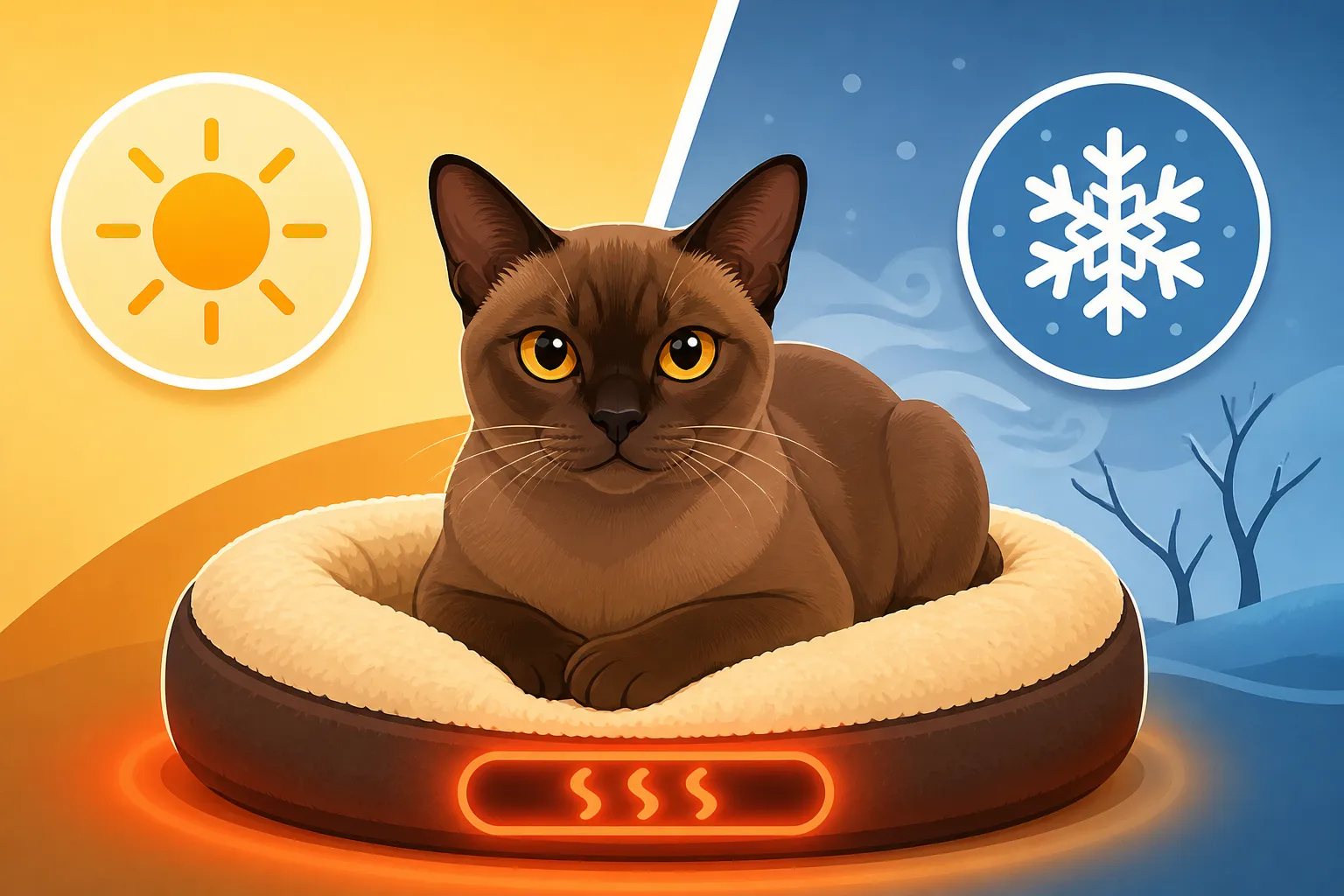
Given their natural inclination towards warmth and their specific coat type, a heated cat bed can seem like an ideal solution. It’s more than just a cozy spot; for many Burmese, it can significantly enhance their comfort and overall well-being.
The Comfort and Health Advantages
A heated bed offers a consistent, reliable source of warmth that can be particularly beneficial. For younger, healthy Burmese, it simply provides a luxurious, inviting spot for naps and relaxation, perhaps drawing them away from less ideal (and sometimes less safe) heat sources like radiators. But the real advantages often come to light as a Burmese ages. Just like humans, older cats can develop arthritis or other joint stiffness. Consistent warmth can be incredibly soothing for aching joints, improving circulation and reducing discomfort. How Arthritis Shows in a Burmese That Still Plays reminds us that even playful seniors can have these issues, and a heated bed offers gentle, non-invasive relief.
Moreover, a dedicated warm spot can prevent your Burmese from expending extra energy trying to stay warm, especially overnight or when you're not home to provide a lap. This conserved energy can be put towards maintaining their immune system or just enjoying their day. It provides them with autonomy in finding comfort, giving them a dependable retreat even when your lap is occupied or you're out. Think of it as giving them their own personal sunbeam, always on and always available. Where a Burmese Sleeps to Stay Warm is often wherever you are, but a heated bed provides a fantastic secondary, independent option.
Types of Heated Beds and Safety Concerns
When considering a heated bed, you'll find a few main types, each with its own pros and cons. Understanding these differences, and prioritizing safety, is key.
- Self-Warming Beds: These don't use electricity but contain a reflective thermal layer that captures and reflects your cat's body heat back to them. They're excellent for mild warmth, completely safe from electrical hazards, and often machine washable. They're a great entry point if you're unsure your Burmese needs active heating.
- Low-Voltage Electric Beds: These are the most common type of actively heated bed. They use a low-wattage heating element and often come with a thermostat to maintain a safe, comfortable temperature, usually just a few degrees above ambient body temperature. Look for models with chew-resistant cords and automatic shut-off features for peace of mind. Brands like K&H Pet Products are widely available on platforms like Chewy and Amazon, and are known for their safety features.
- Microwaveable Heating Pads: These are gel or bead-filled pads that you warm in the microwave. They offer intense, short-term warmth. While good for quick relief, they require reheating and aren't a continuous solution. They can be excellent for carriers during winter travel or for a cat recovering from surgery.
Safety is paramount with any electric heated bed. Always look for products specifically designed for pets and certified by recognized safety bodies. Chew-resistant cords are a must, especially for younger, more inquisitive cats. Ensure the bed's temperature control is reliable and that it doesn't get too hot – a comfortable warmth, not scorching heat, is the goal. Avoid placing anything over an electric heated bed that could trap heat excessively, and always follow the manufacturer's instructions for use and cleaning.
Here's a quick comparison of the main types:
| Feature | Self-Warming Bed | Low-Voltage Electric Bed | Microwaveable Heating Pad |
|---|---|---|---|
| Heat Source | Reflects body heat | Electrical element | Microwaved gel/beads |
| Warmth Level | Mild, passive | Consistent, active, gentle warmth | Intense, short-term |
| Duration | Continuous (as long as cat is on it) | Continuous (when plugged in) | 2-8 hours (varies by product) |
| Safety | Very High (no electricity) | High (look for certifications) | Medium (risk of overheating if not used correctly) |
| Cost | Low | Medium to High | Low to Medium |
| Maintenance | Often machine washable | Removable cover, spot clean base | Wipe clean |
| Ideal For | Mildly cool homes, all cat ages | Cooler homes, older cats, therapeutic use | Transport, short-term warmth, emergencies |
When shopping, check out retailers like Chewy or Amazon for a wide selection and customer reviews specific to pet use. Remember, a little research goes a long way in finding the perfect, safe heated bed for your Burmese.
Alternatives and Complementary Warmth Strategies
While a heated bed can be a fantastic addition, it's certainly not the only way to keep your Burmese warm and happy. Often, a combination of strategies works best, ensuring they have choices and that their innate desire for company is also met.
Creating Warm Zones Throughout Your Home
Your home probably already has several natural warm spots that your Burmese has already identified! Capitalizing on these can provide cozy alternatives. Think about placing soft, plush blankets or regular unheated beds in areas that receive plenty of direct sunlight during the day. A window sill, especially one that catches the afternoon sun, is a prime location. Just ensure it's not drafty and has a comfortable perch.
Areas near (but not directly on or dangerously close to) heat sources like radiators or heating vents are also popular. Always ensure there's a safe distance to prevent burns or overheating. Consider investing in a cat cave or a covered bed, which naturally traps body heat and provides a sense of security. The enclosed space acts as its own little microclimate, keeping your Burmese snug. Even a strategically placed blanket on the sofa or a chair can become an irresistible warm spot. As noted in Why a Burmese Seeks Out the Warmest Spot, they are experts at finding these pockets of warmth, so observing their favorite hangouts can give you clues as to where to put these additional comforts. Remember, the goal is choice: give them multiple warm, inviting options throughout the house.
The Importance of a Warm Human Lap (or Another Cat!)
No matter how many heated beds or sunbeams you provide, a Burmese cat’s ultimate warmth source is often you! These cats are famous for being "Velcro cats" – they thrive on physical contact and affection. Your lap, your shoulder, tucked under the covers with you – these are their prime destinations for warmth and comfort. Their drive for companionship is so strong that for many owners, the greatest "heated bed" is simply their presence.
This inherent need for constant company and warmth is also why many breeders strongly recommend acquiring Burmese kittens in pairs. Why Burmese Breeders Sell Them in Pairs isn't just about ensuring they're well-socialized; it's also about providing them with a constant source of comfort, play, and warmth from another of their kind. Two Burmese cats will often curl up together, sharing body heat and providing each other with immense security. If you have another cat that is equally affectionate and tolerant, your Burmese might just decide to use them as a living, purring hot water bottle, as highlighted in Why a Burmese Sleeps Against Another Cat. This mutual grooming and snuggling is not only adorable but serves a practical purpose in keeping them toasty.
Ultimately, while a heated bed can supplement their need for warmth, it rarely replaces the emotional and physical comfort they derive from their human companions or a feline friend. A well-rounded approach involves both strategic placement of warm resting spots and ample attention and interaction to fulfill their deep need for connection. This holistic approach ensures your Burmese is not just physically warm, but emotionally content, which contributes significantly to their overall health and well-being over their The Sixteen to Eighteen Years a Well Bred Burmese Gets lifespan.
In conclusion, while a heated bed isn't an absolute necessity for every single Burmese cat, it's definitely something worth considering, especially if your home tends to be on the cooler side or if you have an older or less active cat. Their beautifully sleek, short coats mean they don't have the natural insulation of many other breeds, making them prone to seeking out warmth wherever they can find it. Providing them with a safe, consistently warm spot can significantly enhance their comfort, soothe aching joints in senior cats, and simply give them an extra layer of coziness. Observe your cat's behavior, notice where they naturally gravitate for warmth, and consider adding a heated bed from trusted brands found on sites like Chewy or Amazon. Whether it's a self-warming mat, a low-voltage electric bed, or just a strategically placed blanket in a sunny spot, giving your Burmese options for warmth is an act of love that they will undoubtedly appreciate, often expressed through an even greater devotion to your lap!
Disclaimer
This article is for general informational purposes only and does not constitute professional advice. Laws, prices and regulations vary by location and change over time. Consult a qualified professional for guidance on your specific situation.