Why a Burmese Sleeps on the Radiator
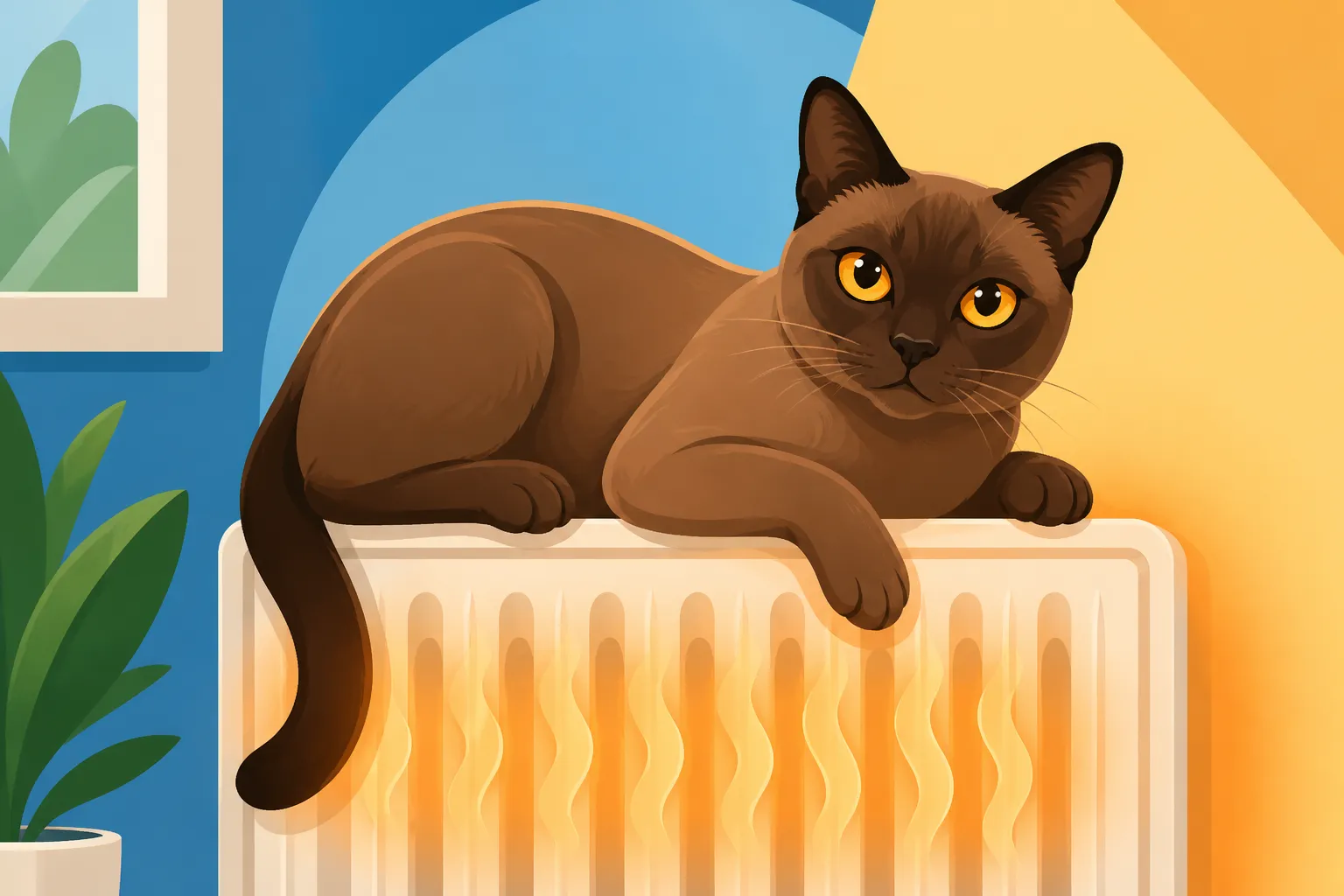
If you share your home with a beautiful Burmese cat, you’ve probably seen them performing the quintessential Burmese radiator pose: stretched out, draped over the warm coils, looking utterly content. It's a common sight that often sparks curiosity in us humans, wondering why our sleek, affectionate companions seem to crave heat more than other felines. This guide will dive deep into the fascinating reasons behind your Burmese's intense love for warmth and how you can ensure they stay comfortably cozy and safe year-round.
The Anatomical Reasons for Your Burmese's Heat-Seeking Instinct
It’s easy to assume all cats are pretty much the same when it comes to body temperature and comfort, but the Burmese is a special case. Their physical makeup, right down to their fur, plays a significant role in their desire for warmth, making a radiator or a sunny windowsill an irresistible magnet.
The Peculiar Nature of the Burmese's Satin Coat
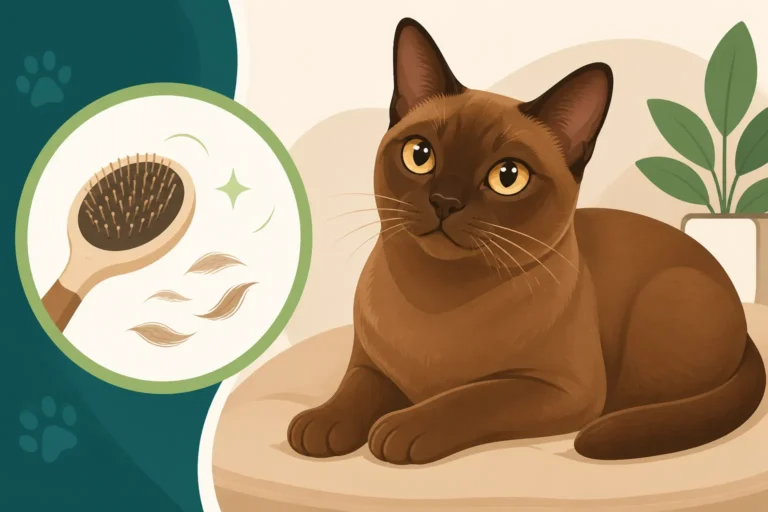
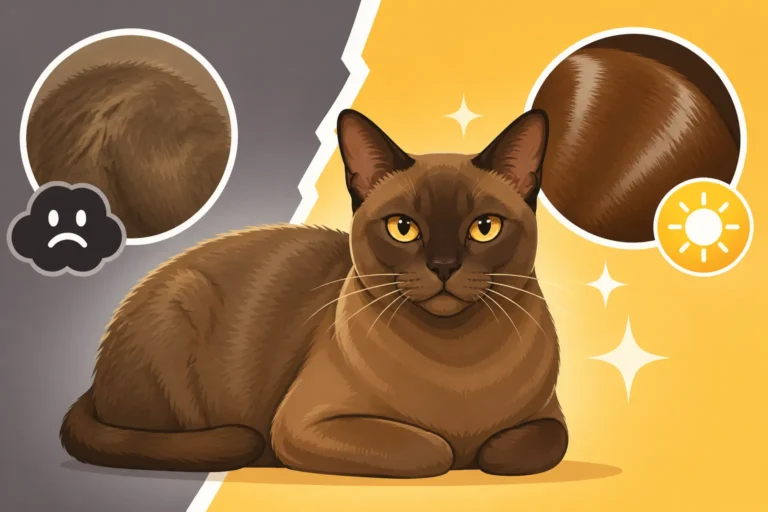
The Burmese coat is undeniably one of its most defining features. It’s famously short, incredibly fine, and possesses a unique satin-like sheen and texture that feels luxurious to the touch. But what makes it so special to us also makes it less effective at keeping them warm. Unlike many other cat breeds that boast a dense, multi-layered coat with a thick undercoat for insulation, the Burmese essentially has a single layer of very fine hair. Think of it like a beautiful silk scarf – elegant, smooth, but not exactly what you’d grab for warmth on a chilly day.
This absence of a significant insulating undercoat means that their body heat dissipates more readily into the environment. When you pet a Burmese, you can often feel the warmth of their skin almost directly, a testament to how little insulation their fur provides. They don't have that fluffy barrier common in breeds like Maine Coons or even many domestic shorthairs. This distinct characteristic means their natural defenses against the cold are considerably lower than average. If you've ever wondered How Short a Burmese's Coat Actually Is, you'll understand why their reliance on external heat sources is so pronounced. They are truly "brick wrapped in silk," as the saying goes, but that silk doesn't do much for thermal retention.
Why a Thin Coat Means They Really Feel the Cold
Given their unique coat, it stands to reason that Burmese cats are far more susceptible to feeling cold than their longer-haired counterparts. Their physiological need to maintain a stable core body temperature is constantly challenged by cooler environments. While all mammals work to regulate their internal temperature, the Burmese has fewer natural tools at its disposal to do so in cold conditions.
Imagine stepping outside in only a light t-shirt on a crisp autumn day, while your friend is bundled up in a thick winter coat. You'd quickly start looking for a warm spot, right? That's essentially what your Burmese is experiencing. They aren't just preferring warmth; their bodies are actively seeking it to avoid feeling truly chilled. This isn't just about comfort; it's a fundamental aspect of their survival instinct, albeit an exaggerated one due to their breed-specific coat. So, when you see them nestled against a radiator, they're simply fulfilling a very real physiological need. It's a clear signal from their sensitive skin and lack of insulation that they are feeling the chill, and it highlights Why a Short Coated Burmese Feels the Cold more profoundly than many other breeds.
Behavioral Patterns and the Quest for Comfort
Beyond the purely physiological, the Burmese cat's delightful personality and innate behaviors also contribute to their dedicated pursuit of warmth and comfort. They are notoriously affectionate and intelligent, often forming strong bonds with their human companions and their environment.
The Burmese Love Affair with Warm Surfaces
Burmese cats are renowned for being "Velcro cats" – they stick to you, they ride on your shoulder, and they crave close physical contact. This intense need for connection and comfort isn't limited to their human family; it extends to their surroundings as well. A warm surface, like a radiator, offers a tangible, consistent source of comfort that aligns perfectly with their affectionate and pleasure-seeking nature. It’s a predictable and soothing warmth that speaks to their core desire for coziness.
For a Burmese, a warm spot isn't just a place to warm up; it's a sanctuary. It’s where they can relax fully, often dozing off in a state of deep contentment. The radiant heat helps their muscles relax, and the sensation itself is inherently comforting, similar to how we might enjoy a warm bath or a heated blanket on a cold evening. This inherent love for warm surfaces is deeply ingrained in their behavior, making them experts at finding the toastiest spots in your home. It’s a lovely quirk that adds to their charm and reinforces Why a Burmese Seeks Out the Warmest Spot in any room.
From Radiators to Laps: Their Preferred Cozy Nooks
While radiators might be a top contender, the Burmese cat's quest for warmth and comfort leads them to a variety of other snug locations. They are masters of finding and exploiting any heat source available. This might mean burrowing deep under the duvet with you at night, creating a snug cocoon of body heat. It could also involve curling up in a tight ball on a sun-drenched patch of carpet, following the sun's path across the floor as the day progresses. Their preference for body heat is also evident in their tendency to snuggle relentlessly against other pets, be it another Burmese, a calmer dog, or even a tolerant housemate cat.
They will happily drape themselves across your lap the moment you sit down, not just for affection, but also to absorb your body heat. In multi-cat households, it's common to see a pile of Burmese cats all snuggled together, forming a compact, warm huddle. This communal cuddling is partly social, but largely driven by their shared need for warmth. Anywhere that promises sustained heat and comfort becomes a prime location for your Burmese. So, if your cat is always trying to get Why a Burmese Gets Under the Duvet or snuggles tightly with your dog, it’s all part of their delightful and warm-seeking personality. And if you have two, you’ll definitely notice Why a Burmese Sleeps Against Another Cat.
Ensuring Your Burmese Stays Warm and Healthy Safely
While your Burmese’s dedication to finding warm spots is endearing, it’s important to ensure their pursuit of comfort doesn't lead to any health issues. Over-reliance on a single, potentially too-hot source like a radiator can sometimes pose subtle risks that responsible owners should be aware of.
Potential Risks of Over-Reliance on Radiators
Modern home radiators are generally designed to be safe, rarely reaching temperatures that would cause an immediate burn to skin. However, prolonged exposure, particularly to consistent direct heat, can still lead to a few concerns for a sensitive Burmese. One key risk is dehydration. Constant warmth can subtly increase their body temperature and fluid loss through respiration. While they might drink more, it’s something to monitor, especially if they spend hours roasting themselves. It's a good idea to always ensure fresh water is readily available nearby. Keep an eye on How Much Water a Healthy Burmese Should Get Through to gauge their intake.
Another less common, but possible, issue could be localized dry skin or even mild heat stress if the room is particularly hot and they have no cooler escape routes. While unlikely to be severe, a cat consistently seeking extreme heat might feel uncomfortably warm without fully realizing the long-term effects. It's a fine balance between providing comfort and ensuring they aren't overdoing it. Make sure they can easily move away from the radiator if they get too warm, and that there are plenty of alternative, slightly cooler resting spots available.
Providing Safe and Effective Alternative Heat Sources
The good news is that there are many fantastic ways to provide your Burmese with the warmth they crave, often safer and more consistent than relying solely on a radiator. Heated cat beds are a phenomenal option. These come in various styles, from soft, plush beds with internal heating elements to self-warming mats that reflect your cat’s own body heat. You can find excellent options for these types of products from online retailers like Chewy or Amazon.
Thermal blankets are another simple yet effective solution. These often have a reflective layer that helps trap and radiate your cat's body heat back to them, providing a cozy microclimate without any electricity. Place these blankets in their favorite napping spots – on a cat tree, in a carrier, or even on a dedicated chair. Creating multiple warm zones throughout your home means your Burmese doesn't have to cling to just one heat source. Consider placing a comfy bed or a cozy igloo-style house in a sunny window where they can enjoy natural warmth. By offering choices, you empower them to regulate their own temperature safely and comfortably. If you’re considering a purchase, explore Whether a Burmese Needs a Heated Bed and discover Where a Burmese Sleeps to Stay Warm through these thoughtful provisions.
Long-Term Warmth Strategies for Your Burmese
Beyond immediate solutions, thinking about your home environment and your Burmese's overall health can ensure they remain comfortably warm throughout their long and affectionate lives. It’s about creating a holistic approach to their warmth and well-being.
Maintaining Ideal Indoor Temperatures
Creating a consistently warm home environment is perhaps the most straightforward way to cater to your Burmese's inherent need for heat. While you don't need to turn your house into a sauna, being mindful of drafts, cold spots, and overall ambient temperature can make a big difference. Many Burmese owners find they set their thermostat a few degrees higher than they might for other breeds, simply to keep their feline companions content. Placing cat beds or trees away from drafty windows or doors, or providing insulated sleeping areas, can also help maintain warmth even if the overall house temperature isn't tropical.
Consider using strategically placed pet blankets or even small, pet-safe space heaters (always with extreme caution and supervision) in rooms where your Burmese spends a lot of time. Remember, what feels comfortably cool to you, especially when you're active, might feel quite chilly to a thinly coated Burmese curled up for a nap. They are quite clear about their preferences, often refusing to venture outside in colder weather, demonstrating Why a Burmese Refuses to Go Out in Cold Weather. A well-managed indoor climate contributes significantly to their overall comfort and happiness.
Nutritional Support and General Wellbeing for Warmth
While not a direct heat source, a healthy diet and good overall well-being contribute significantly to your Burmese's ability to regulate their body temperature. A nutritionally complete diet provides the energy their body needs for all its functions, including maintaining warmth. Just like humans, a well-fed, healthy cat is generally better equipped to cope with environmental changes. Opting for high-quality, protein-rich wet food can also aid in hydration, which indirectly supports thermoregulation. Fresh, balanced nutrition can help maintain a healthy metabolism and strong body condition, both crucial for a cat that feels the cold easily.
Regular veterinary check-ups are also vital to ensure there are no underlying health conditions that might make your Burmese unusually sensitive to cold, though this is rare. Ensuring they maintain a healthy weight is also key; while too much weight is detrimental for many reasons, a healthy muscle mass provides some natural insulation. Ultimately, a happy, healthy Burmese is better equipped to seek out and benefit from the warm spots you provide, leading to a long life of contented purrs and cozy snuggles.
Disclaimer
This article is for general informational purposes only and does not constitute professional advice. Laws, prices and regulations vary by location and change over time. Consult a qualified professional for guidance on your specific situation.