How to Reweigh an Old Burmese’s Rations
It's incredibly frustrating when your beloved Burmese starts to show the subtle signs of aging, especially when it comes to their eating habits and weight. One day they're bouncing around, demanding their meals with that distinctive rasp, and the next, you notice they're either looking a little too thin despite eating, or perhaps they're packing on the pounds even though their routine hasn't changed. This guide is here to walk you through how to re-evaluate and adjust your older Burmese's food portions, ensuring they stay healthy and happy in their golden years.
Understanding the Aging Burmese's Nutritional Needs
As our beautiful Burmese cats gracefully transition into their senior years, their bodies begin to experience changes that directly impact their dietary requirements. What worked for a spry young adult might not be the best approach for a venerable elder.
The Subtle Changes in an Older Burmese's Metabolism
Think of it like us humans; as we get older, our metabolism tends to slow down a bit. The same holds true for our feline friends. An older Burmese often has a slower metabolic rate, meaning they don't burn calories as quickly as they once did. Coupled with this, many senior cats, including Burmese, can start to experience sarcopenia, which is the age-related loss of muscle mass. This isn't just about looking less buff; muscle tissue burns more calories than fat, so a decrease in muscle means a further reduction in their daily caloric needs.
Their activity levels also naturally decrease. While a Burmese is renowned for its playful, kittenish nature well into old age, those bursts of energy might become shorter, and naps a little longer. Less running, jumping, and chasing means fewer calories expended. If their food intake isn't adjusted to match these internal and external shifts, it’s easy for them to either gain unhealthy weight or, conversely, lose crucial muscle mass if their protein intake isn't adequate or if an underlying health issue is at play. It's a delicate balance that requires keen observation and proactive adjustment.
Common Health Concerns Affecting Appetite and Weight
Aging isn't just about slowing down; it can also bring a host of health challenges that can directly impact your Burmese's appetite and weight. Dental issues are incredibly common in older cats. Receding gums, painful tooth resorption, or even just general wear and tear can make eating dry kibble uncomfortable or even excruciating. Imagine trying to eat with a toothache; it's no fun. If your Burmese suddenly starts leaving food, dropping pieces, or seems hesitant to eat, their mouth is often the first place a vet will check. Why a Burmese's Gums Recede Early
Beyond dental health, various systemic diseases can affect an older Burmese's weight. Kidney disease, hyperthyroidism, and diabetes are unfortunately prevalent in senior cats. Hyperthyroidism can cause unexplained weight loss despite a ravenous appetite, while kidney disease can lead to a decreased appetite and weight loss. And, as we know, the Burmese breed is particularly predisposed to diabetes, which can cause significant weight fluctuations. Regular veterinary check-ups are paramount for older Burmese cats to catch these issues early. Your vet can perform blood work and other diagnostics to rule out or manage these conditions, which is a crucial step before making any drastic dietary changes based solely on weight. It's not just about managing symptoms, but actively caring for their overall well-being as they age. If you're looking to understand the broader care for your senior companion, you'll find more insights in Caring for a Burmese Past Twelve.
Why Their Lifelong Greed Can Still Lead to Overfeeding
Let's be honest: Burmese cats are famous for being food-motivated, to put it mildly! Their love affair with food starts early and often doesn't wane with age. This makes them absolute champions at begging, staring, and generally convincing you they are absolutely starving the moment their bowl is empty, or even just half-empty. While this charming characteristic is part of their endearing personality, it can become a real challenge when trying to manage a senior cat's weight.
Even if their metabolism has slowed and their calorie needs have decreased, their perceived hunger and vocal demands often remain as strong as ever. It's hard to say no to that insistent rasping rumble and those pleading golden eyes. This is where the risk of accidental overfeeding comes in. You might be giving them the same amount they've always had, but because their body is burning fewer calories, those extra grams quickly add up as fat. It's a classic scenario where their innate food drive clashes with their changing biological needs, making accurate portion control more critical than ever.
How to Accurately Assess Your Senior Burmese's Current Condition
Before you can effectively adjust your Burmese's food rations, you need to have a clear and accurate picture of their current health and body condition. This isn't just about looking at them; it requires a bit of hands-on assessment and consistent monitoring.
Regular Weight Monitoring at Home
One of the simplest yet most effective tools for managing your senior Burmese's diet is a consistent weighing schedule. Forget guessing; you need real numbers. I recommend weighing your Burmese at least once a week, or every other week, at the same time of day (e.g., before their morning meal).
For a sturdy adult cat like a Burmese, a good quality digital kitchen scale works wonders. If your cat tolerates it, you can place them directly on the scale. If not, weigh yourself holding the cat, then weigh yourself alone, and subtract the difference. It might feel a bit fiddly at first, but it quickly becomes part of the routine. Keep a dedicated log – a simple notebook or a spreadsheet will do. Note down the date and weight. This allows you to track trends over time, spotting subtle changes that might otherwise go unnoticed. A gradual gain of a few ounces here or a slight drop there can be early indicators that a dietary adjustment is needed, or perhaps a vet visit is in order. For more detailed instructions on how to perform this crucial task, check out How to Weigh a Burmese Accurately at Home.
Body Condition Scoring for the Muscular Burmese
The Burmese is famously described as a "brick wrapped in silk" – a wonderfully muscular and solid cat despite their sleek, short coat. This dense musculature can make visual assessment of their body condition tricky. They can carry quite a bit of extra weight before it looks obvious, especially around the belly. This is why body condition scoring (BCS) is so vital. It’s a hands-on method to assess fat reserves.
You need to feel your cat, not just look at them. Gently run your hands along their sides and back.
- Ribs: Can you easily feel their ribs with minimal fat covering them, without pressing hard? You should be able to feel them, like the back of your hand, not see them distinctly.
- Spine and Hip Bones: Can you feel their spine and hip bones without them being prominent or bony? There should be some muscle and light fat over them.
- Waist: From above, can you see a slight indentation behind their ribs, indicating a waist? From the side, is there a gentle tuck-up in their abdomen, rather than a saggy belly?
A healthy Burmese should have a good, solid feel, but you should still be able to distinguish their ribs without much effort. If you have to press firmly to feel the ribs, or if they're completely undetectable, your Burmese is likely overweight. If their ribs, spine, and hip bones are very prominent, they might be underweight. It takes practice to distinguish between healthy muscle and excess fat on a Burmese. How to Feel a Burmese's Ribs Under a Satin Coat is a great resource to learn this technique.
Here's a simplified guide to body condition scoring:
| Score | Description | What to Feel/See |
|---|---|---|
| 1-3 | Underweight / Thin | Ribs, spine, hip bones easily visible/palpable. No fat. Severe abdominal tuck. |
| 4-5 | Ideal Weight | Ribs easily felt with minimal fat cover. Waist visible from above, abdominal tuck from side. Well-proportioned muscle. |
| 6-7 | Overweight | Ribs felt with moderate pressure, fat cover. Less obvious waist/abdominal tuck. Slight abdominal fat pad. |
| 8-9 | Obese | Ribs difficult to feel. No waist, rounded abdomen. Extensive fat deposits over spine, base of tail, and prominent belly. |
Aim for that ideal 4-5 range. This visual and tactile assessment, combined with regular weighing, gives you the most comprehensive picture.
Observing Appetite and Eating Habits
While weight and body condition are objective measures, observing your Burmese's eating habits provides crucial subjective insight. Have you noticed any changes in their appetite? Are they still cleaning their bowl with gusto, or are they leaving a little behind? Sometimes, a decrease in appetite can be a subtle sign of pain, nausea, or an underlying illness. Conversely, a sudden increase in appetite, especially if accompanied by weight loss, can be a symptom of conditions like hyperthyroidism or diabetes.
Pay attention to how they eat. Are they still able to chew comfortably? Do they drop food from their mouth? Are they showing any signs of discomfort around their mouth or face during mealtime? Any of these observations could point to dental issues needing veterinary attention.
Also, don't forget water intake. While not directly related to food rations, a significant increase in thirst and urination is a classic early warning sign for conditions like diabetes and kidney disease. If your Burmese is suddenly drinking more water, it's a huge red flag that warrants an immediate vet visit. You can learn more about this critical symptom in Why a Burmese Drinking More Needs Testing That Week. Keep an eye on these behavioral cues; they are often the first indicators that something needs attention.
Adjusting Rations for a Healthy Senior Burmese
Once you have a solid understanding of your older Burmese's current condition and any potential health concerns, it's time to think about adjusting their food. This isn't a one-size-fits-all approach; it needs to be tailored to your cat.
Recalculating Calorie Needs
The first step in adjusting rations is to re-evaluate how many calories your senior Burmese truly needs. As mentioned, their metabolic rate typically slows, and activity often decreases, meaning their caloric requirements usually drop compared to their younger adult selves.
While there are general guidelines for senior cat calorie needs (often around 18-20 calories per pound of ideal body weight, compared to 25-30 for an active adult), it’s always best to consult your veterinarian. They can provide a more precise recommendation based on your cat's specific ideal weight, current health status, and activity level. For example, a senior Burmese with arthritis might be moving less and therefore needs fewer calories, whereas an older Burmese with early-stage hyperthyroidism might actually need more calories to maintain weight, even though they’re not as active.
A critical aspect of a senior Burmese's diet is maintaining adequate protein levels. As they age, they are prone to muscle loss, and sufficient high-quality protein helps to preserve that precious muscle mass. Look for foods with a high protein percentage. Don't fall into the trap of severely restricting protein to manage other conditions without veterinary guidance, as this can exacerbate muscle wasting. If you're concerned about maintaining muscle in your older Burmese, then Why an Old Burmese Still Needs Its Protein High provides excellent insights.
Portion Control: The Golden Rule
For a Burmese, portion control isn't just a suggestion; it's a medical decision, especially as they age and their diabetes risk increases. Free-feeding, where food is left out all day, is an absolute no-go. It’s a direct highway to weight gain and blood sugar instability for a breed so prone to diabetes. Why a Burmese Should Never Be Free Fed thoroughly explains the dangers.
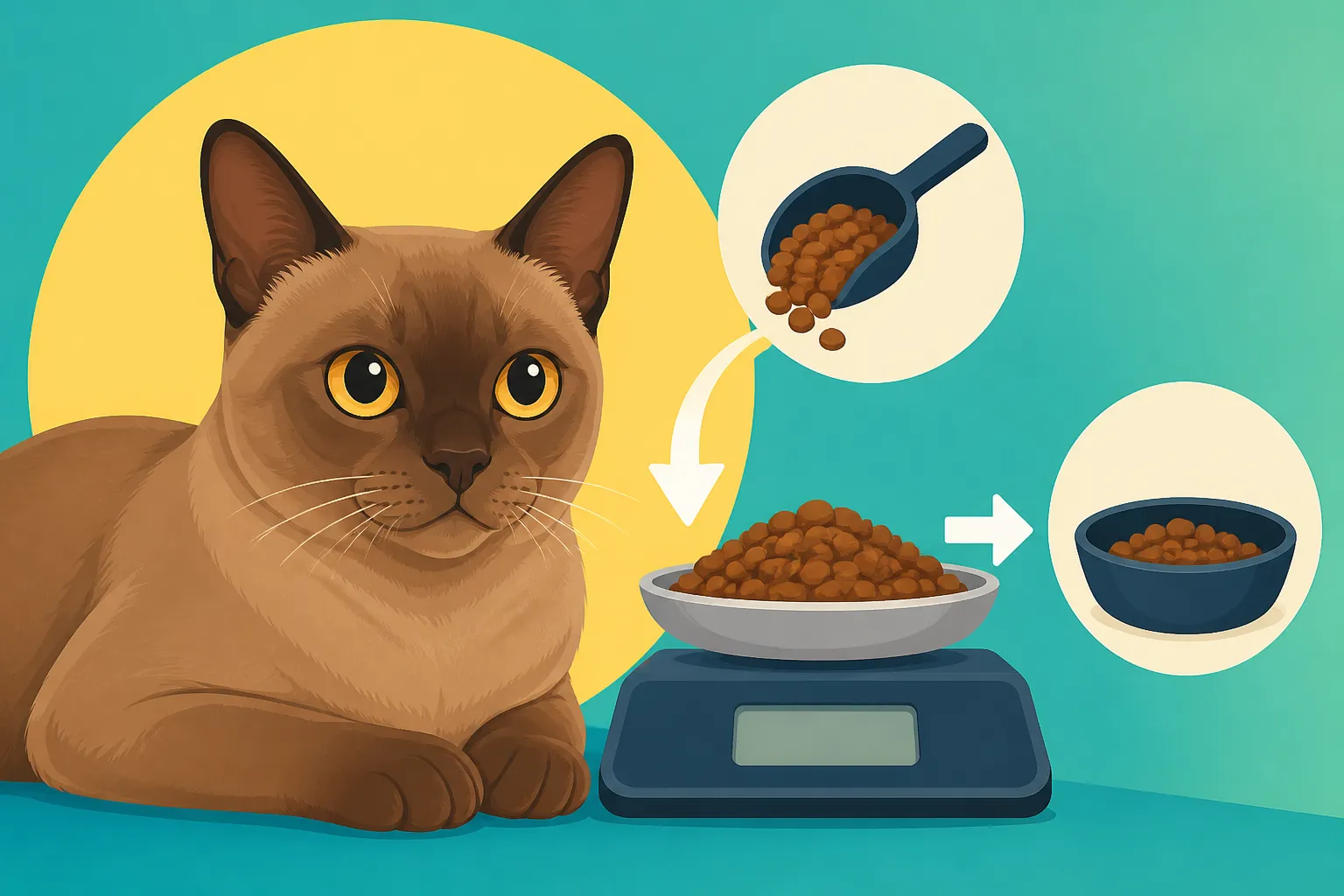
Every single meal should be weighed, not scooped. A scoop, no matter how carefully used, is inherently inaccurate. Kitchen scales (the same ones you use for weighing your cat!) are your best friend here. Even a small difference of a few grams per meal can add up over weeks and months, leading to unintended weight gain or loss. If your vet recommends, say, 150 calories per day, use the nutritional information on your cat's food packaging to precisely calculate the exact gram weight for that calorie count. Divide this daily allowance into at least two, preferably three or four, smaller meals throughout the day. This can help stabilize blood sugar and prevent that "starving" feeling that leads to relentless begging. You'll find more information on the precision required in Why a Burmese's Food Should Be Weighed on Scales.
Choosing the Right Food Consistency and Type
The type and consistency of food you offer can make a big difference for an aging Burmese. For most senior cats, wet food is often the preferred choice for several reasons:
- Hydration: Older cats can sometimes be reluctant to drink enough water, and wet food provides a significant boost to their daily fluid intake, which is crucial for kidney health.
- Digestibility: Wet food is generally easier to digest than dry kibble.
- Palatability: Many older cats find wet food more appealing due to its aroma and texture, which is great if their appetite is waning.
- Dental Issues: If your Burmese has dental problems, a soft pate or shredded wet food will be much more comfortable to eat than hard kibble. Why Wet Food Beats Kibble for a Burmese delves into this further.
When selecting wet food, always prioritize those that are high in protein and low in carbohydrates. The Burmese breed's predisposition to diabetes means that a low-carb diet is beneficial throughout their life, but especially as they age. Many “senior” formulas exist, but don't just assume they're low-carb; always check the guaranteed analysis and carbohydrate content. If you're using kibble, consider softening it with a little warm water to make it easier to chew, but remember that wet food typically offers a superior nutritional profile for a senior Burmese. The carbohydrate load is especially critical for this breed, as explained in Why Carbohydrate Load Matters More in a Burmese. Fresh, human-grade cat food options are typically high in protein and moisture, which can be a great option for a senior Burmese, but always check their current nutritional breakdown to ensure it meets your vet's recommendations.
Implementing and Monitoring Dietary Changes
Making dietary changes for any cat, let alone a senior one, requires a methodical approach, patience, and diligent monitoring. Your Burmese might be particular, and rushing things can lead to resistance.
Gradual Transitions and Patience
Cats, especially our finicky felines, are creatures of habit. A sudden, drastic change in their diet can lead to digestive upset (vomiting, diarrhea) or, more commonly, a flat-out refusal to eat. This is why gradual transitions are essential.
Start by mixing a small amount of the new food (say, 10-25%) with their current food. Over the course of 7-10 days, slowly increase the proportion of the new food while decreasing the old. Monitor their appetite, stool quality, and overall demeanor during this period. If they show any signs of upset or refusal, slow down the transition. Some cats might need two weeks or even longer for a full switch. Be prepared for your Burmese to give you the "staring treatment" or even vocal protests, but consistency is key. You can find more practical advice on how to navigate this process in How to Change a Burmese's Food Without It Refusing.
Keeping a Detailed Food and Weight Log
We’ve already talked about the importance of weighing your cat, but keeping a detailed log goes further. Beyond just their weekly weight, record:
- Daily food intake: Note the exact amount (in grams or ounces) of food offered and how much, if any, was left behind.
- Treats: Account for all treats, as these calories add up quickly.
- Water intake: If you're concerned about increased thirst, measure the amount of water you put out and how much is left.
- Energy levels: A simple note each day on whether they were active, lethargic, or normal.
- Litter box habits: Any changes in frequency, volume, or consistency of urine and stool.
This log becomes an invaluable tool. It helps you see patterns, identify what's working, and spot potential problems early. If your Burmese isn't losing weight as expected, you can re-examine the log to see if treats or slightly larger portions have crept in. If they suddenly lose appetite, the log helps you provide specific information to your vet. You can track their food intake and how it correlates with weight changes. For example, if you're ordering cat food online through retailers like Chewy or Amazon, you can easily keep track of the specific brands and formulas that work best for your log.
When to Seek Veterinary Guidance
Even with the best at-home monitoring and careful adjustments, there will be times when veterinary guidance is absolutely necessary. Don't hesitate to contact your vet if you notice:
- Sudden or significant weight loss or gain: Anything more than 5-10% of their body weight in a short period warrants immediate investigation.
- Persistent refusal to eat: Cats can go downhill very quickly if they stop eating, especially if they’re overweight, due to the risk of hepatic lipidosis (fatty liver disease).
- Signs of discomfort while eating: Pawing at the mouth, drooling, chewing on one side, or vocalizing during meals.
- Increased thirst or urination: As mentioned, this is a major red flag for diabetes or kidney issues.
- Lethargy or changes in behavior: Any noticeable drop in energy, hiding, or altered personality.
Your vet might recommend a prescription diet if your Burmese is diagnosed with a specific condition like kidney disease, diabetes, or hyperthyroidism. These diets are formulated to help manage the disease and support overall health. For instance, What a Prescription Diabetic Diet Does for a Burmese explains how specialized diets can aid in managing glucose levels. Regular senior check-ups, typically once or twice a year, are non-negotiable for older Burmese cats. These visits allow your vet to perform comprehensive exams and blood work to catch underlying issues before they become serious. How Often a Healthy Adult Burmese Needs Checking highlights the importance of these routine visits. It's a team effort, and your vet is your most important partner in ensuring your senior Burmese enjoys a long, healthy, and comfortable life.
Disclaimer
This article is for general informational purposes only and does not constitute professional advice. Laws, prices and regulations vary by location and change over time. Consult a qualified professional for guidance on your specific situation.