Caring for a Burmese Past Twelve
It’s a bittersweet milestone when your beloved Burmese cat crosses the threshold of twelve years. They’ve spent over a decade as your shadow, your purring radiator, and that playful, demanding presence that makes your house a home. But with their incredible lifespan often stretching into the late teens, sometimes even reaching The Sixteen to Eighteen Years a Well Bred Burmese Gets or more, the challenges of senior cat care can be surprisingly stealthy. Their innate tendency to hide discomfort, a trait many cat owners know all too well, means you have to be extra vigilant, because a seemingly minor change can signal something much bigger. This guide is here to walk you through caring for your senior Burmese, from recognizing subtle shifts to proactive health management, ensuring their golden years are as comfortable and joyful as possible.
Recognizing the Subtle Shifts in an Aging Burmese
Burmese cats are renowned for their perpetual kitten-like energy and boundless affection. This wonderful trait, however, can sometimes make it incredibly difficult to spot the early signs of aging or illness. They're masters of masking discomfort, continuing to engage in play or seek attention even when their bodies are telling a different story.
Why Their Playfulness Masks Early Symptoms
It’s true, Burmese cats are often called "dogs in cat suits" because of their loyalty, intelligence, and playful nature that endures well into their senior years. You might still find your fifteen-year-old Burmese chasing a feather wand with gusto, or even engaging in a vigorous game of fetch, making it easy to think they’re still in their prime. This enduring zest for life is a beautiful thing, but it also means that typical signs of aging, like slowing down or reduced activity, don’t always manifest as obviously as they might in other breeds. A Burmese will often push through discomfort to be with you, to play, or to demand cuddles. This can lead to owners missing crucial early indicators of health issues because their cat still seems fine. They might still jump onto the counter, but it might take them an extra second, or they might land a little less gracefully. These tiny hesitations, easily dismissed as an off day, could be early hints of arthritis or other underlying pain. It's a testament to their affectionate nature that they'll often prioritize interaction over showing vulnerability, but it places a greater burden on us, their human companions, to observe with a discerning eye. Remember, a Burmese might still want to play at fifteen, but the way they play might change.
Changes in Behavior and Routine
Beyond the lingering playfulness, a senior Burmese will inevitably start to show changes in their daily habits. You might notice them sleeping more deeply or for longer periods, preferring cozy, warm spots like a sunbeam or a heated bed to stay comfortable, a clear indication of Why a Burmese Seeks Out the Warmest Spot. They might also begin to avoid higher jumps they once made effortlessly, opting instead for a stepped approach using furniture or waiting for you to pick them up. Perhaps their vocalizations, usually a distinctive rasping rumble, become less frequent, or conversely, more urgent, especially if they’re feeling disoriented or uncomfortable. You might also observe subtle shifts in their interactions with you or other pets. A cat that once greeted you at the door every single time might now take a minute to stir from a deep sleep, or they might become a little less tolerant of rambunctious younger animals. These changes aren't necessarily signs of a grave illness, but they are certainly signals that their needs are evolving and deserve your attention. Keep a mental note, or even a written one, of any deviations from their established routine – it can be incredibly helpful for your vet later on.
Observing Physical Changes You Might Miss
As their activity level might remain deceptively high, spotting physical changes requires keen observation. Their famously short, satin-like coat, which usually lies flat against their body with a remarkable sheen, might start to dull slightly or become a bit less fastidious in its grooming. You might notice very subtle weight fluctuations – a slight loss of muscle mass, even if their overall weight remains stable or even increases due to inactivity. This muscle wastage can make their ribs feel more prominent, even under their deceptively muscular frame. Their gait might become a little stiffer, particularly after long naps, or you might see a slight tremor in their hindquarters when standing. Take note of their eyes; while often sparkling, an older Burmese's eyes might start to weep slightly in the corners or develop a slight cloudiness. Even their breath, which you might only notice during a close cuddle, could change, hinting at dental issues. These aren't dramatic shifts, but rather small, cumulative changes that tell a story about their aging body.
Navigating Common Health Challenges in Senior Burmese
Just like us, as Burmese cats age, they become more susceptible to certain health conditions. Being aware of these common ailments can help you identify symptoms early and work with your veterinarian to manage them effectively.
The Persistent Threat of Diabetes
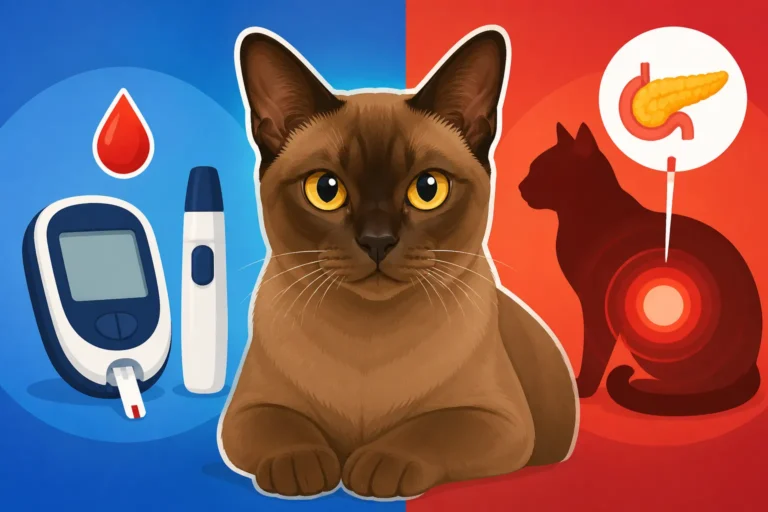
Sadly, diabetes is a significant concern for Burmese cats, a breed known for its alarmingly high predisposition. You might have already heard that The Burmese Has the Highest Diabetes Rate of Any Cat Breed, and this risk only increases with age. This isn't just a concern for overweight cats, although obesity certainly exacerbates the problem. The genetic predisposition means even lean Burmese can develop it, especially past the age of seven or eight. Common signs include increased thirst and urination, unexplained weight loss despite a good appetite, and changes in coat condition. If you notice your Burmese drinking more water than usual, perhaps even visiting the water bowl multiple times an hour, it’s a red flag that warrants immediate veterinary attention. Catching diabetes early can make a huge difference in managing the disease and even achieving remission, particularly if a strict low-carbohydrate diet is implemented. Owners must be diligent in tracking their cat's water intake and litter box habits, as these are often the first, most easily observable symptoms of this pervasive condition. Understanding Why a Burmese Is Four Times More Likely to Become Diabetic will help you prioritize prevention through diet and weight management throughout their life.
Kidney Disease and Hyperthyroidism
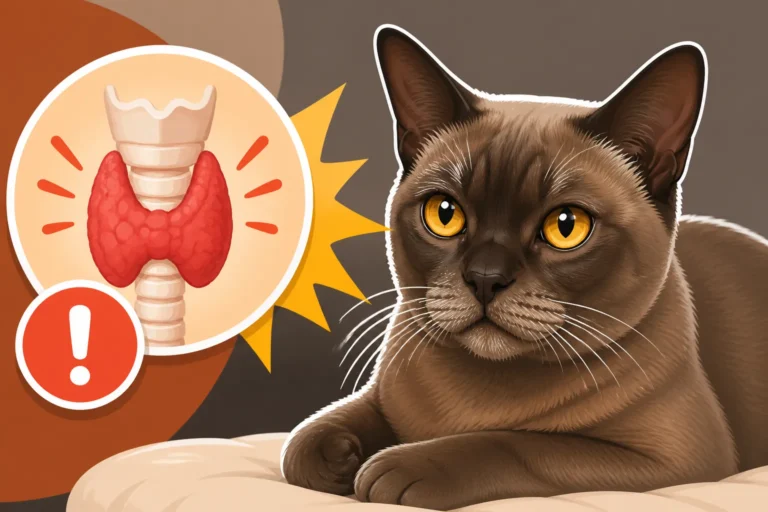
Two other very common conditions that tend to arrive with seniority in cats are chronic kidney disease (CKD) and hyperthyroidism. Kidney disease often progresses silently, with early signs being subtle increases in thirst and urination, much like diabetes. As it advances, you might notice lethargy, reduced appetite, and nausea. Hyperthyroidism, on the other hand, often presents as a cat with a voracious appetite but losing weight, accompanied by hyperactivity, a fast heart rate, and sometimes gastrointestinal upset. It's truly heartbreaking to see your previously calm cat become restless and anxious. Both conditions are best managed with early diagnosis through routine senior blood work. Regular screenings, particularly Which Blood Panel a Burmese Should Have Yearly for cats over the age of seven, are absolutely critical for early detection. Your vet can typically diagnose these conditions with a simple blood test and initiate treatment, which can significantly improve your cat's quality of life and extend their lifespan. Don't wait until symptoms are severe; be proactive.
Arthritis and Mobility Issues
Even a Burmese that is still playing at fifteen can be suffering from arthritis. Unlike dogs, cats often don’t limp dramatically. Instead, arthritis in a Burmese might manifest as a reluctance to jump to their favorite high perch, a slight stiffness in their walk after waking up, or a decrease in their willingness to engage in strenuous play sessions. You might notice they take longer to settle into a comfortable position, or they might groom less effectively in hard-to-reach areas, leading to a duller, matted patch of fur on their lower back. Sometimes, they might even seem a little grumpier when handled, especially if you inadvertently touch a sore joint. It's a difficult situation when you see your once agile companion struggling. Providing ramps to favorite sleeping spots, elevated food and water bowls, and soft, easily accessible beds can make a world of difference. Your vet can also recommend appropriate pain management strategies, from anti-inflammatory medications to joint supplements, helping your cat maintain comfort and mobility for as long as possible.
Dental Health: A Silent Battle
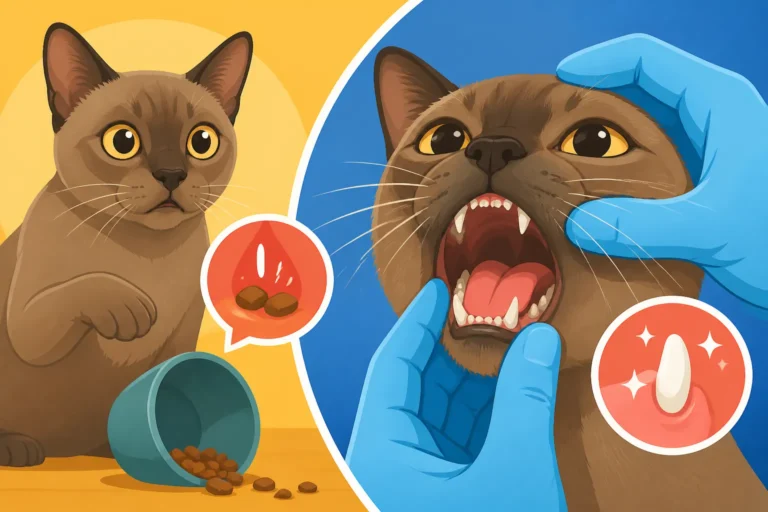
Dental disease is incredibly common in older cats, and Burmese are no exception. They are particularly prone to conditions like gingivitis, periodontal disease, and even painful tooth resorption. As a Burmese ages, their gums can recede early, exposing the sensitive roots of their teeth and making them incredibly vulnerable to infection and pain. Signs of dental issues might include bad breath, difficulty chewing, dropping food from their mouth, pawing at their face, or a decreased appetite. Often, however, cats will endure significant dental pain in silence. Ignoring these issues isn't just about bad breath; severe dental disease can lead to systemic infections affecting the heart, kidneys, and liver. Regular dental check-ups are essential, and your vet might recommend professional dental cleanings under anesthesia. Sometimes, extractions are necessary to alleviate pain and prevent further health complications. Many vets recommend that How Often a Burmese Needs a Dental once they reach senior age, often annually, to stay on top of these potential problems.
Nutritional Adjustments for the Senior Burmese
As your Burmese enters its golden years, its nutritional needs will shift significantly. What worked in their younger, more active years might not be ideal now, and making appropriate dietary adjustments is a powerful tool in supporting their health and longevity.
Re-evaluating Calorie Needs and Portion Control
An aging Burmese, even one still keen to play, often experiences a decrease in metabolic rate and activity levels. This means their calorie requirements will likely be lower than in their prime. Continuing to feed them the same amount of food can quickly lead to unhealthy weight gain, which in turn exacerbates conditions like arthritis and significantly increases the risk of diabetes. Conversely, some senior cats, especially those with conditions like hyperthyroidism or kidney disease, might experience muscle loss and benefit from a more calorie-dense diet. This is where precise Why Portion Control Is Medical Care in a Burmese becomes absolutely paramount. You’ll need to work closely with your veterinarian to determine the ideal caloric intake for your individual cat based on their current weight, body condition score, and any existing health conditions. Don't eyeball it; invest in a small kitchen scale to accurately weigh their food. Regularly monitoring their weight at home, ideally weekly, and adjusting their portions as needed, is a non-negotiable part of senior Burmese care.
The Importance of High Protein and Low Carbohydrate Diets
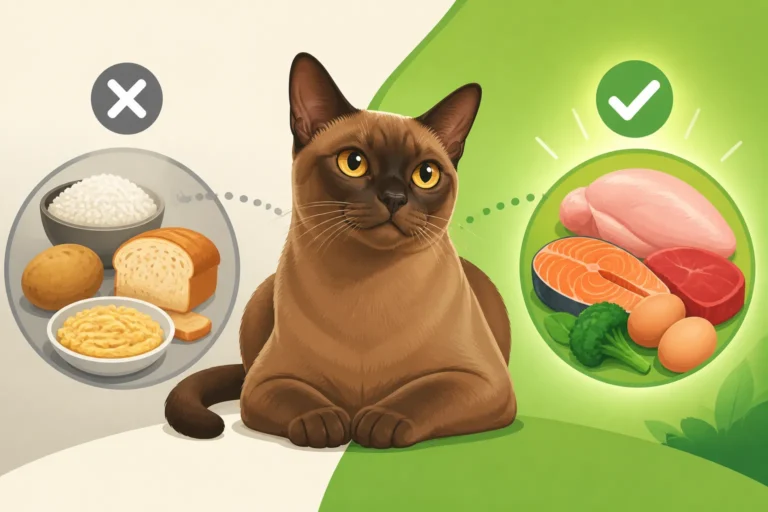
For a breed so predisposed to diabetes, a diet emphasizing high protein and low carbohydrates is crucial throughout their life, but it becomes even more critical in their senior years. High-quality protein helps maintain precious muscle mass, which naturally declines with age (sarcopenia). Losing muscle can make cats weaker and less mobile, further impacting their quality of life. A low-carbohydrate diet, especially wet food, helps regulate blood sugar levels, reducing the strain on the pancreas and helping to prevent or manage diabetes. While it might seem easier to free-feed kibble, it’s one of the worst things you can do for a Burmese, particularly an older one. Wet food generally has a higher moisture content, which is also beneficial for kidney health. Discuss specific dietary recommendations with your vet. They can help you select appropriate commercial foods that meet these criteria or guide you if a prescription diet becomes necessary. Transitioning to a new food should always be done slowly to avoid digestive upset.
Hydration and Water Intake
Hydration is a cornerstone of senior feline health, especially for maintaining kidney function. Older cats are more prone to chronic kidney disease, and ensuring they drink enough water can help support their kidneys and flush out toxins. While a low-carbohydrate wet food diet naturally boosts water intake, you should still encourage your senior Burmese to drink more. Provide multiple water bowls around the house, ensuring they are always clean and filled with fresh water. Some cats prefer ceramic or glass bowls over plastic, and many are enticed by pet drinking fountains, which offer a constant supply of circulating, filtered water. Monitoring their water intake is also a subtle but powerful diagnostic tool. A sudden increase in drinking could be a sign of diabetes or kidney disease, warranting a vet visit. A decrease, on the other hand, could indicate dehydration or another illness. By making water readily available and appealing, you're taking a proactive step in preserving their health.
Maintaining Comfort and Mental Well-being
An aging Burmese still craves comfort, stimulation, and, above all, your company. Ensuring their physical and mental well-being requires thoughtful adjustments to their environment and routine.
Creating a Senior-Friendly Home Environment
Your Burmese might not jump quite as high or move as quickly as they once did, so making your home more accessible can significantly improve their comfort and confidence. Think about their favorite spots: can they still easily reach that sunny windowsill or the top of the cat tree? If not, consider adding ramps or steps to help them access these elevated areas without strain. Provide extra soft, orthopedic beds in their preferred sleeping spots, especially if they enjoy a warm place to curl up, perhaps near a radiator. Since a satin coat that almost never needs washing (Why a Burmese's Satin Coat Almost Never Needs Washing) often means their grooming is self-managed, you should keep an eye on their hygiene. If they're struggling to groom, they might need gentle help, especially around their hindquarters.
Also, consider their litter box. An older cat with arthritis might find stepping into a high-sided litter box uncomfortable or even painful. Switch to a box with lower sides, or create an entry ramp. Ensure there are enough litter boxes, easily accessible, especially if they’re prone to increased urination due to conditions like diabetes or kidney disease. A comfortable environment means less stress and more peace for your senior companion.
Adapting Playtime for Older Cats
The wonderful thing about a Burmese is their enduring spirit of play; even an old Burmese still wants to play. However, the intensity and duration of their play sessions will naturally decrease. Instead of long, vigorous chases, opt for shorter, more frequent playtimes. Use feather wands or laser pointers, focusing on movements that don't require excessive jumping or twisting. Puzzle feeders can be fantastic for mental stimulation, keeping their minds sharp and engaged while also helping to slow down their eating, which is beneficial for managing weight and diabetes risk. Introducing new scents or textures can also provide enrichment. The key is to keep them mentally and physically active within their current capabilities, fostering joy without overexertion. Remember, it's not about stopping play entirely, but about adapting it to their evolving needs. A senior Burmese still thrives on interaction, and tailored playtime reinforces that crucial bond.
The Enduring Need for Affection and Company
The Burmese is famously known as The Burmese Is the Velcro Cat of the Cat Fancy, and this need for close companionship doesn't diminish with age. In fact, it often intensifies. An older Burmese might seek out your lap more frequently, desiring warmth and reassurance. They might follow you from room to room even more persistently, simply wanting to be in your presence. Providing consistent affection, gentle petting, and quiet lap time is essential for their emotional well-being. If your senior Burmese has separation anxiety, which can worsen with age as they become more vulnerable, maintaining a predictable routine can be very helpful. Ensure they have familiar smells and sounds around them if you leave the house. More than ever, they rely on your comforting presence. A withdrawn Burmese that stops following you should see a vet that day. Don't underestimate the power of your companionship; it’s a vital ingredient in their happiness and sense of security during their senior years.
Veterinary Care: A Proactive Approach
Regular veterinary care transitions from routine check-ups to a more proactive, preventative, and management-focused approach as your Burmese ages. Early detection and intervention become even more critical.
The Importance of Regular Senior Check-ups
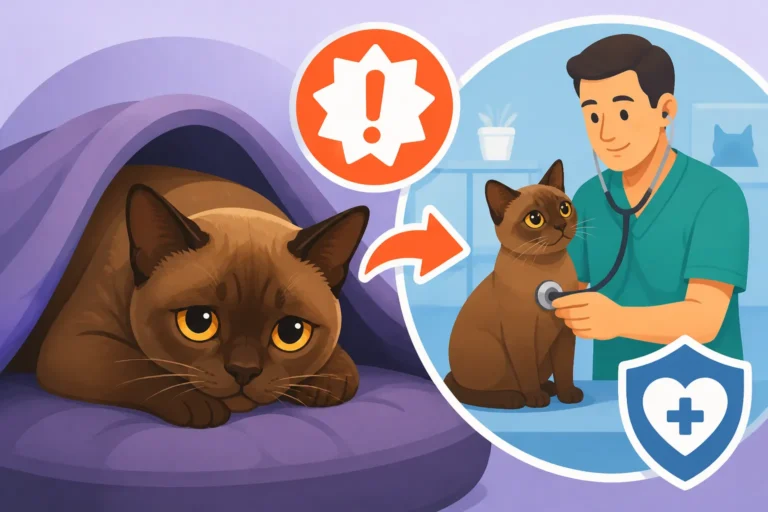
Just as we humans have more frequent health screenings as we get older, your senior Burmese needs more attention from their vet. While an adult Burmese might only need an annual check-up, once they hit their senior years (typically around 10-12 for Burmese), bi-annual check-ups are highly recommended. These regular visits allow your veterinarian to establish a baseline for your cat's health, making it easier to spot subtle changes that might indicate the onset of a health issue. During these exams, your vet will perform a thorough physical assessment, checking everything from their weight and body condition to their teeth, eyes, ears, and joints. They’ll listen to their heart and lungs and palpate their abdomen to check for any abnormalities. It’s also a fantastic opportunity for you to discuss any behavioral changes, subtle symptoms, or concerns you’ve observed at home. Catching issues early through these routine visits often means simpler, more effective treatment and a better prognosis for your beloved cat.
Understanding Senior Blood Panels and Diagnostics
Beyond the physical exam, comprehensive senior blood panels and other diagnostic tests become increasingly important. These tests are like peering inside your cat's body to catch issues before they become outwardly apparent. A typical senior blood panel will include a complete blood count (CBC) to check for anemia, infection, or inflammation, and a chemistry panel to assess organ function (kidneys, liver, pancreas). Crucially, this panel will also include a thyroid test (T4) to screen for hyperthyroidism and a glucose check, especially important given the Burmese breed's diabetes predisposition. Your vet might also recommend a urinalysis to check kidney function and rule out urinary tract infections. Sometimes, additional tests like blood pressure monitoring or even an ultrasound might be suggested, depending on your cat's individual health profile. These diagnostics are powerful tools for early detection of common senior ailments like kidney disease, hyperthyroidism, and diabetes, often revealing problems weeks or even months before clinical symptoms appear. Regular Which Blood Panel a Burmese Should Have Yearly is a cornerstone of senior preventive care.
Partnering with Your Vet for Long-Term Health
Your veterinarian isn't just a doctor; they're your most important partner in ensuring your senior Burmese lives their best life. Open and honest communication is key. Don't hesitate to ask questions, voice your concerns, or describe even seemingly minor changes you've noticed at home. Provide your vet with detailed information about their appetite, water intake, litter box habits, and any shifts in behavior or mobility. This collaborative approach allows your vet to piece together a complete picture of your cat's health. If a chronic condition like diabetes or kidney disease is diagnosed, your vet will guide you through treatment options, medication administration, dietary changes, and ongoing monitoring. They can help you understand what to watch for, how to manage potential side effects, and how to assess your cat's overall quality of life. This partnership is about empowering you to be an informed and effective caregiver, working together to make the best decisions for your senior Burmese.
Financial Considerations for Senior Burmese Care
While we never want to think about money when it comes to our beloved pets, the reality is that caring for a senior Burmese often comes with increased financial demands. Planning ahead can alleviate some of the stress when unexpected health issues arise.
Budgeting for Increased Vet Visits and Medications
As your Burmese ages, it's highly probable that your veterinary expenses will increase. Those bi-annual check-ups, comprehensive senior blood panels, and potential diagnostic tests like X-rays or ultrasounds all add up. Furthermore, if your cat develops a chronic condition such as diabetes, hyperthyroidism, or arthritis, ongoing costs for medications, special diets, and regular monitoring (like glucose curves or thyroid level checks) can become substantial. For example, insulin and needles for a diabetic cat are a recurring monthly expense, and prescription diets for kidney disease can be pricier than regular food. It’s wise to start setting aside a "senior pet fund" if you haven't already. Consider these costs as an investment in your cat's comfort and extended lifespan. Being financially prepared means you won't have to make difficult decisions based solely on cost when your cat needs medical attention.
Pet Insurance and Senior Cats
The topic of pet insurance for senior cats is complex. Many policies have age cut-offs for new enrollments, or they might exclude pre-existing conditions. If your Burmese is already showing signs of a chronic ailment, it's highly unlikely that a new policy will cover treatments related to that condition. This is why it’s often recommended to get pet insurance when your cat is younger and healthier, so that any conditions that develop later are covered. However, if your Burmese is currently healthy, it's still worth investigating accident-only plans or policies with lower reimbursement rates that might be more affordable. Companies like Healthy Paws, for example, offer comprehensive coverage plans, but like most, they will typically have exclusions for pre-existing conditions. While a full-coverage policy for an older cat might be costly or restrictive, it’s worth comparing options to see if any plan offers peace of mind for future unexpected illnesses or injuries. Even a partial reimbursement can make a significant difference.
Long-Term Care and End-of-Life Planning
Beyond the immediate costs of managing chronic conditions, it's also important to consider the potential long-term care needs of a very elderly Burmese. This might include palliative care to manage pain and discomfort, or even the difficult decision of in-home hospice care. While nobody wants to think about it, planning for end-of-life care is an act of love. Euthanasia, when it's time, comes with its own costs, as do cremation or burial services. Having these conversations with your vet and family members in advance can help ease the emotional burden when the time comes. Understanding the financial implications allows you to focus on your cat's comfort and dignity, rather than being overwhelmed by unexpected expenses during an already difficult time. This proactive approach ensures you can provide the best possible care for your Burmese throughout their entire lifespan, right to the very end.
Supporting Your Burmese Through Cognitive Changes
Just like humans, some senior cats can experience cognitive decline, often referred to as Feline Cognitive Dysfunction (FCD) or feline dementia. While heartbreaking, understanding and supporting your Burmese through these changes can greatly improve their quality of life.
Recognizing Feline Cognitive Dysfunction
Feline Cognitive Dysfunction can manifest in various ways, often subtly at first. You might notice your once perfectly house-trained Burmese having accidents outside the litter box, even if the box itself is clean and accessible. Disorientation is another common sign; they might stare blankly at walls, get "stuck" in corners, or seem lost in familiar surroundings. Their sleep-wake cycle might become disrupted, leading to increased vocalization at night (often a loud, mournful cry) and excessive sleeping during the day. Changes in social interaction can also occur – they might become more withdrawn, or conversely, more clingy. Some cats might forget familiar faces or routines. It’s important to remember that these symptoms can also be indicative of other medical conditions, so a thorough veterinary check-up is crucial to rule out treatable illnesses before attributing changes solely to cognitive decline. Witnessing your intelligent, engaging Burmese struggle with basic recognition or routine can be incredibly distressing, but recognizing FCD is the first step toward managing it.
Environmental Enrichment for Cognitive Health
While there’s no cure for FCD, environmental enrichment and consistent routines can help manage symptoms and slow cognitive decline. Maintaining a predictable daily schedule for feeding, playtime, and quiet time can reduce anxiety and confusion. Keep their environment stable – avoid moving furniture or changing litter box locations unnecessarily. Provide gentle mental stimulation through puzzle toys that dispense treats, or short, familiar play sessions. Scent enrichment, using cat-safe herbs like catnip or silvervine, can also engage their senses. Familiar smells and textures in their sleeping areas can provide comfort and a sense of security. Adequate lighting, especially at night, can help reduce disorientation for cats whose vision may also be declining. Sometimes, simply having a radio on softly can provide comforting background noise and a sense of "normalcy." The goal is to create a predictable, low-stress environment that allows your Burmese to navigate their world with as much ease and confidence as possible.
Working with Your Vet on Support Strategies
Once other medical conditions have been ruled out or are being managed, your veterinarian can offer specific strategies to support a Burmese with FCD. While there are no FDA-approved medications specifically for FCD in cats, some vets might recommend dietary supplements containing antioxidants, Omega-3 fatty acids, or specific nutrients like medium-chain triglycerides, which some studies suggest can support brain health. Medications used to manage anxiety or sleep disturbances in humans might also be prescribed off-label if your cat's symptoms are severe and impacting their quality of life (or yours, especially with nighttime yowling). Your vet can also provide guidance on managing specific behavioral issues, such as inappropriate urination or aggression, often in conjunction with a veterinary behaviorist. Open communication with your vet is crucial here. They can help you understand the progression of FCD and make informed decisions about your Burmese's care, focusing on comfort and maintaining their dignity throughout this challenging phase.
Ensuring Quality of Life: Your Role as an Owner
Ultimately, your role as the owner of a senior Burmese is to be their advocate, their comfort, and their constant source of love and security. Ensuring their quality of life means being present, patient, and prepared for difficult decisions.
Observing and Responding to Their Needs
As your Burmese ages, their needs become more nuanced, and your ability to observe and respond to those needs becomes paramount. They might not be able to articulate their discomfort or desires in the same way they did as a younger cat. You'll need to pay close attention to subtle cues: a slight shift in their posture, a momentary hesitation before jumping, a change in their purr, or an alteration in their appetite. Trust your instincts; you know your cat best. If something feels "off," it probably is. Don't dismiss these subtle signs as simply "old age." Instead, see them as signals that warrant further investigation or a conversation with your vet. Responding promptly to these needs, whether it's adjusting their diet, providing a warmer sleeping spot, or seeking veterinary advice, is a profound act of care that directly impacts their comfort and well-being. This keen observation is how you uphold the promise of a happy, healthy life that you made to them all those years ago.
The Gift of Presence and Patience
Caring for an older cat demands a special kind of patience and presence. Things might slow down, routines might need more flexibility, and your cat might require more hands-on care. An old Burmese still wants a lap, but it might take them longer to settle or to find the perfect spot. They might be less tolerant of sudden movements or loud noises. They might need more help with grooming or more frequent trips to an accessible litter box. Your presence – simply being there, offering a gentle touch, a comforting word, or a warm lap – becomes the most valuable gift you can give. Slow down with them. Enjoy the quiet moments, the deep purrs, and the enduring affection. Adapt your expectations, understanding that their capabilities are changing. This patient, present approach fosters a deeper bond and reassures your senior Burmese that they are loved, safe, and cherished, no matter how much they've slowed down.
When to Consider Palliative Care or Euthanasia
This is arguably the most difficult part of caring for a senior pet. As a Burmese ages, there may come a point where medical interventions no longer offer a significant improvement in their quality of life, and discomfort or pain become constant. Palliative care, or hospice care, focuses on maximizing comfort and minimizing suffering through pain management, nutritional support, and environmental adjustments, without necessarily aiming for a cure. Your vet can help you assess your cat's quality of life using objective measures, looking at their appetite, hydration, mobility, pain levels, and overall engagement with life.
The decision to consider euthanasia is a deeply personal and heartbreaking one. It’s about choosing to end suffering when all other options have been exhausted and their quality of life has significantly diminished. This conversation should be had openly and honestly with your veterinarian, who can provide guidance and support. There are services like in-home euthanasia that can allow your beloved Burmese to pass peacefully in the comfort of their own home, surrounded by familiar faces and love. It is the final, selfless act of love you can give to ensure they are spared unnecessary pain.
| Aspect of Care | Young/Adult Burmese (1-10 years) | Senior Burmese (11+ years) | Key Changes & Focus |
|---|---|---|---|
| Vet Visits | Annual check-ups | Bi-annual check-ups (every 6 months) | Increased frequency for early detection of age-related diseases. |
| Diagnostics | Basic blood work, vaccine titers | Comprehensive senior blood panel (CBC, chemistry, T4, urinalysis) | Crucial for screening for kidney disease, hyperthyroidism, diabetes, and other senior ailments. |
| Diet | High protein, low carb, portion-controlled | High protein, low carb, precisely weighed, potentially prescription diet | Adjust calorie count for decreased metabolism/activity or muscle loss; special diets for specific conditions (e.g., kidney, diabetic). |
| Hydration | Ensure fresh water, consider fountain | Monitor intake closely, multiple water sources, wet food emphasis | Critical for kidney health; increased/decreased drinking is a warning sign. |
| Mobility | Unrestricted jumping and play | Potential stiffness, reduced jumping, slower gait | Provide ramps, steps, soft beds; consider joint supplements or pain management. |
| Dental Care | Regular brushing, annual check-ups | More frequent dental exams, potential professional cleanings | Increased risk of periodontal disease, tooth resorption, receding gums. |
| Environment | Play-centric, engaging | Accessible, warm, predictable, low-stress | Easy access to favorite spots, heated beds, lower litter box sides, consistent routines. |
| Playtime | Vigorous, long sessions | Shorter, gentler, mentally stimulating | Adapt to lower energy levels, focus on enrichment rather than strenuous activity. |
| Behavior | Energetic, clingy, vocal | May show FCD signs (disorientation, changed sleep, vocalization) | Increased patience, consistent routine, veterinary consultation for cognitive changes. |
| Insurance | Full coverage, lower premiums | May have exclusions for pre-existing conditions, higher premiums | Investigate accident-only or modified plans if not previously insured. |
Disclaimer
This article is intended for informational purposes only and does not constitute veterinary advice. The health and dietary needs of individual cats can vary significantly. Always consult with a qualified veterinarian regarding any medical concerns or before making any changes to your cat's diet, medication, or care routine.