Which Diseases the Burmese Actually Carries
It's completely normal to worry about what health issues might crop up when you bring a new furry family member home, especially with purebred cats. We hear so much about breed-specific conditions, and it can feel like a minefield trying to understand what's genuinely a concern versus what's just internet chatter. If you're a proud Burmese owner, or considering becoming one, you're right to want to know Which Diseases the Burmese Actually Carries. This guide is here to cut through the noise and give you a realistic, empathetic look at the health landscape for these wonderful, affectionate cats.
The Shadow of Diabetes in the Burmese Breed
One of the most widely recognized and concerning health predispositions in Burmese cats is their elevated risk of developing diabetes mellitus. It’s a condition that can feel overwhelming, but understanding why they're more susceptible and what to look for can make all the difference in early intervention and management.
Understanding the Genetic Predisposition
It’s not just bad luck; there’s a strong genetic component that makes Burmese cats significantly more prone to diabetes compared to other breeds. Studies have shown that Burmese cats have a rate of diabetes that is substantially higher, sometimes as much as How Much Higher the Burmese Diabetes Rate Really Is than the general cat population. This isn't about being careless with their diet (though diet is crucial, and we’ll get to that!), but rather an inherited metabolic quirk. Research has identified certain genetic markers, like the WNK4 gene mutation, that are believed to play a role in this increased susceptibility. This means that even with the best care, a Burmese might still be predisposed, highlighting why knowing your cat's genetic history, if possible, is so important. It can feel unfair, like you’re already fighting an uphill battle, but awareness truly is power here.
Recognizing the Early Signs of Onset
The insidious thing about diabetes is that the early signs can be subtle, easily mistaken for normal aging or just a particularly thirsty day. However, being vigilant can drastically improve outcomes. The key indicators often involve changes in drinking and urination habits. You might notice your Burmese spending more time at the water bowl or making more frequent trips to the litter box, and those litter clumps might be bigger than usual. Weight loss, despite a seemingly normal or even increased appetite, is another red flag. Sometimes, their coat might even start to look a bit dull or greasy, losing that signature satin sheen. If you’re seeing any of these symptoms, it’s not something to put off. A prompt visit to the vet for diagnostic testing is paramount. Catching it early can mean a better chance at successful management and even remission. You can learn more about What Diabetes Looks Like in a Burmese to help you spot these crucial early warnings.
Managing Diabetes Once Diagnosed
Receiving a diabetes diagnosis can be a shock, and it’s natural to feel a whirlwind of emotions – fear, guilt, or even anger. But please know, it's not a death sentence, and you are not alone. Managing diabetes in a Burmese cat primarily revolves around diet and, often, insulin therapy. A vet will conduct tests, including blood glucose and fructosamine levels, to determine How a Diabetic Burmese Is Diagnosed. The cornerstone of treatment is usually a low-carbohydrate, high-protein diet, often wet food, which helps stabilize blood sugar levels. This might mean saying goodbye to free-feeding and establishing a strict meal schedule. For many Burmese, daily insulin injections will also be necessary. While this sounds daunting, most owners quickly become proficient, and our loving Burmese cats are incredibly tolerant once they realize it helps them feel better. Regular vet check-ups, monitoring blood glucose at home (if your vet recommends it), and being meticulous with food portions become part of the new routine. It's a commitment, no doubt, but one that allows your beloved cat to live a happy, full life.
Hypokalemia: The Meerkat Neck Syndrome
Hypokalemia is another genetic condition found in the Burmese breed, and it can be quite alarming for owners due to its dramatic presentation. The good news is that it’s often manageable, especially with early diagnosis and treatment.
What Causes Hypokalemia Episodes
Hypokalemia is a condition characterized by abnormally low levels of potassium in the blood. In Burmese cats, this is often due to an inherited genetic mutation in the WNK4 gene, which affects kidney function and potassium regulation. You might hear this referred to as the What the WNK4 Mutation Does in a Burmese. It’s a recessive trait, meaning a cat must inherit two copies of the faulty gene (one from each parent) to be affected. Cats with only one copy are carriers but don't usually show symptoms. Episodes can be triggered by stress, excitement, strenuous exercise, or even certain medications. Imagine the stress of seeing your playful cat suddenly unable to move properly; it’s a truly frightening experience. Understanding the underlying cause helps in both prevention (through responsible breeding) and management.
Identifying a Hypokalemic Episode
The most striking and recognizable symptom of a hypokalemic episode is muscle weakness, particularly affecting the neck muscles. Affected cats might exhibit what's often referred to as a "meerkat neck," where they struggle to lift their head and it hangs low, sometimes even touching the floor. They may also walk with a stiff, stilted gait, or show general weakness, reluctance to move, and tremors. These episodes can range from mild and intermittent to severe, leaving the cat unable to walk or even hold its head up for extended periods. It can be heartbreaking to witness, and your first instinct will be to panic. However, prompt veterinary attention is crucial. Early signs, especially in kittens, might include a general failure to thrive or a subtle head bob. Recognizing Why a Hypokalemic Burmese Cannot Hold Its Head Up is key to understanding the urgency of the situation.
Long-Term Management and Prognosis
If your Burmese is diagnosed with hypokalemia, the primary treatment during an acute episode involves potassium supplementation, often given intravenously at the vet's office to quickly restore normal levels. For long-term management, daily oral potassium supplements are typically prescribed. This is usually a lifelong commitment, but with consistent treatment, most Burmese cats with hypokalemia can live very normal, active lives. It’s about finding the right dose and sticking to a routine. Regular veterinary check-ups are essential to monitor potassium levels and adjust medication as needed. It's important to remember that while this is a serious condition, it is manageable, and affected cats can still be wonderful companions. Breeders should be diligent about screening for this condition, as What a Burmese Breeder Must Test Before Any Mating always includes a DNA test for hypokalemia to prevent affected kittens.
Less Common But Serious Genetic Concerns
While diabetes and hypokalemia are the most prevalent inherited conditions, there are a few other, thankfully rarer, genetic disorders that can affect the Burmese breed. These are often severe, highlighting the importance of responsible breeding practices and genetic screening.
Burmese Head Defect: A Tragic Condition
Burmese Head Defect, also known as Congenital Orofacial and Craniofacial Deformity, is a devastating and thankfully rare genetic condition found in some Burmese lines. It is a lethal recessive disorder, meaning that a kitten must inherit two copies of the defective gene to be affected. Kittens born with this condition exhibit severe deformities of the head and face, including a malformed skull, jaw, and sometimes even the brain. The physical deformities are usually so extensive that affected kittens are not viable and often do not survive beyond a few days or weeks after birth. This is an incredibly heartbreaking experience for breeders and owners alike. There is no treatment or cure for affected kittens. The only way to prevent this tragedy is through careful genetic testing of breeding cats to identify carriers. Understanding that Burmese Head Defect Is Lethal and Recessive underscores the gravity of this condition.
Flat Chested Kitten Syndrome Considerations
Flat Chested Kitten Syndrome (FCKS) is a condition that can affect kittens of various breeds, including the Burmese. While its exact genetic basis isn't fully understood, it's thought to have a hereditary component in some lines. Kittens with FCKS have a flattening of the rib cage, which can range from mild to severe. In mild cases, kittens might grow out of it with no long-term effects. However, in severe cases, the flattened chest can compress the lungs and heart, leading to breathing difficulties, reduced oxygen intake, and failure to thrive. It's a condition that requires intensive nursing care, and even then, prognosis can be guarded depending on the severity. Breeders often notice this shortly after birth when checking their kittens, as Why a Burmese Kitten's Chest Should Be Checked at Birth is a standard part of responsible care. The concern for a Burmese owner is knowing that this could arise, but also that diligent breeders are usually aware and proactive in managing it. You can learn more about What Flat Chested Kitten Syndrome Does to a Burmese and how it impacts these tiny felines.
GM2 Gangliosidosis: The Neurological Threat
GM2 Gangliosidosis is another rare but very serious inherited neurological disorder that has been identified in some Burmese lines, particularly the European Burmese. It’s a lysosomal storage disease, meaning there's a deficiency in an enzyme needed to break down certain fatty substances (gangliosides) in the brain and nervous system. These substances accumulate, leading to progressive neurological damage. Symptoms typically appear in kittens or young cats, usually between 4-18 months of age, and include ataxia (wobbly gait), tremors, weakness, seizures, and behavioral changes. Sadly, the disease is progressive and ultimately fatal, with affected cats usually succumbing to the condition by two years of age. There is no cure, and treatment is primarily supportive. This is another condition where genetic testing of breeding cats is absolutely vital to prevent affected offspring. The profound impact of What GM2 Gangliosidosis Does to a Burmese Kitten makes genetic screening an ethical imperative for all serious breeders.
Addressing Common Health Ailments and Proactive Care
Beyond the specific genetic conditions, Burmese cats, like all felines, can be susceptible to more common ailments. Proactive care and regular veterinary attention are your best tools for keeping your companion healthy.
Dental Health: A Lifelong Commitment
One area where Burmese cats often require particular attention is their dental health. They seem to be predisposed to developing gum disease (periodontal disease) and tooth resorption at an earlier age than many other breeds. This can lead to pain, difficulty eating, and even systemic health issues if ignored. You might notice bad breath, redness along the gum line, or a reluctance to eat harder foods. It’s a silent problem often until it becomes severe, causing considerable discomfort for your cat. Regular dental check-ups, professional cleanings under anesthesia, and ideally, home dental care like brushing, are critical. Starting a routine of brushing their teeth from a young age can make a huge difference in preventing significant issues down the line. It's a commitment, but one that drastically improves their quality of life. Understanding Why a Burmese Is Prone to Gum Disease can help motivate you to stay on top of their oral hygiene.
Eye Issues and Their Management
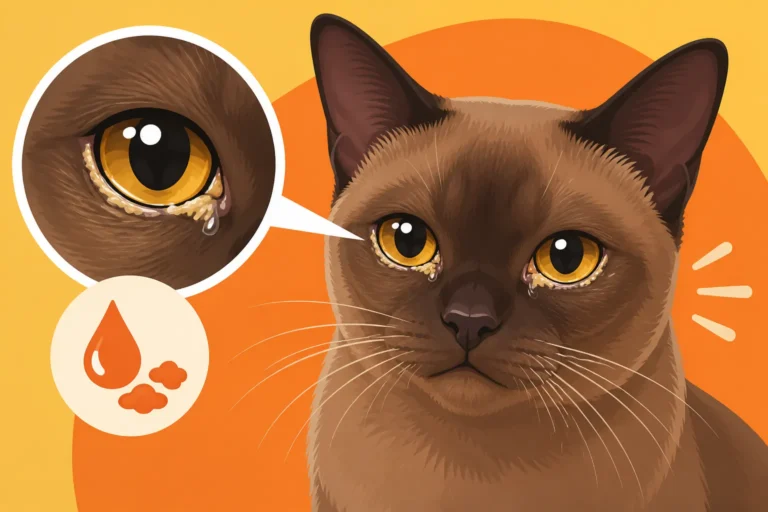
While not as prone to serious eye conditions as some breeds, Burmese cats can occasionally experience minor eye issues. Their beautiful, large, round eyes can sometimes be prone to weeping or crusting in the corners. This is often due to minor conformational differences that affect tear drainage or simply environmental irritants. It's usually not serious, but it can be uncomfortable and lead to staining if not cleaned regularly. A gentle wipe with a soft, damp cloth or a vet-approved eye cleaner can help keep their eyes clear and comfortable. More serious conditions like corneal dermoids, though rare, can also occur and would require veterinary intervention. If you notice persistent redness, excessive tearing, squinting, or a change in eye appearance, it's always best to have it checked by your vet.
The Importance of Routine Veterinary Checks
This might sound obvious, but for a breed with specific predispositions, routine veterinary checks are not just an annual formality – they are an indispensable part of preventative healthcare. Your vet is your best partner in monitoring your Burmese's health. Regular check-ups allow for early detection of potential issues, from subtle weight changes that might signal the onset of diabetes to early signs of dental disease. These visits are also an opportunity to discuss diet, behavior, and any concerns you might have. As your Burmese ages, these checks become even more critical, often including bloodwork to monitor kidney function, thyroid levels, and of course, glucose levels. Think of your vet as a specialist who knows the ins and outs of the Burmese breed and can tailor preventative care specifically for your cat. The longer and happier How Long a Burmese Lives often directly correlates with consistent, high-quality veterinary care.
Why Genetic Testing and Responsible Breeding Matter
The existence of these inherited conditions underscores the immense importance of genetic testing and responsible breeding practices within the Burmese community. For potential owners, this translates into asking the right questions and choosing your breeder wisely.
Decoding the Burmese DNA Panel
A comprehensive DNA panel is an invaluable tool for breeders aiming to produce healthy kittens and for owners who want peace of mind about their cat's genetic background. For the Burmese, this panel typically includes tests for hypokalemia (WNK4 mutation), GM2 Gangliosidosis, and sometimes Burmese Head Defect, among others. Reputable breeders will not only test their breeding cats but will be transparent about the results, often providing copies of the genetic certificates. This allows them to make informed breeding decisions, ensuring that two carriers of a recessive disease (like hypokalemia or GM2 Gangliosidosis) are never bred together, thereby preventing affected kittens. As a prospective owner, don't be shy about asking Which Tests Belong on a Burmese DNA Panel and requesting to see the results for both parents of your kitten. This transparency is a hallmark of a breeder who prioritizes health and ethical practice over profit.
The Role of Informed Breeding Practices
Responsible breeding is the cornerstone of preserving the health and integrity of any purebred cat, and the Burmese is no exception. It goes far beyond simply pairing two beautiful cats. It involves extensive health screening, including the aforementioned DNA tests, but also looking at the health history of an entire lineage. A breeder should be able to discuss the prevalence of diabetes in their lines, even though it's a complex, multi-gene condition not detectable by a single DNA test. They should be transparent about any known issues and explain the steps they take to minimize risks. This might include carefully selecting mates to avoid doubling up on genetic predispositions, even if both parents are technically clear of a recessive disease. A good breeder is an open book, willing to answer all your questions about health, temperament, and care, demonstrating a genuine commitment to the welfare of the breed and their individual cats.
Insuring Your Burmese Cat Against the Unexpected
Even with the most meticulous breeding and preventative care, life happens, and unexpected illnesses or accidents can occur. Pet insurance, therefore, can be a crucial component of financially preparing for your Burmese's long-term health.
Navigating Insurance for Breed-Specific Conditions
When looking for pet insurance for a Burmese, it's really important to do your homework. Some policies might have exclusions for breed-specific conditions or hereditary diseases. You want a policy that covers a wide range of illnesses, including those that Burmese cats are predisposed to, like diabetes and hypokalemia. Read the fine print carefully, and don't hesitate to call the insurance provider directly to clarify their coverage for these specific conditions. For example, a company like Healthy Paws, known for comprehensive coverage, would be a good one to investigate. They often offer accident and illness plans that can help with the costs of diagnostics, medications, and treatments for chronic conditions. Remember, you're not just insuring against a broken bone; you're looking for support for potential lifelong conditions that can require significant financial outlay.
The Value of Early Insurance Enrollment
The best time to get pet insurance is when your Burmese is a kitten, or at least before any health issues arise. Most insurance policies have waiting periods, and pre-existing conditions are almost universally excluded from coverage. This means if your Burmese develops diabetes before you have a policy, or during the waiting period, that specific condition will likely not be covered. Enrolling your Burmese with a trusted provider like Healthy Paws when they are young and healthy gives you the broadest possible coverage for any future illness or injury that may occur. It provides immense peace of mind, knowing that should your beloved cat develop diabetes or need treatment for a hypokalemic episode, you won't be faced with agonizing financial decisions during an already stressful time. It’s an investment in their future health and your financial stability as an owner.
Disclaimer
Please remember, the information provided in this guide is intended for general informational purposes only and does not constitute veterinary advice. Always consult with a qualified veterinarian for any health concerns or before making any decisions related to your pet's health and treatment.