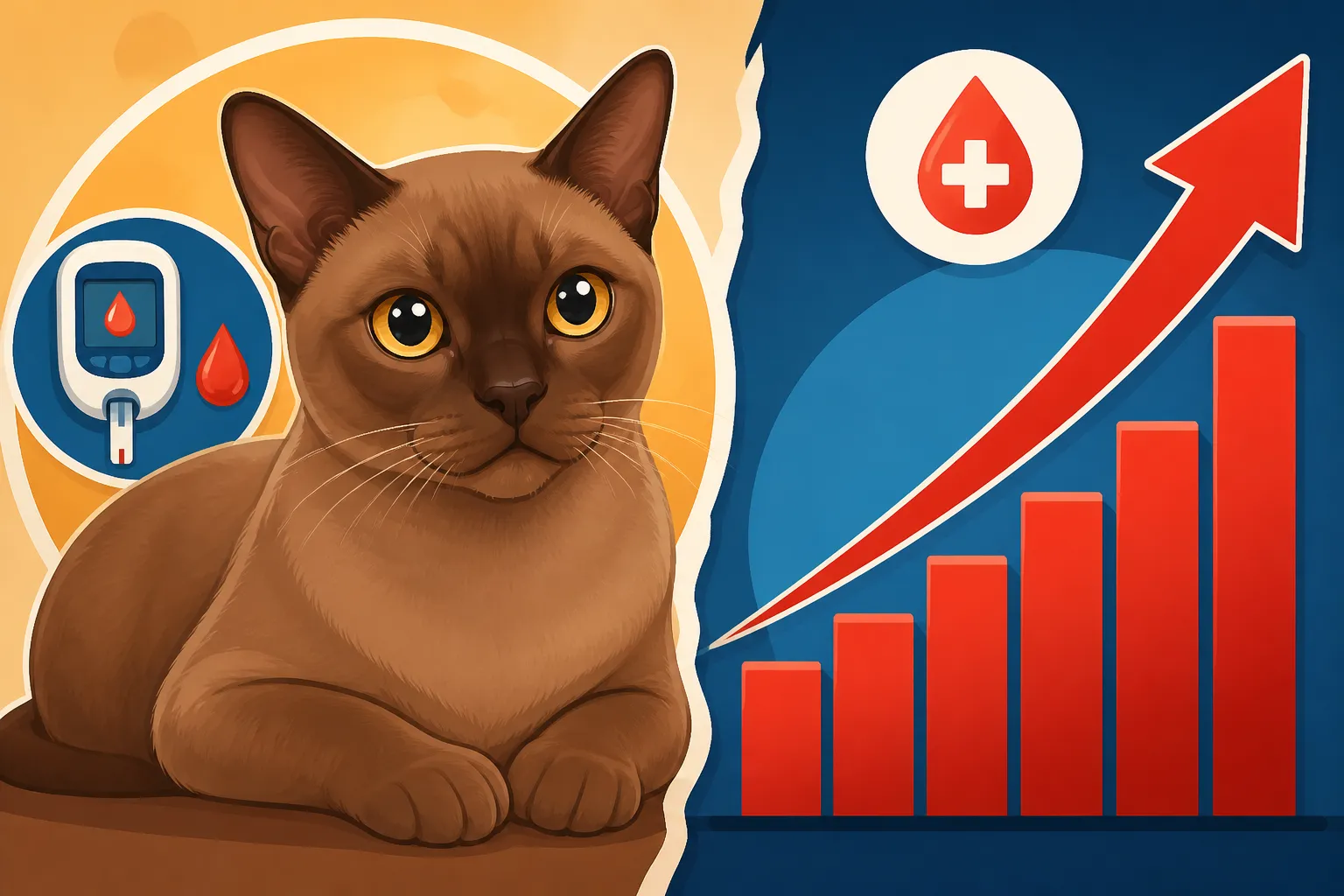
How Much Higher the Burmese Diabetes Rate Really Is
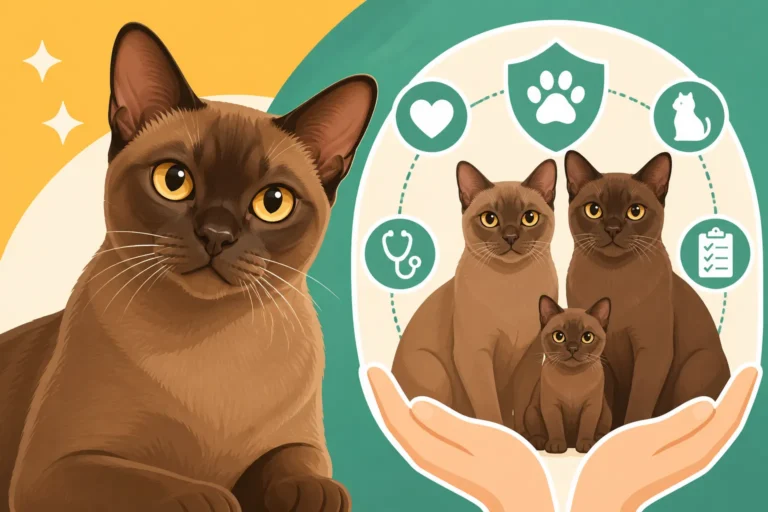
As a Burmese cat owner, there's a particular dread that can settle in when you hear the word "diabetes." It’s a harsh reality that these affectionate, purring shadows are unfortunately at a significantly higher risk for this metabolic disease compared to other breeds. This guide aims to pull back the curtain on why this is, what you can do about it, and how to navigate the challenges should your beloved Burmese receive this diagnosis.
Understanding the Elevated Diabetes Risk in Burmese Cats
It's truly unfair, isn't it? You bring home this vibrant, intelligent, and deeply connected creature, and then you learn they're predisposed to a serious health condition. But understanding why the Burmese cat carries such a high risk for diabetes is the first step in protecting them. It’s not just anecdotal; the scientific community has looked into this, and the findings are quite clear.
The Startling Statistics: What the Numbers Tell Us
When we talk about diabetes in cats, it's generally understood that about 0.5% to 1% of the general feline population might develop it at some point in their lives. These are already significant numbers, representing a lot of cats needing daily insulin and special care. However, when you narrow that focus to the Burmese breed, the statistics become truly alarming. Research, particularly out of Australia and Europe, has shown that How Much Higher the Burmese Diabetes Rate Really Is. We're not talking about a slight increase; some studies suggest that Burmese cats are four times more likely to become diabetic, with some estimates putting the prevalence as high as 1 in 10 or even 1 in 4 in certain lines or regions.
Imagine that – a quarter of a specific cat breed potentially facing a life with diabetes. This isn't just a number on a page; it represents countless hours of owner worry, vet visits, and daily insulin injections. It's a statistic that underscores why every Burmese owner needs to be hyper-aware of this condition. This elevated risk is why many vets will bring up diabetes screening much earlier and more frequently for a Burmese than for, say, a domestic shorthair.
It’s crucial to realize that these numbers aren't meant to scare you, but to empower you with knowledge. Knowing the actual prevalence can help you justify preventative measures to your vet, advocate for specific dietary choices, and understand the importance of routine monitoring. It highlights that diabetes isn't a rare anomaly in a Burmese; it's a significant breed-specific health concern that demands attention from kittenhood right through to their senior years.
Genetic Predisposition: More Than Just Bad Luck
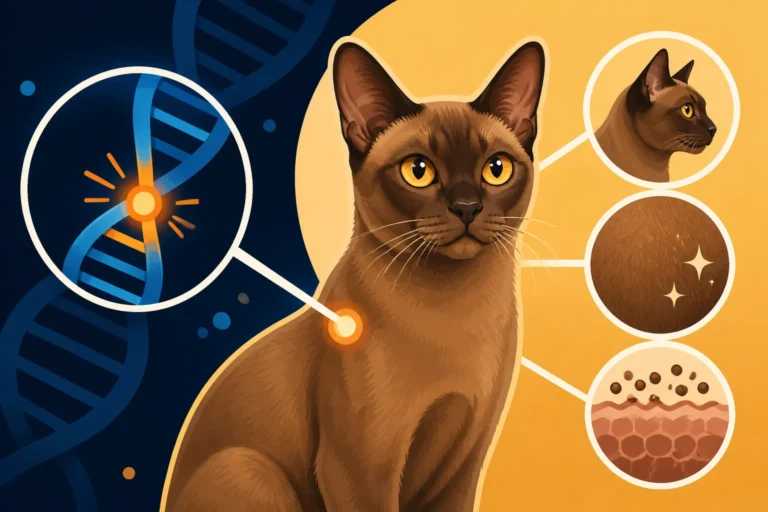
So, why the Burmese? It's not because they're inherently lazier or greedier, though their incredible food drive certainly doesn't help! The core of the issue lies in their unique genetics. Scientists have identified a strong genetic component to diabetes in Burmese cats, with certain studies pointing to the WNK4 gene. This means that unlike many other cat breeds where diabetes might be more closely linked to pure lifestyle factors, the Burmese often starts with a biological disadvantage. It’s a predisposition that has been passed down through generations, making specific lines more susceptible than others.
This genetic factor means that even a Burmese cat who appears to be leading a perfect, healthy life – slim, active, on a great diet – can still be at a higher risk than a lazier, slightly overweight mixed-breed cat. It’s a stark reminder that while lifestyle plays a huge role in triggering the disease, the underlying genetic framework is already there, waiting. This is why you'll often hear breeders discussing health clearances and the importance of knowing the health history of the breeding lines; they're trying to mitigate this inherited risk.
The implications for breeding are profound: responsible breeders work diligently to avoid breeding cats with known diabetic tendencies in their pedigrees. For owners, it means that managing your Burmese's health isn't just about good care; it's about actively working against a genetic predisposition. It means that while a good diet and appropriate weight are essential for all cats, for a Burmese, they become absolute non-negotiables. Understanding that this isn't "just bad luck" but a hardwired genetic truth can shift your perspective from reactive fear to proactive, informed care.
Factors That Worsen the Burmese's Diabetes Risk
While genetics load the gun, environment pulls the trigger. For Burmese cats, certain common lifestyle choices and physiological realities can significantly exacerbate their already elevated genetic risk for diabetes. It’s a delicate balance, and unfortunately, many common practices in cat care can unwittingly push a predisposed Burmese closer to a diagnosis.
Weight and Diet: The Unholy Alliance
This is perhaps the biggest and most controllable factor for any cat, but especially for a Burmese. Obesity and an inappropriate diet are, without a doubt, the most significant environmental culprits. A Burmese that is even slightly overweight dramatically increases its risk. We're talking about a breed known for its lean, muscular physique, often referred to as "a brick wrapped in silk." When that brick starts accumulating a layer of fat, its body's ability to process insulin efficiently goes into a nosedive. Why Weight Is the Only Lever a Burmese Owner Has when it comes to preventing diabetes.
The issue is compounded by the typical high-carbohydrate dry kibble diet that many cat owners, often unknowingly, provide. Cats are obligate carnivores, meaning their bodies are designed to derive energy from protein and fat, with very little need for carbohydrates. High-carb foods force a cat's pancreas to constantly churn out insulin to manage blood sugar spikes, leading to insulin resistance over time. For a Burmese with a genetic predisposition, this is akin to pouring gasoline on a fire. Free-feeding dry kibble, allowing your Burmese to graze all day, is a particularly dangerous practice. It encourages overeating and constant insulin surges, never giving their system a break. Many owners don't realize that Why Portion Control Is Medical Care in a Burmese, not just a way to keep them slim.
Think about a real-life scenario: you have a busy day, and it's easy to fill the bowl and leave it. Your affectionate Burmese is always begging, so you might give a few extra treats. Over months and years, those extra calories from high-carb foods, coupled with free-feeding, lead to creeping weight gain. That subtle belly bulge might seem harmless, but for a Burmese, it's a ticking time bomb for diabetes. This combination of genetic susceptibility, excessive weight, and a carbohydrate-heavy diet creates a perfect storm, pushing their delicate metabolic system past its breaking point.
Lifestyle and Neutering: Hidden Contributors
Beyond diet and weight, other aspects of a Burmese's life can quietly contribute to their diabetes risk. One often-overlooked factor is neutering, particularly in male Burmese cats. Studies indicate that neutered male cats, across all breeds, have a higher risk of diabetes, and this risk is amplified in the already predisposed Burmese. The hormonal changes that occur post-neutering can impact metabolism and contribute to weight gain if not carefully managed. It's not a reason not to neuter, as the health and behavioral benefits usually outweigh this specific risk, but it's a factor to be acutely aware of and to manage through diet and exercise.
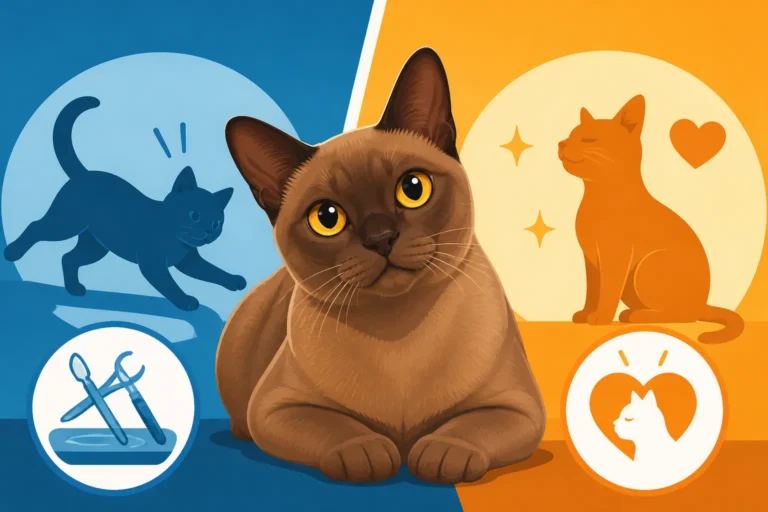
Furthermore, a sedentary lifestyle, common in many indoor-only cats, plays a role. While Burmese cats are incredibly playful, if their environment doesn't offer enough stimulation, they can become less active. Less activity means fewer calories burned and a higher chance of weight gain, especially when paired with an unrestricted diet. A Burmese Is Still Playing at Fifteen, which means they need regular, engaging play throughout their lives to stay active and mentally stimulated. Boredom can lead to overeating and reduced energy expenditure, both of which contribute to obesity and, subsequently, diabetes risk.
Consider the picture of an affectionate Burmese curled up on the couch all day, rarely engaging in vigorous play, and then easily convincing their human to provide a generous portion of kibble. This scenario, while seemingly innocent and comfortable, is actually a significant risk factor for these cats. The combination of hormonal changes from neutering, a less-than-active lifestyle, and the ever-present genetic predisposition means that proactive management of weight, diet, and activity levels isn't just a suggestion for a Burmese; it's a vital preventative health measure. Every effort made to keep them lean and active is a step away from a potential diabetes diagnosis.
Recognizing the Early Warning Signs of Diabetes
Detecting diabetes early in a Burmese is critical because their affectionate and attention-seeking nature can sometimes mask symptoms. They are masters at hiding discomfort, often choosing to cuddle up with you even when feeling unwell. This means owners must be incredibly vigilant and sensitive to even subtle changes in behavior and habits. Knowing Why a Burmese Hides Illness Behind Its Affection is paramount.
Increased Thirst and Urination: The First Alarms
One of the classic, and often earliest, signs of feline diabetes is an increase in thirst (polydipsia) and, consequently, an increase in urination (polyuria). This happens because the diabetic cat's body can't properly use glucose for energy, leading to high blood sugar levels. The kidneys try to excrete this excess sugar, pulling more water out of the body in the process. Your Burmese might suddenly be draining their water bowl faster than usual, seeking out unusual water sources like dripping faucets, or even trying to drink from the toilet.
You'll likely notice changes in the litter box first. There will be more urine clumps, and they'll be larger. Your cat might even start having accidents outside the litter box because they simply can't hold it, or because the box is full and unpleasant. It’s easy to dismiss these changes at first—"Oh, they're just drinking more because it's hot," or "They missed the box; maybe it's just a one-off." But with a Burmese, any noticeable increase in thirst or urination should trigger an immediate call to your veterinarian. Why a Burmese Drinking More Needs Testing That Week cannot be stressed enough; these aren't symptoms to monitor for a few weeks, but indicators of an urgent situation.
These signs are subtle enough that you might not immediately connect them to a serious health problem, especially if your cat is still otherwise acting normal and engaging with you. But for a Burmese, these are red flags. Keep a close eye on their water intake and litter box habits. If you have multiple cats, consider getting a separate litter box or monitoring one cat more closely to track changes. Early detection based on these initial alarms can dramatically improve the prognosis and management of diabetes.
Changes in Appetite and Weight: Subtle Shifts
Another crucial set of indicators involves appetite and weight. Initially, many diabetic cats experience an increase in appetite (polyphagia) because their cells are starving for glucose, even though there's plenty in the bloodstream. They might beg for food more intensely, seem constantly hungry, or even try to steal food, which is already a common Burmese trait. However, despite eating more, they often start to lose weight. This is because their body can't convert food into energy efficiently and begins breaking down fat and muscle for fuel.
This paradoxical combination – eating more but losing weight – is a strong signal that something is metabolically amiss. A Burmese is naturally quite muscular, so weight loss can be hard to spot at first glance. Their sleek, short coat doesn't hide much, but the underlying muscle can give a false impression of solidity. You might notice their spine or hip bones becoming more prominent when you pet them, or that their characteristic "brick" feel starts to diminish, becoming a bit softer or bonier. A dull, unkempt coat despite regular grooming attempts can also be a sign of poor health in a diabetic cat, as their body struggles to maintain normal physiological functions.
Again, the affectionate nature of the Burmese can work against early detection. A cat losing weight might still jump on your lap for cuddles, play with toys, and appear relatively happy. They're good at soldiering on. This makes it imperative for owners to regularly weigh their Burmese and be highly attuned to their eating behaviors. How to Weigh a Burmese Accurately at Home is a simple skill that can save lives. Don't wait for dramatic changes; subtle shifts in appetite, combined with any weight loss despite increased food intake, warrant immediate veterinary investigation. Ignoring these early signs can lead to more advanced stages of diabetes, making treatment more complex and potentially reducing the chances of remission.
Proactive Management and Prevention Strategies
Given the Burmese’s high predisposition to diabetes, proactive management isn't just a good idea; it's a fundamental part of responsible ownership. By focusing on specific dietary choices and maintaining a vigilant schedule of monitoring and veterinary check-ups, you can significantly reduce your cat's risk and potentially even prevent the onset of the disease.
Dietary Intervention: Your Primary Defense
When it comes to preventing and managing diabetes in Burmese cats, diet is hands down your most powerful tool. The cornerstone of a diabetes-friendly diet, and indeed a healthy diet for any cat, is a low-carbohydrate, high-protein, moderate-fat approach, primarily delivered through wet food. Kibble, even "premium" kibble, often contains far too many carbohydrates for an obligate carnivore, spiking blood sugar and stressing the pancreas. Switching to a high-quality canned food or a carefully balanced raw diet is often the first and most impactful change you can make. This mimics the natural diet of a cat, providing the nutrients they thrive on without the unnecessary carb load.
But it’s not just about what they eat, but also how much and when. Portion control is absolutely critical. For a Burmese, free-feeding should be a thing of the past. Instead, aim for two to three measured meals per day, always weighed out precisely according to your vet's calorie recommendations. This not only prevents overeating but also helps regulate blood sugar levels, especially important if your cat eventually requires insulin. Look for wet foods where carbohydrates make up less than 10% of the metabolizable energy (ME) on a dry matter basis. Many commercial wet foods list their ingredients and nutrient breakdown, but it might take a bit of research to find the carb percentage. You can often find this information by looking at the "guaranteed analysis" and doing a bit of math, or by checking brand websites. Brands like Weruva, Tiki Cat, or Fancy Feast Pate (surprisingly) often fit the bill.
Implementing a dietary change needs to be done gradually to avoid upsetting your cat's stomach or causing them to refuse the new food entirely. Mix small amounts of the new food with their old food, slowly increasing the proportion over several days or even weeks. This transition period is crucial. Remember, Why Low Carbohydrate Food Matters for a Burmese isn't just about weight loss; it's about minimizing the metabolic stress that leads to insulin resistance and ultimately, diabetes. Your cat might protest at first, especially if they're used to crunchy kibble, but consistency and patience will pay off in the long run for their health.
Regular Monitoring and Vet Checks: Staying Ahead
Beyond diet, consistent monitoring at home and regular veterinary check-ups are essential components of preventing diabetes in your Burmese. Given their propensity to hide illness, you are their first line of defense. Start by getting into the habit of weighing your cat weekly or bi-weekly. Even subtle weight fluctuations can be significant in a breed so genetically prone to diabetes. You'll need an accurate digital kitchen scale for kittens and a reliable pet scale (or even your own bathroom scale, holding your cat then subtracting your weight) for adults. Knowing What an Adult Burmese Should Weigh is a good benchmark, but monitoring changes in your individual cat is more important.
Routine vet visits should include a thorough physical examination, of course, but for a Burmese, it should also include specific attention to their glucose levels, especially as they approach middle age. Many vets recommend starting annual bloodwork that includes a glucose check and fructosamine levels once a Burmese reaches about seven years old. Why a Burmese's Glucose Should Be Checked From Seven is due to the rising risk as they age. A fructosamine test is particularly useful because it provides an average blood glucose level over the preceding one to two weeks, giving a more accurate picture than a single spot glucose reading, which can be affected by stress.
This proactive approach with your veterinarian is also where pet insurance can really shine. Having a policy from a reputable provider like Healthy Paws in place before any symptoms arise can be a game-changer if your Burmese does develop diabetes. While most pet insurance policies won't cover pre-existing conditions, if you have coverage established, the ongoing costs of insulin, specialized food, and frequent vet visits associated with diabetes can be significantly eased. Discuss with your vet the appropriate frequency for blood tests and what specific markers they recommend monitoring. Staying ahead of the game with regular checks and being prepared for potential costs can alleviate a tremendous amount of stress for both you and your cat.
Life with a Diabetic Burmese: What to Expect
Receiving a diabetes diagnosis for your beloved Burmese can feel devastating. It’s a moment filled with fear, questions, and a sense of guilt, even if you’ve done everything right. But it's important to remember that this isn't a death sentence. With dedication and proper care, many diabetic Burmese cats can live long, happy, and fulfilling lives. It certainly changes things, but it's a manageable condition.
Diagnosis and Initial Treatment: A New Routine
The journey begins with a formal diagnosis. Typically, your vet will perform blood tests, with a fructosamine test being particularly helpful as it gives an average blood glucose level over the past couple of weeks, offering a clearer picture than a single glucose reading. Once confirmed, the initial treatment usually involves starting insulin injections. This can be intimidating at first. The thought of injecting your tiny, purring friend twice a day often brings tears to an owner's eyes. But trust me, it becomes second nature very quickly. Your vet or vet tech will teach you how to prepare the insulin, how to draw it into the tiny syringe, and how to administer the injection. Most cats tolerate it incredibly well, especially the affectionate Burmese, who often seems to barely notice it amidst their purring for attention.
You'll likely also need to learn how to monitor your Burmese's blood glucose at home. This might involve using a small hand-held glucometer, similar to what humans use. Taking a tiny blood sample, usually from an ear prick, allows you to track their blood sugar levels, which is crucial for determining the correct insulin dose and ensuring they're stable. This initial period is often a lot of trial and error as your vet works to find the optimal insulin type and dosage for your cat. This can involve frequent vet visits, glucose curves (multiple readings over a day), and close communication with your veterinary team. It's a steep learning curve, both emotionally and practically.
The emotional toll on owners during this time is significant. You might feel overwhelmed, exhausted, and constantly worried. It's okay to feel that way. Seek support from your vet, online communities of diabetic cat owners, or even friends and family. Remember, you're not alone in this, and countless owners have successfully navigated this journey. The key is patience, consistency, and a willingness to learn a new routine that will become an integral part of your life with your Burmese.
Managing Remission and Long-Term Care
One of the most hopeful aspects of feline diabetes, especially when caught early and managed aggressively with diet, is the possibility of diabetic remission. Many cats, particularly those whose diabetes is triggered by obesity and high-carb diets, can actually go into remission, meaning they no longer require insulin injections. How a Burmese Goes Into Diabetic Remission often involves a strict low-carbohydrate diet, coupled with effective insulin therapy and weight loss. Which Diet Puts a Burmese Into Remission almost always involves a high-protein, low-carb wet food or raw diet, drastically reducing the sugar load on their system.
Even if your Burmese doesn't achieve full remission, long-term care for a diabetic cat is absolutely manageable. It involves consistent insulin injections (usually twice daily, 12 hours apart), strict adherence to their low-carbohydrate diet, and regular home glucose monitoring. Regular vet check-ups will continue to be important to assess their overall health, monitor for complications, and adjust insulin doses as needed. Owners often find that their diabetic Burmese enjoys a high quality of life, continuing to play, cuddle, and engage with their families as always. How Long a Diabetic Burmese Lives can be many years with proper care; it’s not uncommon for them to live into their mid to late teens.
The commitment required is significant, involving daily injections, meticulous meal preparation, and ongoing financial considerations for insulin, syringes, and vet visits. However, the bond you share with your Burmese often deepens during this time. You become even more attuned to their needs, and the trust they place in you during their treatment is truly profound. While diabetes is a serious condition, it's one that a dedicated Burmese owner can manage effectively, ensuring their beloved cat continues to thrive.
Genetic Testing and Responsible Breeding
When we talk about the significantly higher diabetes rate in Burmese cats, it's impossible to ignore the role of genetics and, by extension, responsible breeding practices. As owners, while we focus on managing the environmental factors, understanding the genetic underpinnings helps us make informed decisions, especially if considering a kitten.
The Role of DNA Testing in Reducing Risk
Recent advancements in veterinary medicine and genetics have begun to shed more light on the specific genetic markers associated with diabetes predisposition in Burmese cats. While there isn't a single, definitive "diabetes gene" test that guarantees a cat won't get diabetes, research continues to refine our understanding of inherited risk factors. For instance, studies have identified correlations between specific gene variants and increased susceptibility. Breeders can, and should, use this information to make more informed breeding choices, aiming to reduce the incidence of diabetes in future generations.
This means that a responsible breeder will be keenly aware of the health history, not just of the immediate parents, but of the entire lineage of their breeding cats, specifically looking for diabetes. They might participate in research studies or utilize any available genetic screening panels that are developed to identify predispositions. While a specific DNA test for all diabetes risk might not be universally available or completely comprehensive yet, the concept remains vital: understanding genetic heritage allows for more strategic breeding.
For prospective owners, this means asking detailed questions. While you can't usually demand a "diabetes DNA test" in the same way you might for How the Burmese Hypokalemia Test Is Read, a good breeder will be transparent about the health history of their lines. They should be able to discuss what genome studies found in Australian Burmese and other regional lines, and how they are working to mitigate risks like diabetes through careful selection. This proactive approach by breeders is one of the most powerful tools we have in reducing the overall prevalence of this devastating disease in the breed.
Choosing a Responsible Breeder: Your Best Start
If you're considering bringing a Burmese kitten into your home, choosing a responsible breeder is perhaps the most crucial step you can take to mitigate the risk of diabetes and other inherited conditions. A responsible breeder does far more than just produce adorable kittens; they are custodians of the breed’s health and future. They will be deeply knowledgeable about the health concerns specific to Burmese cats, including diabetes, and will actively work to minimize these risks in their breeding program.
What should you look for? First, ask about the health history of the parent cats and their ancestors. A reputable breeder should be transparent and willing to discuss any instances of diabetes in their lines. They should also be able to explain their approach to breeding to reduce such risks. Don't be shy about asking: "What to ask about a Burmese line's diabetes history?" This isn't being intrusive; it's being responsible. They should also provide documentation for other relevant genetic tests that are more established, such as for hypokalemia, and general veterinary health certificates for their breeding cats.
A good breeder will also emphasize the importance of diet and weight management for their kittens from day one, often sending you home with specific recommendations for low-carb wet food. They understand that while genetics play a role, lifestyle choices are paramount in preventing the disease. They may even have provisions in their contract regarding feeding guidelines or health guarantees that reflect their commitment to the long-term well-being of their kittens. While no breeder can guarantee a cat will never develop diabetes, choosing one who is proactive, transparent, and dedicated to health greatly increases your chances of bringing home a healthy kitten with the best possible start in life. This initial choice sets the stage for years of potential peace of mind.
Comparing Diabetes Risk Across Feline Breeds
It's helpful to see where the Burmese sits in the broader feline world when it comes to diabetes risk. While many factors contribute to a cat developing diabetes, some breeds simply face higher odds due to their genetic makeup.
| Breed | General Diabetes Risk | Specific Factors/Notes |
|---|---|---|
| Burmese | Very High | Strong genetic predisposition, especially in Australian and European lines. |
| Siamese | Lower | Generally robust health; some older studies linked to certain health issues, not diabetes. |
| Maine Coon | Moderate | Large breed, can be prone to obesity if not managed, increasing general risk. |
| Ragdoll | Moderate | Can be prone to obesity due to larger size and relaxed nature. |
| Domestic Shorthair | General (Average) | Risk largely tied to diet, weight, and age, rather than specific genetic predisposition. |
| Persian | Moderate | Less agile, can gain weight. |
| Sphynx | Moderate | High metabolism, but can overeat if bored or if diet isn't balanced. |
This table clearly illustrates why the Burmese stands out. While obesity and inappropriate diet are universal risk factors, the Burmese begins with a significantly elevated genetic vulnerability that other breeds, even those prone to weight gain, simply don't share to the same degree. This is why a Burmese owner's vigilance needs to be much higher.
Disclaimer
The information provided in this article is for general informational purposes only and is not intended as a substitute for professional veterinary advice. Always consult with a qualified veterinarian for any health concerns or before making any decisions related to your pet's care.