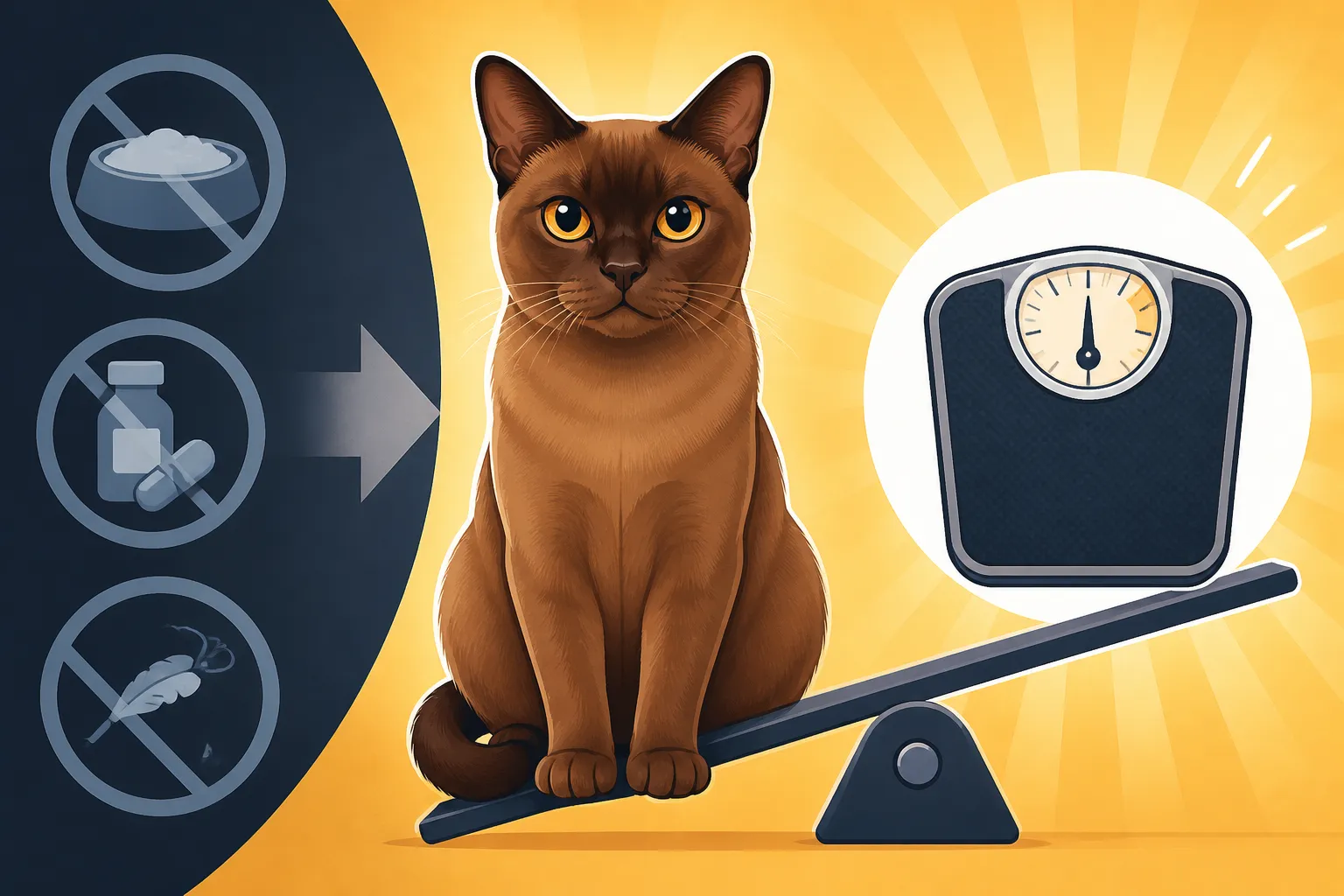
Why Weight Is the Only Lever a Burmese Owner Has
It's an unfortunate truth for us Burmese cat parents: our beloved "bricks wrapped in silk" are absolute magnets for weight gain. And while a few extra pounds might seem harmless on a human, for a Burmese, it's not just about looking a little chunky; it's a direct road to serious, life-threatening health problems, most notably diabetes. This guide isn't about shaming, but about empowering you to understand why your Burmese's weight is literally the most crucial health lever you have at your disposal, and how to use it effectively.
The Burmese Predisposition to Weight Gain and Its Risks
If you've ever picked up a Burmese, you know they feel much heavier than they look. Their sleek, close-lying satin coat often conceals a dense, muscular body that can easily pack on extra pounds without it being immediately obvious. This unique physique, combined with a hearty appetite and a specific genetic makeup, places them at a higher risk for weight-related health issues, making diligent management absolutely essential for their long-term well-being.
The "Brick Wrapped in Silk" Physique and Metabolism
Our gorgeous Burmese cats are often described as "bricks wrapped in silk," and it's a perfectly fitting description. They possess a surprising heft for their size, with a compact, muscular build that's just a joy to cuddle. However, this very characteristic can be a double-edged sword. Unlike fluffier breeds where a slight weight gain might be visible as a rounder silhouette or a jiggly belly, a Burmese can appear quite svelte even when they're carrying too much weight. Their dense musculature can disguise the early signs of obesity, making it tricky for even the most attentive owner to spot until it's become a significant problem.
Beyond their deceptive appearance, Burmese cats also seem to have a metabolism that's incredibly efficient at utilizing calories – almost too efficient! This means they don't need a huge amount of food to maintain their ideal weight, and any excess calories are quickly and easily stored as fat. It's a cruel irony for a breed known for its insatiable appetite and persistent begging. You'll find yourself constantly battling their charming yet relentless pleas for more food, knowing that every extra bite could be contributing to a silently growing problem. This combination of a naturally stocky build, a metabolism prone to storage, and a powerful food drive means weight management isn't just important; it's practically a full-time job for a Burmese owner.
Why Diabetes Looms Large for the Burmese
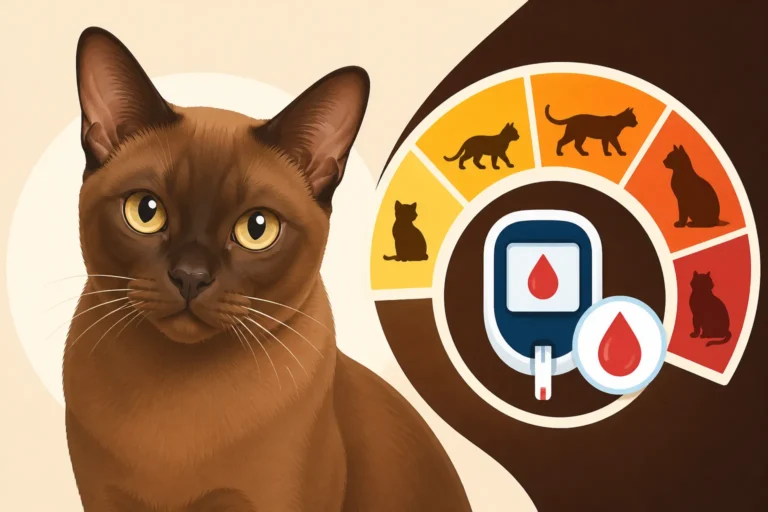
When we talk about weight in Burmese cats, we absolutely cannot ignore the elephant in the room: diabetes. It's a heartbreaking reality, but the Burmese breed has a well-documented, significantly higher predisposition to developing diabetes mellitus compared to other cat breeds. We're not talking about a slight increase; studies have shown that a Burmese is Why a Burmese Is Four Times More Likely to Become Diabetic than many other felines, with some studies indicating How Much Higher the Burmese Diabetes Rate Really Is. This isn't just bad luck; it's deeply rooted in their genetics.
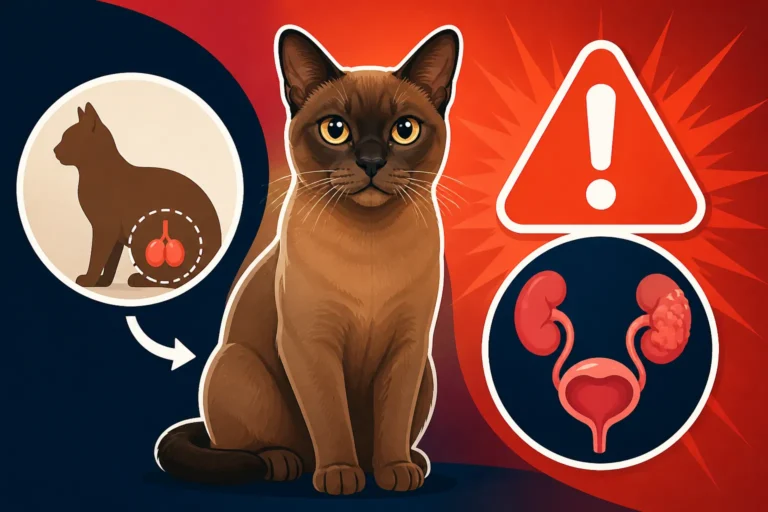
The link between genetics, weight, and diabetes in Burmese cats is profound. Researchers have identified specific genetic markers that contribute to this heightened risk, suggesting that Why the Burmese Diabetes Risk Is Inherited. While genetics load the gun, environmental factors like diet and, crucially, weight, pull the trigger. When a genetically predisposed Burmese cat becomes overweight or obese, their body's cells become less responsive to insulin (a condition known as insulin resistance). The pancreas then has to work harder and harder to produce more insulin, eventually becoming exhausted and failing to produce enough to regulate blood sugar, leading to full-blown diabetes. It's a stark reminder that while we can't change their genes, we absolutely can control their weight, which is the most powerful tool we have to prevent this devastating disease. Understanding What Diabetes Looks Like in a Burmese is critical, but preventing it is always the best course of action.
The Critical Role of Diet and Portion Control
Given their inherent predispositions, how you feed your Burmese isn't just about satisfying hunger; it's a cornerstone of their preventative healthcare. Every meal is a medical decision, and careful, intentional feeding practices are paramount to keeping them at a healthy weight and mitigating their diabetes risk.
Moving Beyond Free Feeding
One of the biggest pitfalls for Burmese owners, and frankly, for many cat owners in general, is the habit of free feeding. That's leaving a bowl of kibble out all day for your cat to graze on whenever they please. While it might seem convenient, for a Burmese, it's practically an open invitation to chronic overeating and the eventual onset of diabetes. Their powerful food drive means they lack the self-regulation many other cats possess; they will simply eat until the bowl is empty, regardless of actual hunger. This is why Why a Burmese Should Never Be Free Fed is one of the first rules you learn when you bring one of these wonderful cats into your home.
Instead, every single meal for a Burmese needs to be a conscious, measured event. This means Feeding a Burmese Is a Medical Decision, Not a Preference – it's not about what they want to eat, but what they need to eat to stay healthy. Investing in a good digital kitchen scale is non-negotiable. You'll need to weigh out their food precisely according to your veterinarian's recommendations and the calorie content of their specific diet. Typically, an adult Burmese will thrive on two fixed, portion-controlled meals a day. This approach not only prevents overeating but also allows you to monitor their appetite, which can be an early indicator of health issues, and it’s especially vital if your cat ever needs to be on insulin, as meal times must be carefully coordinated with injections.
The Low-Carbohydrate Imperative
Beyond just how much you feed, what you feed your Burmese is equally, if not more, critical. The modern feline diet, particularly many dry kibbles, is often far too high in carbohydrates for a cat's carnivorous physiology. Cats are obligate carnivores, meaning their bodies are designed to derive energy primarily from protein and fat, not carbohydrates. This is true for all cats, but for the diabetes-prone Burmese, it's an absolute imperative. Why Low Carbohydrate Food Matters for a Burmese cannot be overstated; it's the dietary backbone of diabetes prevention and management.
Aim for a diet that is high in animal protein, moderate in fat, and very low in carbohydrates. This typically means prioritizing high-quality wet food over dry kibble, as wet food naturally contains higher moisture and lower carbohydrate levels. When looking at food labels, you'll want to find foods where the carbohydrate percentage stays Which Carbohydrate Percentage a Burmese Should Stay Below, ideally closer to 5-10%. Your vet can help you calculate the approximate carbohydrate content using the guaranteed analysis on the food label. A low-carb diet helps maintain stable blood sugar levels, reduces the workload on the pancreas, and promotes a healthy weight. In fact, many diabetic Burmese cats can even go into remission, or at least significantly reduce their insulin needs, simply by transitioning to Which Diet Puts a Burmese Into Remission — a carefully formulated low-carbohydrate wet diet. This dietary approach isn't just about weight loss; it's about providing the most biologically appropriate nutrition for a breed uniquely susceptible to metabolic challenges.
Monitoring and Managing Weight at Home
Even with the best intentions and the most meticulous feeding plan, weight can creep up. That's why consistent, proactive monitoring at home is absolutely essential. You need to become an expert at assessing your Burmese's body condition, catching any upward trends before they become entrenched problems.
Regular Weigh-Ins: Your First Line of Defense
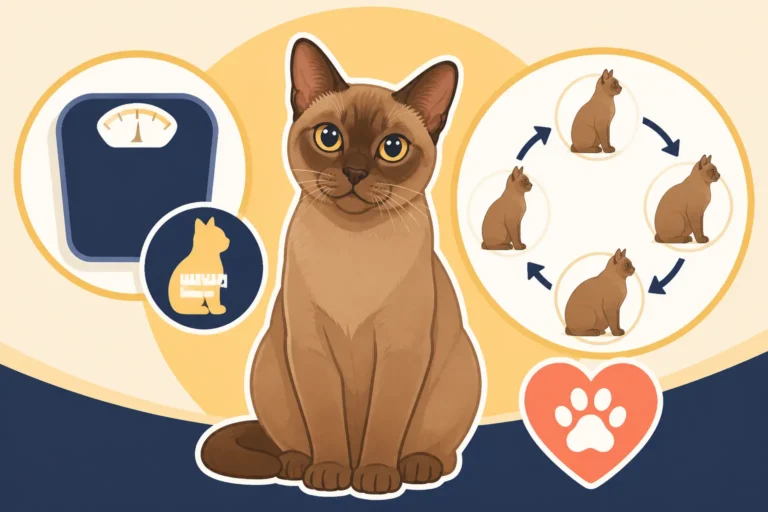
One of the simplest yet most effective tools in your weight management arsenal is the regular weigh-in. For a Burmese, this isn't just a casual check-up; it should be a monthly, if not weekly, ritual. The tricky part is that their compact, muscular build means their weight can fluctuate quite a bit without obvious visual cues. So, just guessing won't cut it. You need an accurate digital scale.
To How to Weigh a Burmese Accurately at Home, the easiest method for most cats is the "weigh yourself, then weigh yourself holding your cat" approach. Simply step on a human bathroom scale by yourself, record your weight, then pick up your Burmese and step back on, recording the new weight. Subtract your weight from the combined weight, and voilà! That's your cat's precise weight. Consistency is key here; try to weigh them at the same time of day, perhaps before their morning meal, to minimize variables. Keep a log. This data is invaluable for spotting trends early. You'll often find that even a half-pound increase over a couple of months can be significant for a cat that might only weigh 8-12 pounds in total. Remember that smooth, satiny coat can hide a lot, making regular tactile assessment important. When you gently run your hands over their sides, you should be able to How to Feel a Burmese's Ribs Under a Satin Coat without pressing hard, but their ribs shouldn't be visibly protruding. If you're struggling to feel them, it's a definite red flag.
Understanding Body Condition Scoring (BCS)
While the number on the scale is crucial, it doesn't tell the whole story. Body Condition Scoring (BCS) offers a more visual and tactile assessment of your Burmese's fat reserves, helping you interpret that weight figure in the context of their unique physique. Vets commonly use a 5-point or 9-point scale, but even a simplified version at home can be incredibly helpful.
The idea is to systematically feel your cat's ribs, spine, and waist. For a healthy Burmese (ideally a 5/9 or 3/5 on common scales), you should:
- Ribs: Easily feel the ribs with light pressure, without seeing them. They should feel like the knuckles on your hand when you open and close your fist.
- Waist: See a noticeable "tuck" in behind the ribs when viewed from above, and a slight abdominal tuck when viewed from the side.
- Spine: Feel the bumps of the vertebrae as you run your hand down their back, but they shouldn't be prominent or sharp.
If you can't easily feel their ribs, or if their waist is indistinct and their belly hangs, they are likely overweight or obese. Conversely, if ribs and spine are very prominent, they might be underweight. It's a skill that improves with practice, but it's a vital one for catching those subtle changes their dense muscle can obscure.
Here's a simplified guide for at-home assessment:
| BCS Score | Description | What to Look/Feel For | Action Needed |
|---|---|---|---|
| 1 (Emaciated) | Severely underweight | Ribs, spine, hip bones easily visible/prominent; no fat cover, severe abdominal tuck. | Immediate vet consultation |
| 2 (Underweight) | Too thin | Ribs easily felt/visible; obvious waist, minimal fat. | Increase food gradually, vet check |
| 3 (Ideal) | Optimal weight for healthy body function | Ribs easily felt with slight fat cover; visible waist, slight abdominal tuck. | Maintain current diet/exercise |
| 4 (Overweight) | Mildly overweight | Ribs felt with moderate pressure; waist less apparent; slight fat pad over loin. | Adjust diet, increase activity |
| 5 (Obese) | Significantly overweight | Ribs difficult to feel under heavy fat; no waist; obvious abdominal distention. | Vet consultation for weight loss plan |
(Note: This table is a simplified guide. Consult your vet for an accurate BCS and weight management plan specific to your Burmese.)
Exercise and Enrichment: More Than Just Playtime
While diet is arguably the most critical component of weight management for a Burmese, exercise and mental enrichment play a vital supporting role. These aren't just about burning calories; they contribute to overall health, muscle tone, and a happy, well-adjusted cat, which in turn can reduce stress-related overeating.
The Importance of Sustained Activity
Burmese cats are known for their playful, kitten-like energy that often lasts well into their senior years. This isn't a breed content to merely nap all day; they thrive on interaction and activity. This inherent drive for play is a huge advantage for weight management. Instead of needing to coax them into activity, your job is often just to channel their natural exuberance into consistent, sustained exercise sessions. A quick five-minute flutter of a wand toy isn't enough; they need longer, more intense play that mimics hunting behaviors – stalking, pouncing, running, and jumping. You'll find that even How Much Play a Burmese Still Demands at Ten is significant, keeping them lean and muscular.
The goal isn't just sporadic bursts of energy, but rather daily routines that ensure they're moving their bodies, strengthening their muscles, and elevating their heart rate. This helps to burn off excess calories and maintain that impressive musculature that gives them their brick-like feel. Think about engaging them with interactive toys that require them to chase, leap, and problem-solve. Regular, energetic play not only keeps their bodies fit but also provides crucial mental stimulation, which is particularly important for this intelligent and people-oriented breed. A bored Burmese might turn to food for comfort, exacerbating weight issues, so keeping them engaged in healthy ways is a win-win.
Creative Ways to Boost Activity
Getting your Burmese to move more doesn't have to feel like a chore; it can be a fun bonding experience! Since they are so people-oriented, they often respond best to interactive play where you are directly involved. Wand toys with feathers or fuzzy attachments are usually a huge hit, mimicking the thrill of the hunt. Make the "prey" dart and hide, encouraging sprints and leaps. Laser pointers can also be used, but always end with a tangible toy they can "catch" to prevent frustration.
Puzzle feeders are another excellent tool, especially for those food-motivated Burmese. Instead of simply eating from a bowl, they have to work for their meals, slowing down consumption and providing mental engagement. Look for a Which Puzzle Feeder Slows a Greedy Burmese Down that dispenses kibble or treats incrementally as they bat it around or solve a simple puzzle. This turns mealtime into an active game rather than a passive gobble-fest. Vertical space is also important; encourage climbing by providing sturdy cat trees or shelves they can explore. Some Burmese can even be leash-trained, offering another avenue for outdoor exploration (always with supervision, of course, as their trusting nature means they have little road sense). The key is variety and consistency; rotating toys and finding different ways to engage them will keep them interested and active.
The Vet's Role and When to Seek Help
Even with the most dedicated home care, your veterinarian remains your most valuable partner in managing your Burmese's weight and overall health. Regular professional oversight is crucial, not just for emergencies, but for proactive prevention and early detection of potential issues like diabetes.
Annual Check-ups and Glucose Monitoring
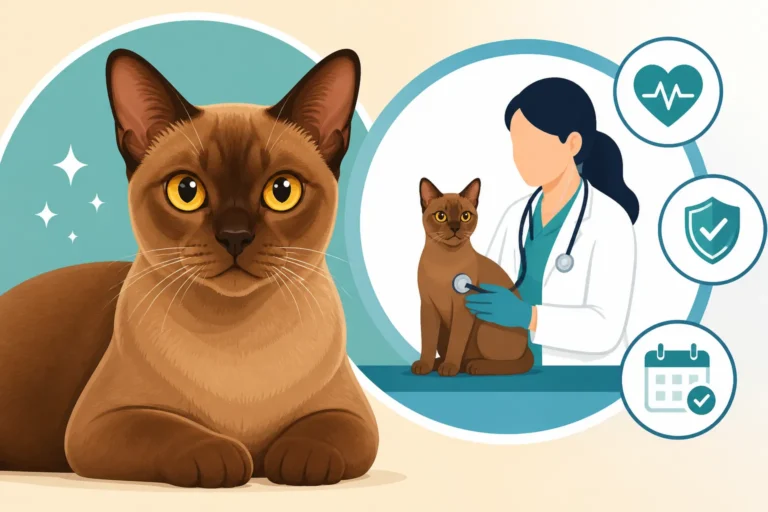
It's tempting to think that if your cat seems healthy, annual vet visits are just a formality. But for a Burmese, these appointments are truly non-negotiable, acting as a critical safeguard against their breed-specific health challenges. During their yearly check-up, your vet will perform a thorough physical examination, including a professional body condition score, which can be more accurate than what you might achieve at home. They'll also monitor for any subtle signs of weight gain or loss that might indicate underlying issues.
Crucially, as your Burmese ages, especially once they reach their middle years, typically around seven or eight, regular glucose monitoring becomes a vital part of their routine care. Why a Burmese's Glucose Should Be Checked From Seven is directly tied to their increased risk of developing diabetes. A simple blood test can reveal early elevations in blood sugar, allowing for interventions before the disease becomes advanced. Your vet might suggest that Why a Burmese's Annual Visit Includes a Glucose Reading as part of a routine senior panel. This proactive approach allows you to catch any problems early, when dietary adjustments and lifestyle changes can often make the biggest difference in preventing or managing the progression of diabetes. Don't hesitate to discuss any changes in appetite, water intake, or urination with your vet, as these can be early indicators of trouble.
Dealing with Established Weight Issues or Diabetes
Despite our best efforts, sometimes weight issues become firmly established, or diabetes manifests anyway. It can feel incredibly overwhelming, even heartbreaking, to learn that your beloved Burmese is facing such a serious health challenge. The most important thing is not to blame yourself but to act decisively. If your Burmese is diagnosed as overweight or obese, your vet will work with you to develop a safe and effective weight loss plan, which will almost certainly involve a strict, calorie-controlled, low-carbohydrate diet and an increase in structured exercise. Rapid weight loss can be dangerous for cats, potentially leading to hepatic lipidosis (fatty liver disease), so the plan will be gradual and carefully monitored.
If your Burmese receives a diabetes diagnosis, such as when your vet needs to How a Diabetic Burmese Is Diagnosed through tests like a fructosamine level, the journey can feel daunting. You'll likely be looking at a combination of daily insulin injections, a very specific low-carbohydrate diet, and ongoing monitoring. This can be a significant commitment of time and finances, with the cost of insulin, syringes, special food, and frequent vet visits adding up quickly. It's during these challenging times that having pet insurance can be a literal lifesaver. Companies like Healthy Paws offer comprehensive plans that can help alleviate the financial burden of managing chronic conditions like diabetes, allowing you to focus on your cat's care without the added stress of crushing vet bills. Healthy Paws can provide peace of mind knowing you're supported in providing the best possible treatment. While we never want to face these issues, being prepared and having resources like Healthy Paws on your side can make all the difference.
Disclaimer
The information provided in this article is for general informational purposes only and is not intended as a substitute for professional veterinary advice. Always consult with your veterinarian for any health concerns or before making any decisions related to your pet's health or treatment.