Which Colors Only the European Burmese Has
A Burmese’s coat color can make breed listings confusing, especially when “European Burmese” and “American Burmese” are used as if they describe a single worldwide standard. The clearest answer is that red, cream, and tortoiseshell patterns are associated with European Burmese standards, while the CFA American Burmese standard recognizes four colors. The details depend on the registry, so color alone cannot prove a cat’s type.
Which colors are associated with the European Burmese
Red and cream are the most obvious differences
Red and cream are among the coat colors associated with the European Burmese that are not included in the traditional four-color CFA American Burmese standard. A red Burmese has a warm, rich coat; cream is the softer, paler version. The exact shade can vary from cat to cat, and lighting can make a coat look warmer or cooler in photographs.
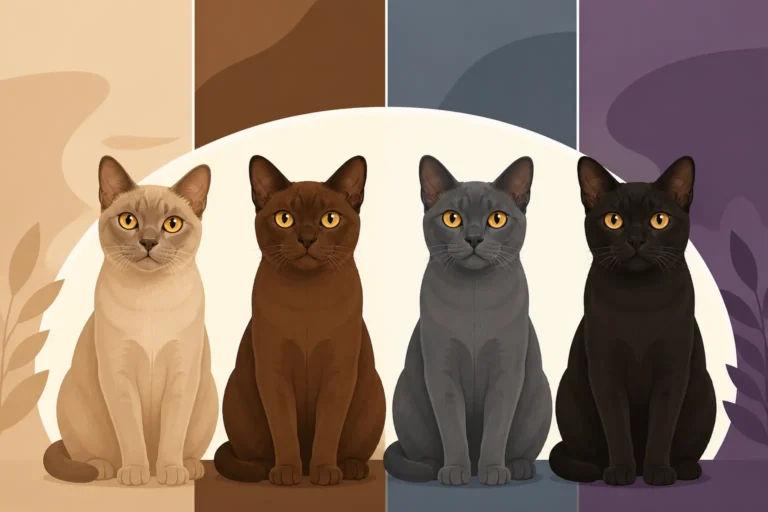
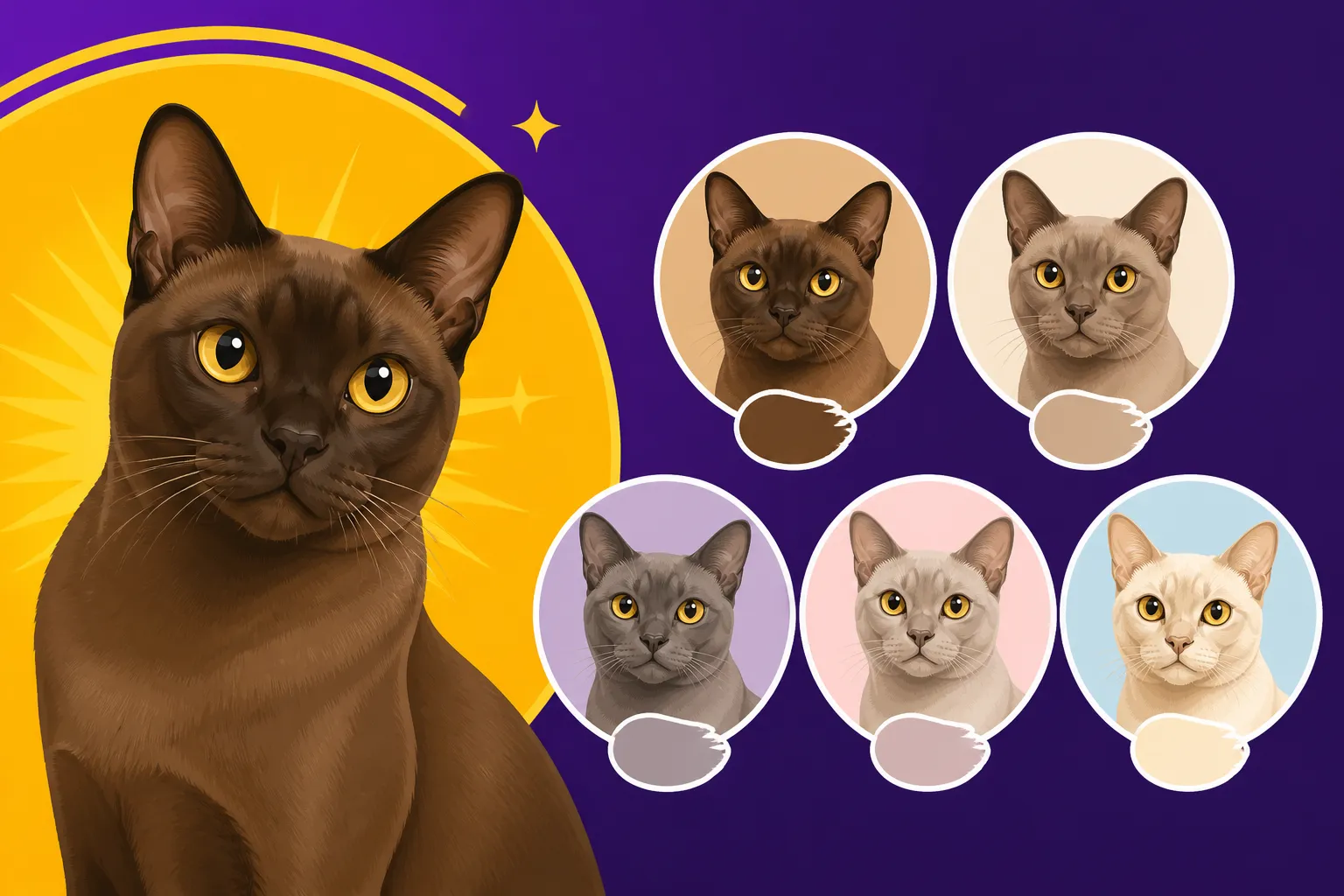
These colors are not simply alternative names for American Burmese colors. The American standard uses sable, champagne, blue, and platinum. The European Burmese color vocabulary includes brown, chocolate, blue, and lilac, as well as red and cream. Some of the names correspond to similar genetic color groups under different naming conventions: for example, sable is broadly comparable to brown, champagne to chocolate, and platinum to lilac.
Red and cream are often the easiest colors to spot in a comparison because they stand out from the four-color American list. Still, a photograph is not enough to establish a cat’s registration type. A warm indoor light, camera settings, age, and coat condition can all affect how a color appears.
For a closer look at the registry distinction, see Which Colors CFA Accepts in a Burmese and Which Colors the European Burmese Standard Adds. Those standards explain why a color can be valid for one registered type but not accepted under another registry’s Burmese rules.
Tortoiseshell patterns add another group of European colors
European Burmese standards may also include tortoiseshell varieties. A tortoiseshell coat combines two colors in patches or a mottled pattern rather than appearing as one even, solid shade. The named varieties can include brown tortie, blue tortie, chocolate tortie, and lilac tortie.
The amount and arrangement of the colors can differ substantially between cats. One may have distinct patches, while another has a more blended, speckled appearance. That variation is normal for a pattern; it does not mean the cat is a mix or that its coat is somehow less typical.
Tortoiseshell coloring is also commonly linked with female cats because the genes involved in the pattern are associated with the X chromosome. Male tortoiseshell cats can occur, but they are unusual. If a listing describes a tortie Burmese, it is worth asking the breeder or registry exactly how the cat’s color is recorded rather than relying on a casual description.
The key distinction is that these tortoiseshell colors are part of the broader European Burmese color range, while the CFA American Burmese standard lists four solid colors. That difference is about breed standards and registration, not a claim that one cat is more Burmese, healthier, or better-looking than another.
Color names do not always match across registries
“European Burmese” is a useful shorthand, but color recognition and registration rules are set by cat associations. The names and accepted colors can vary depending on the organization and the country. So when someone says “only the European Burmese has red,” it is more accurate to understand that as a comparison with the traditional CFA American Burmese standard.
This distinction matters when reading a breeder advertisement. A seller might use “European type” to describe a cat’s appearance or ancestry, but that wording alone does not confirm how the cat is registered. Ask which registry issued or recognizes the pedigree, what color is recorded on it, and whether the parents’ papers show the same breed type throughout.
The history behind the two types helps explain why standards differ. You can read more in How the American and European Burmese Split. For practical questions about identifying a kitten before committing, How to Tell Which Burmese Type You Are Buying is also useful.
European Burmese colors compared with American Burmese colors
The table below compares common color terms and the main distinction people usually mean when they ask which colors “only” the European Burmese has.
| Color or pattern | Common European Burmese term | Traditional CFA American Burmese term | What to keep in mind |
|---|---|---|---|
| Dark brown | Brown | Sable | Similar broad color group, with different naming |
| Warm medium brown | Chocolate | Champagne | Similar broad color group, with different naming |
| Blue-gray | Blue | Blue | The name is shared |
| Pale gray-lilac | Lilac | Platinum | Similar broad color group, with different naming |
| Red | Red | Not one of the four CFA colors | Associated with the broader European color range |
| Pale warm red | Cream | Not one of the four CFA colors | Associated with the broader European color range |
| Mixed-color pattern | Brown, blue, chocolate, or lilac tortie | Not one of the four CFA colors | Tortoiseshell varieties are part of the European range |
The table is a general comparison, not a substitute for a registry’s own standard. In particular, the first four rows show why color names can be confusing: a cat may look as though it belongs to a familiar color group while its paperwork uses a different term.
How to tell coat color from breed type
Look at the paperwork, not just the coat
A red, cream, or tortoiseshell coat may point toward the European Burmese color range, but it cannot establish the cat’s breed registration by itself. A responsible breeder should be able to explain the cat’s registry, pedigree, registered color, and the type of Burmese represented in its lineage.
Ask for the formal color name used on the paperwork. Then check that it matches the registry’s terminology. If an advertisement says “European Burmese” but the seller cannot explain which registry recognizes that description, treat the label as an informal claim until it is clarified.
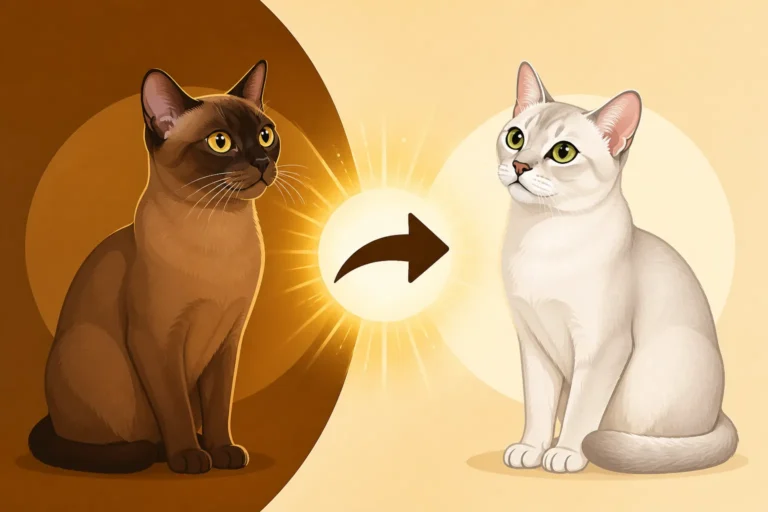
A pedigree is especially helpful when a kitten’s coat is still changing or the color is difficult to distinguish. Burmese kittens can darken as they mature, and subtle shades such as chocolate and lilac may be hard for an inexperienced buyer to judge from a single photograph. A kitten’s appearance is one clue; its documented background is much stronger evidence.
The question Which Registry Calls It a European Burmese can help clarify why the organization matters. If two breeders use the same phrase but follow different registries, their descriptions may not mean exactly the same thing.
Remember that photographs can mislead
A red coat photographed under yellow indoor lighting may look deeper or more orange than it is. Cream can look almost white in a bright image. Blue and lilac may also be difficult to separate in photos, particularly when the image is overexposed or edited.
Whenever possible, ask to see the kitten in natural light and compare its color with the breeder’s written description. If the kitten is very young, ask how the breeder expects its coat to develop and whether the color has been recorded by the relevant registry. Avoid making a purchase decision based only on a color label in an online post.
Color is also separate from head shape, body type, eye color, temperament, and health. Two Burmese cats can have very different coats while sharing the same affectionate, people-oriented character. And a cat with the preferred shade is not automatically a better match for your household than a cat in another recognized color.
Be cautious with vague “rare color” claims
A striking or uncommon-looking color can attract attention, but “rare” is not a standard color designation by itself. Ask what the registry calls the color and whether the cat’s pedigree supports the breed description. A breeder should be comfortable discussing those details without making the conversation feel like a sales pitch.
It can also help to separate the kitten’s coat color from the supplies you will need. A red Burmese does not need a special diet or grooming routine because it is red. If you browse routine supplies on Chewy, focus on the item’s material, size, and suitability for your cat rather than its color-themed marketing. The same practical approach applies to toys or beds from Chewy: choose for comfort and safety, not because a product is advertised to match a coat shade.
Retail listings and product descriptions from Chewy can help with everyday shopping, but they do not verify a cat’s breed or pedigree. For that, rely on breeder documentation and the relevant registry.
What to ask a breeder about color
If you are considering a European Burmese, ask direct, specific questions. These make it easier to distinguish a formal color and registration from a casual description:
- Which registry recognizes the kitten? Ask for the organization’s full name rather than relying on “European type” alone.
- What color is recorded on the pedigree? Confirm the official term, especially for red, cream, or a tortoiseshell pattern.
- What type are the parents registered as? The parents’ documentation can help explain the kitten’s ancestry.
- Can I see the paperwork or a written explanation of it? A breeder should be able to show how the color and type are recorded.
- Is the kitten’s color expected to change as it matures? This is useful when the shade is still developing or hard to assess.
- What does the contract say about registration and health? Color should not distract from the essentials of responsible breeding and kitten care.
A good breeder will answer without suggesting that one color guarantees a particular temperament, quality, or health outcome. If you are comparing listings, How a Burmese's Color Is Registered offers useful context on the role of official records. For a related question about less common shades, see Whether a Red or Cream Burmese Is Recognized.
The practical answer
The colors most often described as European Burmese colors that are absent from the traditional CFA American four-color list are red, cream, and the tortoiseshell varieties. The four American Burmese colors are sable, champagne, blue, and platinum. Names and recognition can vary by registry, so it is best to treat this as a standards comparison rather than a universal rule about every Burmese cat worldwide.
If a kitten’s color is the reason you are interested, enjoy that preference—but verify the registry and pedigree before drawing conclusions. A coat can help you understand what you are looking at; it cannot, on its own, tell you exactly how the cat is registered. And whichever recognized color you choose, the daily care is the same: a balanced diet, regular veterinary attention, companionship, and a home where the cat is treated as an individual rather than a shade.
Disclaimer
This article is for general informational purposes only and does not constitute professional advice. Laws, prices and regulations vary by location and change over time. Consult a qualified professional for guidance on your specific situation.