How Many Years a Well Bred Burmese Lives
It’s a question every loving cat parent wonders, especially when welcoming a new furry family member: just how many wonderful years will you have together? For those of us devoted to the charming, affectionate Burmese, understanding their potential lifespan and what contributes to it is paramount. This guide is here to shed light on the typical longevity of a well-bred Burmese, diving into the genetic factors, common health challenges, and essential care practices that pave the way for a long, joyful life.
Understanding the Burmese Lifespan Potential
When you bring a Burmese into your home, you're not just getting a cat; you're getting a vibrant, interactive companion known for its incredible affection and playful spirit. It’s natural to want to maximize your time with them, and thankfully, the Burmese is generally considered a long-lived breed. Many owners report their beloved Burmese cats living well into their teens, with some even reaching their early twenties.
The Genetics of Longevity in Burmese Cats
The foundation of a long life often starts with good genetics. A well-bred Burmese comes from a lineage where breeders have meticulously screened for genetic health issues, ensuring that the kittens inherit the best possible start. This careful selection plays a huge role in determining how many years a well bred Burmese lives. Responsible breeders understand the importance of genetic testing and aim to produce robust, healthy offspring. While no one can guarantee absolute freedom from illness, a strong genetic background significantly reduces the risk of inherited diseases that can shorten a cat's life. This is why looking for a breeder who actively tests their breeding stock is so important.
The Burmese breed standard emphasizes a solid, muscular body, which contributes to their overall hardiness. Genetically, they are often seen as a relatively healthy breed when compared to some others, though they do have predispositions to specific conditions we'll discuss. The ideal lifespan for these wonderful cats often falls within the range of The Sixteen to Eighteen Years a Well Bred Burmese Gets If you're wondering how long your particular feline friend might be with you, understanding their heritage is a key piece of the puzzle.
What 'Well-Bred' Truly Means for a Burmese
The term "well-bred" isn't just about pedigree papers or show titles; it’s about a breeder's ethical commitment to the health and welfare of their cats. For a Burmese, this means breeding parents who are not only physically sound and temperamentally stable but also thoroughly screened for known genetic conditions. A truly well-bred Burmese comes from parents who have been DNA tested for conditions like Hypokalemia, and whose lines are carefully monitored for diabetes risk.
A responsible breeder will openly discuss the health history of their cattery, including any instances of inherited conditions in previous generations. They will also provide documentation of health screenings for the parent cats, such as DNA test results. For instance, knowing What a Burmese Breeder Must Test Before Any Mating. This transparency is a hallmark of a breeder committed to enhancing the breed's longevity and health, rather than just aesthetics. A kitten from such a background has a significantly higher chance of reaching its full genetic potential for a long and vibrant life. It’s an investment in health that truly pays off in years of companionship.
Common Health Challenges That Impact Lifespan
Even with the best genetics, certain health challenges are more prevalent in the Burmese breed. Being aware of these common issues and understanding how to manage them is crucial for extending your cat's lifespan and ensuring their quality of life. Proactive care and early detection are your best allies.
The Shadow of Diabetes in the Burmese Breed
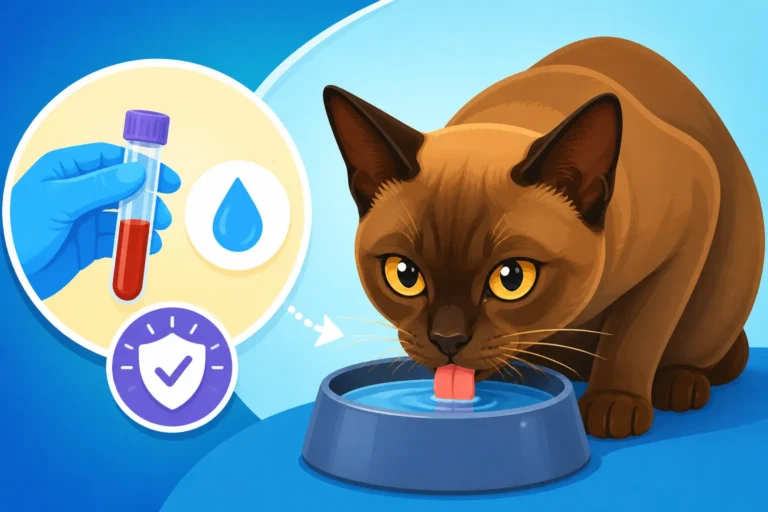
One of the most significant health concerns for Burmese cats is their predisposition to diabetes mellitus. It's a sobering reality for many Burmese owners, as this breed has a notably higher risk compared to other cat breeds. In fact, research indicates that Why a Burmese Is Four Times More Likely to Become Diabetic. This elevated risk isn't just a random occurrence; it's rooted in their genetics, and unfortunately, lifestyle factors like diet and weight can heavily influence its onset.
Diabetes, if left unmanaged, can severely impact a cat's health, leading to a host of complications and significantly shortening their life. Symptoms often include increased thirst, frequent urination, and unexplained weight loss despite a good appetite. Early diagnosis and consistent management, typically involving insulin injections and dietary changes, are vital for maintaining their health. The good news is that with dedicated care, many diabetic Burmese can lead happy, full lives. Understanding these risks empowers you to take preventative measures and recognize the signs early.
Managing Hypokalemia and Other Inherited Conditions
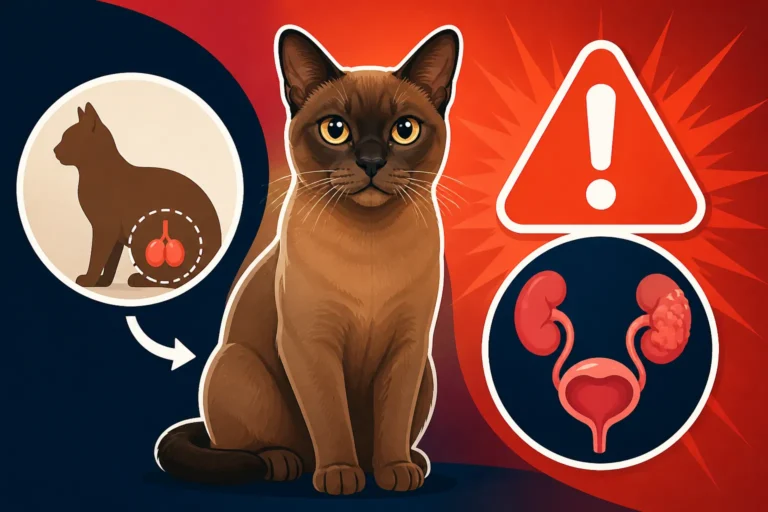
Beyond diabetes, the Burmese breed also carries a predisposition to certain other inherited conditions. One that many breeders diligently screen for is hypokalemia, also known as Familial Episodic Hypokalemic Polymyopathy. This condition causes episodes of muscle weakness due to low potassium levels in the blood. For an owner, it can be quite alarming to see their cat suddenly struggle with weakness, particularly in their neck and limbs. Thankfully, Hypokalemia Is the Burmese Disease With a DNA Test, which has been a game-changer for responsible breeders.
Other less common but still important inherited conditions include Gangliosidosis and the unfortunate Burmese Head Defect. While a good breeder will screen for these, it's essential for owners to be aware of the signs and work closely with their vet. Regular check-ups allow your veterinarian to monitor your Burmese for any subtle signs of these conditions. Early intervention, whether through medication, dietary adjustments, or supportive care, can make a significant difference in managing these health issues and ensuring your Burmese enjoys a comfortable, longer life.
Dental Health and Its Unexpected Link to Longevity
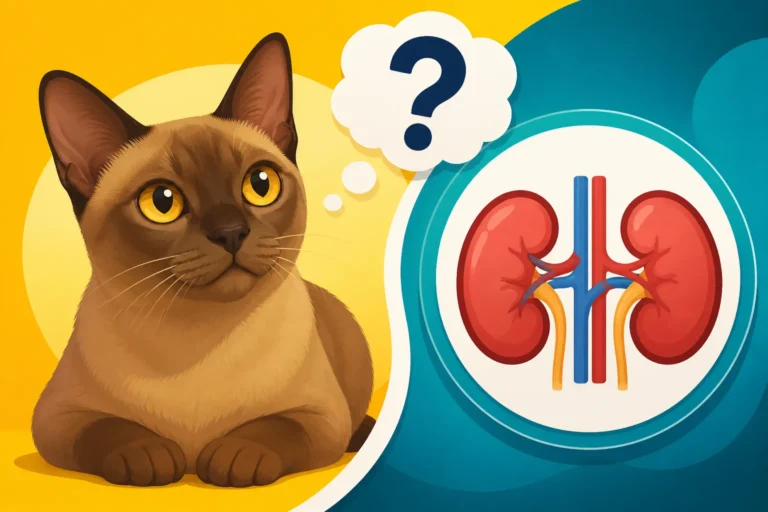
It might surprise some, but dental health plays a much larger role in a cat’s overall longevity than many realize. For Burmese cats, gum disease and tooth resorption are unfortunately quite common, sometimes even more so than in other breeds. This isn't just about bad breath; untreated dental issues can lead to significant pain, making eating difficult, and act as a gateway for bacteria to enter the bloodstream, potentially affecting vital organs like the heart and kidneys.
Think about it: persistent infections in the mouth can put a constant strain on your cat's immune system and contribute to systemic inflammation, which definitely doesn't help in the quest for a long, healthy life. That’s why proactive dental care is so essential. This includes regular home brushing if your cat tolerates it, and consistent professional dental cleanings under anesthesia as recommended by your vet. Knowing How Often a Burmese Needs a Dental, including what to look for between visits, can prevent minor issues from escalating into major health crises. Investing in your Burmese’s dental health is truly an investment in their long-term well-being.
Nurturing a Long and Healthy Life for Your Burmese
Beyond genetics and screening for specific conditions, the daily care you provide plays a monumental role in your Burmese cat's lifespan and overall happiness. It’s all about creating an environment where they can thrive, physically and emotionally.
The Crucial Role of Nutrition and Weight Management
For a Burmese, diet is not just about filling their bowl; it’s a medical decision. Given their genetic predisposition to diabetes, what and how much you feed your Burmese can directly impact their health and longevity. The goal is to provide a diet that is appropriate for their age, activity level, and most importantly, their breed-specific needs. High-quality wet food that is low in carbohydrates and high in protein is generally recommended, as it mimics their natural prey diet more closely and helps manage blood sugar levels.
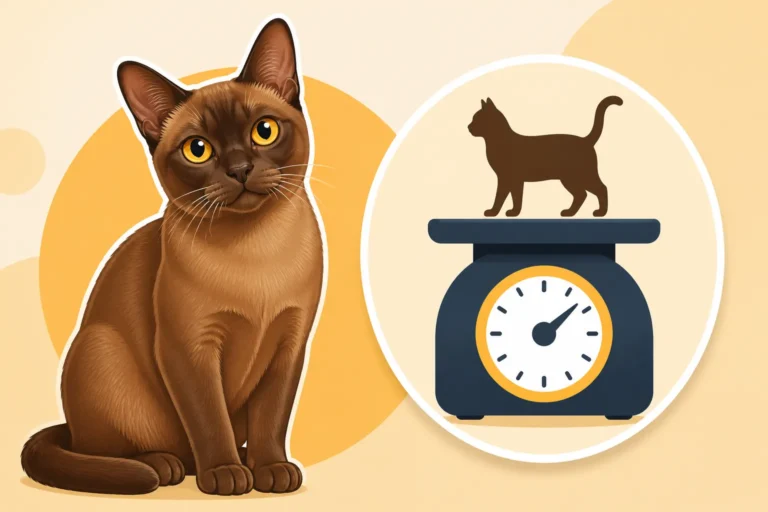
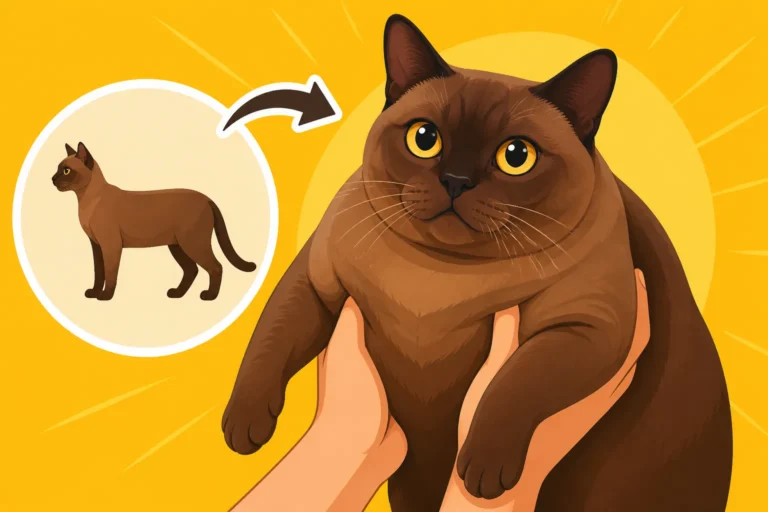
Portion control is absolutely non-negotiable for this breed. These are often hearty eaters, and it's easy for them to become overweight, which dramatically increases their diabetes risk. This is Why Portion Control Is Medical Care in a Burmese. Every meal should be weighed, not scooped, to ensure accurate calorie intake. Free-feeding, where food is left out all day, is a definite no-go for a Burmese. Instead, aim for two measured meals a day. If your Burmese does become diabetic, a specific low-carbohydrate, high-protein diet is crucial, and it’s heartening to know that Which Diet Puts a Burmese Into Remission, often dramatically improving their prognosis.
| Factor | Impact on Lifespan | Management Strategy |
|---|---|---|
| Genetics/Breeding | Significant: reduces risk of inherited diseases. | Choose a responsible breeder who tests parents. |
| Diet/Weight | High: prevents obesity and diabetes. | Low-carb, high-protein wet food; weighed portions. |
| Dental Health | Moderate: prevents systemic infections. | Regular brushing, professional dental cleanings. |
| Veterinary Care | High: early detection and treatment of issues. | Annual check-ups, prompt attention to symptoms. |
| Enrichment/Stress | Moderate: improves mental and emotional health. | Interactive play, companionship, safe environment. |
The Importance of Regular Veterinary Care
Think of your veterinarian as your Burmese's partner in a long life. Regular check-ups, even when your cat seems perfectly healthy, are indispensable. These routine visits allow your vet to catch subtle changes that you might not notice at home, especially since cats are notoriously good at hiding illness. A comprehensive annual exam often includes a physical check, weight assessment, and routine bloodwork, which can flag issues like kidney disease, thyroid problems, or early signs of diabetes before they become critical.
For a breed like the Burmese, annual screenings for glucose levels become even more critical as they age. Your vet can also advise on appropriate vaccination schedules, parasite control, and dental care plans tailored to your cat's specific needs. If you notice any changes in your Burmese's behavior, appetite, or litter box habits, don't delay a vet visit. Remember, Why a Burmese Hides Illness Behind Its Affection, so you need to be extra vigilant and trust your instincts if something feels off. Prompt medical attention can often make the difference between a minor issue and a serious, life-threatening condition.
Creating an Enriching and Stress-Free Environment
A long life isn't just about physical health; it's also about mental and emotional well-being. Burmese cats are known for their incredibly affectionate, people-oriented personalities. They thrive on companionship and interaction, often described as "dog-like" in their devotion. This means that a sterile, solitary environment can lead to stress, anxiety, and even behavioral problems, all of which can indirectly impact their health over time.
Ensure your home provides plenty of opportunities for play, mental stimulation, and most importantly, social interaction. Interactive toys, regular play sessions with you, and a consistent routine can help keep them happy and engaged. If you work long hours, considering a companion cat – ideally another playful, social breed or even another Burmese – can be incredibly beneficial. Brands like Healthy Paws, for example, offer pet insurance that can help cover costs for routine and unexpected veterinary care, giving you peace of mind in maintaining both the physical and mental health of your companion. A happy, stress-free Burmese is more likely to be a healthy Burmese, contributing significantly to their potential to enjoy a full, vibrant life with you.
Recognizing the Signs of Aging and Providing Senior Care
Just like us, Burmese cats eventually enter their senior years, and their needs can change. While it's wonderful that many Burmese live long lives, understanding the signs of aging and how to adapt their care is crucial for maintaining their comfort and health in their golden years.
Subtle Changes in Your Aging Burmese
As your beloved Burmese transitions into senior status, typically around 7-10 years of age, you might start noticing subtle shifts in their behavior or physical capabilities. It's often hard to pinpoint exactly When a Burmese Counts as Senior, as some remain incredibly playful and active well into their teens. However, look for things like a slight decrease in activity levels, perhaps less vigorous play sessions, or a preference for warmer, softer sleeping spots. They might start to slow down a bit on their once effortless leaps to high places.
You may also notice changes in their coat texture, a slight dulling of their once vibrant satin sheen, or a decrease in their meticulous self-grooming. Appetite might fluctuate, or they might become a bit pickier with food. Pay close attention to any changes in their thirst or urination habits, as these can be early indicators of common senior ailments like kidney disease or the onset of diabetes. Even minor shifts in their typical purr-filled demands for attention can signal underlying discomfort or illness. Being attuned to these nuances allows you to address potential issues early, working with your vet to ensure their comfort.
Adapting Care for the Golden Years
Caring for a senior Burmese involves a thoughtful approach to ensure their comfort, health, and continued quality of life. Regular veterinary check-ups become even more vital, often recommended twice a year, as their health can change more rapidly. These visits will likely include more extensive blood work to monitor organ function, especially kidneys and thyroid. Your vet may also suggest things like joint supplements or pain management if arthritis starts to set in, which can happen even if they still seem playful.
Dietary adjustments are often necessary, moving to formulas designed for senior cats that support kidney health, joint function, and maintain muscle mass. Ensuring easy access to food, water, and litter boxes (perhaps with lower sides) can make a huge difference. A heated bed or extra blankets can provide much-appreciated warmth for their aging bodies. Most importantly, continue to provide plenty of gentle affection and mental stimulation. Even an older Burmese still craves interaction and comfort. Understanding Caring for a Burmese Past Twelve, and providing that extra layer of attentive care, allows them to enjoy every precious year you have together. Pet insurance plans, such as those offered by Healthy Paws, can be incredibly helpful during these years, providing financial support for the increased veterinary care an aging pet often requires, ensuring you can always make the best health decisions without undue financial stress.
Disclaimer
This guide is intended for informational purposes only and does not constitute medical advice. Always consult with a qualified veterinarian for any health concerns or before making any decisions about your pet's medical care. Individual cats may vary in their health and lifespan.