Why a Burmese Carrier Can Still Be Bred Carefully
It’s completely understandable to feel a pang of worry, or even outright confusion, when you hear that a beloved Burmese cat is a “carrier” for a genetic condition. Many prospective owners and even newer breeders immediately jump to the conclusion that this cat is somehow unhealthy, or worse, that it shouldn’t be part of any breeding program. However, that’s not only a misunderstanding of what being a carrier means, but it can also be detrimental to the long-term health and diversity of the Burmese breed itself. This guide will walk you through precisely why a Burmese carrier can, and often should, still be bred responsibly and carefully.
Understanding What "Carrier" Truly Means in Burmese Genetics
The term "carrier" can sound ominous, conjuring images of a sick animal, but when it comes to genetics, especially for autosomal recessive conditions, it simply means something quite specific and, frankly, much less alarming. A carrier is a perfectly healthy individual who carries one copy of a gene mutation for a particular disease, but because they also possess a normal, functioning copy of that gene, they do not exhibit any symptoms of the disease themselves. They are clinically normal and live full, healthy lives. The issue only arises if two carriers are bred together, as that’s when there’s a risk of producing affected offspring.
The Specifics of Autosomal Recessive Inheritance
Let’s talk a little science, but I promise to keep it clear and easy to understand. Most of the genetic conditions we test for in Burmese cats, like Hypokalemia or Head Defect, are inherited in an autosomal recessive pattern. Think of it like a pair of shoes: you need two shoes to walk properly. If you have one good shoe and one faulty one, you can still walk just fine because the good shoe compensates. You only run into trouble if both shoes are faulty. In genetics, genes come in pairs – one inherited from each parent. For a recessive disease, a cat only develops the condition if it inherits two copies of the faulty gene (one from each parent).
A carrier cat has one normal gene and one mutated gene. Because the normal gene is "dominant" over the "recessive" faulty gene, the cat remains entirely healthy. It's not a ticking time bomb; it's just a cat with a genetic fingerprint that requires careful consideration in breeding. This is why a thorough understanding of the genetics involved is so crucial – it allows us to differentiate between a healthy carrier and a truly affected animal, a distinction that is paramount for ethical breeding decisions.
Common Recessive Conditions in Burmese Cats
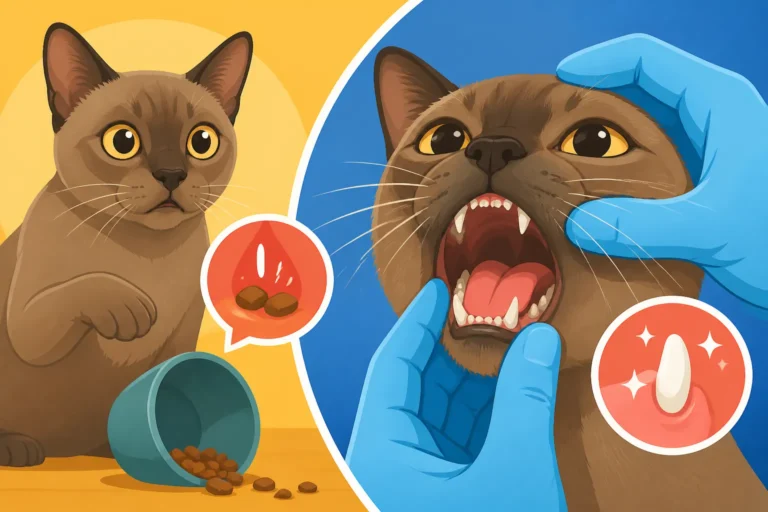
The Burmese breed is, unfortunately, prone to a few specific genetic conditions that follow this recessive inheritance pattern. One of the most well-known is Burmese Hypokalemia, also known as Familial Episodic Hypokalemic Polymyopathy. This condition affects the cat's ability to regulate potassium levels, leading to episodes of muscle weakness, stiffness, and sometimes an inability to lift its head. We know a lot about What the WNK4 Mutation Does in a Burmese, which is the specific genetic mutation responsible for this condition. While a cat with two copies of this mutation will experience these debilitating episodes, a carrier cat (with only one copy) will never show symptoms.
Another serious, albeit thankfully rarer, condition is Burmese Head Defect, a lethal anomaly that causes severe facial and skull deformities in affected kittens. These kittens, sadly, do not survive, and you can learn more about Why Burmese Head Defect Kittens Do Not Survive. Similarly, GM2 Gangliosidosis, a neurodegenerative disorder, also presents in kittens who inherit two copies of a specific faulty gene. What GM2 Gangliosidosis Does to a Burmese Kitten is heartbreaking to witness, but again, carriers of this mutation are completely healthy themselves. The existence of carriers for these conditions isn't a flaw in the cat; it's a natural part of genetic diversity that needs to be managed smartly, not eradicated blindly.
The Role of DNA Testing in Responsible Breeding
In modern cat breeding, DNA testing has become an invaluable tool, transforming the way breeders approach genetic health. It removes the guesswork and provides clear, actionable information about a cat's genetic makeup, allowing for truly responsible and informed breeding decisions. For conditions like Hypokalemia, where carriers are outwardly healthy, DNA testing is the only way to identify them. Without these tests, we would be flying blind, unknowingly pairing two carriers and risking affected kittens.
How Breeders Identify Carriers
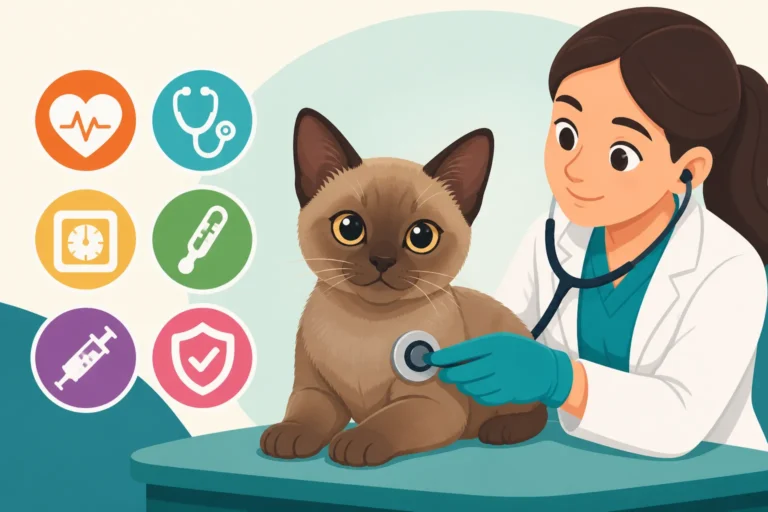
Identifying carriers in Burmese cats is relatively straightforward thanks to advancements in veterinary genetics. It typically involves a simple, non-invasive cheek swab. A small brush is rubbed gently inside the cat's mouth to collect células, which are then sent to a specialized genetic testing laboratory. This easy process means that breeders can test all their potential breeding cats without any stress or discomfort to the animal. In fact, Why a Burmese Cheek Swab Is Enough is that it provides sufficient genetic material for accurate analysis, making the process highly efficient.
When the results come back, they usually categorize the cat as "clear" (meaning two normal copies of the gene), "carrier" (one normal, one mutated copy), or "affected" (two mutated copies). Knowing How the Burmese Hypokalemia Test Is Read is crucial for breeders to make sense of the scientific jargon and understand the implications for their breeding program. This proactive testing is the cornerstone of preventing genetic diseases, not just reacting to them once they appear.
Interpreting Carrier Results for Breeding Decisions
Receiving a "carrier" result for a breeding cat can still feel daunting, even with a solid understanding of the genetics. However, it's vital to interpret this information not as a red light, but as a guide. A carrier result absolutely does not mean the cat should be removed from the breeding program, especially if it possesses other desirable traits like excellent temperament, conformation, or other clear genetic markers. Instead, it means that this cat needs to be paired only with a cat that is "clear" of that particular mutation.
As we'll discuss, a "carrier x clear" mating will never produce an affected kitten, ensuring that no kittens suffer from the disease. How to Read a Burmese Hypokalemia Carrier Result will confirm that carriers are healthy and can be bred without issue if paired correctly. The goal is to eliminate disease, not valuable genetic lines. By carefully managing carrier cats, breeders can continue to contribute to the overall health and diversity of the Burmese breed without compromising the health of individual kittens. This balance is key to sustainable and ethical breeding practices.
Strategies for Breeding with a Burmese Carrier Safely
The key to responsibly breeding a Burmese carrier lies in strict adherence to a "carrier to clear" mating strategy. This approach not only ensures that no affected kittens are produced but also allows breeders to retain valuable genetic lines within the breed. It’s a pragmatic and ethical way to manage genetic health without resorting to drastic measures that could unintentionally harm the breed in the long run.
The "Carrier to Clear" Mating Strategy
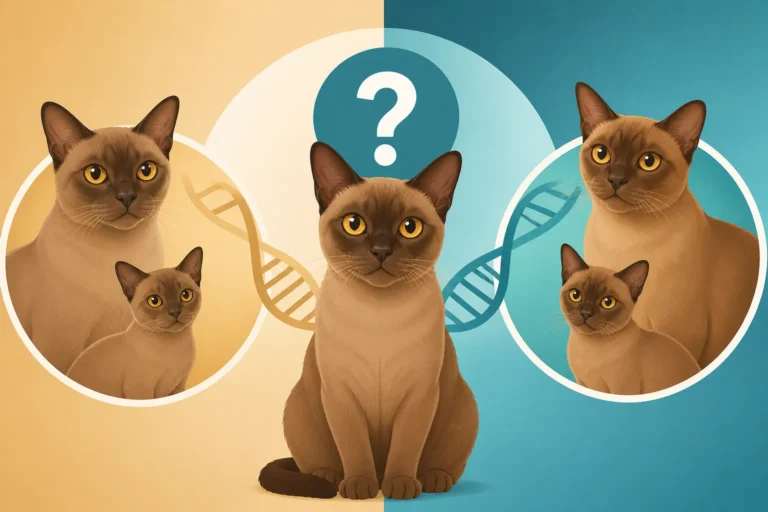
This is the golden rule when you have a carrier in your breeding program. If you have a Burmese that tests as a carrier for, say, Hypokalemia, you simply must ensure that it is only ever bred to a cat that has tested clear for that same mutation. When a carrier (one normal gene, one mutated gene) is bred to a clear cat (two normal genes), the genetic outcomes are predictable and safe:
- 50% chance of offspring being clear: These kittens inherit a normal gene from both parents.
- 50% chance of offspring being carriers: These kittens inherit a normal gene from the clear parent and the mutated gene from the carrier parent.
- 0% chance of offspring being affected: Crucially, no kitten will inherit two copies of the mutated gene, meaning no kitten will suffer from the disease.
This strategy is effective because it completely removes the risk of producing affected animals. It’s absolutely critical to understand that Why Two Burmese Carriers Must Never Be Bred is precisely because that is the only pairing that carries a 25% risk of producing affected kittens. By sticking to "carrier to clear," breeders prevent disease while still making use of a cat's otherwise excellent genetics.
Why Preserving Genetic Diversity Matters
In the world of purebred animals, there's always a delicate balance between selecting for desirable traits and maintaining a healthy gene pool. If breeders were to simply remove every single carrier cat from their programs, the gene pool for the Burmese breed would shrink dramatically. This phenomenon, known as a genetic bottleneck, leads to reduced genetic diversity, which can actually increase the prevalence of other unforeseen health issues in the future, as well as make the breed less robust overall. For instance, in some populations, like Why the European Burmese Gene Pool Is Smaller, every healthy breeding cat is precious.
Carrier cats often possess exceptional qualities—outstanding temperament, beautiful conformation, or perhaps lines that are robust against other health problems. Discarding these cats simply because they carry one copy of a recessive gene would be a significant loss to the breed. By using the "carrier to clear" strategy, breeders can thoughtfully manage these genetic markers, slowly reducing the number of carriers in future generations without sacrificing valuable genetic diversity. This long-term approach is what truly contributes to the health and longevity of the Burmese cat, ensuring that future generations remain vibrant and healthy.
Long-Term Management and Ethical Considerations
Responsible breeding isn't a one-time event; it's an ongoing commitment to the health and well-being of the breed. For Burmese breeders working with carriers, this means transparency, continuous learning, and adapting practices as new scientific information becomes available.
Communicating with Prospective Kitten Owners
Transparency is paramount when dealing with genetic carriers. Ethical breeders will openly discuss the genetic status of their breeding cats with prospective kitten owners. This includes explaining what it means for a parent to be a carrier, detailing the "carrier to clear" breeding strategy, and reassuring buyers that their kitten will not be affected by the condition. If a kitten from such a pairing is itself a carrier, the breeder should clearly communicate this potential outcome. For owners who might consider breeding in the future, knowing a kitten's carrier status from the outset is crucial, as they too would need to ensure "carrier to clear" pairings.
This open dialogue builds trust and helps educate new owners on responsible pet ownership, extending beyond just the initial purchase. It's about empowering owners with knowledge, ensuring they understand the genetic legacy of their new family member. For a full picture of what to expect, learning Which Tests Belong on a Burmese DNA Panel will allow prospective owners to ask informed questions about the health screenings performed on their kitten's parents.
The Ongoing Commitment to Genetic Health
The commitment to genetic health doesn't end once a carrier is successfully bred to a clear cat. Responsible breeders are always monitoring their lines, staying updated on genetic research, and considering new tests as they become available. This proactive approach ensures that the breeding program remains robust and adaptable. For instance, while genetics can help prevent certain diseases, other common health issues in Burmese, such as diabetes, are more complex and can be influenced by diet and lifestyle. Even with meticulous breeding, health challenges can arise.
This is where planning for future care becomes essential. Just as breeders are careful with genetics, owners should consider how they will manage unexpected health issues. Pet insurance companies like Healthy Paws can provide peace of mind, covering significant portions of veterinary bills should an illness or accident occur. While some policies might have exclusions for pre-existing conditions, a comprehensive plan from Healthy Paws can be incredibly helpful for new, unforeseen health needs. Even conditions like diabetes, which has a higher rate in Burmese, can incur substantial costs for insulin and monitoring. Having a safety net in place ensures that your beloved Burmese receives the best possible care throughout its life, regardless of its genetic status. Remember, Whether a Burmese Policy Is Worth It Once Diabetes Is Excluded is a common question, and while genetic disease might be excluded if already diagnosed, proactive insurance covers a vast array of other potential issues.
Pairing Strategies for Genetic Health
To solidify understanding, here’s a breakdown of mating possibilities and their genetic outcomes for a single autosomal recessive disease, which applies to conditions like Hypokalemia or Head Defect in Burmese cats:
| Mating Pair | Probability of Clear Offspring | Probability of Carrier Offspring | Probability of Affected Offspring |
|---|---|---|---|
| Clear x Clear | 100% | 0% | 0% |
| Clear x Carrier | 50% | 50% | 0% |
| Carrier x Carrier | 25% | 50% | 25% |
| Carrier x Affected | 0% | 50% | 50% |
| Affected x Affected | 0% | 0% | 100% |
As you can see, the "Clear x Carrier" pairing is the only way to ethically and safely breed a carrier cat while ensuring no affected kittens are born. This table clearly illustrates the risks and rewards of different pairings, emphasizing the importance of DNA testing and careful selection. This proactive approach in breeding is a testament to a breeder's dedication to the health and future of the Burmese cat, ensuring that their beautiful qualities endure for generations to come.
Disclaimer
Please remember that the information provided in this guide is for general informational purposes only and does not constitute veterinary advice. Always consult with a qualified veterinarian for any health concerns or before making any decisions related to your pet's care or breeding program. Genetic testing results and breeding plans should always be discussed with a genetic counselor or a veterinarian experienced in feline genetics.