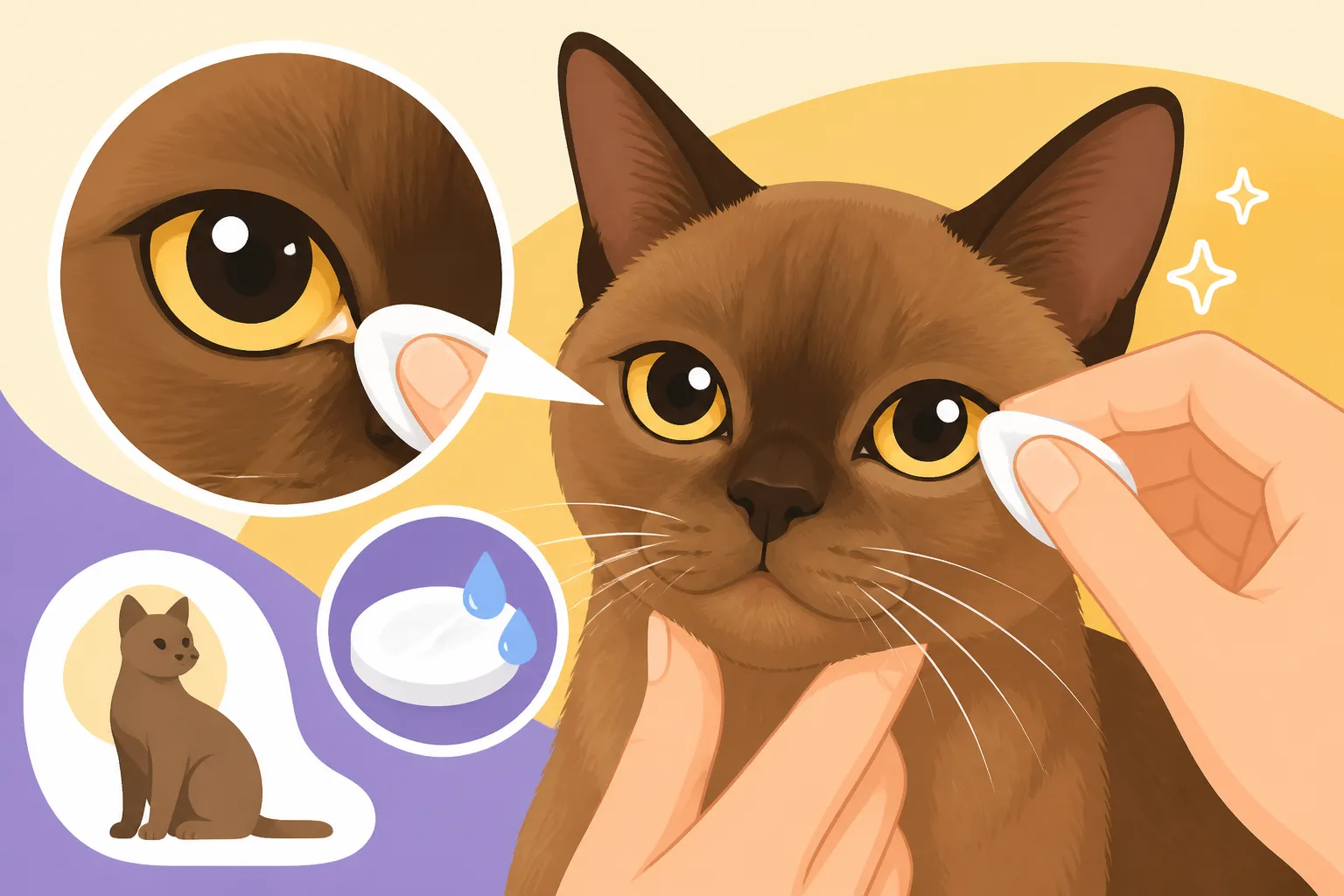
How to Clean a Burmese’s Eye Corners Safely
That adorable, expressive face of your Burmese cat often comes with a little extra… character, doesn’t it? Many of us Burmese parents find ourselves gently wiping away those tell-tale streaks or crusty bits from the corners of their beloved feline's eyes. It can be a bit concerning when you first notice it, wondering if it's normal or a sign of something more serious. This guide is here to walk you through exactly why your Burmese's eyes might be watering and, more importantly, how to clean those delicate eye corners safely and effectively at home.
Understanding Why Your Burmese's Eyes Water and Crust
Before we even think about cleaning, it's really helpful to understand why your gorgeous Burmese might be getting eye discharge in the first place. It’s not always a cause for alarm, but knowing the potential reasons can help you distinguish between a normal, occasional bit of 'sleep' and something that needs a vet's attention. The Burmese, with their distinctive head shape, can be particularly prone to certain issues.
Anatomy and Breed Predisposition
The Burmese cat, especially the American Burmese type, is known for its round head, broad muzzle, and large, expressive eyes. While absolutely beautiful, this can sometimes lead to what we call brachycephalic features, even if not as pronounced as in some other breeds like Persians. Their relatively flat faces can mean that their tear ducts aren't always perfectly aligned or can be a bit squished, making drainage less efficient. This anatomical quirk can result in tears overflowing onto their face instead of draining properly, leading to dampness and eventual crusting in the eye corners. It’s not necessarily a defect, but just a characteristic that requires a little extra care.
Beyond the tear duct structure, the shape of their eyelids can also play a role. Some Burmese might have a slight inward turn of the eyelid (entropion) or outward turn (ectropion), which can irritate the eye or expose it more to irritants. While severe cases of entropion are usually quite noticeable and painful, minor variations can still contribute to watery eyes. It’s worth being aware that these subtle structural differences are often behind the persistent dampness you might observe, and they're part of what makes Why a Burmese's Eyes Weep in the Corners a common query among owners.
Environmental Irritants and Allergens
Just like us, cats can react to their environment. Your Burmese's sensitive eyes can be easily irritated by everyday household culprits. Dust is a big one – if your home tends to be a bit dusty or you're doing some cleaning, those tiny particles can settle in your cat's eyes, causing them to water as a natural flushing mechanism. Similarly, strong perfumes, air fresheners, or even smoke from cooking or fireplaces can act as irritants. Think about where your cat spends its time; is its favorite napping spot right next to a dusty bookshelf or a drafty window?
Allergens are another common factor. Cats can develop allergies to pollen, dust mites, or even certain ingredients in their food, which can manifest as watery eyes alongside other symptoms like sneezing or itchy skin. If you notice the eye watering is seasonal or coincides with changes in their diet or environment, it might be an allergic reaction. Keeping their living space clean, using air purifiers, and avoiding strong chemical cleaners can go a long way in minimizing these environmental triggers.
Distinguishing Minor Issues from Serious Concerns
Most of the time, a little eye crust in your Burmese is completely normal and can be managed with simple home cleaning. This "normal" discharge is usually clear or reddish-brown (from tear stains), not excessive, and doesn't bother your cat. However, there are times when watery eyes can signal a more serious underlying health issue that requires veterinary attention.
Normal vs. Concerning Eye Discharge
| Feature | Normal/Minor Issue | Potentially Serious Issue |
|---|---|---|
| Color | Clear, brownish, reddish-brown (tear stains) | Yellow, green, thick, pus-like |
| Consistency | Watery, slightly crusty when dry | Thick, sticky, mucousy, excessive |
| Quantity | Small amounts, mostly in eye corners | Constant, heavy discharge, running down face |
| Cat's Behavior | No visible discomfort, eyes held open normally | Squinting, pawing at eyes, rubbing face, lethargy, fever |
| Associated Symptoms | None, or occasional sneezing due to dust | Redness, swelling, cloudiness, visible injury, third eyelid showing, pain, changes in appetite |
If you observe any of the "potentially serious" signs, or if the discharge changes in appearance, becomes excessive, or your cat shows signs of discomfort, it’s always best to consult your veterinarian promptly. Early diagnosis and treatment can prevent minor issues from escalating into more severe problems. Having a good pet insurance plan, like one from Healthy Paws, can provide considerable peace of mind if an unexpected vet visit or ongoing treatment for an eye condition becomes necessary.
Gathering Your Tools for Safe Eye Corner Cleaning
Alright, now that we’ve talked about the why, let’s get down to the how. Cleaning your Burmese's eyes safely is all about having the right tools and creating a calm, positive experience for both of you. You don't need a lot, but what you use makes all the difference.
Choosing the Right Cleaning Solution
When it comes to what to use to actually clean those delicate eye areas, simplicity and safety are key.
- Warm Water: For most minor crusting and tear stains, plain warm water is perfectly adequate. Boil some water and let it cool down to a comfortable, lukewarm temperature. This is sterile and gentle, making it ideal for regular use without introducing any harsh chemicals or irritants.
- Sterile Saline Solution: A sterile saline solution, often available at pharmacies (the kind used for contact lenses, but without any added chemicals like preservatives or emollients), is another excellent choice. It mimics the natural tears and helps to gently flush and moisten the area. Always double-check the ingredients to ensure it's just saline and nothing else.
- Pet-Specific Eye Wipes or Solutions: There are many commercially available eye wipes and solutions specifically formulated for cats. Brands like Earthbath, Petkin, or similar reputable pet care companies offer wipes that are pre-moistened with gentle, non-irritating solutions. These can be very convenient for quick clean-ups, especially when traveling. Just ensure the ingredients list is simple and natural, avoiding anything that could cause irritation. Always check the expiration date and ensure the product is sealed properly.
What to avoid, however, is equally important. Never use human eye drops unless specifically instructed by your vet, as they can contain ingredients harmful to cats. Avoid hydrogen peroxide, alcohol, or any harsh chemicals that could sting or damage your cat’s eyes. Even baby wipes, while seeming gentle, can contain perfumes or moisturizers that aren't safe for feline eyes. Stick to the basics, and if in doubt, just use warm water.
Selecting the Best Applicators
The tool you use to apply your chosen cleaning solution is just as important as the solution itself. You want something soft, absorbent, and non-fibrous to avoid leaving any irritating residue in their eyes.
- Cotton Pads: These are fantastic! They're soft, don't shed fibers easily, and are absorbent. Flat, round cosmetic cotton pads are usually ideal. You can fold them to get a fresh surface for each swipe.
- Soft, Lint-Free Cloths: If you prefer reusable options, a very soft, clean, lint-free cloth (like a microfibre cloth designated only for eye cleaning) can work. Ensure it's freshly washed without harsh detergents or fabric softeners, and completely dry before use. Cut it into small squares so you have plenty of clean surfaces.
- Gauze Pads: Sterile gauze pads, like those found in first-aid kits, are another good option. They are designed not to shed fibers and are gentle on the skin.
What to absolutely avoid? Cotton balls. While they seem soft, they can easily unravel and leave tiny cotton fibers behind, which can then get into your cat’s eye and cause irritation or even an infection. Also, steer clear of paper towels or any rough material. The goal is gentle care, so choose the softest, safest options available.
Preparing a Calm Environment
Your Burmese is a highly social and intelligent cat, but they can still be sensitive to stress, especially when you're doing something near their face. Creating a calm, positive environment is crucial for making eye cleaning a smooth and successful experience.
First, choose a quiet time when your cat is already relaxed, perhaps after a nap or a good play session. Avoid times when they're hungry, overstimulated, or rambunctious. A common frustration for many cat owners is trying to wrangle their feline friend, especially when it comes to grooming tasks. If your cat associates eye cleaning with a stressful experience, it'll only get harder each time.
Find a comfortable spot – maybe on your lap if they’re a lap cat, or on a soft blanket on a table. Make sure the lighting is good so you can clearly see what you’re doing. Speak to your cat in a soothing, calm voice throughout the process. Offer gentle strokes and reassurance. Having some favorite treats on hand can also be a game-changer! These aren't just for after; sometimes, a little treat during can distract and reward them for good behavior. Remember, patience is key. If your cat seems stressed or resistant, stop, take a break, and try again later. For tips on general handling and making routine care easier, you might find articles like How to Handle a Burmese for Insulin Injections helpful, as the principles of gentle restraint and positive reinforcement are very similar.
A Step-by-Step Guide to Gently Cleaning Your Burmese's Eyes
Now that you've got your supplies and a relaxed kitty, let's get into the actual cleaning process. Remember, gentle is the operative word here.
Approaching Your Burmese Calmly
The first step is always the approach. If you rush in, grabbing your cat and their face, you're setting yourself up for failure (and possibly a scratch!). Instead, approach your Burmese when they are in a relaxed state. Pet them, talk to them in your usual sweet, calm voice. Let them see and sniff the cotton pad and the bottle of saline or warm water. This isn't about hiding anything from them; it's about making it a non-threatening part of your interaction.
Once they're comfortable and purring on your lap or beside you, gently cup their head in one hand, making sure not to cover their eyes or put pressure on their delicate nose. The goal is to stabilize their head so you can work, but without making them feel trapped. Many Burmese are very trusting and enjoy being held close, which certainly helps. Remember, your cat mirrors your energy, so if you're calm and confident, they're much more likely to cooperate. For more insights into their affectionate nature, take a look at Why a Burmese Purrs Through a Vet Examination.
The Gentle Wipe Technique
Now for the actual cleaning. Take a fresh cotton pad or a piece of your lint-free cloth and moisten it thoroughly with your chosen cleaning solution – warm water or sterile saline. It should be damp, not dripping.
- Start with the outer corner: Gently begin wiping from the outer corner of the eye, moving inward towards the nose. This motion helps to sweep any debris away from the delicate eye itself and prevent pushing anything into the tear duct opening.
- Use a fresh surface for each wipe: For each eye, and ideally for each distinct swipe, use a clean section of the cotton pad or a fresh pad entirely. This prevents spreading any bacteria or irritants from one part of the eye to another, or from one eye to the other.
- Be incredibly gentle: The skin around a cat's eyes is very thin and sensitive. Avoid any scrubbing or harsh rubbing. A gentle swipe is usually all that's needed to loosen and remove dried crusts or tear stains. If a crust is particularly stubborn, hold the warm, damp pad over it for a few seconds to soften it before gently wiping.
- Avoid the eyeball itself: While you're cleaning the area around the eye, be very careful not to touch the eyeball directly. You're cleaning the corners and the fur directly beneath the eye, not the eye surface.
- Clean both eyes: Even if only one eye appears to have discharge, it's a good practice to clean both. Use entirely separate pads for each eye to prevent cross-contamination.
After you're done, you can gently pat the area dry with a separate, clean, soft cloth if needed, although usually, a damp wipe will air-dry quickly enough. The key is never to rub dry.
Rewarding Positive Behavior
Positive reinforcement is huge with Burmese cats. They thrive on attention and affection, and they're incredibly smart. As soon as you're done with the eye cleaning (or even during, if they're particularly good), heap on the praise! Give them their favorite treats, lots of gentle petting, and tell them what a good, brave kitty they are.
Making eye cleaning a positive experience means they'll be less resistant next time. If they associate the process with yummy treats and loving attention, they'll be much more cooperative in the future. Some owners even use clicker training to make grooming routines smoother. The principle is simple: good behavior (sitting still, allowing a wipe) equals reward. Consistency in this positive approach will build trust and turn what could be a chore into another bonding moment for you and your Burmese. This kind of consistent, gentle handling for routine care is also a huge benefit for other health checks, such as learning How to Get a Burmese Used to a Glucose Check.
When Eye Watering Signals a Bigger Problem
While routine eye cleaning is often enough, it's critical to know when "just a little watering" means something more serious. Our Burmese cats are masters at hiding discomfort, so keen observation is your superpower here.
Signs That Warrant a Vet Visit
It's a common worry for any pet owner: is this normal, or do I need to call the vet? For Burmese cats and their eyes, here are some clear signals that it’s time to pick up the phone and schedule an appointment:
- Change in Discharge: If the eye discharge suddenly becomes thick, yellow, green, or cloudy, this is a strong indicator of infection and needs immediate veterinary attention. This is very different from the usual clear or brownish tear staining.
- Redness or Swelling: Any visible redness of the whites of the eyes (sclera), the eyelids, or the surrounding tissue, along with swelling, suggests inflammation or infection.
- Squinting or Pawing: If your cat is consistently squinting, holding one or both eyes partially closed, or frequently pawing at their face or rubbing their eyes, it indicates pain or significant irritation.
- Cloudiness or Change in Eye Appearance: A noticeable cloudiness on the surface of the eye, changes in pupil size, or any visible injury to the eye itself are urgent signs.
- Third Eyelid Protrusion: The nictitating membrane, or third eyelid, is usually only visible briefly. If it's consistently showing or covering a significant portion of the eye, it can be a sign of pain, illness, or eye disease.
- Behavioral Changes: Beyond the eye itself, if your Burmese becomes lethargic, loses their appetite, or stops interacting as usual alongside eye issues, it's definitely time for a vet visit. Remember, Why a Burmese Hides Illness Behind Its Affection means you need to be extra vigilant.
- Unresponsiveness to Home Care: If you’ve been diligently cleaning for a few days and the issue isn't resolving or is getting worse, professional evaluation is needed.
These signs indicate that the issue is beyond simple tear stains and could point to infections, injuries, or systemic illness. Don't delay; prompt veterinary care can make a huge difference in preserving your cat's eye health and comfort.
Common Eye Conditions in Burmese Cats
While watery eyes can be minor, they can also be symptoms of more specific conditions that are sometimes seen in Burmese cats or cats in general.
- Conjunctivitis: This is an inflammation of the conjunctiva, the pink membrane lining the eyelids and covering the white part of the eye. It can be caused by bacteria, viruses (like feline herpesvirus), allergies, or irritants. Symptoms include redness, swelling, and clear or pus-like discharge.
- Upper Respiratory Infections (URIs): Common cat colds can cause watery eyes, often accompanied by sneezing, nasal discharge, and lethargy. Feline herpesvirus is a frequent culprit, and while highly contagious, many cats carry it subclinically and only show symptoms during stress or illness.
- Corneal Ulcers/Injuries: A scratch or foreign body on the cornea (the clear outer layer of the eye) can be very painful and lead to excessive tearing, squinting, and redness. These require prompt treatment to prevent deeper damage and vision loss.
- Entropion: As mentioned earlier, this is a condition where the eyelid rolls inward, causing the eyelashes or hair to rub against the cornea. It’s painful and can lead to ulcers. While often genetic, it can sometimes be acquired. For more specific concerns about the eye, it’s worth noting that issues like Whether Corneal Dermoid Reaches the Burmese are rare but important to be aware of if unusual growths are observed.
- Glaucoma: This is a less common but serious condition caused by increased pressure within the eye, which can damage the optic nerve and lead to blindness. Symptoms include a cloudy eye, dilated pupil, pain, and vision loss.
- Blocked Tear Ducts: Sometimes, the tear ducts themselves can become blocked, leading to an overflow of tears. This is often more of a cosmetic issue unless it leads to secondary infections due to constant dampness.
Identifying these conditions early is paramount for effective treatment and preventing long-term damage.
The Importance of Early Veterinary Intervention
When it comes to eye health, "wait and see" is often not the best approach. Because cats are so adept at masking pain and illness, by the time symptoms become obvious, a condition might have progressed significantly. Early diagnosis by a veterinarian can mean the difference between a simple course of eye drops and a much more complex, expensive, or even irreversible problem.
Your vet can accurately diagnose the underlying cause of the eye discharge, whether it's a bacterial infection, a viral issue, an allergy, or an anatomical problem. They can then prescribe appropriate medication, such as antibiotic eye drops, antiviral medications, or anti-inflammatory drugs. In some cases, minor surgical correction might be necessary for conditions like severe entropion or to flush a blocked tear duct.
Regular veterinary check-ups are also crucial for catching subtle signs you might miss. An annual visit for How Often a Healthy Adult Burmese Needs Checking can include a thorough eye examination. Having pet insurance, such as a plan from Healthy Paws, can significantly ease the financial burden of unexpected vet visits, diagnostics, and treatments for eye conditions or other health issues. It allows you to make decisions based on what's best for your cat's health, rather than worrying about the cost. Investing in regular preventative care and being prepared for the unexpected is truly the best way to ensure your Burmese enjoys a long, healthy, and happy life.
Disclaimer
This article is intended for informational purposes only and is not a substitute for professional veterinary advice. Always consult with a qualified veterinarian for any health concerns or before making any decisions about your pet's medical care.