Why an Old Burmese Still Wants a Lap
It's a common misconception that as cats age, they become aloof, preferring solitude to snuggles. Many people imagine their once-lively feline friend transforming into a quiet, independent elder, content to nap in a sunbeam far from the hustle and bustle. However, if you're a Burmese cat owner, you know this couldn't be further from the truth. This guide will delve into why your senior Burmese will not only continue to seek out your lap but often intensify their demand for closeness, providing deep comfort to both of you.
The Enduring Affection of the Senior Burmese
The Burmese cat, affectionately known as the "Velcro cat," is famous for its unwavering attachment to its human companions. This isn't a breed that fades into the background; they are front-and-center, interactive, and deeply involved in family life. This inherent sociability doesn't just evaporate with age; if anything, it often becomes even more pronounced as they move into their golden years.
The Velcro Cat Never Loses Its Stick
You've probably experienced it since your Burmese was a kitten: that constant presence, the way they follow you from room to room, the insistence on being near, or even on you. This isn't just a charming personality quirk; it's a fundamental aspect of the Burmese breed. They thrive on physical contact and emotional connection. As they mature and become seniors, this "Velcro" quality doesn't diminish. Instead, many owners report that their older Burmese become even more persistent in their quest for closeness.
Imagine trying to read a book on the sofa, and instead of settling on the cushion beside you, your senior Burmese insists on weaving between your arms, eventually finding a way to curl up directly on your chest, purring deeply. Or perhaps they used to be content with sleeping at the foot of the bed, but now they must be under the duvet, pressed firmly against your side. This isn't just habit; it’s a deep-seated need for connection and reassurance that is part of their very being. The truth is, The Burmese Is the Velcro Cat of the Cat Fancy, and that stickiness lasts a lifetime.
Seeking Comfort and Security
As cats age, they can experience subtle changes in their senses and their environment. Their hearing might not be as sharp, their eyesight might dim, and their once boundless energy might wane. These changes, however minor, can make the world feel a little less predictable and a little more vulnerable. In response, an older Burmese often seeks out the most reliable source of comfort and security available: you.
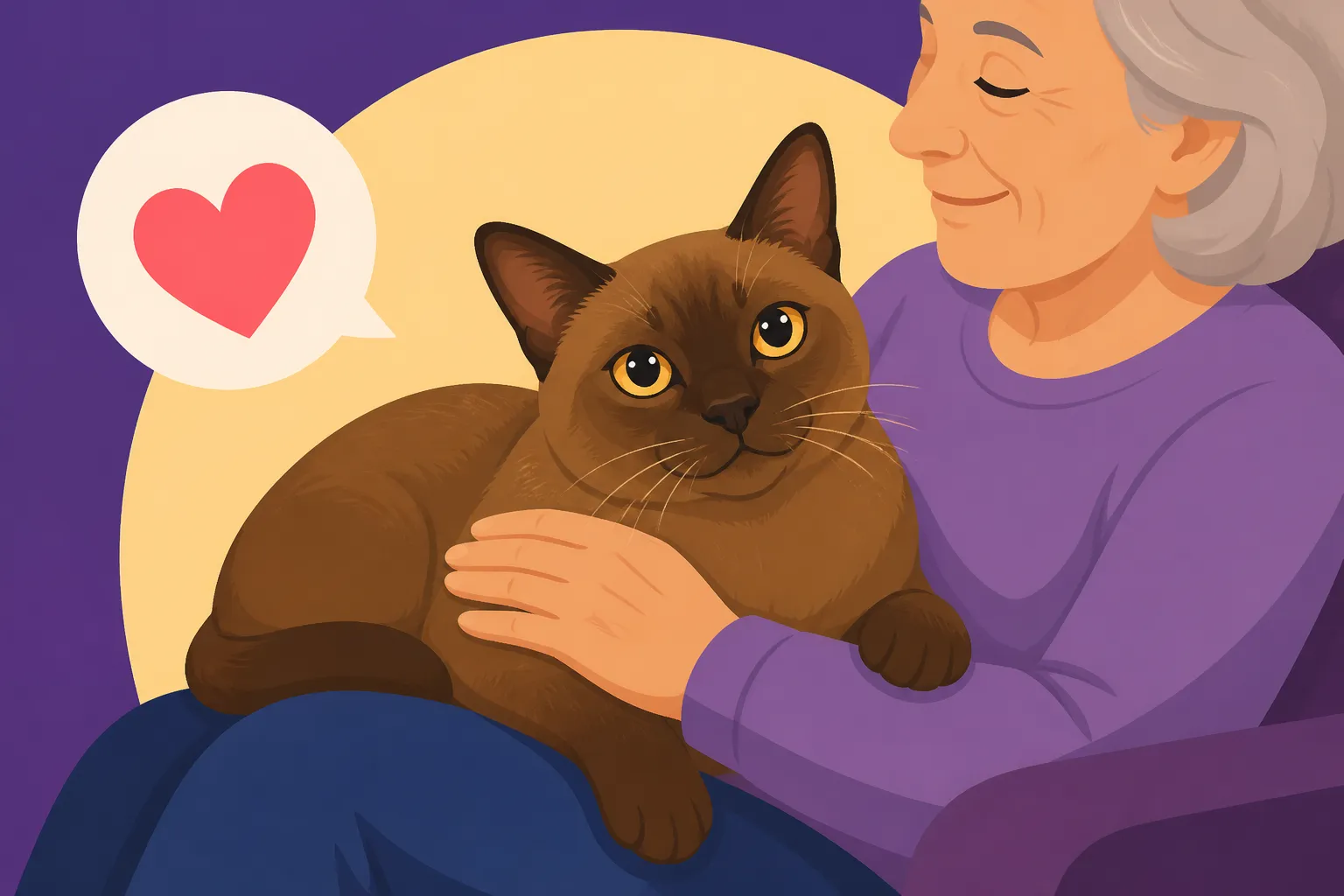
Your lap isn't just a warm spot; it's a sanctuary. It’s a place where they feel completely safe, protected, and loved. The familiar scent of your clothing, the rhythm of your breathing, the gentle rise and fall of your chest – these are all powerful reassurances for an aging cat. For a senior Burmese, a deep, rumbling purr while nestled in your lap is a clear indicator that they feel utterly content and secure, a feeling that becomes increasingly important as the world around them might feel a little less certain.
The Consistency of Connection
Burmese cats, from kittenhood, are creatures of routine and deep connection. They thrive on predictable interactions and constant companionship. When they're older, these established patterns become even more vital to their emotional well-being. Your lap time isn't just a random act of affection; it's a deeply ingrained ritual that provides immense comfort. It's a testament to their unwavering trust and the bond you've built over many years.
Think about the consistency your lap offers. It's always there, always warm, and always associated with your reassuring presence. This unchanging comfort in a world where other things might be shifting — whether it's the arrangement of furniture, new sounds in the house, or even just their own physical sensations — is priceless. They settle in, knowing exactly what to expect, drawing strength from your steady affection. As the old saying goes, Why a Burmese Settles Anywhere You Are, and that includes making your lap their favorite spot on earth.
Physical Comforts of a Warm Lap
Beyond the emotional connection, there are very tangible physical benefits that your lap provides for an older Burmese. These benefits can significantly contribute to their overall well-being and comfort, especially as age starts to bring with it some aches and pains.
A Warm Spot for Aching Joints
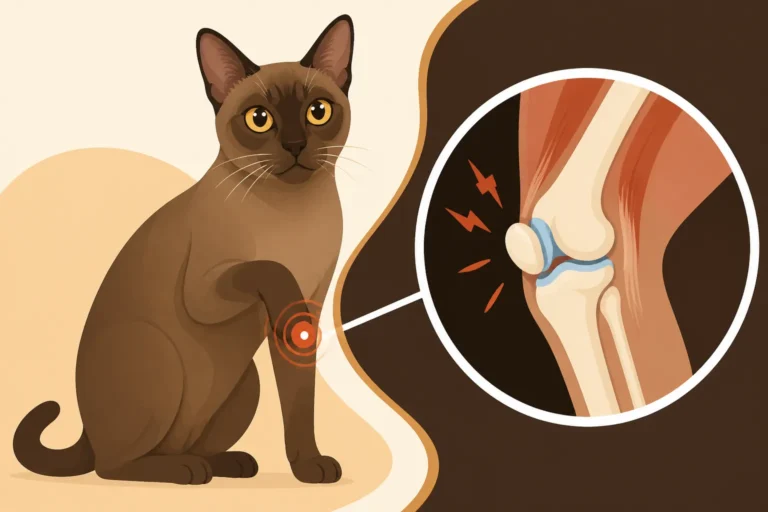
Just like humans, older cats are susceptible to arthritis and general stiffness. Getting up and down, jumping onto high surfaces, or even just stretching can become less comfortable. A cold floor or a drafty bed can exacerbate these discomforts. This is where your lap becomes an oasis of relief. Your body warmth provides natural, gentle heat that can soothe aching joints and muscles.
Imagine your Burmese, whose joints might be a little creakier than they once were, finding a perfectly warm, soft, and stable surface to rest upon. The warmth from your lap can help increase circulation to their joints, offering a natural form of pain relief without the need for medication. It's a simple, comforting therapy that comes with the added bonus of your companionship. Owners often notice their senior cats stretching more comfortably, or even falling into deeper sleeps, when nestled on a warm lap. Pay close attention to subtle changes in their movement; How Arthritis Shows in a Burmese That Still Plays can sometimes be very subtle until they find relief.
Support for Mobility Challenges
As a Burmese ages, their incredible agility might start to wane. They might hesitate before jumping onto a high counter or struggle to leap gracefully onto the bed. While they are still remarkably muscular for their size, prolonged effort or awkward movements can become a challenge. In these cases, your lap becomes an accessible and desirable destination.
You might find your older Burmese waiting patiently by your feet, looking up at you with those expressive eyes, clearly asking to be picked up. This isn't them being lazy; it's a practical request. Being gently lifted and placed onto your lap eliminates the need for them to exert themselves or risk an uncomfortable landing. It allows them to enjoy that cherished closeness without the physical strain. Providing ramps to favorite perching spots can help, but nothing quite replaces being cradled securely in your arms before settling onto your lap.
Here’s a quick comparison of how a Burmese's desire for a lap might evolve:
| Aspect | Younger Burmese (1-8 years) | Older Burmese (9+ years) |
|---|---|---|
| Primary Motivation | Affection, play, seeking attention, warmth | Affection, security, warmth, physical comfort, pain relief, accessible rest |
| Lap Seeking Behavior | Jumps up, weaves, demands attention, sometimes playful nips | Waits for invitation/lift, settles quickly, deep purr, prolonged naps, less active fidgeting |
| Physical Comfort | Enjoys softness and warmth | Actively seeks warmth for aching joints, stable surface for mobility issues |
| Emotional Need | Companionship, entertainment | Reassurance, sense of belonging, consistent routine, reduced anxiety |
| Observation | May get up and down frequently, explores surroundings | Stays on lap for longer periods, often sleeping, less interest in immediate environment |
The Softness of the Satin Coat
The Burmese is renowned for its short, fine, satin-like coat that feels incredibly soft to the touch. Even as a cat ages, and perhaps Why an Old Burmese's Satin Coat Dulls slightly, the sensation of that velvety fur against your skin (and vice-versa) is a mutually comforting experience. For your senior Burmese, being petted while on your lap isn't just about the attention; it’s a tactile pleasure.
The gentle stroking helps distribute natural oils, keeps their skin healthy, and simply feels good. For you, the unique texture of their coat is a joy to feel, a testament to their health and beauty. This shared sensory experience deepens the bond and reinforces the comfort of lap time. It's a quiet, intimate moment where both of you benefit from the simple act of touch.
Emotional Needs in Later Life
The emotional landscape of an aging Burmese is rich and complex. Their lifelong dependency on human companionship becomes even more poignant, and your lap acts as a central hub for their emotional well-being.
Deepening Bonds Through the Years
The connection you forge with a Burmese isn't superficial; it's profound and enduring. They integrate into your life in a way few other breeds do, becoming an indispensable part of your daily rhythm. As they age, this bond doesn't fray; it deepens. The shared history, the countless purrs, the silent understandings—all contribute to an unbreakable connection.
For your senior Burmese, your lap is a familiar place imbued with years of trust and affection. It’s a physical manifestation of the love you share. They've spent a lifetime communicating their needs and desires, and often, the simple act of seeking your lap is their way of saying, "I love you, I trust you, and I need you." There's a profound satisfaction in seeing Why a Burmese Attaches to Whoever Is Home Most, and knowing that, for your senior cat, that person is still you.
The Need for Reassurance
As cats age, some may develop signs of cognitive dysfunction, akin to dementia in humans. They might become disoriented, anxious, or vocalize more. These changes can be unsettling for both the cat and the owner. In such scenarios, your lap provides a powerful source of reassurance. The consistent presence of their beloved human can help ground them and alleviate feelings of confusion or anxiety.
Even without severe cognitive issues, older cats can simply become more sensitive to changes in their environment or routine. A loud noise, a visitor, or even a change in the weather might make them feel a little more vulnerable. Your lap becomes their safe harbor, a place where they know they are protected and understood. Their purr isn't just about contentment; it's also a self-soothing mechanism, and being on your lap amplifies this comforting effect. If you notice your Burmese becoming more withdrawn, remember Why a Burmese Hides Illness Behind Its Affection and that a deeper need for closeness might be a sign they need extra comfort.
Remaining Part of the Family Hub
Burmese cats are inherently social creatures who thrive on being at the heart of their family's activities. They don't just want to observe; they want to participate. While their active play might decrease as they get older, their desire to be involved and present remains strong. Seeking your lap is their way of staying connected to the "family hub," even if they're no longer chasing toys with youthful abandon.
Whether you're watching television, working on your computer, or simply chatting with loved ones, your senior Burmese wants to be there, absorbing the atmosphere and feeling like an integral part of the goings-on. Your lap places them directly in the center of the action, allowing them to feel included and loved. It allows them to continue their role as your shadow, your confidante, and your ever-present companion. Although they might not be chasing wand toys for hours, What an Old Burmese Still Wants to Play often involves gentle interaction, and lap time provides the perfect opportunity for this.
What to Do When Your Senior Burmese Wants a Lap (and More!)
Embracing your senior Burmese's desire for lap time is wonderful, but it also comes with responsibilities to ensure their continued health and happiness.
Facilitating Lap Time
Make it as easy as possible for your senior Burmese to reach their coveted lap spot. If they're struggling to jump, consider placing a sturdy stool or pet stairs near your favorite chair or bed. Sometimes, simply kneeling down and offering your arms is all the invitation they need. Creating predictable routines for lap time, such as during your morning coffee or evening TV watching, can also enhance their sense of security.
During these moments, gentle grooming can also be a wonderful addition. A soft brush or a chamois cloth passed over their satin coat is not only enjoyable for them but also helps you to bond and check their condition. Remember, every moment of closeness is a chance to reinforce your bond.
Monitoring Health During Lap Time
Lap time isn't just for snuggles; it's a prime opportunity for discreet health checks. With your Burmese relaxed and comfortable on your lap, you can gently feel along their body for any unusual lumps, bumps, or tender spots. Pay attention to their breathing patterns, listen to their purr, and observe their coat condition. This regular, gentle handling can help you spot potential issues early.
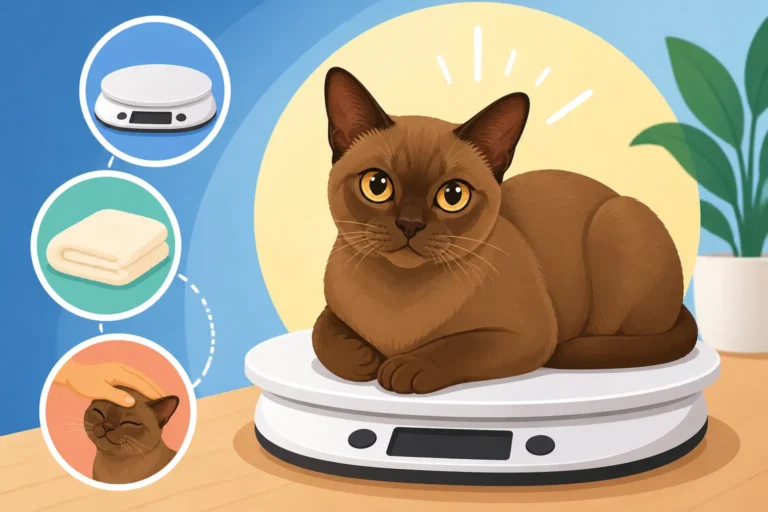
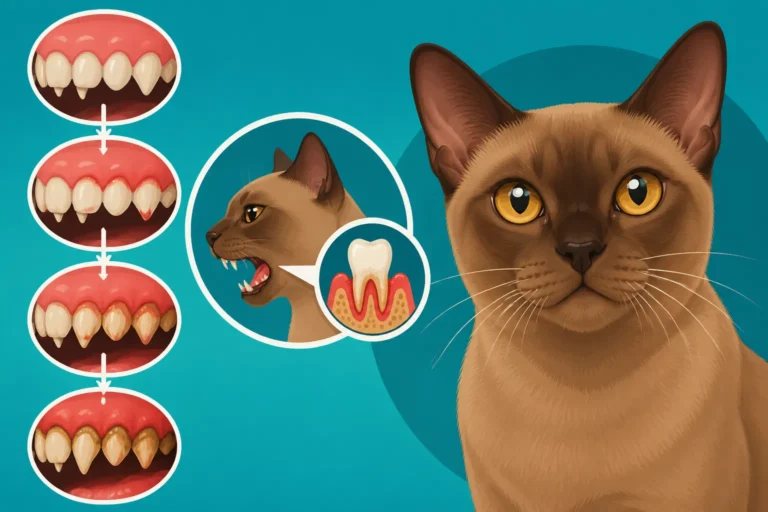
One crucial aspect to monitor is their weight. Even though they may be less active, maintaining an ideal weight is paramount for senior Burmese, especially given the breed's predisposition to certain health conditions. Why a Burmese's Weight Should Be Recorded Monthly becomes even more vital as they age. While you're petting them, you can also gently lift their lips to check their gums; Why a Burmese's Gums Recede Early is a common issue in Burmese, and early detection of dental problems can prevent discomfort. Regular veterinary check-ups are non-negotiable for senior cats, allowing professionals to catch issues that you might miss. This comprehensive approach to Caring for a Burmese Past Twelve helps ensure their golden years are as comfortable as possible.
Continued Engagement
Even though your senior Burmese wants to spend more time on your lap, they still need mental and gentle physical stimulation. Don't let their slowing pace lead you to believe they no longer want to play or interact beyond cuddling. Short, gentle play sessions with soft toys, feather wands, or even laser pointers (used carefully to avoid frustration) can keep their minds sharp and their bodies moving. Puzzle feeders, designed to make them "work" for their food, are also excellent for mental enrichment and can help manage their weight.
Engage them with conversation, offer gentle massages, and continue to provide a stimulating environment with safe perching spots and scratching posts. Just because they're older doesn't mean they've lost their zest for life, only that they might express it differently.
Insurance for Senior Companions
As our beloved Burmese companions enter their senior years, the reality of increased veterinary costs can become a significant concern. From managing arthritis to monitoring for diabetes, the medical needs of an older cat can add up. This is where pet insurance providers like Healthy Paws can be a valuable consideration for many owners.
While it's always best to secure pet insurance when your cat is young and healthy to avoid pre-existing condition exclusions, it's worth exploring options even for senior cats. A good policy can help mitigate the financial stress associated with unexpected illnesses or accidents, allowing you to focus on getting your Burmese the best possible care. Be sure to research different plans and understand what they cover, especially concerning age-related conditions. Understanding Whether a Burmese Policy Is Worth It Once Diabetes Is Excluded is a key question for many Burmese owners, so thorough investigation is crucial. Investing in their health early and planning for their senior years can make a huge difference in their quality of life, and your peace of mind. Discussing financial planning for their potential needs, even for things like What Pain Relief an Old Burmese Can Take, is a responsible step for any dedicated Burmese owner.
Disclaimer
This article is for general informational purposes only and does not constitute professional advice. Laws, prices and regulations vary by location and change over time. Consult a qualified professional for guidance on your specific situation.