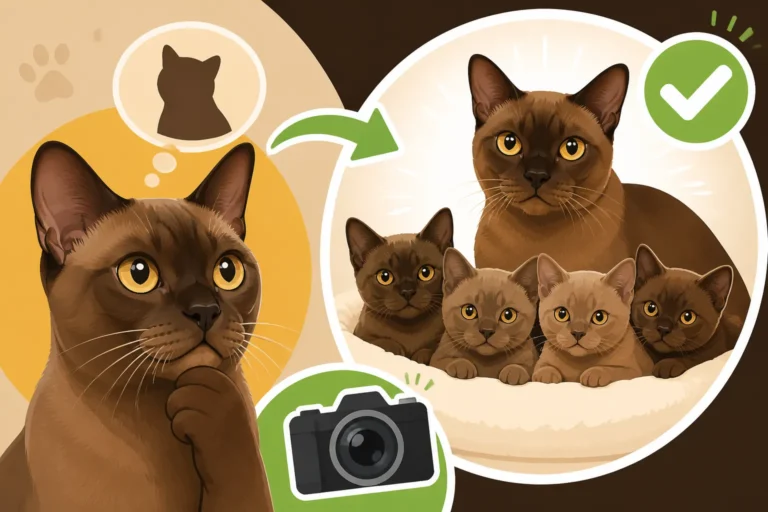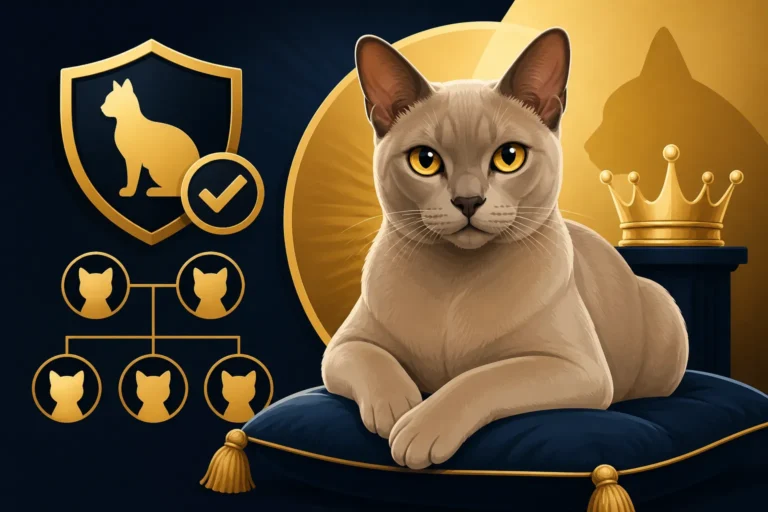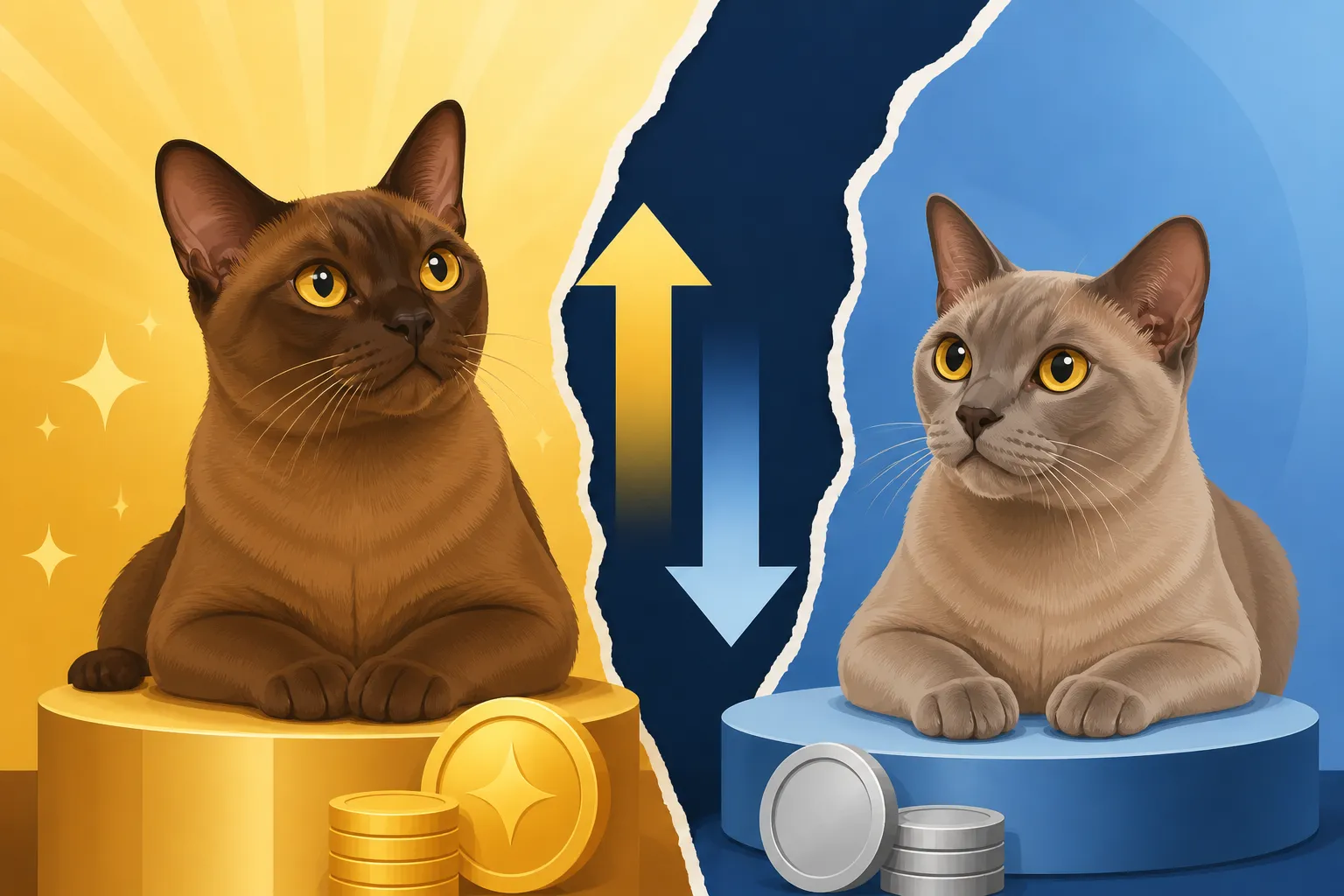
There Are Two Burmese and They Are Priced Apart
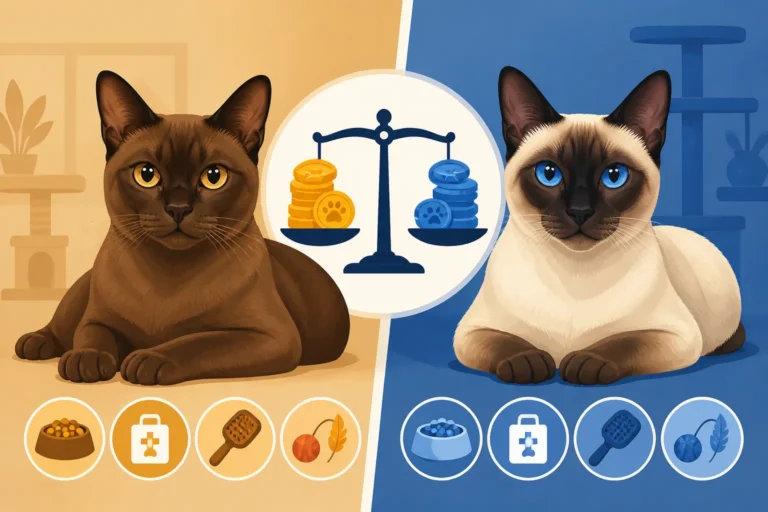
It can be incredibly confusing for someone new to the world of Burmese cats to hear that there isn't just one type, but two, and that their prices can actually differ quite significantly. You might walk into discussions online or talk to breeders and realize that the "Burmese" you envisioned might not be the same one everyone else is talking about. This can lead to a lot of frustration when you're just trying to figure out how much you need to budget for your new companion. This guide is here to untangle that mystery, breaking down why there are two distinct types of Burmese cats, how their lineage and appearance have led to different price points, and what you should expect your investment to cover.
The Tale of Two Burmese: Understanding the Breed Split
The Burmese breed, as we know it today, has a fascinating origin story that, perhaps unintentionally, led to its current duality. What started as a single foundation cat evolved differently on separate continents, creating two distinct yet equally beloved variations. Understanding this historical split is key to grasping why their costs vary so much today.
Historical Divergence: How the Lines Separated
The modern Burmese breed can trace its lineage back to a single cat named Wong Mau, brought from Burma (now Myanmar) to the United States in the 1930s by Dr. Joseph C. Thompson. Wong Mau was bred with a Siamese, and through selective breeding, a new standard emerged in America. This American Burmese became known for its compact, muscular body, round head, and expressive, rounded eyes. Breeders focused on refining these "cobby" traits, creating a cat that was distinct from its Siamese ancestors.
However, the story didn't end there. During the post-World War II era, Burmese cats were also introduced to the United Kingdom, where the breeding program took a slightly different path. British breeders, with a different aesthetic in mind, leaned towards a more "Oriental" look – a slightly longer body, a more wedge-shaped head, and almond-shaped eyes. This divergence became more pronounced over time, with the British standard evolving into what is now recognized as the European Burmese. The result is two lines that, while sharing a common ancestor and the fundamental Burmese personality, have developed distinct physical characteristics that cat fanciers on either side of the Atlantic adore.
Distinct Physical Traits and Temperaments
The most obvious distinctions between the American and European Burmese are their physical appearances. An American Burmese typically has a rounder head, full cheeks, a shorter muzzle, and large, round, golden eyes. Their body is often described as "cobby" or "brick wrapped in silk" – solid, muscular, and surprisingly heavy for its size. Think of a powerful, compact package.
The European Burmese, by contrast, possesses a more moderate, wedge-shaped head, with larger, more expressive, slightly oriental-shaped eyes that are typically green or amber. Their body is longer and more svelte, though still muscular and elegant. While both types are incredibly affectionate and people-oriented, sometimes called "Velcro cats" for their clingy nature, these physical differences are significant enough to be recognized as separate "types" within the breed by various registries. Despite these visual differences, both types retain the core, captivating Burmese personality: intelligent, playful, vocal, and incredibly devoted to their human companions. They are social creatures through and through.
Registration and Recognition Across Associations
The separation of these two types is further solidified by how different cat registries recognize and classify them. In the United States, associations like the Cat Fanciers' Association (CFA) primarily recognize the American Burmese type. For them, the breed standard describes the compact, rounded features. The International Cat Association (TICA), on the other hand, recognizes both the American Burmese and the European Burmese as separate breeds, each with its own distinct standard.
In the UK and Europe, organizations like the Governing Council of the Cat Fancy (GCCF) exclusively recognize the European Burmese standard. This can create confusion for new owners, especially if they are looking at kittens from different breeders or even different countries. It means that a "Burmese" cat recognized as a champion in one association might not even be eligible for competition, or would be judged against a very different standard, in another. Breeders dedicated to maintaining the purity of their chosen type will adhere strictly to their respective registry's guidelines, which affects their breeding choices and, ultimately, the availability and pricing of their kittens. When you're looking for a kitten, it's crucial to ask which specific type the breeder specializes in and with which associations they are registered.
Deciphering the Cost of an American Burmese Kitten
When you're first looking into bringing a Burmese into your home, the initial price tag can be a bit of a shock. It's not just about getting a cat; it's about investing in a lineage, health, and a particular type of companionship. The American Burmese, while generally more available in North America, still comes with a price range that reflects the dedication and care put into their breeding.
Typical Price Range for a Pet Quality American Burmese
A pet-quality American Burmese kitten, meaning one sold purely as a companion and not for breeding or showing, typically falls within a certain price bracket. These kittens are healthy, well-socialized, and meet the breed standard in terms of temperament and general appearance, but might have a minor flaw (like an eye color that isn't quite golden enough for the show ring, or a slight deviation in head shape) that would prevent them from being top contenders in a cat show. These "flaws" are purely cosmetic and have no bearing on the cat's health or its ability to be a loving family member.
Most reputable breeders will require a signed spay/neuter contract for pet-quality kittens, and many will even include the cost of the procedure in the overall price or perform it before the kitten leaves for its new home. This ensures that the breeder's lines are protected and that only cats specifically selected for breeding contribute to the future of the breed. Expect the cost to reflect the extensive care provided to the mother and kittens, their early socialization, and the initial veterinary work.
Factors Influencing American Burmese Pricing
Several factors contribute to the final price you'll pay for an American Burmese kitten. First and foremost is the breeder's reputation and experience. A breeder who has been in the business for many years, consistently produces healthy, well-adjusted kittens, and actively participates in the cat fancy (shows, clubs) will naturally command a higher price. They invest heavily in their cattery, from the quality of their breeding stock to the environment they provide for their cats.
Secondly, and crucially, are the health tests performed on the parents. Ethical breeders will screen their breeding cats for genetic conditions relevant to the breed, such as hypokalemia and various cardiac issues. This is a significant investment for the breeder, and it directly impacts the health and longevity of the kittens. For instance, testing for the WNK4 mutation associated with Hypokalemia Is the Burmese Disease With a DNA Test is paramount. Additionally, genetic screening helps breeders avoid passing on predispositions to conditions like diabetes, for which the Burmese has a higher risk profile. You should always ask to see proof of these tests.
Finally, what's included with the kitten plays a role. Most reputable breeders will ensure kittens have their first vaccinations, several rounds of deworming, a microchip, and a thorough vet check before going home. They might also include a starter pack of food, toys, and a blanket with the mother's scent to help with the transition. All these elements add to the value and justify the price.
Show Quality vs. Pet Quality: The Price Bump
When it comes to pricing, there's a clear distinction between pet-quality and show-quality Burmese kittens. A show-quality kitten is one that the breeder believes perfectly embodies the breed standard in terms of conformation, coat, and temperament. These kittens are often kept longer by the breeder to monitor their development and ensure they will indeed excel in the show ring. Such kittens will always be at the higher end of the price spectrum, sometimes significantly so, reflecting their potential value to the breed's future and their ability to represent the cattery.
Furthermore, if a kitten is sold with breeding rights – meaning the new owner intends to use the cat in their own breeding program – the price will be considerably higher still. This is because the breeder is essentially selling a piece of their carefully curated genetics and reputation. Ethical breeders only sell breeding rights to other reputable breeders who share their commitment to health, welfare, and improving the breed. For the vast majority of people looking for a loving companion, a pet-quality kitten is the perfect choice, offering all the wonderful traits of the Burmese without the added premium for show potential or breeding rights.
The Premium Price Tag of a European Burmese Kitten
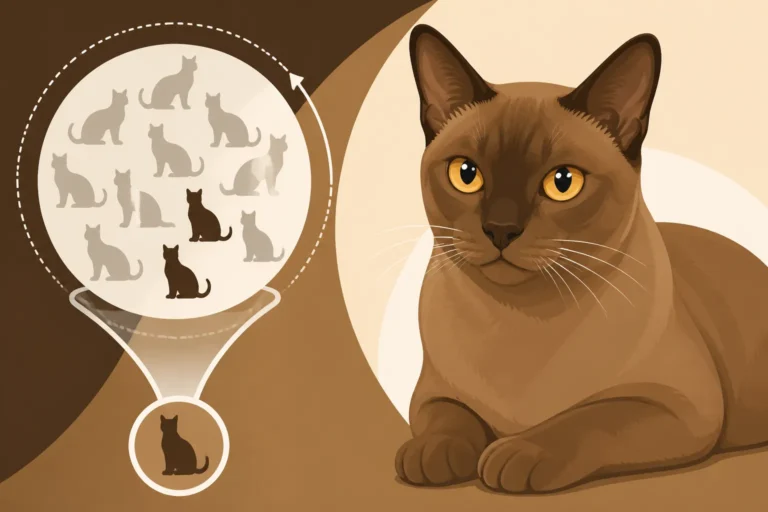
While the American Burmese is relatively established in North America, the European Burmese represents a rarer commodity, especially outside of Europe. This scarcity and the unique path of their development contribute to a noticeably higher price point for these elegant felines.
Understanding the Higher Cost of European Lines
The primary reason for the higher cost of a European Burmese kitten, particularly in countries where they are less common like the United States or Canada, boils down to supply and demand, coupled with the inherent costs of maintaining these lines. The European Burmese standard, developed in Britain and refined across Europe, led to a distinct look and a smaller gene pool in certain regions. Breeders dedicated to this type often have fewer available kittens and longer waiting lists.
When you factor in the sheer dedication required to uphold the integrity of the European standard, which can involve importing new bloodlines to maintain genetic diversity, the costs quickly escalate. Maintaining a smaller, distinct gene pool requires meticulous planning and a deep understanding of genetics to avoid inbreeding and ensure robust health. These specialized breeding practices, though essential for the breed's future, naturally come with a higher operational cost for the breeder, which is then reflected in the price of the kittens.
Importation Costs and Their Impact
For those truly dedicated to the European Burmese type, the path often involves importing a cat directly from Europe. This is not a simple or inexpensive undertaking. The costs associated with importation are significant and multifaceted. You're looking at air travel expenses for the cat, often requiring specialized pet cargo services. Then there are a myriad of veterinary checks, certifications, and potentially quarantine periods, all mandated by international regulations. These can vary depending on the origin and destination countries but always add a substantial sum to the overall cost.
Even if you're buying a European Burmese kitten domestically, if its parents or grandparents were imported, a portion of those original importation costs will indirectly influence the kitten's price. Breeders who have invested heavily in bringing in quality European lines to establish their cattery will need to recoup those expenses over time. This means that a European Burmese kitten, whether direct import or born from imported lines, carries a "premium" component in its price that an American Burmese generally does not, simply due to the global logistics and specialized breeding efforts involved.
Scarcity and Demand in the Market
The law of supply and demand plays a huge role in the pricing of European Burmese kittens. In regions where they are less common, the number of reputable breeders is significantly smaller than for the American type. This creates a bottleneck in supply. Prospective owners often face longer waiting lists, sometimes stretching over a year, to secure a kitten. When there are fewer kittens available to meet the demand from enthusiasts who specifically desire the European look, prices naturally trend upwards.
This scarcity means that breeders have less pressure to compete on price, allowing them to set their fees to accurately reflect their extensive investment in bloodlines, health testing, and care. For someone committed to the European Burmese aesthetic, the higher price is often seen as a necessary cost to acquire a cat that embodies those specific traits. It’s not just about paying for a cat; it’s about accessing a rarer, often more globally dispersed, lineage.
Color and Sex: Do They Affect Burmese Kitten Prices?
When you’re deep into researching Burmese kittens, you might start wondering if certain colors or whether you choose a male or female will impact the final price. While these factors can play a role in other breeds, the Burmese often has a slightly different dynamic.
The Four Traditional Burmese Colors and Pricing
Traditionally, the Burmese breed comes in four main colors: Sable (a rich, warm brown), Champagne (a warm beige), Blue (a soft grey-blue), and Platinum (a pale, almost lilac grey). These are the colors recognized by most major cat associations for both American and European Burmese. For the most part, within a reputable breeding program, the color of a kitten typically has a relatively minor impact on its price compared to other factors like lineage, health testing, and especially the distinction between American and European types.
Sable, being the original and most common color, is often the most readily available, and thus might sometimes be found at the lower end of the breed's general price range. Champagne, Blue, and Platinum are equally cherished, and while there might be minor fluctuations based on current demand or the composition of a specific litter, a significant price difference based solely on one of these four traditional colors is uncommon. Ethical breeders prioritize temperament and health above all else, and their pricing usually reflects the overall quality of their breeding program rather than a specific coat color. It's truly about the cat, not just its outward hue.
Gender and Its Infinitesimal Price Influence
Unlike some dog breeds where one sex might be favored and thus priced higher, the gender of a Burmese kitten typically has a negligible effect on its price. Both male and female Burmese are known for their incredibly affectionate, playful, and social natures. They are equally devoted companions, thriving on human interaction. Breeders understand this inherent value in both sexes.
Any slight variation you might encounter could be due to a specific demand on a breeder's waiting list (e.g., if a buyer has a strong preference for a female, and the current litter has mostly males), or sometimes a breeder might adjust slightly based on the perceived "show potential" of an individual kitten, regardless of sex. However, it's not a widespread or significant pricing differentiator. The emphasis for a Burmese is always on their wonderful personality, which is consistent across both genders. You should pick your kitten based on its individual temperament and how well it connects with you, rather than focusing on its sex for price reasons.
Rare Colors and Non-Standard Variations
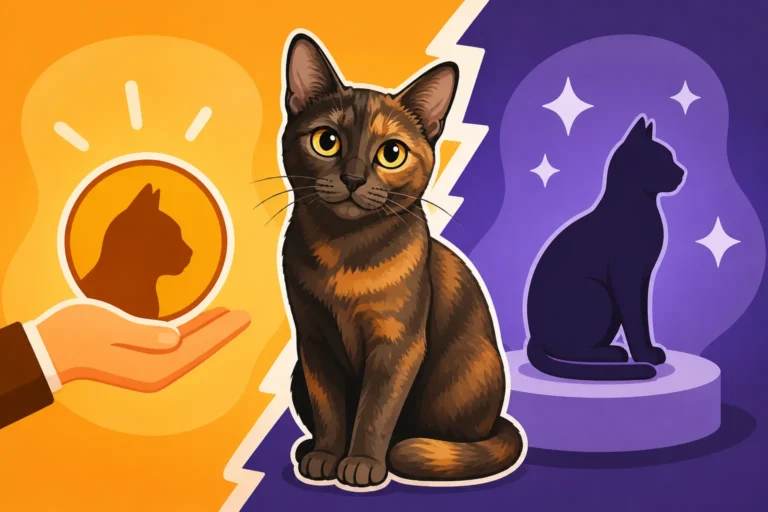
Beyond the four traditional colors, you might occasionally encounter breeders advertising "rare" or "non-standard" Burmese colors, such as Red, Cream, or various Tortoiseshell patterns. These colors are more often seen in European Burmese lines or in experimental breeding programs, and sometimes they come from outcrossing to other breeds, which can be controversial within the purebred cat community. If a breeder is offering these colors, they might command a higher price due to their perceived rarity or the specialized breeding involved.
However, it's crucial to exercise caution here. Always verify if these "rare" colors are recognized by the reputable cat associations for the Burmese breed. Some colors might be perfectly healthy and beautiful but not accepted within the official breed standard, which could affect future registration or showing if that's a goal. An ethical breeder will be transparent about their breeding practices and the recognition status of any non-standard colors. The priority should always be the health, temperament, and genetic integrity of the cat, not just its unusual coat. Be wary of anyone using "rare color" as a primary selling point without also demonstrating rigorous health testing and adherence to breed standards.
What Your Burmese Kitten Price Should Include
When you're paying a significant amount for a purebred Burmese kitten, you're not just buying a tiny ball of fluff. You're investing in the breeder's dedication, knowledge, and ethical practices. A transparent and reputable breeder will ensure that the price covers a comprehensive package that sets your kitten up for a healthy and well-adjusted life.
Health Guarantees and Initial Veterinary Care
A key component of an ethical breeder's price includes a robust health guarantee and all initial veterinary care. This typically means your kitten will come to you having already received its first vaccinations (distemper combo usually), several rounds of deworming, and a thorough veterinary examination. The breeder should provide you with a health record detailing all these treatments, often signed by their veterinarian. Many breeders will also include microchipping, which is invaluable for identification if your cat ever gets lost.
The health guarantee itself is vital. It usually covers congenital or hereditary health defects that might emerge early in the kitten's life, offering peace of mind to the new owner. It's important to understand the terms of this guarantee, as they can vary. Some might offer a replacement kitten, while others might provide a partial refund towards veterinary treatment. Always read the contract carefully and don't hesitate to ask questions. This upfront investment in a kitten's health from a responsible breeder can save you significant veterinary costs and heartache down the road, as opposed to a kitten from a less scrupulous source that might hide existing conditions.
Pedigree, Registration, and Genetic Testing Proof
Beyond basic health, a reputable breeder's price covers the lineage and genetic integrity of your Burmese kitten. This means you should expect to receive a pedigree, which is essentially the cat's family tree, showing at least three to five generations of its ancestors. This document helps verify the kitten's purebred status and provides insight into its genetic background. You should also receive the appropriate registration papers from the relevant cat association (e.g., CFA, TICA), though often these are sent to you after you provide proof of spay or neuter for pet-quality kittens.
Crucially, ethical breeders will also provide proof of genetic testing for the parent cats. The Burmese breed is known for certain predispositions, such as diabetes and hypokalemia. Breeders should be actively testing their breeding stock for these conditions. For example, knowing How to Read a Burmese Hypokalemia Carrier Result is vital for any potential owner. You need to see documentation that the parents have been tested and are clear of, or managed responsibly for, these hereditary conditions. This transparency demonstrates the breeder's commitment to producing healthy kittens and helps you understand your kitten's potential long-term health outlook. These documents are non-negotiable for a truly well-bred kitten.
Breeder Support and Socialization
The price you pay for a Burmese kitten also encompasses the invaluable support and extensive socialization provided by the breeder. A good breeder doesn't just hand over a kitten; they become a lifelong resource for advice and guidance. They will be there to answer questions about everything from diet to behavior, particularly during those crucial first few months in a new home. Many breeders also include a clause in their contract stating that if, for any reason, you cannot keep the cat at any point in its life, it must be returned to them. This demonstrates their enduring commitment to the welfare of every kitten they bring into the world.
Furthermore, the early environment and socialization a kitten receives in a reputable cattery are priceless. Burmese are known for being incredibly social and people-oriented cats, and this trait is fostered from birth. Kittens in a good cattery are handled frequently, exposed to various household sounds, and typically interact with other cats and sometimes even dogs. This early exposure helps them develop into confident, well-adjusted adults, ready to integrate seamlessly into a new family. A kitten that has been raised in isolation, or not properly socialized, may develop behavioral issues that are far more costly to address than the initial savings on a cheaper kitten. This vital early stage ensures your A Burmese Kitten's First Year of Never Being Alone is a joyful one.
Beyond the Purchase Price: Lifetime Ownership Costs
Buying a Burmese kitten is just the initial investment. The true financial commitment comes with the long-term care, feeding, and enrichment of your companion over their lifespan, which can easily stretch to 16-18 years for a healthy, well-bred individual. Ignoring these ongoing costs can lead to unexpected strain on your budget.
Annual Vet Care and Preventative Health
Regular veterinary care is a cornerstone of responsible pet ownership, and for a Burmese, it takes on particular significance. Beyond routine check-ups, vaccinations, and parasite control, Burmese cats have certain breed-specific health considerations that need to be factored into your budget. For instance, dental health is a common concern; Why a Burmese Is Prone to Gum Disease means that regular professional dental cleanings may be needed, especially as they age, to prevent tooth loss and other oral health issues.
Moreover, the Burmese breed has a higher predisposition to diabetes. This means that Why a Burmese's Glucose Should Be Checked From Seven years old, or even earlier, becomes a crucial part of their preventative health strategy. If diabetes does develop, managing it involves ongoing costs for insulin, syringes, and regular vet visits for glucose monitoring. While the initial cost of a kitten includes basic health screening, budgeting for comprehensive pet insurance from companies like Healthy Paws can be a wise decision to help mitigate the financial impact of unexpected illnesses or accidents. Always research policies carefully to understand what is covered and what exclusions might apply.
Nutrition: A Medical Decision for Your Burmese
When it comes to feeding a Burmese, it's not just about what they like; it's a medical decision that directly impacts their health, particularly concerning their elevated risk for diabetes. As such, Feeding a Burmese Is a Medical Decision, Not a Preference, emphasizing a high-protein, low-carbohydrate wet food diet. This type of diet helps regulate blood sugar levels and manage weight, both critical factors in preventing or managing diabetes.
High-quality wet food can be more expensive than dry kibble, but the long-term health benefits often outweigh the upfront cost. Brands available through retailers like Chewy often provide a wide selection of premium wet foods that meet these dietary requirements. Investing in optimal nutrition from a young age can be seen as a preventative measure, potentially saving you significant veterinary expenses associated with treating diet-related conditions later in life. It's about proactive health management through their food bowl.
Enrichment, Supplies, and Unexpected Expenses
Beyond the vet and food bills, a significant portion of lifetime ownership costs comes from routine supplies and providing adequate enrichment for your highly intelligent and active Burmese. This includes ongoing purchases of high-quality litter, various toys (remember, A Burmese Is Still Playing at Fifteen, so they need mental and physical stimulation!), scratching posts, and cozy beds (as Why a Burmese Needs Somewhere Warm to Sleep is due to their short, single coat).
Furthermore, the incredibly social nature of the Burmese often means that bringing home two kittens, rather than one, is highly recommended. As Why Burmese Breeders Sell Them in Pairs suggests, a pair can keep each other company, preventing loneliness and destructive behaviors. This effectively doubles your initial purchase cost and most ongoing expenses. You also need to budget for emergency situations, such as unexpected illnesses or accidents, which can lead to significant veterinary bills not covered by routine insurance. Planning for The Sixteen to Eighteen Years a Well Bred Burmese Gets means recognizing that many financial demands will arise over that extended period.
Making an Informed Decision: Is a Burmese Right for Your Budget?
Bringing a Burmese into your life is a joyful experience, but it’s also a long-term commitment that requires careful financial planning. The initial cost of the kitten is merely the starting point; understanding the full scope of financial responsibility is crucial for ensuring a happy and healthy life for your new companion.
Budgeting for a Companion, Not Just a Cat
The Burmese isn't just "a cat"; they are often described as "Velcro cats" or "dogs in cat suits" due to their intense devotion and need for companionship. Their highly social nature means they thrive on interaction, following you from room to room, riding on your shoulder, and generally wanting to be an integral part of your life. This intense need for connection means you're budgeting for a constant companion, one that requires significant time, attention, and engagement.
This deep bond also means you need to be prepared for the financial implications of ensuring their well-being throughout their life. From premium food to specialized vet care, a Burmese demands a certain level of investment. It's an investment in a family member, and like any family member, their needs will evolve over time. Before committing, sit down and honestly assess your financial capacity not just for the purchase price, but for the next decade and a half of dedicated care. The joy they bring is immeasurable, but it comes with tangible costs.
The Value of a Reputable Breeder
While the initial price of a well-bred Burmese kitten from an ethical breeder might seem high, it's often an investment that pays dividends in the long run. A reputable breeder pours resources into genetic testing, proper nutrition for the queen and kittens, early veterinary care, and extensive socialization. This proactive approach significantly reduces the risk of hereditary health issues and behavioral problems that can lead to far greater expenses down the line. For example, understanding Why a Cheap Burmese Skipped the Hypokalemia Swab can highlight the risks associated with cutting corners on breeder costs. Kittens from questionable sources, often sold at lower prices, may come with hidden health conditions or lack the foundational socialization necessary for a well-adjusted pet, leading to substantial vet bills and behavioral training costs.
Choosing a breeder who is transparent, provides health guarantees, and offers lifetime support is about more than just a piece of paper; it's about building a relationship that supports you and your cat. They are a resource for life, helping you navigate challenges and celebrate milestones with your Burmese. This peace of mind and access to expert guidance adds immense value that cannot be quantified in dollars and cents but is reflected in the initial purchase price.
The True Cost: Time, Love, and Lifelong Commitment
Ultimately, the true cost of owning a Burmese cat extends far beyond monetary figures. It's an investment of your time, your love, and your unwavering commitment for the entirety of their long, vibrant lives. These cats thrive on interaction and can become distressed if left alone for extended periods without companionship, which is why The Burmese Is the Velcro Cat of the Cat Fancy. They need playtime, cuddles, and consistent engagement every single day.
Beyond the daily care, you're signing up for the emotional investment that comes with celebrating their antics, comforting them when they're ill, and making difficult decisions in their senior years. While the financial aspects are important to consider realistically, the profound bond and companionship a Burmese offers are truly priceless. When weighing the costs, remember that you are bringing a sentient, loving being into your home, one who will reciprocate your investment of care with endless affection and joy. Being fully prepared for all aspects of this commitment—financial, temporal, and emotional—is the key to a successful and fulfilling life together.
| Feature / Cost Factor | American Burmese (Pet Quality) | European Burmese (Pet Quality) |
|---|---|---|
| Initial Kitten Cost Range | Moderate to High | High to Very High |
| Availability (North America) | More readily available; more breeders | Less readily available; fewer breeders |
| Typical Body Type | Cobby, muscular, "brick wrapped in silk" | Svelte, elegant, moderate |
| Head Shape | Rounded, full cheeks, shorter muzzle | Moderate wedge, longer muzzle |
| Eye Shape | Large, rounded | Expressive, slightly oriental |
| Primary Cat Associations | CFA (US), TICA (recognizes both) | GCCF (UK), TICA (recognizes both) |
| Importation Impact | Less direct impact, established lines | Significant direct/indirect impact on cost |
| Breeder Pool | Larger | Smaller, specialized |
Disclaimer
This article is for general informational purposes only and does not constitute professional advice. Laws, prices and regulations vary by location and change over time. Consult a qualified professional for guidance on your specific situation.