What a Burmese Costs Over Sixteen Years
It's a common trap, isn't it? You fall head over heels for those captivating Burmese eyes, that silky coat, and that famously affectionate personality, envisioning years of purrs and cuddles. But very few people truly sit down and tally up the financial marathon that comes with owning such a wonderful companion for their entire life. Many assume "it can't be that much more than any other cat," and that's where the surprise hits. This guide is going to walk you through the realistic costs of a Burmese cat, from the day you bring your kitten home until their contented senior years, covering everything you need to know about what a Burmese costs over sixteen years.
The Upfront Investment: Bringing Your Burmese Home
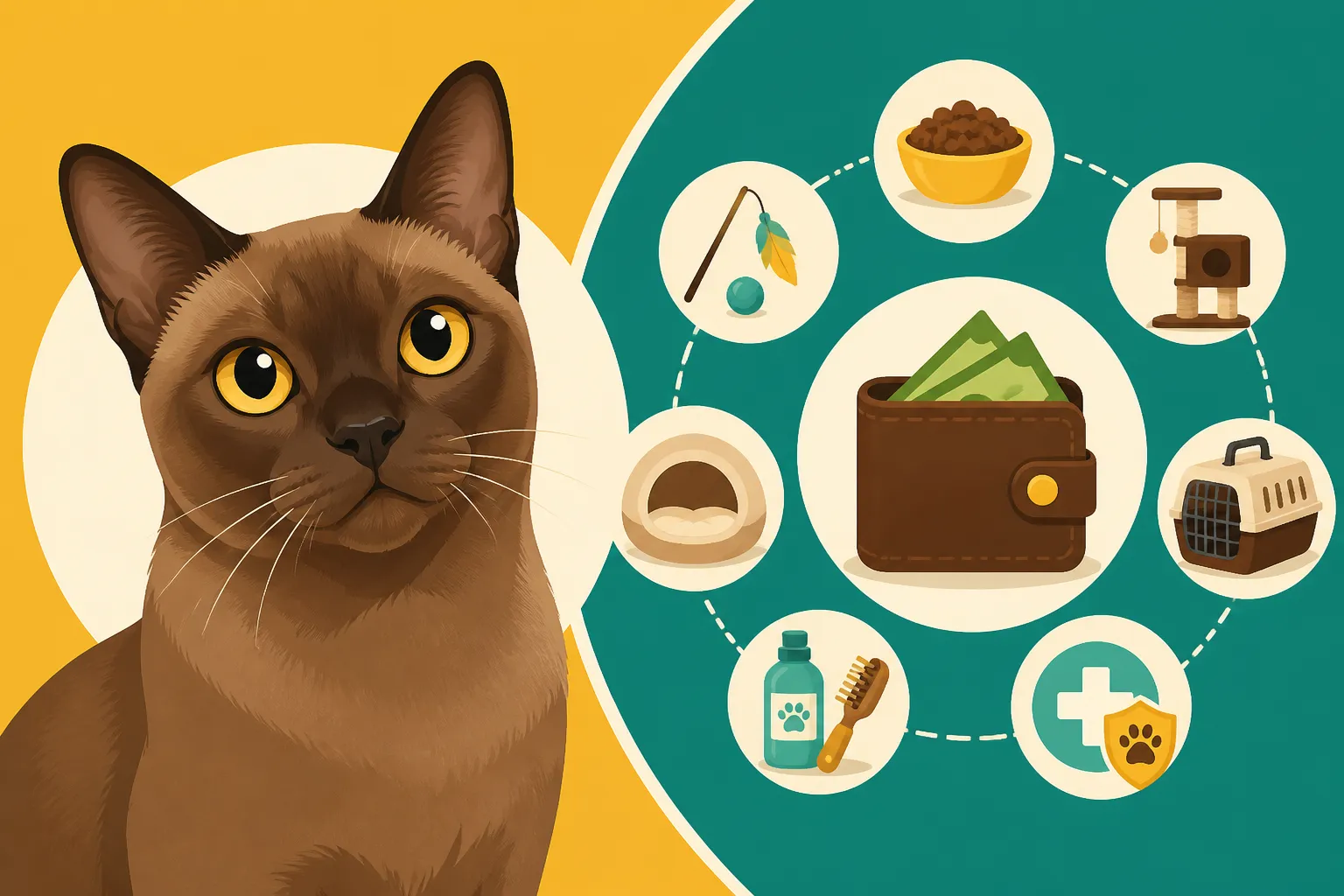
Bringing a new kitten into your life is exciting, but it also comes with a significant initial outlay. This isn't just the price of the kitten itself, which can vary wildly, but also all the necessary items to set up a safe, welcoming, and stimulating environment. Cutting corners here can lead to bigger problems (and bigger bills) down the line.
The Kitten's Purchase Price
Let's be real, the price tag on a Burmese kitten can feel like a down payment on a small car. The exact cost will depend on several factors, primarily the lineage – whether you're looking at an American Burmese or a European Burmese. The breed split between these two types has created distinct differences not just in appearance, but often in price point too. Generally, European Burmese lines, which are rarer in some regions, tend to command higher prices. You might find that How Much a Pet American Burmese Costs From a Breeder is significantly different from what you'd pay for a European counterpart.
Beyond the type, the kitten's color can also play a role, though less dramatically. Sable (or brown, as it's known in some standards) is the original and most common color, while blues, champagnes (chocolate), and platinums (lilac) might carry a slight premium due to their genetic rarity in a given litter. Most importantly, always expect to pay more for a kitten from a reputable breeder who prioritizes health testing and early socialization. This isn't just about getting a "pedigree"; it's about minimizing the risk of inherited health problems later on, which can save you untold heartache and veterinary bills. A good breeder will have done their due diligence, including a full DNA panel on the parents to screen for genetic conditions specific to the breed. You should be asking What a Burmese Breeder Must Test Before Any Mating to understand this process.
Initial Supplies and Setup
Once you've secured your precious Burmese kitten, you're going to need to equip your home. Think of it like setting up a nursery, but for a tiny, athletic feline. This includes essentials like a safe and sturdy carrier for vet visits and travel, multiple litter boxes (the general rule is one per cat plus one extra), and high-quality food and water bowls. Don't skimp on a good carrier – a cheap one can break, causing stress and potential escape risks.
Then there's the fun stuff: toys, scratching posts, and beds. Burmese cats are famously playful and intelligent, so they need plenty of enrichment to keep their minds and bodies active. Investing in a variety of toys, from wand toys to puzzle feeders, is crucial to prevent boredom-induced mischief. Scratching posts, ideally tall and sturdy ones, are a must to direct their natural scratching behavior away from your furniture. Remember, a bored Burmese can be a destructive Burmese, and replacing a shredded sofa cushion will cost a lot more than a decent cat tree. It's about proactive prevention.
First Vet Visits and Vaccinations
Bringing home a new kitten means a series of vet visits in those first few months. These aren't just quick check-ups; they are foundational to your kitten's long-term health. Your kitten will need a complete series of core vaccinations to protect them from common feline diseases. These usually involve multiple visits spread a few weeks apart. Beyond vaccines, your vet will perform deworming treatments, check for external parasites, and likely recommend microchipping, which is an invaluable safety measure should your adventurous Burmese ever get out.
During these initial appointments, your vet will also give your kitten a thorough physical examination, checking their heart, lungs, eyes, ears, and overall development. This is a critical opportunity to catch any congenital issues early. A responsible breeder will often cover the cost of the first vet check-up, or at least guarantee the kitten's health for a specific period after purchase, but subsequent vaccinations and boosters will be your responsibility. This early medical foundation is key to ensuring your Burmese starts its The Sixteen to Eighteen Years a Well Bred Burmese Gets on the healthiest paw possible.
Annual Essentials: Routine Care and Maintenance
After the initial burst of kitten-related expenses, the costs shift to ongoing, routine care. This is where the true long-term financial commitment begins, and it's less about large, infrequent purchases and more about consistent budgeting for daily needs and preventative health.
Food Costs
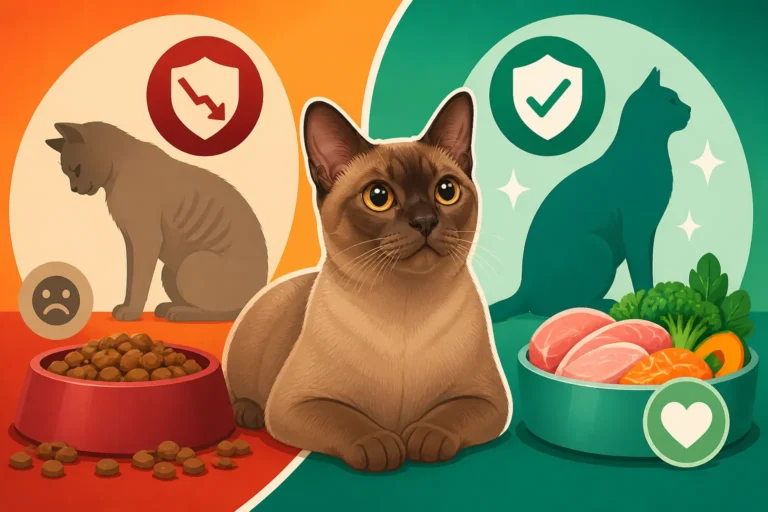
Feeding a Burmese isn't just about filling a bowl; it's a medical decision that directly impacts their health, particularly their susceptibility to diabetes, a condition the breed is unfortunately prone to. Why Portion Control Is Medical Care in a Burmese is not an exaggeration. Burmese cats thrive on a high-protein, low-carbohydrate diet, which typically means high-quality wet food. While dry kibble might seem cheaper upfront, many varieties are packed with carbohydrates that can increase a Burmese's risk of developing diabetes later in life.
Investing in premium wet food that meets their nutritional needs is a non-negotiable part of responsible Burmese ownership. You'll likely spend more on food than you would for many other cat breeds, but it's an investment in their health and longevity. Imagine the frustration of realizing a cheaper food choice led to a chronic illness. Even with commercial wet foods, diligent label reading is essential to keep those carb counts low. The cost of food can easily run into hundreds of dollars a year, and that's for a healthy cat. For a diabetic one, it can be even more specialized.
Litter and Grooming Supplies
Litter might seem like a small detail, but over sixteen years, it adds up! A healthy Burmese, especially one on a proper wet food diet, will use their litter box regularly. Choosing a good quality, absorbent litter helps with odor control and makes cleaning easier, which is something you'll appreciate daily. You'll likely spend a good amount each month just keeping their litter boxes clean and fresh.
When it comes to grooming, the Burmese is blessedly low-maintenance. Their short, satin-like coat has very little undercoat, meaning they shed minimally and don't require professional grooming. A quick wipe-down with a chamois cloth once a week is usually all it takes to keep their coat gleaming and helps bond with your cat. You won't be paying for expensive brushes or de-shedding tools, which is a nice little financial break compared to long-haired breeds. However, don't forget claw trimmers and ear cleaner – these are still necessary for regular maintenance. These smaller costs, though seemingly insignificant, become substantial when viewed over a cat's entire lifetime.
Routine Veterinary Check-ups
Just like us, cats need regular check-ups to stay healthy. For a Burmese, this means an annual visit to the vet for a comprehensive physical exam, updated vaccinations (as needed), and parasite prevention. These routine visits are crucial for early detection of potential health issues, allowing for timely intervention that can be less costly and more effective than waiting until symptoms become severe. For a Burmese, this annual check-up takes on even greater significance as they age, especially with their breed predispositions.
Many vets will recommend a yearly blood panel for senior cats, and for a Burmese, paying particular attention to glucose levels is paramount given their increased risk of diabetes. Why a Burmese's Vet Year Is Built Around a Glucose Check becomes critically important as they move into their middle and senior years. Catching elevated glucose early can make a huge difference in managing or even reversing the condition. These routine visits are your first line of defense against more expensive, emergency care. Don't underestimate the peace of mind that comes from knowing your vet is regularly monitoring your beloved companion's health.
The Importance of Insurance and Health Buffers
Even with the best preventative care and a healthy diet, unexpected health issues can arise. This is where the concept of pet insurance or a dedicated emergency fund comes into play, offering a financial safety net against potentially devastating veterinary bills.
Understanding Pet Insurance
Pet insurance can be a real lifeline, especially for a breed like the Burmese which has known genetic predispositions. Policies vary widely, but generally cover accidents, illnesses, and sometimes even wellness care. When choosing a policy, it's vital to read the fine print, particularly regarding breed-specific conditions. Many policies will exclude pre-existing conditions, so insuring your Burmese when they are a young kitten and completely healthy is the best strategy.
Some insurance providers, like Healthy Paws, are popular choices for comprehensive coverage. However, be aware that while a policy might cover treatments for a wide array of conditions, some plans might have specific exclusions or higher deductibles for conditions common in Burmese cats, such as diabetes. What Diabetes Costs a Burmese Owner a Year can be staggering, so understanding exactly what your policy does and doesn't cover for this specific risk is absolutely crucial. Pet insurance is an ongoing monthly expense, but it can literally save your cat's life and your bank account if a major illness or accident occurs. The frustration of being faced with a multi-thousand-dollar vet bill without insurance is something no pet owner wants to experience.
Building an Emergency Fund
For those who prefer to self-insure, or even as a supplement to pet insurance, creating a dedicated emergency fund for your Burmese is a wise decision. This fund acts as a financial buffer, allowing you to cover unexpected veterinary expenses without having to dip into savings or go into debt. It removes the heartbreaking scenario of having to make medical decisions based on financial constraints rather than what's best for your cat.
Start small, putting away a set amount each month into a separate savings account. Over years, this fund can grow into a substantial safety net. Think about the common health issues that can affect Burmese cats, like episodes of hypokalemia or the onset of diabetes. Treating these conditions, particularly the initial diagnosis and stabilization phase, can be very costly. Having funds readily available means you can authorize necessary diagnostics and treatments without hesitation. This proactive approach to financial planning offers immense peace of mind and ensures your Burmese receives the best care when they need it most.
Specific Health Concerns and Their Costs
The Burmese is generally a robust breed, but like all purebreds, they have certain genetic predispositions that can lead to significant costs. Diabetes Mellitus is, without a doubt, the most prominent and costly concern. How Many Diabetic Burmese Go Into Remission is a question many owners face, and while remission is possible, managing the condition often involves daily insulin injections, special diets, and regular veterinary monitoring for the remainder of their life. This means ongoing costs for insulin, needles, veterinary glucose curves, and potentially prescription food. This is why Why a Burmese Budget Needs an Insulin Line is not an overstatement.
Another notable concern is Hypokalemia, a genetic condition causing periodic muscle weakness. While a DNA test exists for this (and a responsible breeder will test for it), if you acquire a rescue or an untested cat, an episode could lead to emergency vet visits for diagnosis and potassium supplementation. Dental disease is also very common in cats, and Burmese are no exception. Routine dental cleanings under anesthesia can be hundreds of dollars, and if extractions are needed, the bill can quickly climb. Being prepared for these specific potential health issues is a critical part of owning a Burmese.
| Cost Category | Initial Kitten Setup (Estimate) | Annual Maintenance (Estimate) | Senior Care (Estimate, ages 12+) |
|---|---|---|---|
| Kitten Purchase | $1,000 – $3,000+ | N/A | N/A |
| Initial Vet/Vaccines | $300 – $600 | N/A | N/A |
| Food (Low Carb Wet) | N/A | $500 – $1,000 | $600 – $1,200+ (special diets) |
| Litter | N/A | $150 – $300 | $150 – $300 |
| Routine Vet Check-up | N/A | $100 – $300 | $200 – $600+ (more diagnostics) |
| Pet Insurance | N/A | $300 – $800 | $500 – $1,200+ (premiums rise) |
| Toys/Enrichment | $100 – $200 | $50 – $150 | $50 – $100 |
| Emergencies/Illness | N/A | $0 – $1,000+ (highly variable) | $500 – $3,000+ (higher risk) |
| Boarding/Pet Sitting | N/A | $100 – $500+ (if needed) | $100 – $500+ |
| Total (per category) | $1,400 – $3,800+ | $1,200 – $3,850+ | $2,100 – $6,900+ |
Note: These are rough estimates and can vary significantly based on location, specific product choices, and individual health needs of the cat.
Beyond the Basics: Enrichment, Training, and Comfort
Owning a Burmese is about more than just food and vet visits; it's about providing a stimulating and loving environment for a highly intelligent and affectionate animal. These "extras" are often necessities for a happy Burmese and contribute to their overall well-being, which in turn can prevent behavioral issues that might incur costs.
Toys and Enrichment
Burmese cats are known for their perpetual kitten-like energy and strong desire for interaction, even into their senior years. A Burmese Is Still Playing at Fifteen isn't just a cute saying; it's a testament to their vibrant personalities. This means a constant need for toys, puzzle feeders, and engaging play sessions with their human companions. You'll find yourself investing in wand toys, laser pointers, crinkle balls, and even automated toys to keep them entertained.
The cost here isn't just the initial purchase; it's the ongoing replacement of worn-out toys and the occasional novelty item to keep things fresh. A bored Burmese is often an anxious Burmese, and anxiety can manifest in destructive behaviors, like scratching furniture or excessive vocalization. Providing ample enrichment can actually save you money in the long run by preventing these issues. Think of it as investing in their mental health and happiness, which pays dividends in a harmonious household. Websites like Chewy offer a vast selection, making it easy to keep your Burmese stimulated with new and interesting items.
Boarding and Pet Sitting
One of the most defining characteristics of the Burmese is their intense need for companionship. They are often called "Velcro cats" for a reason, thriving on human interaction and often forming deep bonds with other pets. This means that Why a Burmese Cannot Be Left Alone All Day is a crucial consideration for potential owners. If you travel for work or leisure, you can't simply leave a Burmese alone with an automatic feeder. They will become distressed, potentially leading to anxiety-related behaviors.
Therefore, budgeting for pet sitting or boarding is an absolute must. A professional pet sitter who visits your home, ideally twice a day, or even stays overnight, is often the preferred option for many Burmese owners. This allows your cat to stay in their familiar environment. Boarding facilities can also be an option, but ensure they provide ample individual attention and enrichment, as a Burmese will likely struggle in a small, isolated cage. The cost of pet care while you're away can add up quickly, especially for longer trips, and is a recurring expense many people forget to factor into their long-term budget.
Training and Behavioral Support
While Burmese cats are incredibly intelligent and often easy to train, there might be instances where behavioral support is beneficial. Most Burmese respond well to positive reinforcement and clicker training, eager to learn tricks and even walk on a leash. However, if anxiety, litter box issues, or other behavioral challenges arise, consulting with a certified feline behaviorist might be necessary.
These consultations, which can involve in-home visits and follow-up plans, can be a significant expense. While not a common occurrence for well-socialized Burmese in a stimulating environment, it's a cost to be aware of. Preventing these issues often comes back to providing adequate enrichment and companionship, underscoring the importance of investing in those "beyond the basics" categories. The good news is that due to their adaptable and people-oriented nature, serious behavioral problems are less common in Burmese than in some other breeds, especially if they have plenty of company.
The Golden Years: Senior Care Costs
As your beloved Burmese transitions into their senior years, typically starting around age twelve, their care needs will evolve, and often, the associated costs will increase. Just like with older humans, preventative care becomes more intensive, and managing age-related conditions can become a regular part of your budget.
Increased Vet Visits and Diagnostics
When a Burmese counts as senior, routine annual check-ups become even more crucial, and sometimes, biannual visits are recommended. The vet will focus on screening for common age-related conditions that can affect senior cats. This often means more frequent diagnostic tests, such as comprehensive blood panels, urine analysis, and sometimes X-rays or ultrasounds. These tests help monitor organ function (kidneys, liver, thyroid), detect early signs of arthritis, or catch developing conditions like hyperthyroidism.
These diagnostics are not cheap, and while they can feel like a financial burden, they are invaluable for identifying health issues before they become advanced and more difficult (and expensive) to treat. For example, catching kidney disease early allows for dietary changes and medications that can significantly slow its progression and improve your cat's quality of life. This proactive approach ensures your What an Old Burmese Slows Down From is managed effectively, giving them the most comfortable senior years possible.
Medication and Special Diets
As Burmese cats age, they might develop chronic conditions that require ongoing medication or specialized diets. Arthritis is common in older cats, even those as active as a Burmese, and pain relief can significantly improve their comfort. Hypothyroidism is another condition that frequently catches older Burmese cats and requires daily medication. And, of course, there's always the possibility of diabetes, which, if it hasn't manifested earlier, can still develop in their golden years, bringing with it the costs of insulin and monitoring.
Specialized prescription diets are often recommended for conditions like kidney disease, diabetes, or even sensitive stomachs in older cats. These therapeutic foods are generally more expensive than regular commercial cat food. For instance, a kidney-friendly diet aims to reduce the workload on failing kidneys and slow disease progression. Administering medication can also be an art form, sometimes requiring special pill pockets or liquid formulations, adding another small layer of cost. These ongoing medical needs underscore the importance of consistent budgeting for your senior Burmese.
Comfort and Accessibility
An older Burmese, even one that still plays, will appreciate modifications to their environment that enhance their comfort and accessibility. This might include softer, orthopedic beds, especially heated ones, to soothe aching joints. They might struggle to jump as high as they once did, so ramps or steps can help them access their favorite sunny window perch or your bed. Why an Old Burmese Still Wants a Lap means they'll still be seeking closeness, but might need help getting there.
Litter box accessibility is also key. An older cat with arthritis might find it painful to step into a high-sided litter box. Investing in low-entry litter boxes can prevent accidents and ensure they continue to use the litter tray comfortably. These small adjustments can make a world of difference to an aging cat's quality of life and prevent stress or pain. While these items might seem minor, they are part of creating a truly compassionate and comfortable environment for your cherished senior Burmese.
Lifetime Summation: The Full Picture
Looking at all these categories, it becomes clear that owning a Burmese cat for their entire lifespan is a significant financial commitment. It's not just about the initial adoption fee or the monthly food bill; it's about being prepared for every stage of their life, from energetic kittenhood to dignified old age.
Estimating Total Costs
When you combine the initial purchase and setup, years of routine care, potential emergency costs, and the elevated expenses of senior care, the lifetime cost of a Burmese can easily stretch into the tens of thousands of dollars. While it's impossible to give an exact figure that applies to everyone, a rough estimate could range anywhere from $15,000 to well over $30,000 across their typical 16 to 18-year lifespan. This variability largely depends on your location, your specific choices in food and insurance, and most importantly, your cat's individual health journey. A Burmese who remains robustly healthy will cost significantly less than one who develops multiple chronic conditions, especially diabetes.
These figures might seem daunting at first glance, but they represent a lifetime of companionship, purrs, and unconditional love. Understanding these potential expenses upfront allows you to plan accordingly, making informed decisions that benefit both your wallet and your beloved feline. This isn't meant to scare you, but to equip you with realistic expectations.
The Value Beyond Money
Despite the substantial financial investment, most Burmese owners would wholeheartedly agree that the value they receive in return is priceless. Burmese cats are renowned for their incredibly affectionate, dog-like personalities. They are intelligent, playful, and form deep bonds with their human families. They are truly companions in every sense of the word, often following you from room to room, riding on your shoulder, and engaging in conversations with their distinctive, rasping rumble.
The joy and comfort a Burmese brings into a home cannot be quantified in dollars and cents. The purrs, the cuddles, the silly antics, and the unwavering devotion are what make the financial commitment worthwhile for so many. The emotional return on investment is immense, creating memories and connections that last a lifetime, far beyond the dollar amount in your bank account.
Financial Planning Strategies
Given the significant long-term costs, having a financial plan in place for your Burmese is essential.
- Budgeting: Integrate pet expenses into your monthly household budget. This includes food, litter, and a set amount for routine vet care or an emergency fund contribution.
- Emergency Fund: As discussed, setting aside money specifically for unexpected vet bills is crucial, whether or not you also have pet insurance. Even $50 a month can build a respectable fund over time.
- Pet Insurance: Research different providers like Healthy Paws and plans carefully, understanding what's covered (and what's not) for breed-specific conditions. Insure your Burmese when they are young and healthy.
- Bulk Purchases: Buying food and litter in larger quantities from retailers like Chewy can sometimes offer savings, but always ensure you have adequate storage.
- Preventative Care: Don't skip annual vet visits or recommended diagnostics. Early detection and prevention are almost always less expensive than treating advanced illnesses.
- Responsible Breeding: Choosing a kitten from a reputable breeder who performs thorough health screenings on their breeding cats can significantly reduce the risk (and cost) of inherited health problems down the line. Asking about How Much a Full Burmese DNA Panel Costs and seeing the results should be part of your due diligence.
By proactively planning and being mindful of these costs, you can ensure that your beautiful Burmese receives the best possible care throughout their long, happy life, allowing you to focus on the joy they bring rather than the financial stress.
Disclaimer
This article is for general informational purposes only and does not constitute professional advice. Laws, prices and regulations vary by location and change over time. Consult a qualified professional for guidance on your specific situation.