Why a Cheap Burmese Skipped the Hypokalemia Swab
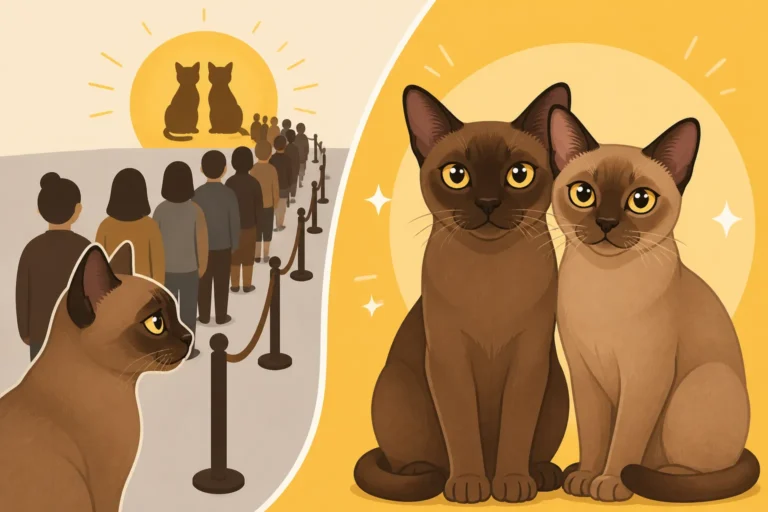
It’s a truly disheartening moment when you fall in love with a gorgeous Burmese kitten, only to realize the incredibly low price tag might mean critical health screenings have been skipped. One of the most common and concerning omissions we see is the hypokalemia DNA swab, which can lead to a lifetime of heartache and unexpected vet bills for a condition that could have been avoided with responsible breeding. This guide will walk you through why cutting corners on initial costs for a Burmese can have profound implications for your beloved cat's health and your wallet.
Understanding Hypokalemia in Burmese Cats
The Burmese breed, as wonderful and affectionate as they are, do come with a few genetic quirks that responsible breeders take very seriously. One of the most significant is Hypokalemia, a condition that can be truly debilitating if left unaddressed. It’s not just a minor inconvenience; it's a serious health concern that can dramatically impact a cat's quality of life.
What is Hypokalemia and Why is it a Concern for Burmese?
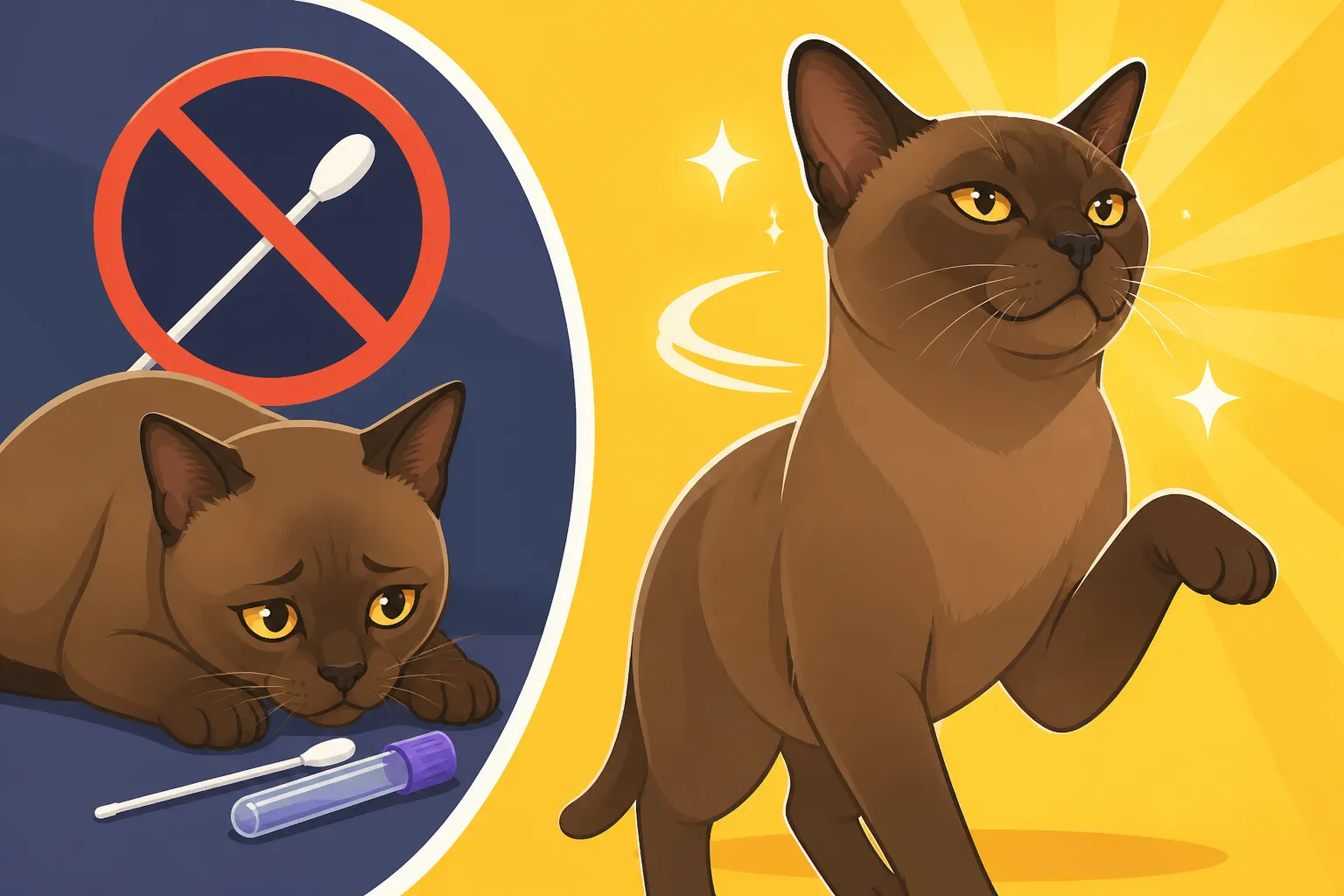
Hypokalemia is essentially a periodic muscle weakness that occurs due to abnormally low levels of potassium in the blood. Imagine a cat suddenly struggling to lift its head, or walking with a stiff, painful gait – that’s what a hypokalemic episode can look like. For Burmese cats, this isn't just a random occurrence; it's specifically linked to a genetic mutation in the WNK4 gene. This means it's an inherited condition, passed down through generations. A cat can be affected, a carrier (meaning they carry the gene but aren't affected themselves), or clear. An affected cat will experience these episodes, which can range from mild stiffness to severe weakness, sometimes even paralyzing the cat to the point where they cannot hold their head up. It's a distressing sight for any owner to witness.
The severity and frequency of these episodes can vary, but they often begin when a kitten is quite young, usually between two and six months old, though they can appear later. Stress, intense exercise, or even certain dietary changes can trigger an episode. While some cats might seem to "grow out" of the most severe symptoms, the underlying genetic predisposition remains. Understanding What the WNK4 Mutation Does in a Burmese is key to grasping the full scope of this issue within the breed.
The Importance of DNA Testing for Hypokalemia
Given the inherited nature of hypokalemia, DNA testing is absolutely paramount for any reputable Burmese breeder. This simple test, often a non-invasive cheek swab, can definitively determine whether a cat is clear, a carrier, or affected by the condition. For breeders, this information is invaluable because it allows them to make informed decisions about breeding pairs, ensuring they never breed two carriers together, which would guarantee affected kittens. The goal is always to reduce the incidence of this painful disease.
For prospective kitten owners, knowing the hypokalemia status of your kitten's parents (and ideally, the kitten itself) is non-negotiable. If a breeder can't or won't provide these results, it's a huge red flag. The test results will clearly indicate if a cat is "Clear," "Carrier," or "Affected." A responsible breeder will be transparent with these results and explain exactly How the Burmese Hypokalemia Test Is Read. This transparency offers peace of mind and ensures you're bringing home a kitten that has the best possible start in life, free from the shadow of this debilitating genetic condition. Skipping this test, even if it saves a few dollars on the initial purchase, can lead to monumental costs and heartbreak down the line.
The Cost of Responsible Breeding and Health Testing
When you see a price tag for a Burmese kitten that seems significantly lower than others, it's natural to feel a flutter of excitement. However, it's crucial to understand that reputable breeders aren't arbitrarily setting high prices. These costs reflect a substantial investment in the health, welfare, and genetic integrity of their breeding lines and, ultimately, your future companion. Cutting corners in breeding often means cutting out essential steps like comprehensive health testing, and that's a dangerous game for everyone involved.
What a Reputable Breeder Invests In
A truly responsible breeder views their cats as family members and a significant investment of time, money, and emotional energy. Their costs begin long before kittens are even conceived. This includes careful selection of breeding cats, often involving import fees for new bloodlines to maintain genetic diversity and health. They invest in premium nutrition for their breeding queens and studs, ensuring optimal health for pregnancy and lactation. Veterinary care is extensive, covering everything from regular check-ups, vaccinations, and parasite control to specialized screenings. This includes testing for conditions like hypokalemia, but also a full panel of other genetic tests to ensure the healthiest possible kittens. For instance, knowing How Much a Full Burmese DNA Panel Costs gives you insight into just one aspect of a breeder's financial outlay.
Beyond physical health, ethical breeders dedicate significant time to socializing their kittens. This means daily handling, exposure to household noises, children, and other pets, preparing them to be well-adjusted, confident members of your family. They keep kittens until they are at least 12-13 weeks old, ensuring they receive all necessary vaccinations and have sufficient time to learn crucial social skills from their mother and littermates. This developmental period is vital, as a Burmese kitten needs to stay with its mother until it is fully weaned and socialized. A good breeder will also provide a detailed contract, health guarantee, and full documentation, including proof of parentage and health clearances. They are transparent about their lines and will readily disclose Which Diseases a Burmese Breeder Must Declare.
The Price Tag of a Thoroughly Screened Burmese Kitten
When you factor in all the aforementioned investments, it becomes clear why a healthy, well-socialized, and thoroughly screened Burmese kitten commands a certain price. This price isn't just for the kitten; it's for the assurance that you're getting a cat from parents who have been rigorously tested for genetic diseases like hypokalemia, and that the kitten itself has received the best possible start in life. It reflects the breeder's commitment to the breed's future and to the well-being of every cat they produce. You are paying for peace of mind, for a healthy companion, and for the support of a breeder who genuinely cares.
Conversely, a "cheap" Burmese often comes from a breeder who has cut corners, either by not performing necessary genetic tests, neglecting proper vet care, or failing to provide adequate socialization. These breeders might be operating on a larger scale, prioritizing quantity over quality, or simply unaware of (or unwilling to address) the genetic health issues prevalent in the breed. They might push kittens out before they're properly weaned or vaccinated, or they might not even know the health status of their breeding animals. The temptation of a lower upfront cost can be strong, but it's important to ask yourself what corners have been cut to achieve that price. Understanding Why European Burmese Breeders Are So Few and the general costs involved helps illustrate the complexity and genuine expense behind responsible breeding practices.
The Risks of Buying an Untested Burmese
The immediate allure of a lower price tag on a Burmese kitten can be incredibly tempting. Who doesn't love a bargain? But when it comes to living, breathing creatures, especially a breed known for specific genetic predispositions like hypokalemia, that initial saving can quickly evaporate and be replaced by a mountain of unexpected costs and emotional distress. It's truly a case where penny-wise can become pound-foolish, and the "pounds" here are measured in vet bills and heartbreak.
Financial Consequences of a Hypokalemic Kitten
Imagine bringing home your beautiful, seemingly healthy Burmese kitten, only to have it collapse or struggle to walk a few weeks or months later. That's often How Hypokalemia First Shows in a Burmese Kitten. The immediate action is a trip to the emergency vet, which, as any pet owner knows, is rarely cheap. Diagnosis involves blood tests to check potassium levels, and treatment often means immediate potassium supplementation, either orally or, in severe cases, intravenously. After the initial crisis, long-term management can include daily oral potassium supplements and dietary adjustments to prevent future episodes. Knowing What Potassium Supplementation Does for a Burmese is just the beginning of understanding the ongoing care.
These vet visits, medications, and potential specialized diets add up quickly. A single severe episode can easily cost hundreds, if not thousands, of dollars, and recurrent episodes mean ongoing expenses. Many pet insurance policies, such as those from Healthy Paws, have clauses regarding pre-existing conditions. If you purchase an untested kitten that later develops hypokalemia, it might be classified as pre-existing, making it extremely difficult to get coverage for future treatments related to the condition. This means you're on the hook for every cent. This hidden cost far outweighs any initial saving on the kitten's purchase price, and it's why responsible breeders screen diligently.
Emotional Toll and Quality of Life Concerns
Beyond the financial strain, there's the profound emotional toll of owning a cat with a chronic, sometimes severe, genetic condition. Watching your beloved pet struggle with muscle weakness, unable to play or even lift its head normally, is incredibly distressing. You become acutely aware of every stiff movement, every wobbly step, constantly monitoring for signs of an impending episode. The worry and stress can be immense, impacting your enjoyment of what should be a joyful companionship.
A cat suffering from hypokalemia isn't living its best life. While Whether a Hypokalemic Burmese Lives a Normal Life often depends on the severity and diligent management, it's undeniably a life lived with a chronic health challenge. They might miss out on playful interactions, feel discomfort, or even pain. The constant need for medication and careful monitoring can also affect the cat's routine and sense of security. It's a heavy burden for both the cat and its owner, all because a breeder opted to skip a simple, preventative DNA test.
Identifying Red Flags in a "Cheap" Burmese Purchase
Navigating the world of kitten sales can be tricky, especially when you're looking for a specific breed like the Burmese. The internet is flooded with advertisements, and it can be hard to tell a legitimate, ethical breeder from someone simply looking to make a quick buck. If you encounter a Burmese kitten with an unusually low price, it’s not time to celebrate; it’s time to activate your detective skills and look for potential red flags. Your vigilance now can save you years of heartache and expense later.
Questions to Ask Any Potential Breeder
When speaking with a potential breeder, be prepared with a list of pointed questions. A truly responsible breeder will welcome them and be happy to share information. Start by asking directly about genetic testing, especially for hypokalemia. They should be able to provide documentation for both parents, showing clear results. Don't just take their word for it; ask to see the official certificates. If they hedge, or claim the tests are "too expensive" or "unnecessary," consider it a major warning. Similarly, enquire about their breeding practices, asking about the health history of their lines and if they offer any health guarantee, specifically addressing conditions like hypokalemia. A guarantee that covers genetic defects is a good sign, though it's important to scrutinize whether a Burmese guarantee covers hypokalemia.
Beyond health, inquire about the kitten's upbringing and socialization. Ask Why a Burmese Breeder Asks How Long You Work – it's a sign they care deeply about the kitten's future environment. They should also recommend taking two kittens, explaining Why a Burmese Breeder Recommends Buying a Pair because of the breed's intense need for companionship. A breeder focused on profit over welfare might not care about these aspects. Ask about the kitten's diet, vaccination schedule, and when they are allowed to go to their new homes. Any breeder offering kittens younger than 12-13 weeks old, or one who pressures you for a quick sale, should be approached with extreme caution.
What to Look For in a Breeder's Environment
Visiting the breeder's home or cattery (if they have one) is paramount. This gives you a direct glimpse into the conditions the kittens are raised in and the overall health and temperament of the adult cats. The environment should be clean, safe, and stimulating. The kittens should be playful, curious, and well-socialized, not shy or fearful. Interact with the mother cat; her temperament is a strong indicator of what her kittens will be like. She should be friendly and comfortable with people.
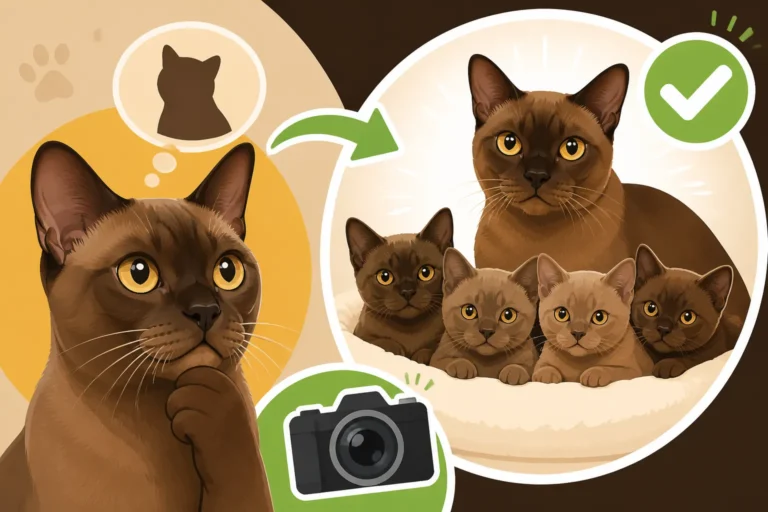
Pay attention to the general health of all the cats you see. Are their coats shiny? Are their eyes clear? Do they seem active and well-fed? A good breeder will have a manageable number of cats, ensuring each receives individual attention and care. Be wary if a breeder insists on meeting you in a neutral location, such as a parking lot or a pet store, as this prevents you from seeing where the kittens were raised. Furthermore, a responsible breeder will encourage you to see the entire litter together and their mother. Insist on photos of the litter together if an in-person visit isn't immediately possible, as it provides evidence of a nurturing, family-oriented environment, rather than a single, isolated kitten.
The True Cost of "Saving" Money Upfront
It's a common human impulse to seek out a good deal, but sometimes, a "deal" can turn into a financial and emotional burden far greater than the initial savings. This is particularly true when it comes to living creatures with specific health considerations, like the Burmese cat and its propensity for hypokalemia. The notion of a "cheap" Burmese is often an illusion that crumbles under the weight of unforeseen expenses and genuine heartbreak.
Comparing Initial Savings to Long-Term Expenses
Let's do a quick comparison to really drive this home. The initial cost of a cheap Burmese kitten (perhaps without hypokalemia testing) might be significantly lower than one from a reputable breeder. You might feel like you've won the lottery! However, that's where the "savings" often end. If that kitten develops hypokalemia, as many untested Burmese do, the expenses begin.
Cost Comparison: Cheap vs. Screened Burmese (Hypothetical)
| Item | "Cheap" Untested Kitten | Reputable Breeder's Screened Kitten |
|---|---|---|
| Initial Purchase Price | Lower | Higher |
| Hypokalemia Test (Kitten) | Not done (or omitted) | Done (parents clear/kitten clear) |
| Vet Visits (Episodes) | Frequent, emergency | Rare/None for hypokalemia |
| Potassium Supplements | Daily, lifelong | None |
| Specialist Consults | Possible | Unlikely |
| Emergency Care | High probability | Very low probability |
| Medications | Ongoing | Minimal routine medications |
| Insurance Premiums | Higher (if covered) | Standard |
| Insurance Payouts | Potentially none (pre-existing) | Full coverage for new conditions |
| Emotional Stress | High | Low |
This table doesn't even account for the cost of regular veterinary care for The Sixteen to Eighteen Years a Well Bred Burmese Gets. When you consider these potential long-term expenses, the “cheap” kitten becomes the significantly more expensive option over its lifetime. Specialized diets can help with ongoing nutritional needs, but the costs associated with chronic medical management are profound and unavoidable.
Ethical Considerations and Supporting Responsible Breeding
Beyond the financial implications, there's an ethical dimension to consider. When you purchase a cheap, untested Burmese kitten, you are inadvertently supporting irresponsible breeding practices. These breeders contribute to the perpetuation of genetic diseases within the breed, creating more suffering for cats and more heartache for unsuspecting owners. They undermine the hard work of ethical breeders who dedicate their lives to improving the health and welfare of the Burmese cat.
Choosing a reputable breeder, even if it means a higher upfront cost, is an investment in the future of the breed and a commitment to animal welfare. You are choosing to support individuals who prioritize health testing, genetic diversity, proper socialization, and lifelong support for their kittens. This ensures you bring home a healthy, well-adjusted companion and helps break the cycle of preventable genetic illnesses like hypokalemia. It's about more than just the price of a kitten; it's about responsible pet ownership and contributing to a healthier, happier world for our beloved Burmese companions.
Disclaimer
This article is for general informational purposes only and does not constitute professional advice. Laws, prices and regulations vary by location and change over time. Consult a qualified professional for guidance on your specific situation.