What Insulin Costs a Burmese Owner Per Month
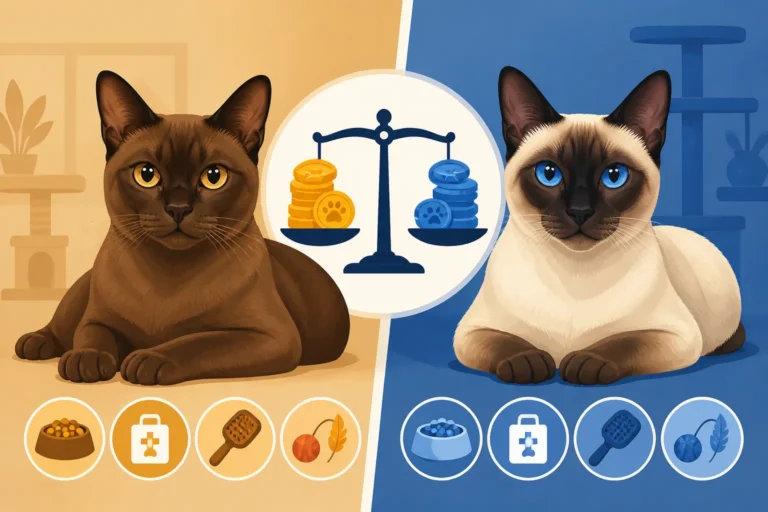
Receiving a diabetes diagnosis for your beloved Burmese cat can feel like a punch to the gut, not just emotionally, but financially. Suddenly, you're faced with a new reality of daily injections and ongoing medical management, and the looming question of 'how much will this actually cost me every month?' This guide is here to walk you through the various components that contribute to the monthly expense of insulin and related care for a diabetic Burmese, helping you prepare and navigate this significant aspect of their health journey.
Understanding the Immediate Financial Impact of a Diabetes Diagnosis
When your Burmese is diagnosed with diabetes, the initial focus is, understandably, on their health. You're trying to absorb a lot of new information about a serious condition. But very quickly, the practical realities of managing that condition, especially the financial aspect, start to weigh heavily. It’s a natural worry, and it’s important to acknowledge that this isn't just about the insulin itself; it's a whole new lifestyle for your cat and your budget.
The Initial Vet Visits and Diagnostic Tests
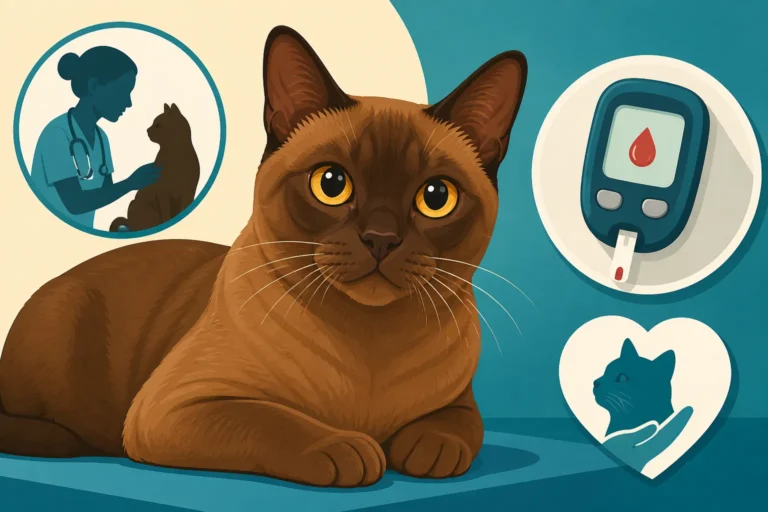
The journey to a diabetes diagnosis typically involves a series of veterinary appointments and diagnostic tests. Your vet will likely start with a thorough physical examination, looking for key indicators that point towards metabolic issues. This is often followed by blood work, including a full chemistry panel and a complete blood count. Critically, a urinalysis is almost always performed, as the presence of glucose in urine is a strong indicator of diabetes. How a Vet Confirms Diabetes in a Burmese
Beyond these initial tests, your vet might recommend a fructosamine test. Unlike a single glucose reading, which can be artificially elevated by stress (a common occurrence for cats at the vet!), a fructosamine test provides an average of your cat’s blood glucose levels over the preceding one to three weeks. This gives a much clearer picture of their long-term glycemic control. These initial diagnostic steps, while crucial for an accurate diagnosis and treatment plan, represent a significant upfront cost before you even get to the ongoing monthly expenses. It’s a necessary investment, but one that can certainly take a bite out of your savings.
Why Insulin Becomes an Immediate Necessity
Once diabetes is confirmed, insulin therapy almost always becomes the cornerstone of treatment for a diabetic Burmese. This isn't a condition that can be managed with diet alone in most cases, especially initially. Your cat's pancreas isn't producing enough insulin, or their body isn't responding to it effectively, leading to high blood sugar. Without exogenous insulin, their cells can't properly absorb glucose for energy, leading to a cascade of health problems.
The vet will typically start your Burmese on a specific type of insulin and a carefully calculated starting dose. This might involve an initial stay at the clinic for monitoring, or you might be sent home with instructions for at-home administration. Learning How a Diabetic Burmese Is Started on Insulin and How to Give a Burmese Its Insulin at Home is a steep learning curve for many owners. The immediate need for insulin means that this medication isn't something you can delay or try to cut corners on. It becomes an urgent, non-negotiable part of your daily routine, and thus, a primary monthly expense from day one.
Breaking Down the Monthly Insulin Cost Components
When we talk about the monthly cost of insulin for a Burmese, it's not just the liquid in the vial. There are several interconnected components that contribute to the overall figure. Understanding each piece of the puzzle can help you budget more effectively and perhaps even identify areas where you might find some savings without compromising your cat's health. It’s a routine that quickly becomes second nature, but the costs are always there in the background.
The Insulin Itself: Type, Vial Size, and Dosage
The biggest factor influencing your monthly insulin cost is, naturally, the insulin itself. There are a few different types of insulin commonly prescribed for diabetic cats, such as Vetsulin (also known as Caninsulin in some regions), Prozinc, and sometimes human insulins like Lantus (glargine) or Levemir. Each type has a different price point, and your vet will prescribe the one they believe is most effective for your individual Burmese, taking into account how their body metabolizes it and their specific needs.
Insulin comes in vials of varying sizes, typically 10ml, or in cartridges for pens. A crucial detail is that once opened, insulin vials have a limited lifespan, often 28 days or sometimes a bit longer for certain types, even if refrigerated. This means that if your Burmese is on a very low dose, you might not use the entire vial before it expires, leading to some waste. A cat requiring a higher dose will go through a vial faster, potentially needing more than one vial in a month. This "use-it-or-lose-it" aspect significantly impacts the effective monthly cost, as you're paying for the whole vial regardless of how much is used. It's why discussing vial size and potential waste with your vet is important, especially when first starting out.
Needles and Syringes: The Unsung Heroes of Daily Care
While the insulin itself is the star of the show, it can't be administered without the right tools. Needles and syringes are a critical, ongoing expense. For cats, specific U-40 or U-100 syringes are required, depending on the concentration of the insulin your vet prescribes. Using the wrong type of syringe can lead to severe dosing errors, which is incredibly dangerous. These syringes are designed for single use to ensure sterility and sharpness, making injections as comfortable as possible for your cat.
You'll be giving injections once or twice a day, so you'll need a steady supply of these. While the cost per syringe is relatively low, it quickly adds up over a month. Many owners find it convenient to buy them in boxes of 100, often through online retailers like Chewy, which can sometimes offer a better per-unit price. Always ensure you're getting the correct syringe size and gauge of needle for your Burmese, as prescribed by your vet. A shorter, finer needle is often preferred to minimize discomfort for your sensitive feline friend.
Storage and Handling Considerations
Proper storage and handling are absolutely essential for insulin. Insulin is a protein, and it can be denatured (damaged) by extreme temperatures, vigorous shaking, or exposure to direct sunlight. This means it almost always needs to be kept refrigerated. While the refrigerator itself doesn't add a direct cost, being mindful of its temperature consistency and ensuring the insulin isn't exposed to freezing or overheating temperatures is part of the daily management.
Accidental mishandling – like dropping a vial, allowing it to freeze, or leaving it out on the counter – can render the insulin ineffective, leading to sudden, unplanned replacement costs. These unforeseen expenses, while not part of the regular monthly budget, can certainly impact your overall financial outlay. It’s a good practice to keep the insulin in a designated, safe spot in the fridge, away from the door where temperature fluctuations are more common, and remind everyone in the household of its importance.
The Essential Role of Ongoing Monitoring Costs
Administering insulin is only half the battle; monitoring your Burmese's blood glucose levels is equally, if not more, critical. This monitoring helps your vet adjust insulin doses, ensures the treatment is effective, and helps prevent dangerous episodes of hypoglycemia (low blood sugar) or hyperglycemia (high blood sugar). These monitoring costs are a non-negotiable part of the monthly expense, vital for keeping your cat stable and healthy.
Glucose Test Strips and Lancets
For at-home blood glucose monitoring, you'll need a steady supply of glucose test strips and lancets. Lancets are tiny needles used to prick a small vessel, usually on the ear, to get a drop of blood. Test strips are then inserted into a glucose meter, and the blood sample is applied to the strip to get a reading. Both of these items are consumable and must be replaced regularly.
The cost of test strips, in particular, can be quite significant. They are often sold in vials of 50 or 100, and if you're checking your cat's glucose multiple times a day, these can be used up surprisingly fast. Lancets are typically cheaper and often come in larger quantities. While some human meters and strips can be used for cats, many vets recommend pet-specific meters as they are calibrated differently for feline blood, which can have different glucose concentrations than human blood. This ongoing need for strips and lancets is a fixed part of the monthly budget for many diabetic Burmese owners.
Home Glucose Monitors and Their Lifespan
While the test strips are the consumable, the home glucose monitor itself is a one-time purchase, but it's important to factor its cost into your overall budget. These devices vary in price and features, from basic models to more advanced ones that store readings or connect to apps. Some people find that using human meters works for them, which can sometimes be less expensive, but it's crucial to discuss this with your vet.
The monitor, while not a monthly cost, has a lifespan. Over time, it might need to be replaced due to wear and tear, or if a newer, more accurate model becomes available that your vet recommends. Think of it like any electronic device; it's reliable for a good while, but eventually, it will need replacing. Some owners also opt for continuous glucose monitors (CGMs), which are patches that stay on the cat for several days and provide constant readings. These are a larger upfront cost but can reduce the need for frequent manual blood pricking and provide a wealth of data, though they also have a finite lifespan and need regular replacement.
Regular Vet Check-ups and Glucose Curves
Even with diligent at-home monitoring, regular veterinary check-ups are absolutely essential. Your vet will want to see your Burmese periodically to assess their overall health, check their weight (which is a critical factor in Why Weight Is the Only Lever a Burmese Owner Has), and review your home glucose logs. Often, they will perform a "glucose curve" in the clinic. This involves taking multiple blood glucose readings over several hours to see how the insulin is working throughout the day. These curves help your vet fine-tune the insulin dosage and schedule.
These vet visits and in-clinic glucose curves are an additional, albeit less frequent, cost that needs to be factored into the annual or bi-annual budget, which then translates into an averaged monthly cost. Sometimes, unexpected vet visits are also necessary if your Burmese shows signs of a hypoglycemic episode (What a Hypoglycemic Burmese Looks Like) or other complications. How Often a Healthy Adult Burmese Needs Checking might change to a monthly or bi-monthly schedule initially for a diabetic cat. These appointments are invaluable for professional oversight and ensuring your Burmese stays as healthy as possible.
Beyond Insulin: Diet, Supplements, and Other Monthly Expenses
While insulin therapy is central to managing feline diabetes, it’s far from the only consideration when budgeting for a diabetic Burmese. Diet plays an absolutely critical role, and there are other aspects of daily care that can incur additional costs. These elements are not just add-ons; they are integral to successful diabetes management and your cat's overall well-being.
The Crucial Cost of a Low-Carbohydrate Diet
For a diabetic Burmese, diet is truly a medical decision. Why Low Carbohydrate Food Matters for a Burmese cannot be overstated. High-carbohydrate foods can cause significant spikes in blood sugar, making insulin regulation much harder. Therefore, a strict low-carbohydrate diet, usually high in protein, is almost always recommended. This often means switching from dry kibble, which tends to be high in carbs, to a wet food diet.
Specialized diabetic prescription diets are available from your vet, but many owners successfully manage their cat's diabetes with commercially available low-carb wet foods. Commercial low-carb wet foods can be excellent, provided they meet the strict nutritional requirements. These foods can be more expensive than conventional kibble. You'll likely need to weigh out precise portions to manage calorie intake and ensure consistency, as Why Portion Control Is Medical Care in a Burmese. This dietary change alone can significantly increase your monthly grocery bill for your feline friend, but it's an investment that can dramatically improve glucose control and even lead to remission in some cases. Which Diet Puts a Burmese Into Remission is a common question, and it almost always revolves around carbohydrate restriction.
Potential Supplements and Related Medications
Depending on your Burmese's specific health needs and any co-existing conditions, your vet might recommend certain supplements or additional medications. For example, some diabetic cats may also have kidney issues, which might require specific dietary supplements or medications to support kidney function. Urinary tract infections can also be more common in diabetic cats due to glucose in their urine, potentially leading to antibiotic courses.
Furthermore, if your Burmese experiences any diabetic complications, such as neuropathy (nerve damage, often seen as weakness in the hind legs), your vet might suggest supplements to support nerve health. While these aren't always a given, it's wise to be aware that your monthly budget might occasionally need to accommodate these additional, often temporary, pharmaceutical costs. It's all part of the holistic approach to keeping your diabetic cat healthy.
Larger Litter Boxes and Increased Litter Usage
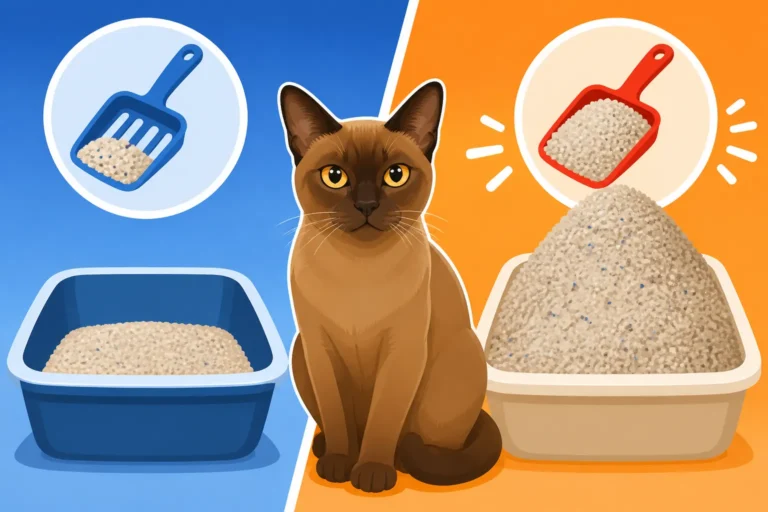
One of the tell-tale signs of undiagnosed or poorly controlled diabetes in a cat is increased thirst and urination. Why a Burmese Drinking More Needs Testing That Week is a crucial piece of advice for any owner. Even with well-managed diabetes, many cats will still produce more urine than a non-diabetic cat. This has a direct impact on your litter box routine and costs.
You might find yourself scooping more frequently, needing to change the litter more often, or even needing to add an extra, larger litter box to accommodate the increased volume. This translates directly to a higher monthly expenditure on cat litter. While it might seem like a small detail, the cumulative cost of extra litter over a month and certainly over a year can add up. It’s a practical reality that often goes unmentioned but is definitely part of the diabetic cat ownership experience.
Strategies for Managing and Mitigating Monthly Diabetes Costs
Facing ongoing monthly expenses for your diabetic Burmese can feel overwhelming, but there are proactive steps you can take to manage and potentially mitigate these costs without compromising your cat's health. It’s about being an informed and diligent owner, working closely with your vet, and exploring all available options.
Comparing Insulin Brands and Supplier Options
As mentioned, different types of insulin come with different price tags. Your vet will initially prescribe what they believe is best, but it's always worth having a conversation about alternatives if cost is a significant concern. Sometimes, a slightly different insulin that is equally effective might be more affordable, or available in a different vial size that minimizes waste for your specific cat's dosage.
Beyond the type of insulin, where you purchase it can also make a difference. Many pharmacies fill pet prescriptions, and prices can vary. Online pet pharmacies or larger retailers like Chewy often have competitive pricing for both insulin and supplies like syringes and test strips. It pays to shop around, compare prices, and ask your vet if they have preferred suppliers or can offer samples to help you decide. Just ensure any online pharmacy you use is reputable and requires a valid prescription.
Maximizing Insulin Vial Lifespan Safely
Reducing insulin waste is a key way to save money. If your Burmese is on a low dose and you're consistently discarding unused insulin because the vial expires before it's empty, talk to your vet. Some vets are comfortable extending the "open vial" life for certain insulin types beyond the manufacturer's recommended 28 days, especially if it's been handled and stored meticulously. However, this is a decision that must always be made in consultation with your vet, as using ineffective insulin can be dangerous.
Proper storage, as discussed earlier, is paramount. Keeping the insulin consistently refrigerated, avoiding shaking, and protecting it from light are crucial. A habit of checking the expiration date each time you draw a dose can prevent accidentally using expired insulin. By being incredibly careful with handling, you might be able to stretch the life of a vial just enough to save a partial purchase over time.
Exploring Pet Insurance and Assistance Programs
Pet insurance is a highly debated topic, but for a chronic condition like diabetes, it can be a lifesaver for many owners. The crucial detail here is that pet insurance typically does not cover pre-existing conditions. This means that if your Burmese is diagnosed with diabetes, any new policy you take out will likely exclude diabetes-related care. This is why Whether a Diabetic Burmese Can Be Insured is a common and often disheartening question.
However, if you had pet insurance before your Burmese was diagnosed, your policy should cover a significant portion of the ongoing costs, including insulin, syringes, test strips, vet visits, and potentially even prescription diets. Companies like Healthy Paws are known for their comprehensive coverage, but it's essential to read your specific policy's terms and conditions carefully. For those without pre-existing coverage, some veterinary schools or charitable organizations might offer assistance programs or payment plans for chronic conditions. It's always worth asking your vet if they are aware of any such resources in your area.
The Long-Term Reality of Living with a Diabetic Burmese
Living with a diabetic Burmese is a journey, not a sprint. The initial shock and steep learning curve eventually give way to a routine, and the financial investment becomes a normalized part of your monthly budget. While the costs are significant, the bond you share with your Burmese and the joy they bring make it a commitment many owners are willing to make. It’s a testament to the deep connection we have with our feline companions.
The Commitment Beyond the Monthly Bill
Beyond the literal cost of insulin and supplies, there's the invaluable cost of your time, attention, and emotional energy. Administering daily injections, performing at-home glucose monitoring, meticulously preparing meals, and constantly observing your cat for any changes in behavior or health requires dedication. Your Burmese will rely on you completely for this critical care. How to Monitor a Burmese on Insulin at Home becomes a skill you master.
This commitment extends to adapting your lifestyle around their feeding and injection schedule, especially if you have a cat requiring twice-daily insulin. Travel plans might need more careful consideration, as finding a trustworthy sitter capable of administering injections is paramount. This isn't just about money; it's about a profound shift in your daily life, driven by love for your furry family member.
Quality of Life and the Value of Your Investment
Ultimately, the monthly cost of insulin and related care for a diabetic Burmese is an investment in their quality of life. With proper management, many diabetic cats can live long, happy, and fulfilling lives. They can continue to be the affectionate, playful companions Burmese are known to be. The Sixteen to Eighteen Years a Well Bred Burmese Gets can still be a reality, even with a diabetes diagnosis, given diligent care.
When you see your Burmese thriving, playing, and snuggling up to you, the financial strain often takes a backseat to the immense satisfaction of knowing you're providing them with the best possible care. It's easy to get caught up in the numbers, but the true value lies in the extra years of purrs, head-butts, and companionship. The investment isn't just in medicine; it's in extending a cherished life.
Monthly Diabetic Care Cost Breakdown (Illustrative)
Here's an illustrative breakdown of typical monthly expenses for managing a diabetic Burmese. Please remember, exact costs vary widely based on location, vet fees, specific insulin type, dosage, and where you purchase supplies.
| Category | Nature of Cost | Frequency | Impact on Monthly Budget |
|---|---|---|---|
| Insulin Vial(s) | Variable based on type (e.g., Vetsulin, Prozinc, Lantus), dosage, and vial lifespan. You may use a full vial or only a portion before expiration. | Monthly (or more often for high doses) | Significant |
| Syringes/Needles | Consumable, single-use items. Cost per unit is low, but adds up with daily use (30-60 per month). | Monthly | Moderate |
| Glucose Test Strips | Consumable, often sold in vials of 50 or 100. Used 1-3 times daily for monitoring. | Monthly (or bi-monthly) | Significant |
| Lancets | Consumable, small needles for blood sampling. Often sold in large quantities. | Monthly (or less often) | Low |
| Specialized Diet | Low-carbohydrate wet food, prescription diet, or premium low-carb commercial brand. Usually more expensive than dry kibble. | Monthly | Moderate to High |
| Vet Check-ups | Follow-up exams, glucose curves, and professional advice. Less frequent but necessary. | Quarterly/Bi-annually (average monthly) | Moderate |
| Litter | Increased urination can lead to higher litter consumption and more frequent changes. | Monthly | Low to Moderate |
| Contingency | Unexpected issues like hypoglycemic episodes, infections, or replacement of dropped insulin. | As needed | Variable |
Disclaimer
This article is for general informational purposes only and does not constitute professional advice. Laws, prices and regulations vary by location and change over time. Consult a qualified professional for guidance on your specific situation.