Why a Burmese Left Alone All Day Ends Up Rehomed
It's a common, heartbreaking scenario: a new Burmese owner falls head over heels for their affectionate kitten, only to find themselves completely overwhelmed a year or two later. The initial cuddles and playful antics can mask a profound need for companionship, a need that often goes unmet in busy households. This guide is here to shed light on why leaving a Burmese cat alone all day almost inevitably leads to stress, destructive behaviors, and ultimately, the devastating decision to rehome this intelligent, loving breed.
The Burmese: A Shadow That Demands Company
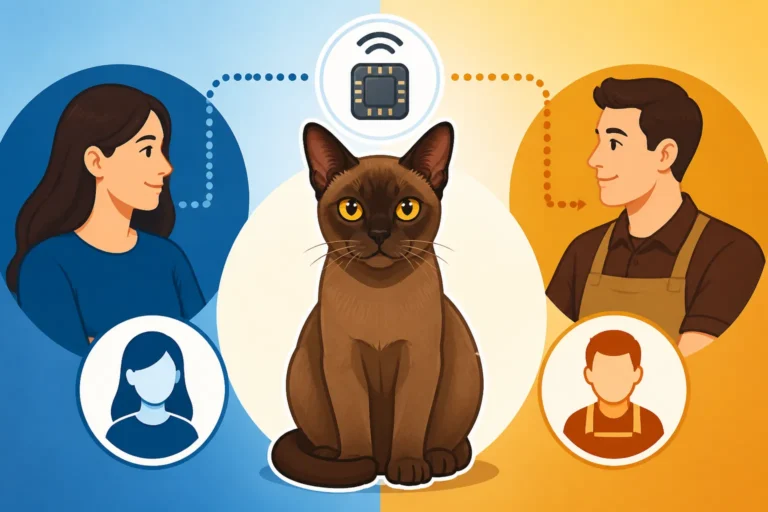
You've probably heard the term "Velcro cat," right? Well, the Burmese didn't just earn that nickname; they practically invented it. These aren't your typical aloof felines who might deign to sit on your lap for a few minutes before retreating to their solitary kingdom. No, a Burmese is quite literally your shadow, your constant companion, and your most devoted fan. They're wired for connection, and understanding this deep-seated need is the first step toward preventing a lonely cat and a frustrated owner.
The Velcro Cat Persona: Why They Cling
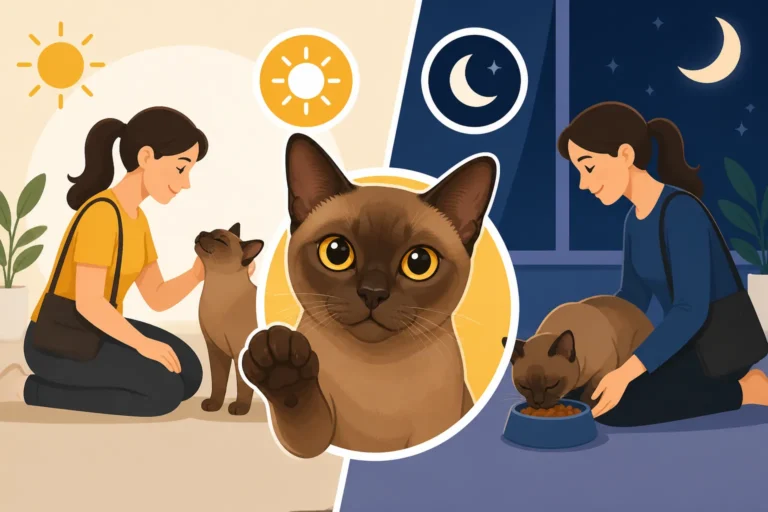
The phrase "Velcro cat" isn't an exaggeration when you're talking about a Burmese. From the moment you wake up until you close your eyes at night, they want to be with you. They'll follow you from room to room, perch on your shoulder while you work, or drape themselves across your lap the instant you sit down. The Burmese Is the Velcro Cat of the Cat Fancy is a title they wear with pride, and it’s a huge part of their charm. This isn't just a quirk; it's a fundamental aspect of their personality and breed characteristic. They form incredibly strong bonds with their human family members, often singling out one person as their primary attachment, but extending their affection to everyone in the household, including children and even dogs.
Think of it this way: for a Burmese, you're not just a source of food and shelter; you're their entire social universe. They thrive on interaction, conversation, and physical closeness. If you're moving around the house, they're moving with you. If you're sitting, they're on you. This constant presence is delightful for many, but it also means they notice, profoundly, when you're not there. They don't just tolerate human company; they absolutely crave it, and their happiness is intrinsically tied to receiving it consistently throughout the day. This isn't a cat that just sits in an empty room, content with its own thoughts; they are acutely aware of your absence.
More Than Just Affection: A Deep-Seated Need for Interaction
It's easy to dismiss a cat's clinginess as merely being "friendly," but for a Burmese, this intense need for companionship goes much deeper than just wanting a cuddle. It's about mental stimulation, emotional security, and their very sense of well-being. They are highly intelligent, curious, and playful creatures who need engagement. A Burmese will often "talk" to you with a distinctive rasping rumble, engaging in what feels like a genuine conversation. They love interactive play, problem-solving toys, and learning tricks. When they are left alone, all of this mental and emotional energy has nowhere to go.
Imagine a highly social person, someone who thrives on conversation and interaction, suddenly forced into complete isolation for hours on end, day after day. That's a glimpse into the world of a Burmese left alone. Their bright minds become understimulated, their social needs are unmet, and their strong emotional bonds are strained by prolonged absence. This isn't just boredom; it's a form of deprivation that can be incredibly distressing for them. They aren't wired for solitude, and expecting them to simply "be a cat" and entertain themselves for eight to ten hours a day is fundamentally misunderstanding their breed's unique requirements.
The Contrast: What Happens When Their Needs Aren't Met
The stark reality is that when a Burmese's profound need for constant company isn't met, their vibrant, affectionate nature can quickly turn into something far more troubling. The cat who greeted you with joyful purrs and headbutts might become withdrawn, anxious, or, perhaps more commonly, destructive. The sweet, outgoing personality that initially captured your heart slowly erodes, replaced by behaviors that scream, "I'm lonely!"
This isn't a cat acting out of spite; it's a cat in distress. Their inability to cope with prolonged solitude manifests in ways that are often interpreted as "bad behavior" by owners who don't understand the underlying cause. What started as an inconvenience can quickly escalate into a genuine crisis, impacting the cat's health, the owner's finances, and the harmony of the home. This contrast between their ideal state and their lonely reality is the fundamental reason Why a Burmese Cannot Be Left Alone All Day without consequences. The gap between what they need and what they receive becomes a chasm of anxiety.
Unpacking Separation Anxiety in Your Burmese
Separation anxiety isn't just a dog thing, even though it's often talked about that way. In Burmese cats, it's a very real and debilitating condition that arises from their intense attachment to their humans. It's not about being "mad" at you for leaving; it's about genuine panic and fear when they are deprived of your presence. Recognizing the signs, both subtle and overt, is crucial for any owner.
Subtle Cues: Early Warning Signs of Distress
Before a Burmese starts tearing up your curtains, they might show more subtle signs of anxiety. These can be easy to miss, especially if you're not specifically looking for them. Often, they start before you even leave. Does your Burmese become extra clingy as you get ready for work? Do they try to block your path to the door, or rub incessantly against your legs? This isn't just a loving goodbye; it can be an attempt to prevent your departure.
Once you're gone, the early signs might be quiet lamenting. A surveillance camera might catch them pacing restlessly by the door, occasionally letting out a low, mournful "rasp" rather than their usual cheerful rumble. They might stop eating or drinking shortly after you leave, only to gorge themselves when you return. Some might even begin to sleep excessively during your absence, using sleep as a coping mechanism, only to be wide awake and demanding attention the moment you walk back in. These quiet indicators are often the first whispers of a developing problem, a call for help that often goes unheard until it escalates.
Escalating Behaviors: When Anxiety Takes Over
As separation anxiety deepens, the subtle cues give way to more pronounced and often destructive behaviors. This is when owners typically start to realize there's a serious problem, though they may not always connect it directly to their absence. What Separation Anxiety Looks Like in a Burmese can be varied, but it's always rooted in distress. One common sign is excessive vocalization. Instead of a soft purr or chirrup, they might begin to yowl, cry, or howl persistently while you're away. This isn't just a brief protest; it can be hours of non-stop noise that will certainly annoy neighbors and might even get you in trouble with your landlord.
Beyond the noise, you might notice behavioral changes upon your return. A highly anxious Burmese might greet you with an almost frantic energy, circling your legs, jumping up, and demanding immediate, intense attention. They may follow you even more closely than usual, refusing to let you out of their sight even for a moment. This intense focus on you, while seemingly endearing, is actually a sign of their relief and their fear of you leaving again. It indicates that their anxiety levels are extremely high and they are struggling to self-soothe in your absence.
The Health Fallout: Physical Manifestations of Stress
The emotional turmoil of separation anxiety doesn't just stay in their heads; it can manifest physically, impacting their overall health. Chronic stress takes a toll on a cat's immune system, making them more susceptible to illness. You might notice changes in their appetite – either refusing food when alone or overeating when you're present. Diarrhea, vomiting, or other gastrointestinal upsets can become common, as stress severely impacts their digestive system.
Some Burmese cats, when highly stressed, may start to pull out their fur, leading to bald patches or irritated skin. This is often an attempt to self-soothe, similar to how some people chew their nails. Overgrooming can be localized to their belly, legs, or tail, and can sometimes be mistaken for allergies or parasites, requiring multiple vet visits to rule out other causes. Chronic stress can even lead to more serious, long-term health issues if not addressed. It’s a vicious cycle where anxiety leads to physical symptoms, which then exacerbate the cat's discomfort and stress levels.
The Destructive Aftermath of Loneliness
When a Burmese is left alone for prolonged periods, their unmet social needs and escalating anxiety can lead to a range of destructive behaviors. These aren't intentional acts of defiance, but rather desperate attempts to cope with their distress, relieve boredom, or get attention. For owners, these behaviors can be frustrating, costly, and ultimately, a significant factor in the decision to rehome.
Redecorating with Claws and Teeth: Property Damage
A lonely, anxious Burmese can turn into a furry little wrecking ball. Without appropriate stimulation or a companion, they will find ways to occupy themselves, and often, those ways involve your belongings. This could be anything from scratching furniture to shreds, pulling down curtains, or even chewing on electrical cords – a truly dangerous habit. They might target specific items associated with your departure, like your shoes or handbag, but often it's just general destruction born of pent-up energy and anxiety.
Imagine coming home to find your favorite armchair's upholstery shredded, or bite marks on your wooden table legs. This isn't uncommon for a Burmese in the throes of separation anxiety. They might strip wallpaper, unravel carpets, or knock over items from shelves in their frantic search for stimulation or simply to release stress. What a Burmese Does to a House It Is Left In can be extensive and expensive, leading to significant repair or replacement costs for owners who are already feeling the emotional weight of their cat's unhappiness.
The Unpleasant Reality: Inappropriate Elimination
Perhaps one of the most disheartening and common signs of severe separation anxiety in a Burmese is inappropriate elimination. This means urinating or defecating outside the litter box, often in prominent places like your bed, laundry pile, or directly in front of the door you left through. This is rarely a sign of anger or a dirty cat; it's a cry for help. The scent of their owner, combined with their own stress hormones, might compel them to mark these spots.
The act of urinating outside the box is often tied to stress, a urinary tract infection, or a territorial display, but for an anxious Burmese, it's frequently a direct response to your absence. Why an Anxious Burmese Sprays or eliminates inappropriately is complex, but it boils down to seeking comfort or expressing extreme distress. This behavior can be incredibly frustrating for owners, leading to damaged carpets, furniture, and a persistent odor that's hard to remove. It often pushes owners to their breaking point, as cleaning up after an anxious cat can feel like a never-ending battle.
Self-Soothing Gone Wrong: Overgrooming and Hair Pulling
Another distressing behavior that signals deep anxiety is overgrooming or hair pulling. While all cats groom themselves, a Burmese suffering from separation anxiety might groom compulsively, to the point of causing skin irritation, redness, or even creating bald patches on their body. This isn't just about keeping clean; it's a self-soothing mechanism, much like a human biting their nails or twirling their hair when stressed. The act of licking releases endorphins, providing a temporary sense of calm.
However, this temporary relief comes at a cost. Prolonged overgrooming can lead to skin infections and other dermatological issues, requiring veterinary intervention. You might notice clumps of fur around the house, or feel a sudden thinness in their usually dense, satin coat. Why a Lonely Burmese Pulls Its Satin Coat Out is a clear indicator that your cat is struggling immensely with their emotional state. It’s a stark visual reminder of their internal distress and a powerful signal that their living situation is causing them significant psychological pain.
The Emotional and Financial Strain on Owners
Dealing with a Burmese suffering from loneliness and separation anxiety is incredibly taxing, both emotionally and financially. What starts as a dream of a loving companion can quickly devolve into a nightmare of stress, guilt, and mounting expenses, often leading to the difficult decision of rehoming.
A Cycle of Frustration and Guilt
Owners who encounter these behaviors often find themselves trapped in a cycle of frustration, confusion, and guilt. They adore their Burmese, but the constant destruction, the inappropriate urination, the relentless yowling, and the sheer neediness become overwhelming. They might try various solutions – different toys, new litter, even scolding – but without addressing the root cause (their absence), nothing seems to work. This can lead to feelings of helplessness and resentment.
Simultaneously, there's the pervasive guilt. Owners know their cat is suffering, and they feel responsible, yet they may also feel like they've tried everything. The emotional toll of constantly worrying about what their cat is doing while they're away, or coming home to a new mess, can strain even the strongest human-animal bond. The dream of a harmonious household is replaced by a sense of walking on eggshells, fearing the next behavioral outburst. It's a heavy burden to carry, especially for those who genuinely love their pet but feel ill-equipped to meet its complex needs.
The Mounting Costs: Vet Bills and Repair Expenses
The financial implications of a lonely Burmese cannot be overstated. All the destructive behaviors translate directly into expenses. Replacing shredded furniture, cleaning professional services for stained carpets, or even repairing structural damage to your home can quickly add up to thousands of dollars. Beyond property damage, there are the inevitable vet bills. When a cat is overgrooming, having chronic digestive issues, or showing other physical signs of stress, multiple vet visits, diagnostic tests, and potential medications become necessary.
For instance, if your Burmese is pulling out its fur, you might initially consult a vet to rule out allergies or parasites, leading to costly tests and treatments. If they are having urinary issues, a vet might prescribe special diets, anti-anxiety medications, or perform urinalysis. While insurance providers like Healthy Paws can help offset unexpected vet costs for illnesses, persistent behavioral issues often require ongoing management which can become very expensive. Even simple things like buying more robust, anxiety-reducing toys from Chewy or trying out special calming treats can become a significant line item in the budget. It's not just the initial purchase price of the cat; it's the continuous cost of managing their distress.
The Heartbreaking Decision: When Rehoming Seems Like the Only Way
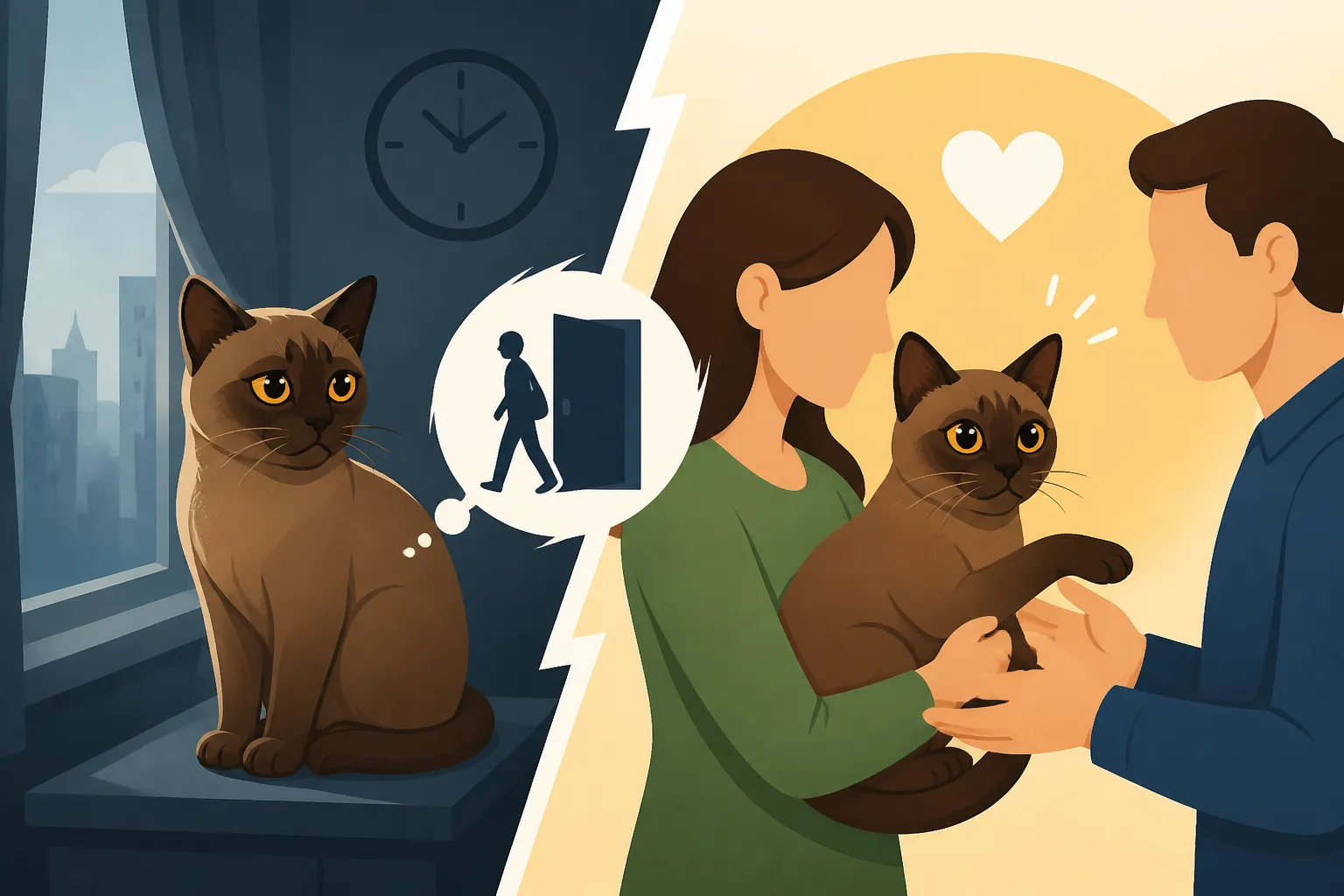
When the emotional and financial strain becomes too great, and owners feel they've exhausted all their options, the heartbreaking decision to rehome their beloved Burmese often arises. They might feel like failures, or that they aren't providing the cat with the life it deserves. This isn't a choice made lightly, but often out of desperation and a genuine belief that a different environment might be better for the cat.
They might look for homes where someone is always present, or where there's another cat for companionship. This painful parting is a direct consequence of misunderstanding the breed's needs and being unable to adapt their lifestyle to accommodate them. It's a sad ending for both the cat, who loses its familiar home, and the owner, who loses a cherished pet. This outcome is precisely Why a Burmese Left Alone All Day Ends Up Rehomed, and it's a testament to the profound impact that prolonged loneliness can have on this deeply social breed.
Preventing the Plight: Solutions for a Happy Burmese
The good news is that the challenges of a lonely Burmese are often preventable, or at least manageable, with the right understanding, commitment, and strategies. It all starts with recognizing their inherent needs and making informed choices about how to integrate them into your life.
The Power of Two: Why a Companion Cat is Often Essential
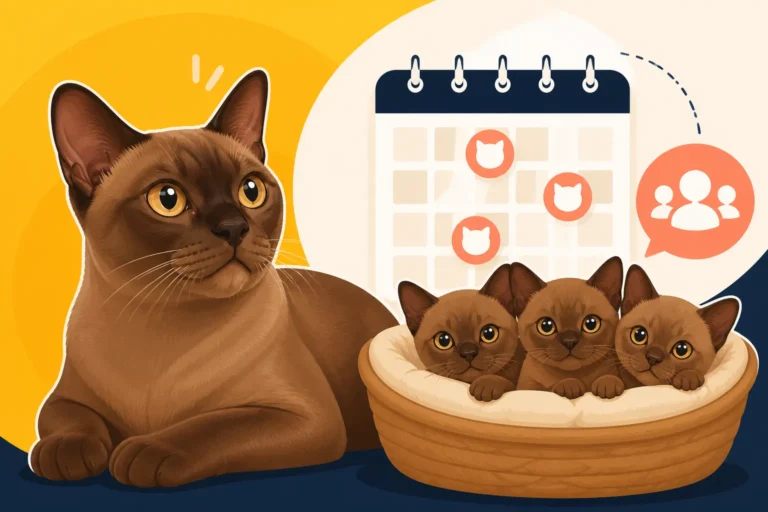
Perhaps the single most effective solution for a Burmese that would otherwise be left alone is to get them a companion. Burmese cats are incredibly social, not just with humans but with other cats too. Why Burmese Breeders Sell Them in Pairs isn't just a sales tactic; it's a recommendation rooted in deep understanding of the breed's social dynamics. A second cat provides constant company, mutual grooming, play, and a sense of security that no amount of human attention can replicate when you're absent.
The companion doesn't necessarily have to be another Burmese, though they often do best with a similarly playful and affectionate breed like a Siamese or a Tonkinese. What matters is that they have a friend to interact with during those long hours when you're at work. Why a Second Cat Fixes Most Burmese Problems is because it directly addresses the core issue of loneliness and understimulation. They can chase each other, wrestle, groom one another, and generally keep each other entertained, significantly reducing the chances of separation anxiety behaviors. This proactive step can save you countless headaches, vet bills, and emotional distress in the long run. Why a Burmese Owner Should Budget for Two Cats is not just about financial cost, but about providing the best possible environment for their well-being.
Thoughtful Enrichment: Keeping Minds and Bodies Busy
Even with a companion, or if a second cat isn't immediately feasible, thoughtful enrichment is absolutely critical for a Burmese. These intelligent cats need their brains and bodies exercised daily. Puzzle feeders, for example, can turn mealtime into a stimulating game, extending the eating process and engaging their minds. There are many options available, including those from Chewy, that cater to different levels of difficulty. Interactive toys, like those that move unpredictably or dispense treats, can also provide bursts of entertainment when you're not around.
Consider vertical space, too. Tall cat trees, shelves, or wall-mounted perches give them vantage points and opportunities to climb and explore. Rotating toys can also help – cats often get bored with the same toys, so putting some away and bringing them out periodically can make them feel new again. Even something as simple as leaving the television or radio on for ambient noise can sometimes help a Burmese feel less alone, tricking their sensitive ears into thinking there's company. What a Camera Catches a Lonely Burmese Doing can often provide insights into what type of enrichment might be most effective.
Lifestyle Adjustments: Adapting to Your Burmese's Needs
While we all have work and responsibilities, understanding a Burmese's needs might require some lifestyle adjustments. If you truly want a happy, well-adjusted Burmese, you need to honestly assess how many hours a day they will be left alone. How Many Hours Alone a Burmese Tolerates is generally very few – ideally, no more than 4-6 hours without significant interaction. If your work schedule involves 8-10 hour days, plus commute time, that's simply too long for a single Burmese, especially if they are highly bonded to you.
Perhaps you could arrange for a pet sitter to visit mid-day, or investigate flexible work arrangements if possible. Even dedicating specific, high-quality playtime before you leave and immediately upon your return can make a difference. These cats crave routine and attention. If you're a busy individual who travels frequently or works extremely long hours, honestly, a Burmese might not be the right fit unless you are committed to hiring regular, dedicated pet care. For those who are able to adapt, prioritizing that dedicated interaction time can truly make all the difference, making them feel What Settles a Burmese That Has Been Left Too Long.
Professional Help: When to Seek Expert Guidance
Sometimes, despite your best efforts, a Burmese's separation anxiety can be so deeply ingrained that it requires professional intervention. This is not a sign of failure, but a responsible step towards helping your cat. A qualified feline behaviorist or your veterinarian can offer tailored strategies, behavioral modification plans, and sometimes, even temporary medication to help break the cycle of anxiety. They can help you identify specific triggers and design a program to gradually acclimate your Burmese to your absences.
For instance, your vet might suggest specific diets or supplements designed to support nervous system health, or they might recommend short-term anti-anxiety medication to help your cat cope while you implement behavioral changes. Discussions around their diet, such as low-carbohydrate, high-protein options, could also be part of a holistic approach to their well-being, as good nutrition supports overall health and resilience to stress. Don't hesitate to reach out for help; these professionals have the expertise to guide you through challenging situations and help your Burmese regain its calm, happy self.
The decision to bring a Burmese into your home is a big one, and it comes with the responsibility to meet their profound need for companionship. Understanding why a Burmese left alone often ends up rehomed isn't about shaming owners, but about educating them. With forethought, commitment, and a willingness to adapt, you can provide a loving, stimulating environment where your Burmese can truly thrive, preventing a heartbreaking outcome for everyone involved.
| Feature / Scenario | Single Burmese Left Alone All Day | Pair of Burmese Left Alone All Day |
|---|---|---|
| Companionship | None during owner's absence | Constant mutual interaction, play, grooming |
| Separation Anxiety Risk | Very High, often leading to severe symptoms | Significantly Reduced, as they have each other |
| Destructive Behaviors | High likelihood (scratching, chewing, inappropriate elimination) | Lower likelihood, as energy is often directed towards each other |
| Overgrooming/Self-Mutilation | High risk due to stress | Reduced risk, less stress-induced behavior |
| Vocalization | Likely to yowl, cry, or howl persistently | Less likely to vocalize due to loneliness, more contented purrs |
| Vet Bills (Behavioral) | Potentially High for stress-related issues, GI upset, skin problems | Lower for behavioral issues, potentially higher for routine care of two cats |
| Property Damage Cost | Potentially High for repairs and cleaning | Lower, as their energy is redirected |
| Owner Stress/Guilt | High, constant worry and frustration | Significantly Lower, knowing they have company |
| Food & Litter Costs | Standard for one cat | Double that of one cat |
| Initial Purchase Cost | Cost of one kitten | Cost of two kittens (often discounted for pairs by breeders) |
| Overall Well-being | Often poor, chronic stress | Generally excellent, thriving, engaged |
Disclaimer
This article is for general informational purposes only and does not constitute professional advice. Laws, prices and regulations vary by location and change over time. Consult a qualified professional for guidance on your specific situation.