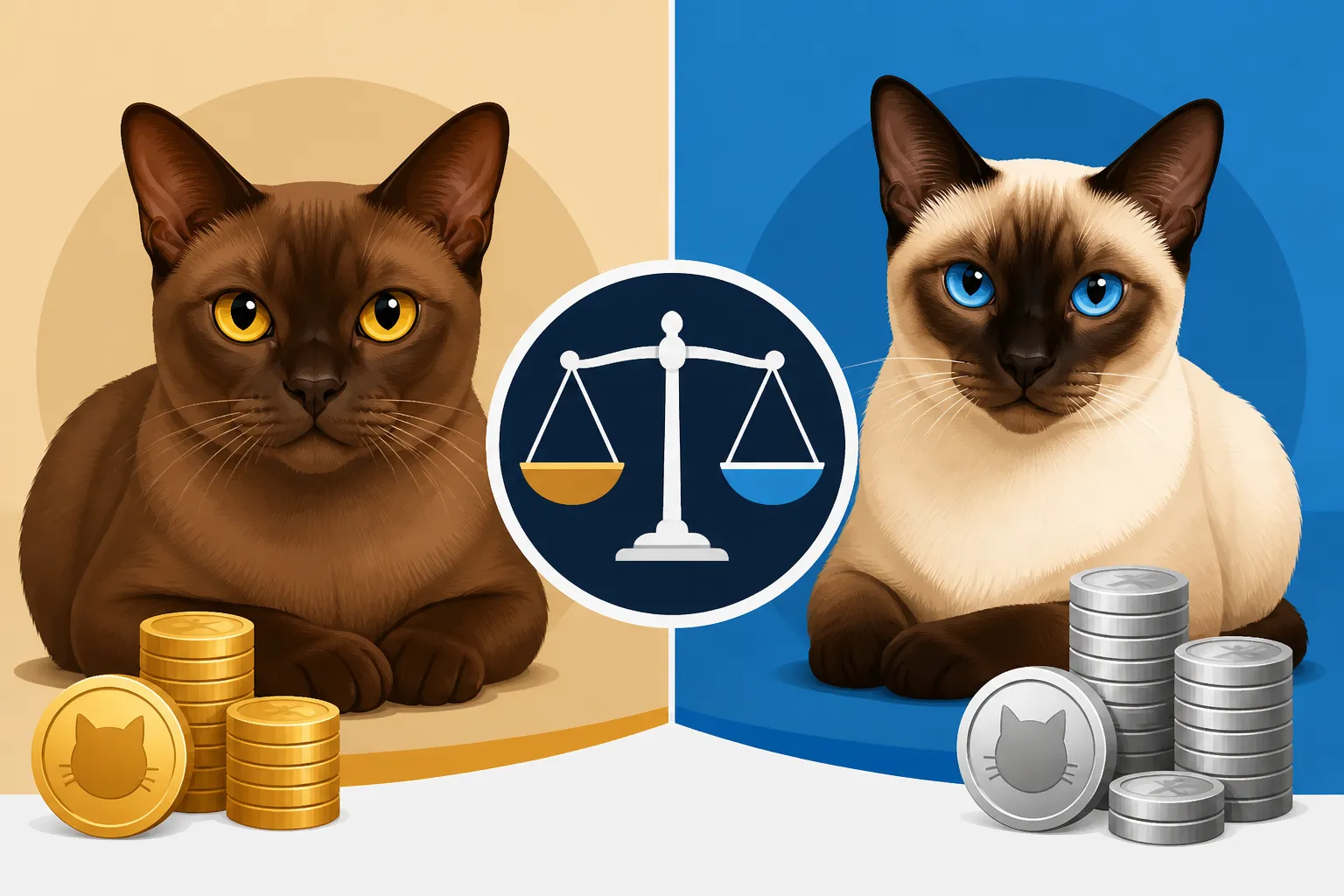
How Burmese Prices Compare to a Siamese’s
It’s an age-old question for anyone looking to bring a new feline friend into their home: "How much does a new cat really cost?" And when you’re looking at breeds as distinct and beloved as the Burmese and the Siamese, it’s only natural to wonder if their price tags reflect their personalities, their pedigrees, or something else entirely. Many assume that because both are "oriental" breeds with striking looks, their prices might be interchangeable, but you'd be surprised at the nuances. This guide will walk you through the real costs, both upfront and long-term, so you can make an informed decision and prepare for the unique journey of owning either of these wonderful cats.
Understanding the Factors Behind Cat Pricing
Before we even get into specific breeds, it’s important to understand that a cat's initial purchase price isn't just pulled out of thin air. There are numerous factors that go into what a reputable breeder charges for a kitten, and these apply whether you're looking at a Burmese, a Siamese, or any other well-bred feline. It’s not just about the cute little ball of fluff; it’s about the years of dedication, expense, and careful planning that went into bringing that kitten into the world healthy and well-adjusted.
Breeder Reputation and Health Testing
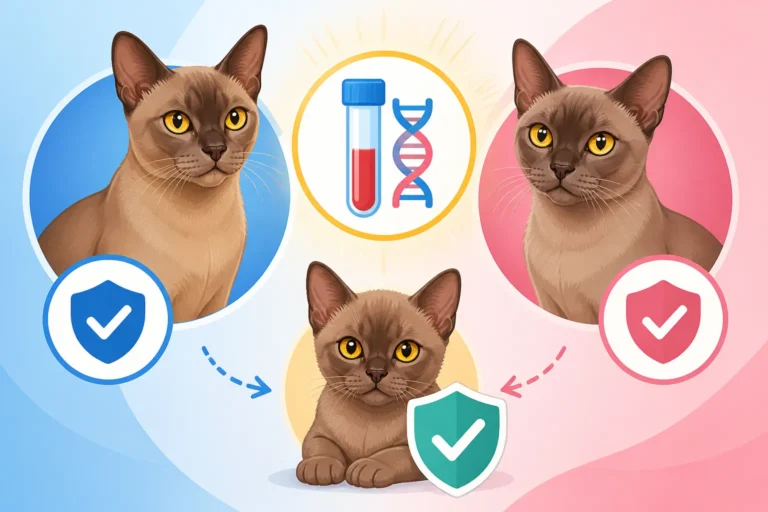
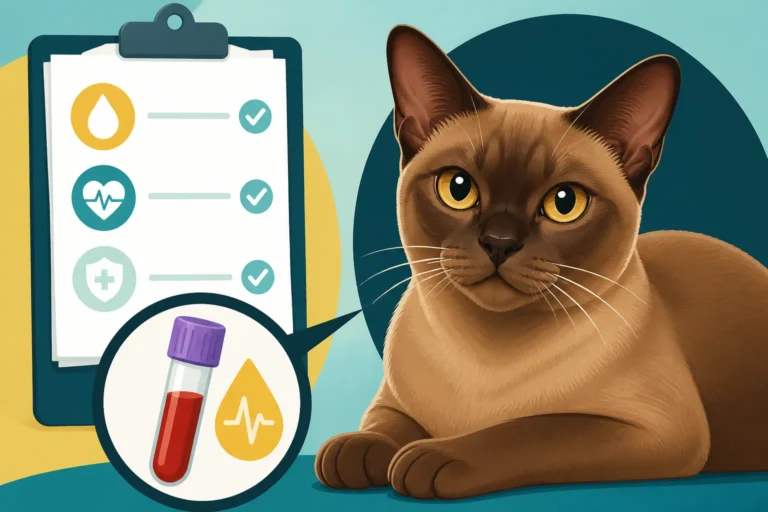
One of the biggest drivers of price is the reputation of the breeder and, critically, their commitment to health testing. A good breeder isn't just pairing two pretty cats; they are meticulously researching pedigrees, ensuring genetic diversity, and screening for inheritable diseases that can plague certain breeds. For a Burmese, this often means comprehensive DNA panels checking for conditions like Hypokalemia and the predisposition to diabetes, among others. These tests are not cheap, and they are performed on both parents before any mating even occurs. The cost of veterinary care, specialized diets for breeding queens, stud fees, and countless hours spent nurturing kittens all factor into the price.
Conversely, a "cheap" kitten often means a breeder has cut corners. This could mean skipping vital health screenings, leading to a kitten that may develop serious, expensive, and heartbreaking health issues later in life. Imagine bringing home a kitten only to discover a year later it has a condition that could have been avoided with proper testing. The initial savings quickly evaporate when faced with significant vet bills. Always ask for proof of parentage and health clearances. Which Tests Belong on a Burmese DNA Panel is a crucial piece of knowledge to have when speaking with any breeder.
Pedigree and Show Quality vs. Pet Quality
Another significant factor is whether the kitten is deemed "show quality" or "pet quality." A show-quality kitten has traits that closely adhere to the breed standard, making them suitable for competitive showing or a breeding program. These kittens are often the cream of the crop, selected for their perfect head shape, eye color, coat texture, and overall conformation. Naturally, they command a higher price due to their potential value in the show ring or for improving future generations of the breed.
Pet-quality kittens, on the other hand, are just as healthy, loving, and full of personality but might have a minor trait that disqualifies them from showing or breeding, such as an incorrect eye color shade or a small white spot where there shouldn't be one. These kittens are sold on spay/neuter contracts to ensure they live as beloved companions rather than being used for breeding. They are typically less expensive than their show-quality siblings but offer all the joy of the breed. For most families, a pet-quality kitten is exactly what they need, and their love is certainly not diminished by a slight deviation from a strict breed standard.
Location and Demand
Just like real estate, where you buy a cat can influence its price. Breeders in areas with high demand and fewer reputable catteries might charge more. Conversely, if there are many breeders in a particular region, competition might keep prices a little more level. The costs of living and veterinary services also vary geographically, and these operational expenses impact what a breeder needs to charge to sustain their program. Shipping or transporting a kitten across states or even internationally also adds considerably to the overall cost, including health certificates and specialized carriers.
Furthermore, certain colors or specific lineages might be more sought after, driving up their price. Some breeders have lines that consistently produce exceptional temperaments or particularly stunning examples of the breed, and demand for these kittens can lead to waiting lists and higher prices.
The Burmese Cat: A Deep Dive into Pricing
When considering a Burmese cat, you quickly learn that it's not a monolithic breed when it comes to pricing. The historical split in the breed has led to two distinct types, and this significantly impacts the initial cost.
American vs. European Burmese Price Differences
This is perhaps the biggest factor differentiating Burmese prices. There are two distinct types of Burmese cats: the American Burmese and the European Burmese. The American Burmese typically has a rounder head, shorter muzzle, and a slightly stockier build. The European Burmese has a more triangular head, a longer muzzle, and a somewhat more elegant, foreign body type. These differences arose due to separate breeding programs post-World War II.
Generally speaking, the How Much a Pet American Burmese Costs From a Breeder is usually less than that of its European counterpart. You might find an American Burmese kitten priced in a mid-range, whereas the How Much a Pet European Burmese Costs From a Breeder can often be significantly higher. Why a European Burmese Costs Twice an American One boils down to a few reasons, including the smaller gene pool of European Burmese in North America and the higher costs associated with importing new bloodlines to maintain genetic diversity. If you're looking for a European Burmese, you might find yourself on a longer waiting list or even needing to consider importing, which adds substantial travel and regulatory fees.
Color and Rarity in Burmese Pricing
While the Burmese is known for its "brown" coat (which we call Sable in North America), it comes in several beautiful colors, and some are rarer than others. The four core recognized colors in the American standard are Sable, Champagne (a warm beige), Blue (a lovely slate grey), and Platinum (a pale, almost lilac grey). In Europe, they recognize additional colors like Red and Cream, and tortie patterns.
While Sable is the most common and often the baseline price, Why Color Adds to a Burmese's Price is a real factor. Blue and Platinum kittens, for instance, might command a slightly higher price simply because those colors are less common in litters or are considered more desirable by some buyers. It's generally a subtle difference, but it's there. A good breeder will be transparent about their pricing structure for different colors.
The True Cost Beyond the Purchase Price
The sticker price for a Burmese kitten is just the beginning of your financial journey. These are social, active, and intelligent cats, but they also have some breed-specific health considerations that can add to their lifetime cost. A significant one is their predisposition to diabetes. The Why a Burmese Is Four Times More Likely to Become Diabetic is a sobering fact for prospective owners. This isn't just a concern for older cats; diet and lifestyle choices from kittenhood can impact this risk.
This means you need to budget for high-quality, low-carbohydrate food from day one. Brands available at retailers like Chewy often provide excellent options tailored to feline nutritional needs. What Low Carbohydrate Food Costs a Burmese Owner can be a bit more than generic kibble, but it’s an investment in your cat’s health. If a Burmese does become diabetic, the costs for insulin, syringes, and regular vet visits for glucose monitoring can be substantial. What Diabetes Costs a Burmese Owner a Year can run into significant figures, making insurance a wise consideration. Services like Healthy Paws can help offset these costs, but it’s essential to understand what is covered, especially for pre-existing conditions. Proactive care, as covered in Why Portion Control Is Medical Care in a Burmese, can significantly impact these long-term health expenses.
The Siamese Cat: Pricing Explained
The Siamese is one of the oldest and most recognizable cat breeds, known for its striking blue almond-shaped eyes, pointed coloration, and vocal nature. Like the Burmese, their price can vary based on several factors, but they too have their own breed-specific nuances.
Traditional vs. Modern Siamese Pricing
Just as with the Burmese, there's a distinction in the Siamese world between "traditional" and "modern" types. The "modern" or "show-style" Siamese often features an extremely slender, elongated body, a wedge-shaped head, and very large ears, adhering to the contemporary show standard. The "traditional" Siamese (sometimes called "applehead" or "old-style") has a rounder head, a more robust body, and a less extreme, more moderate appearance.
Neither is inherently "better," but preferences exist, and breeders specializing in one type might price their kittens differently. Generally, kittens bred to the specific, often more extreme, show standards for modern Siamese might carry a higher price tag. Breeders invest considerable time and effort into maintaining these distinctive lines and ensuring they meet rigorous breed standards.
Color Points and Demand
Siamese cats are famous for their "point" coloration, where the color is concentrated on the cooler parts of the body: ears, face mask, paws, and tail. The classic Seal Point (dark brown/black points) is widely recognized, but Siamese also come in Blue Point, Chocolate Point, and Lilac Point, among others. Rarer or less common point colors might sometimes influence the price, though not as dramatically as the American vs. European split in Burmese cats. Demand for a particular color point can fluctuate, but typically, a healthy, well-socialized kitten of any accepted Siamese color will be priced similarly within a reputable cattery.
Considering Long-Term Siamese Costs
Siamese cats are generally a robust and healthy breed, with a good lifespan of How Long a Burmese Lives. However, like all purebreds, they can have predispositions to certain health issues. Some lines may be prone to Progressive Retinal Atrophy (PRA), which affects vision, or certain forms of heart disease. Reputable breeders will screen for these conditions, and buying from one is your best defense against unexpected health challenges.
Siamese cats are incredibly active and intelligent, demanding a lot of mental and physical stimulation. This means budgeting for engaging toys, scratching posts, and potentially even cat trees to keep them entertained and out of mischief. They are also highly social creatures, much like the Burmese, and may suffer from separation anxiety if left alone for long periods. Why a Burmese Cannot Be Left Alone All Day applies equally to a Siamese, suggesting that a second cat might be a consideration, doubling your food and litter costs. Their vocal nature means you might also invest in soundproofing if you live in an apartment with thin walls and sensitive neighbors!
Direct Comparison: Burmese vs. Siamese Price Points
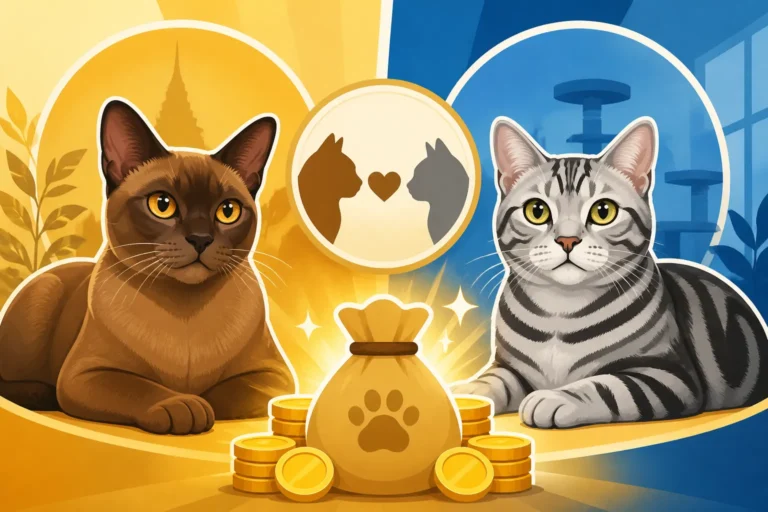
So, when it comes down to it, how do the initial and ongoing costs truly compare between these two captivating breeds? It's not always a straightforward answer, as both breeds have their unique financial considerations.
Initial Purchase Cost Comparison
At first glance, the initial purchase price from a reputable breeder for a pet-quality kitten can be quite similar for both American Burmese and traditional Siamese cats. You might find a range where both breeds overlap considerably. However, the European Burmese tends to sit at a higher price point than either the American Burmese or most Siamese.
Table: Estimated Cost Comparison (Pet Quality Kitten)
| Factor | American Burmese | European Burmese | Siamese |
|---|---|---|---|
| Initial Kitten Price | Mid-range | Higher range (often double American) | Mid-range |
| Distinct Types | American (rounder head) | European (more angular head) | Traditional (applehead) vs. Modern (wedge) |
| Color Impact | Subtle differences for Blue/Platinum | Subtle differences, broader color palette | Subtle differences for specific points |
| Demand Impact | Varies by region, generally steady | High demand, limited breeders in North America | High demand, well-established breed |
| Breeder Testing Focus | Diabetes, Hypokalemia, Craniofacial Defects | Hypokalemia, Diabetes | PRA, Heart Conditions (less common screening) |
| Complexity of Purchase | Relatively straightforward | May involve longer waits or import considerations | Relatively straightforward |
Note: Specific prices vary widely based on breeder, lineage, location, and the current market. Always contact breeders directly for their current pricing.
If your heart is set on a specific "look," like the very distinctive European Burmese, you should budget more for the initial acquisition. Otherwise, the base cost of a well-bred pet-quality kitten might not be the deciding factor between a Burmese and a Siamese.
Long-Term Ownership Cost Considerations
This is where the true cost of ownership often reveals itself. While a Siamese is generally a healthy breed, the Burmese carries a known, strong genetic predisposition to Type 2 diabetes. This isn't a guarantee your Burmese will get it, but it's a significant risk factor that influences lifetime expenses. How Many Burmese Become Diabetic in a Lifetime can be a surprising statistic for new owners.
If a Burmese develops diabetes, the ongoing costs of specialized low-carb food, insulin, syringes, and veterinary monitoring can be substantial. These aren't one-off expenses; they are daily, monthly, and yearly commitments. Why a Burmese's Food Bill Is a Health Decision underscores this. This is where pet insurance, like Healthy Paws, becomes almost essential for a Burmese owner, offering a financial safety net for chronic conditions. Without it, you could face hundreds, or even thousands, of dollars in vet bills annually, as detailed in What Diabetes Costs a Burmese Owner a Year.
Both breeds are highly intelligent and social. Why a Burmese Breeder Recommends Buying a Pair is often echoed by Siamese breeders for similar reasons – to prevent loneliness and destructive behaviors. If you opt for two cats to keep each other company, remember that doubles your food, litter, and routine vet costs, although the emotional well-being of your cats might make it worth every penny. For everyday supplies, retailers like Chewy make it easy to manage recurring orders for food, litter, and toys.
Why the "Cheaper" Cat Might Cost More
It's a common trap: thinking you've saved money by purchasing a kitten from an advertisement or a backyard breeder for a significantly lower price. While the initial outlay might be less, this "saving" can quickly become a significant financial burden. Kittens from unvetted sources are far more likely to come with hidden health issues, lack proper socialization, or carry genetic predispositions that responsible breeders screen for.
For instance, a Burmese kitten bought without proper health clearances might develop Hypokalemia, a muscle weakness condition, or, more commonly, diabetes early in life. A Siamese kitten from unknown parentage might develop heart issues or behavioral problems due to poor socialization. These problems translate directly into unexpected veterinary bills, specialized care, and potentially behavioral training, which can dwarf the initial savings.
Choosing a reputable breeder who offers health guarantees, provides full health screening documentation for the parents (and often the kittens), and prioritizes early socialization, means you are investing in a healthy, well-adjusted companion. While the upfront cost is higher, the long-term emotional and financial costs are often much lower. How Many Years a Well Bred Burmese Lives speaks to the value of choosing quality from the outset.
Disclaimer
This article is for general informational purposes only and does not constitute professional advice. Laws, prices and regulations vary by location and change over time. Consult a qualified professional for guidance on your specific situation.