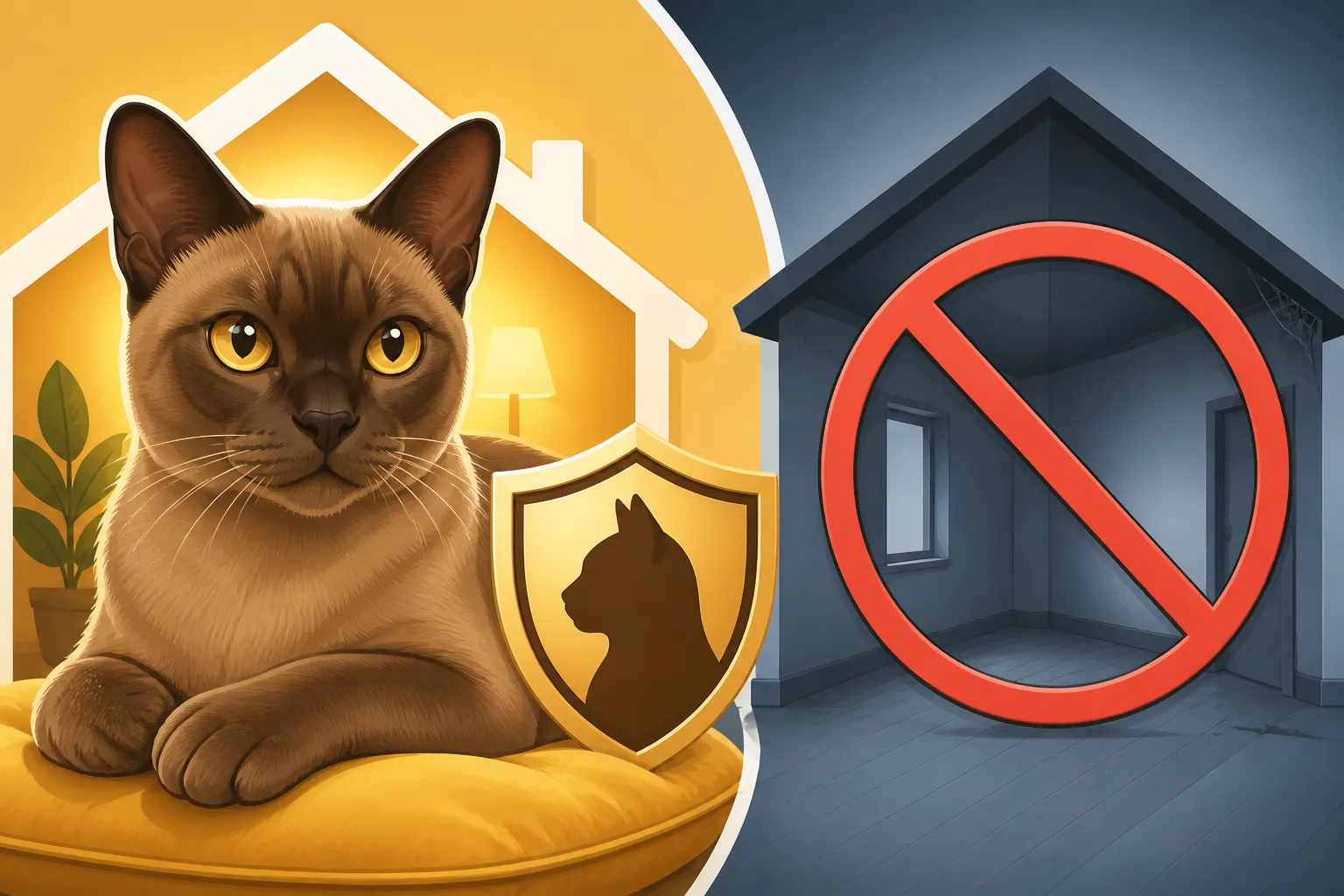
Why a Burmese Contract Restricts Selling to Empty Houses
It’s a common scenario: you’re absolutely smitten with the idea of bringing a charming Burmese cat into your life, but your daily routine often sees you out of the house for a significant chunk of time. Then, you read through a potential breeder's contract and see a clause that raises an eyebrow: restrictions on selling to "empty houses." This isn't just a quirky breeder preference; it's a deeply rooted understanding of the Burmese cat's unique and profound need for companionship. This guide will unpack why these clauses exist, revealing the very real consequences for a Burmese left alone and what you can do to ensure a happy, healthy life for this exceptionally social breed.
The Burmese: A Cat That Craves Constant Company
If you've ever spent time with a Burmese, you know they're not your typical aloof feline. These cats are known for their incredibly affectionate and interactive personalities, traits that make them utterly endearing but also quite demanding of human (or animal) presence. Their need for connection is so strong that it profoundly impacts their well-being, making solitude a source of genuine distress rather than a welcome break.
More Like a Dog Than a Cat
It’s often said that the Burmese is a "dog in a cat's body," and there's a lot of truth to that. Unlike some cat breeds that are perfectly content to observe their human companions from a distance, Burmese cats want to be involved. They'll follow you from room to room, supervising your chores, joining you on the couch for every TV show, and even attempting to "help" with your work. This constant presence isn't just a cute quirk; it’s a fundamental part of their social structure. They thrive on interaction, responding to their names, learning simple tricks, and showing a devotion that many dog owners would recognize. If you’re looking for an independent cat, the Burmese might surprise you with its insistence on being part of your every moment.
The Velcro Cat Phenomenon
The term "Velcro cat" was practically coined for the Burmese. They don't just want to be in the same room as you; they want to be on you. Whether it’s draped across your shoulders, nestled in your lap, or tucked under the covers next to you at night, physical closeness is their love language. This isn't occasional affection; it's a consistent, almost gravitational pull towards their beloved humans. They push their faces into your palm, purr with a deep, rasping rumble, and seek out body heat. This constant need for physical contact means that if their primary source of warmth and comfort—you—isn't around, they feel a significant void. It's not just a preference; it's a deep-seated behavioral characteristic that drives their happiness. The Burmese Is the Velcro Cat of the Cat Fancy explores this attachment in more detail.
A Voice Designed for Conversation
While not as famously loud as a Siamese, the Burmese certainly has a voice and isn't shy about using it. They possess a distinctive, raspy rumble or a soft, cooing murmur that they employ to communicate their needs, desires, and opinions. This isn't incessant yowling, but rather a constant stream of conversational sounds that are deeply woven into their daily interactions. They'll "talk" to you when you enter a room, when they're hungry, or simply when they want attention. For a Burmese, silence isn't golden; it’s unsettling. When left alone, the lack of a responsive human to engage with can be incredibly isolating, depriving them of one of their primary modes of expression and connection.
The Serious Repercussions of Solitude for a Burmese
Understanding the Burmese's need for companionship makes it easier to grasp why solitude isn't just "boring" for them, but genuinely harmful. Leaving a Burmese alone for extended periods can lead to a cascade of behavioral and health problems that are heartbreaking for both the cat and its owner.
The Unmistakable Signs of Separation Anxiety
When a Burmese is left alone for too long, they often develop separation anxiety. This isn't just them missing you; it's a profound distress response. The signs can be varied and often destructive. Imagine coming home to find your carefully chosen furniture shredded, your houseplants systematically dismantled, or even signs of inappropriate urination or defecation outside the litter box. These aren't acts of spite; they are desperate cries for help. Anxious Burmese might also engage in self-soothing behaviors that become problematic, such as excessive grooming to the point of pulling out their own fur, creating bald patches on their sleek coats. What Separation Anxiety Looks Like in a Burmese provides a deeper dive into these behaviors. In extreme cases, they might refuse to eat or drink when alone, which can lead to serious health issues like fatty liver disease.
Physical and Emotional Tolls
Chronic stress, whether from loneliness or anxiety, takes a severe toll on a Burmese cat's overall health. Just like humans, cats under constant emotional strain can experience a weakened immune system, making them more susceptible to illnesses. They might lose their appetite, leading to weight loss, or conversely, eat out of anxiety, leading to unhealthy weight gain which can exacerbate other breed-specific conditions like diabetes. A Burmese that stops following you around or seems withdrawn when you are home is often a clear indicator that something is deeply wrong. Why a Burmese's Appetite Goes When It Is Unhappy illustrates how closely their emotional state is tied to their physical well-being. These issues can lead to significant vet bills, making it even more important to get ahead of the problem. Many owners find that pet insurance, like plans from Healthy Paws, is a lifesaver when unexpected health issues arise, but preventing the issues in the first place is always the best approach.
Why a "Lived-In" House is Different from an "Empty" One
It's crucial to distinguish between a house that is temporarily quiet and one that truly feels "empty" to a Burmese. An occasional few hours of solitude while you run errands is generally manageable, especially if they have another cat companion or a very busy, engaging environment. However, a house where humans are regularly gone for 8-10+ hours a day, five days a week, is an entirely different story. For a Burmese, an empty house means no laps to sit on, no conversations to be had, no shoulder to ride. It’s a prolonged absence of the very interactions that define their happiness and sense of security. A cat that experiences this regularly is far more likely to develop severe anxiety and behavioral problems. Breeders understand this profound difference, which is why their contracts reflect it. Why a Burmese Cannot Be Left Alone All Day emphasizes this breed characteristic.
What a Responsible Breeder Understands and Protects Against
Responsible breeders are passionate advocates for their chosen breed. They invest countless hours, resources, and emotional energy into producing healthy, well-socialized kittens. For them, selling a kitten isn't just a transaction; it's placing a beloved family member into a new home for its entire life.
More Than Just a Sale: Ensuring a Lifetime of Happiness
A good Burmese breeder isn't just focused on finding any home for their kittens; they're looking for the right home. This means a home that understands and can meet the specific needs of the Burmese breed. They know the genetic predispositions to certain health issues, the dietary requirements for preventing conditions like diabetes, and, crucially, the deep social needs that define the Burmese personality. Their goal is to ensure each kitten thrives, not just survives. This long-term commitment is why they often have extensive questionnaires and interviews for potential owners. They want to avoid scenarios where a beloved kitten ends up stressed, unhealthy, or, worst-case, rehomed due to behavioral issues stemming from unmet social needs. This foresight protects the cat, the owner, and the reputation of the breed.
The Contract as a Pledge
A breeder's contract is much more than just a legal document; it's a pledge and a safeguard. The clauses within it, including those restricting sales to “empty houses,” are designed to protect the kitten. These aren't arbitrary rules but are born from years of experience and a deep understanding of the breed. A contract might stipulate that the kitten must have companionship, either human or feline, for a certain percentage of the day. It might even include clauses about not allowing the cat to roam outdoors unsupervised, given their trusting nature, or specify dietary requirements crucial for their long-term health, perhaps recommending a low-carbohydrate diet to help mitigate diabetes risk. Why a Burmese Contract Bans Crossing the Two Types shows how specific these documents can be for breed integrity, and social needs are just as vital.
Here's a simplified look at what a responsible breeder considers:
| Factor | Breeder's Ideal Home | Breeder's Concern (Empty House) |
|---|---|---|
| Daily Companionship | Multiple humans, another compatible pet, flexible work | Single person, long working hours, no other pets |
| Interaction Level | Active play, cuddling, conversation, daily enrichment | Minimal direct interaction, left to entertain itself |
| Mental Stimulation | Puzzle toys, training, new experiences, varied environment | Repetitive environment, lack of novelty, boredom |
| Emotional Support | Consistent presence, quick response to distress | Prolonged periods of emotional isolation |
| Monitoring Health | Regular observation of eating, drinking, behavior | Subtle changes in health or mood go unnoticed for hours |
Screening Potential Homes
When you speak to a reputable Burmese breeder, be prepared for a thorough vetting process. They will likely ask about your work schedule, how many people are in your household, and whether you have other pets. Why a Burmese Breeder Asks How Long You Work highlights this specific inquiry. They're not being nosy; they're trying to determine if your home environment aligns with the Burmese's intense social requirements. They might ask for references, perform home visits (or video tours), and be very transparent about the breed's needs. If a breeder doesn't ask these questions, it's a significant red flag, as they may not be prioritizing the welfare of their kittens. Their commitment extends beyond the sale, often including lifetime support and a stipulation that if you can no longer care for the cat, it must be returned to them.
Building a Thriving Home for Your Social Burmese
So, what if you're out of the house for part of the day, but you're still determined to provide a loving home for a Burmese? It's absolutely possible, but it requires conscious effort and sometimes, a little adjustment to your expectations.
The Power of a Pair: Why Two Burmese Are Better Than One
This is arguably the most common and effective solution for preventing loneliness in a Burmese. A second cat, especially another Burmese, can provide the constant companionship, play, and mutual grooming that fills the void when humans are away. Burmese cats are famously gregarious and often prefer the company of other felines to solitude. Many breeders even strongly recommend or insist on selling kittens in pairs, precisely because they understand this innate need. Having another cat to chase, wrestle with, and nap alongside can dramatically reduce anxiety and behavioral problems. Why Burmese Breeders Sell Them in Pairs is a testament to this widely accepted practice. Trust me, the joy of watching two Burmese interact is unparalleled, and the peace of mind knowing they're not lonely is priceless. Why Two Burmese Cost Less Than One Anxious One explains how this small investment upfront can save you significant trouble and expense down the line.
Enrichment is Non-Negotiable
Even with a companion, a Burmese still needs an enriched environment to prevent boredom and stimulate their intelligent minds. This means providing plenty of vertical space for climbing, robust scratching posts, and a rotating selection of interactive toys. Puzzle feeders, which require them to work for their food, are excellent for mental stimulation and can also help slow down their eating, which is beneficial given the breed's predisposition to weight gain and diabetes. Look for high-quality puzzle feeders at retailers like Chewy. Regular, dedicated play sessions with you are also vital. Use wand toys that mimic prey to engage their hunting instincts and keep them physically active. Even simple things like leaving on a "cat TV" channel or setting up a bird feeder outside a window can provide some passive entertainment.
Adapting Your Lifestyle to Their Needs
While a second cat is a fantastic solution, your direct involvement remains crucial. If you work from home, even partially, it's a huge bonus for a Burmese. If you're out for long hours, consider hiring a reliable pet sitter to come in once or twice a day for playtime and attention. This isn't just for cleaning litter boxes or topping up food; it's about providing that vital human interaction. You might also need to adjust your personal routine to ensure you dedicate quality time to your Burmese when you are home. This means regular play, cuddling, and simply being present. Remember, the commitment to a Burmese is a long-term one; they can live The Sixteen to Eighteen Years a Well Bred Burmese Gets, and their need for companionship doesn't wane with age. Investing in their social and emotional well-being upfront means a happier, healthier cat for many years to come.
Disclaimer
This article is for general informational purposes only and does not constitute professional advice. Laws, prices and regulations vary by location and change over time. Consult a qualified professional for guidance on your specific situation.