What to Do If a Burmese Breeder Will Not Show the Swab
Bringing a new Burmese kitten into your life is an incredibly exciting time, full of dreams of cuddles, purrs, and playful antics. But it can quickly turn into a nightmare if you discover your beloved furball is suffering from a preventable genetic condition. When a breeder is hesitant or outright refuses to show you proof of genetic testing, especially for something as serious as hypokalemia, it’s a massive red flag that warrants your immediate attention. This guide will walk you through why these tests are non-negotiable for Burmese, what evasiveness from a breeder truly means, and the critical steps you need to take to protect yourself and your potential new family member.
The Absolute Necessity of Genetic Testing for Burmese Cats
Let's be real: when you're shelling out good money for a purebred kitten, you're not just buying a cute face; you're investing in health, temperament, and a long, happy future together. For Burmese cats, this means getting serious about genetic health testing. It's not just a nice-to-have; it's a must-have, especially when it comes to a debilitating condition called hypokalemia.
What is Hypokalemia and Why It Matters
Hypokalemia, also known as Burmese Hypokalemic Polymyopathy, is a nasty inherited muscle weakness that can affect Burmese cats. Imagine your sweet, energetic kitten suddenly struggling to lift its head, walk stiffly, or even collapsing due to muscle weakness. It's heartbreaking to witness and can be incredibly frightening for both you and your cat. This isn't just a mild inconvenience; severe episodes can be life-threatening if not managed properly. The condition is caused by a specific genetic mutation that affects the cat's ability to regulate potassium levels in their blood, which is crucial for proper muscle function. What the WNK4 Mutation Does in a Burmese explains the science behind it.
Symptoms can show up as early as two months of age, usually during periods of stress, excitement, or even just after intense play. You might notice your kitten walking with a stiff, high-stepping gait, or displaying a peculiar "meerkat" posture, sitting up on its haunches because its neck muscles are too weak to hold its head high. How Hypokalemia First Shows in a Burmese Kitten delves into these early warning signs. While episodes can often be managed with potassium supplementation, the thought of your kitten suffering from such a condition is truly terrifying.
The Breeder's Ethical Imperative
Any reputable Burmese breeder should be able to provide clear evidence that their breeding cats have been tested for genetic conditions like hypokalemia. This isn't just a nicety; it's a fundamental part of ethical breeding. They are responsible for ensuring they are not knowingly passing on genetic defects to future generations. Breeders who genuinely care about the welfare of their cats and the future of the breed understand this deeply. They invest in these tests, and they are transparent about the results. It’s part of their commitment to you and to the cats they bring into the world.
The hypokalemia test is a simple DNA test, usually performed via a cheek swab. Why a Burmese Cheek Swab Is Enough explains how straightforward this process is. The results clearly state if a cat is "clear" (no mutation), a "carrier" (one copy of the mutation, but usually unaffected themselves), or "affected" (two copies of the mutation, and will develop the disease). Responsible breeders will never breed two carriers together, as this carries a 25% risk of producing affected kittens. They use these results to make informed breeding decisions, ensuring that kittens are born healthy and clear of the condition. How the Burmese Hypokalemia Test Is Read provides more detail on understanding these results.
Spotting Red Flags When a Breeder Is Reluctant
When you're dealing with a breeder who won't show you genetic test results, it’s a massive cause for concern. It's not just an oversight; it often points to a deeper issue. Your instincts are probably screaming at you, and you should listen.
Common Excuses and Why They're Unacceptable
You might hear a whole slew of excuses when you press for test results. A common one is, "My lines have never had hypokalemia, so I don't test." This is incredibly dangerous. Genetic mutations can lie dormant for generations, and without testing, there's no way to know for sure if a cat is a carrier. It’s a bit like saying, "No one in my family has ever been sick, so I don't need to go to the doctor." Genes are tricky, and relying on anecdotal history alone is irresponsible.
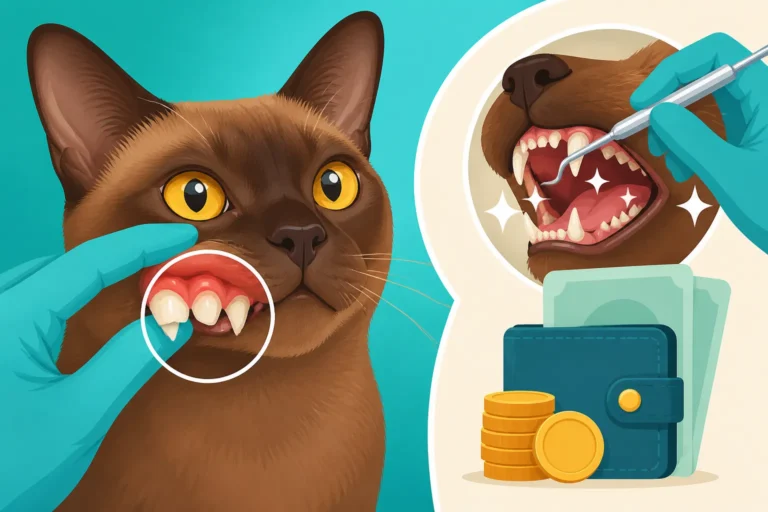
Another excuse might be, "The test is too expensive." This is simply not true. Compared to the cost of a purebred kitten, and certainly compared to the potential vet bills for an affected cat, the genetic test is a minor expense. What the Burmese Hypokalemia Test Costs shows it’s a relatively small investment for peace of mind. Breeders who claim cost is an issue might be cutting corners elsewhere, too. If they're unwilling to invest in basic health screening, what else are they skimping on? Are they providing proper nutrition? Are their cats living in clean, stimulating environments?
Finally, some might say, "My vet says it's not necessary," or "I don't believe in those tests." These are huge red flags. Veterinary science overwhelmingly supports genetic screening for inherited diseases in purebred animals. A breeder dismissing scientific evidence is a breeder you should be wary of. They're prioritizing their convenience or denial over the health of their animals and the families who will adopt them.
The Real Impact of Untested Litters
Choosing a kitten from untested parents is like playing Russian roulette with your heart and your wallet. If you end up with an affected kitten, you're looking at a lifetime of potential challenges. Vet visits, medications, and the emotional toll of watching your beloved pet suffer can be immense. Even if you're lucky and your kitten is only a carrier, you won't know unless you test them, and if you ever decide to breed, you'd be perpetuating the problem.
Beyond the individual kitten, a breeder who doesn't test is harming the entire Burmese breed. By not screening and making informed breeding decisions, they contribute to a larger pool of carriers and affected cats, undermining the hard work of ethical breeders who strive to improve breed health. Why a Cheap Burmese Skipped the Hypokalemia Test really highlights the potential consequences of prioritizing price over proper screening. This is also why reputable breeders provide comprehensive guarantees that specifically address genetic health issues. Why a Burmese Guarantee Mentions Hypokalemia outlines what you should expect in such a guarantee.
Practical Steps When a Breeder Resists
So, you've found a breeder, fallen in love with a picture, but they're stonewalling on the genetic tests. What now? It’s tough, but you need to advocate for your future cat.
Polite Persistence and Clear Communication
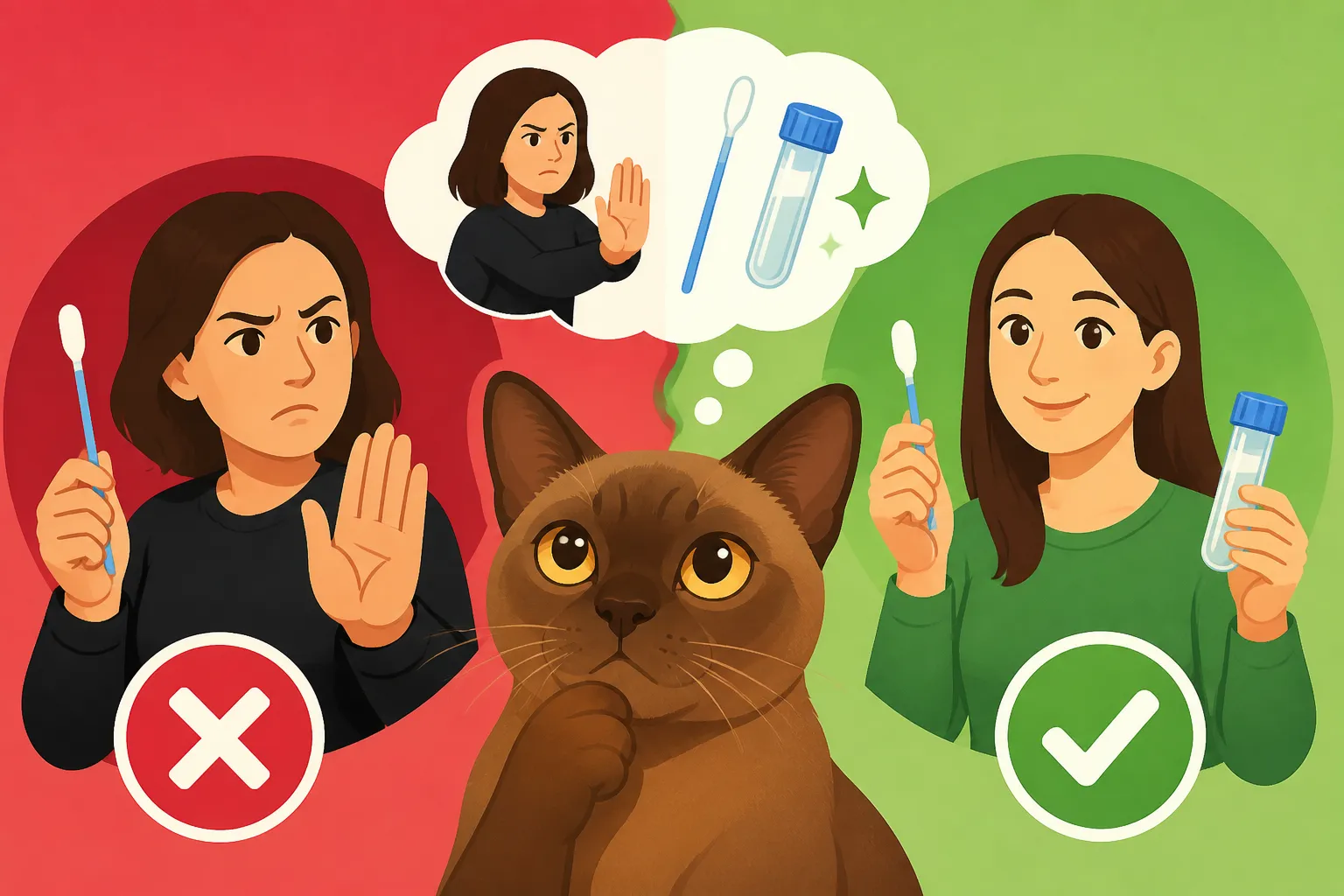
Your first step is always to communicate clearly and calmly. Don't be accusatory, but be firm. Explain that you understand the intricacies of breeding and that, as a responsible pet owner, you require assurance of the kitten’s genetic health. A simple, direct approach can often work if the breeder is merely disorganized or forgetful.
You might say something like, "I'm so excited about the possibility of bringing one of your beautiful Burmese kittens home! Before I make a final decision, could you please provide me with the specific hypokalemia genetic test results for both the sire and dam? I understand ethical breeding involves these checks, and it's important for my peace of mind and the kitten's long-term health." Emphasize that you're prioritizing the kitten's welfare. Transparency about these results should be a given. Why Hypokalemia Results Belong on a Burmese's Paperwork underscores the importance of this documentation.
Offering to Cover the Test Cost
While ethical breeders budget for these tests, if a breeder genuinely seems hesitant due to perceived cost (which is still a red flag in itself), you could offer to pay for the test. This might seem counterintuitive, but if it secures the health information you need, it might be a worthwhile investment. However, be cautious. This should be a last resort, and you should insist on having the test performed by an independent, reputable laboratory, with results sent directly to you or your veterinarian. This prevents any potential for fraudulent documentation.
The Difficult Decision: Walking Away
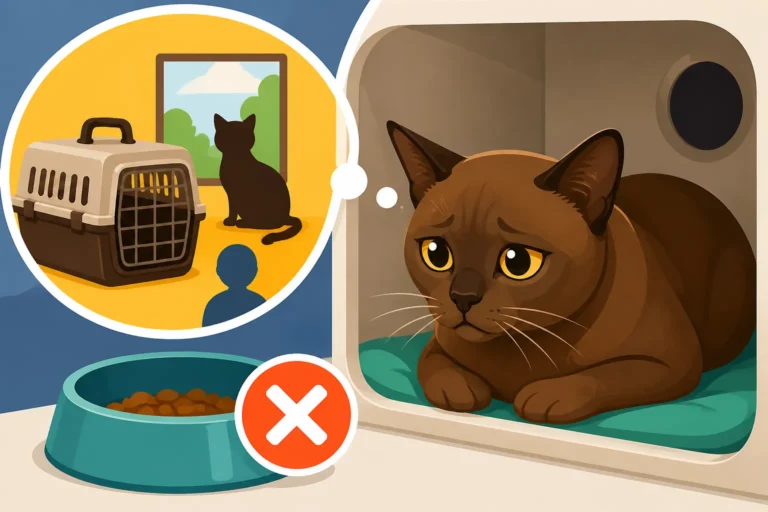
This is the hardest part, but it's often the most important. If a breeder continues to refuse, makes endless excuses, or becomes defensive and uncooperative, it’s a clear signal to walk away. No matter how adorable the kitten is, or how much you’ve invested emotionally, putting yourself in a situation where you might bring home a genetically compromised cat is a risk you simply shouldn't take. There are other ethical breeders out there who will be transparent and proud to show you their health certifications.
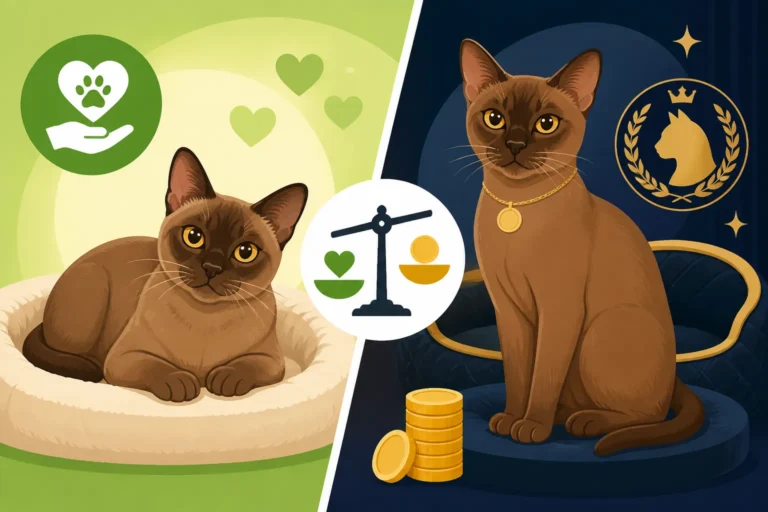
Consider the long-term costs. Caring for a cat with a chronic genetic condition can be incredibly expensive. Veterinary care, specialized diets, and medications add up quickly. Even with pet insurance like Healthy Paws, pre-existing conditions (which genetic conditions often are if not disclosed or screened for) are typically excluded from coverage. It's far better to pay a bit more for a kitten from a thoroughly tested line than to face astronomical bills and heartache down the road. This isn't just about money; it's about the emotional toll.
Exploring Rescue Options
If you’re truly struggling to find a transparent breeder, consider a rescue. While rescue cats often come with unknown histories, many rescue organizations will perform basic health checks, and some may even do genetic testing if the breed is known. A rescued Burmese might still need a hypokalemia test, but at least you'd be going into it with your eyes open, and you'd be giving a deserving cat a loving home. Why a Rescue Burmese Should Still Be Tested explains why this is a good idea. Plus, a rescue fee is generally a fraction of a breeder's price, giving you more budget for potential health investigations.
What Clear Documentation Truly Looks Like
When a breeder provides the genetic test results, it should be clear, unambiguous, and from a recognized veterinary laboratory. This isn't just a scribble on a piece of paper; it's official documentation.
Dissecting the Test Results
You're looking for official paperwork from a reputable genetics lab. Names like Optimal Selection or Wisdom Panel are commonly used by breeders for comprehensive genetic screening. The document should clearly state the cat's registered name, its microchip number (if applicable), and the specific genetic test performed (e.g., "Burmese Hypokalemia (WNK4 mutation)"). Most importantly, it will show the result:
| Result Status | Interpretation | Breeding Advice for Hypokalemia |
|---|---|---|
| Clear | The cat does not carry the WNK4 mutation and will not develop hypokalemia. | Can be bred to any other cat. |
| Carrier | The cat carries one copy of the WNK4 mutation but is clinically healthy. | Should only be bred to a clear cat. |
| Affected | The cat carries two copies of the WNK4 mutation and will develop hypokalemia. | Should not be bred. |
You need to see results for both parents of the litter. If one parent is a carrier, the other parent absolutely must be clear to ensure no kittens are affected. How to Read a Burmese Hypokalemia Carrier Result goes into detail about interpreting these results. Don't accept partial results or verbal assurances. The paper trail is crucial. You can even contact the testing lab directly to verify the authenticity of the results if you have any doubts. How to Check a Burmese's Hypokalemia Certificate offers further guidance here.
The Mark of an Ethical Breeder
An ethical breeder will not only show you the test results but will also happily discuss them with you. They will explain what "carrier" means, how they make breeding decisions based on results, and what they do to ensure the health of their lines. They see these tests as part of their commitment to the breed and to you. They'll likely also have performed other important tests, such as those for GM2 Gangliosidosis, which is another serious condition that can affect Burmese. Which Tests Belong on a Burmese DNA Panel details the full range of screenings to expect.
They understand that transparency builds trust, and trust is fundamental to a positive adoption experience. When a breeder goes above and beyond to provide you with all the necessary health documentation, educates you on the breed's specific needs, and answers all your questions patiently, you know you're dealing with someone who genuinely cares. This dedication extends to how they raise their kittens, too, ensuring they're well-socialized and ready for their new homes. They might even recommend specific high-protein, low-carbohydrate foods to help manage the breed's predisposition to diabetes, demonstrating a holistic approach to health.
Ultimately, the decision of whether to proceed with a breeder who won't show you genetic test results lies with you. But armed with this knowledge, you can make an informed choice that prioritizes the health and well-being of your future Burmese cat. It might mean a longer search, but the peace of mind knowing you've done your due diligence is absolutely priceless.
Disclaimer
This article is for general informational purposes only and does not constitute professional advice. Laws, prices and regulations vary by location and change over time. Consult a qualified professional for guidance on your specific situation.