Why a Burmese’s Annual Visit Includes a Glucose Reading
It’s a truth many Burmese cat owners grapple with: the sheer joy and affection these "lap dogs" bring into our lives, tempered by a quiet, underlying worry about their breed-specific health challenges. One of the most significant, and frankly, terrifying, is diabetes. You might wonder why your vet insists on that annual glucose reading, even when your beloved Burmese seems perfectly fine. This guide is here to shed light on why this routine check isn't just a suggestion, but a crucial step in safeguarding your Burmese's health and catching potential issues long before they become life-threatening.
The Alarming Truth: Why Burmese Cats Face a Higher Diabetes Risk
Let's be brutally honest: owning a Burmese means coming face to face with a higher risk of certain conditions, and diabetes sits right at the top of that list. It's not about how well you care for your cat, though that certainly plays a role, but about their unique genetic blueprint. This isn't just hearsay among breeders; it's a well-documented genetic predisposition that sets them apart from many other feline breeds.
Why Burmese Cats Are Genetically Predisposed
The sad reality is that the Burmese breed, particularly lines found in Australia and Europe, carries a genetic predisposition to Type 2 diabetes that is significantly higher than the general cat population. We're not talking about a slight increase; studies have indicated that a Burmese can be How Much Higher the Burmese Diabetes Rate Really Is compared to your average moggie. This genetic factor means that even with the most diligent care, a Burmese is fighting an uphill battle against insulin resistance from birth. It’s a bit like a human family history of a certain illness – you can take all the precautions, but the underlying vulnerability is still there.
This predisposition means their bodies are simply less efficient at processing glucose, making them more susceptible to the pancreas becoming overworked and eventually failing to produce enough insulin, or their cells becoming resistant to the insulin produced. It's a cruel twist of genetics for such a wonderfully robust and active breed. Understanding this inherent vulnerability is the first step toward proactive health management.
Age and Weight: Major Contributing Factors
While genetics lay the groundwork, age and weight act as powerful accelerants. As our beloved Burmese darlings mature, their metabolism naturally slows down, and their bodies become less efficient at maintaining stable blood sugar levels. This is why many vets recommend starting regular glucose monitoring even before a Burmese shows any obvious signs of illness, often around the age of seven years, as detailed in Why a Burmese's Glucose Should Be Checked From Seven. It's about being ahead of the curve, not playing catch-up.
But perhaps the most significant modifiable risk factor is weight. Even a few extra pounds on a Burmese, who are naturally muscular and can easily be mistaken for being heavier than they are, dramatically increases their diabetes risk. This isn't just about aesthetics; it's about the physiological burden that excess fat places on their already predisposed metabolic system. Why Weight Is the Only Lever a Burmese Owner Has to really impact their diabetes risk, which is a powerful, if sometimes frustrating, truth for owners. It means every treat, every meal, and every lazy afternoon spent on the couch instead of playing, carries a bit more weight (pun intended) for a Burmese.
The Annual Glucose Check: Your First Line of Defense
Given the breed's particular vulnerability, that yearly vet visit isn't just for booster shots and a quick check-up; it's an essential screening opportunity. The glucose reading taken during this visit is more than just a number; it's a vital piece of the puzzle that helps your vet monitor your Burmese's metabolic health over time.
Catching Early Warning Signs You Might Miss
One of the trickiest things about diabetes in cats is how subtle the early signs can be. Your Burmese is an expert at hiding discomfort, often purring through pain or masking changes in behavior with their usual affectionate demands for attention. You might notice they're drinking a little more, or perhaps they're a bit hungrier than usual, but dismiss it as normal cat behavior or a growth spurt. However, Which Signs Come First in a Diabetic Burmese are often quite subtle, and an annual glucose test can pick up on elevated levels before these outward signs become undeniable.
A slightly elevated glucose reading on an annual check might be the first, crucial red flag that prompts your vet to look closer, even if your cat appears completely normal at home. Without this routine screening, many Burmese cats would already be quite advanced in their disease before an owner recognized something was truly wrong. This proactive approach allows for intervention at a stage where management is often simpler and more effective, potentially even leading to remission.
The Difference Between a Baseline and a Diagnostic Test
During your Burmese's annual check, the vet will likely perform a simple blood glucose test. This gives a snapshot of your cat's blood sugar at that moment. For many, it will be within a normal range, establishing a healthy baseline. However, if the reading is elevated, it doesn't automatically mean your Burmese is diabetic. Stress from the vet visit itself can temporarily increase glucose levels, a phenomenon often called "stress hyperglycemia."
This is where your vet's expertise truly shines. They might recommend follow-up tests, such as a fructosamine test, which gives an average blood glucose level over the previous two to three weeks, providing a more reliable indicator of long-term glucose control, rather than just a single moment in time. How a Vet Confirms Diabetes in a Burmese often involves a combination of these tests and a thorough evaluation of your cat's history and symptoms. Your annual glucose reading is the gateway to this deeper investigation, ensuring no potential problem is overlooked.
Here’s a quick overview of what to look for and what your vet will check:
| Symptom Category | Early Signs (Might Need Vet Confirmation) | Advanced Signs (Clear Indication of Problem) | Vet's Role in Annual Check |
|---|---|---|---|
| Appetite | Increased hunger, asking for food more often | Ravenous appetite despite weight loss | Discuss diet changes, weight |
| Thirst/Urination | Slightly increased water intake | Frequent and excessive drinking (polydipsia) | Inquire about water consumption; Why a Burmese Drinking More Needs Testing That Week |
| Slightly more urine in litter box | Urinating large volumes (polyuria) | Assess litter box habits | |
| Weight | No noticeable change, or slight gain | Unexplained weight loss despite eating | Monthly weighing recommended |
| Energy Level | Still active, perhaps slightly less keen on intense play | Lethargy, reduced activity, weakness | Observe demeanor, discuss play habits |
| Coat Condition | Normal, healthy satin sheen | Dull, unkempt coat due to poor grooming | Check coat quality |
| Behavior | Slight changes in routine | Changes in mood, withdrawal, lack of interest | Inquire about any behavioral shifts |
| Glucose Reading | Elevated on routine check | Consistently high, confirmed with fructosamine | The primary screening tool |
Proactive Care: Beyond the Annual Check
The annual glucose reading is a vital snapshot, but true health management for a diabetes-prone Burmese is a 365-day commitment. It involves careful consideration of their diet, diligent monitoring at home, and a clear understanding of the financial and emotional commitment that can come with a diagnosis.
The Role of Diet in Diabetes Prevention and Management
This is where the rubber meets the road. For a Burmese, feeding isn't just about filling their bowl; it's a medical decision. Feeding a Burmese Is a Medical Decision, Not a Preference is a statement that can't be stressed enough. Because of their genetic predisposition to insulin resistance, a low-carbohydrate diet is paramount, not just for diabetic cats, but for preventing diabetes in healthy Burmese cats. Kibble, with its high carbohydrate content, is often the enemy.
Focus on high-protein, moderate-fat, and most importantly, low-carbohydrate wet food. This type of diet helps to keep blood sugar levels stable, reduces the burden on the pancreas, and can even aid in weight management. Many brands offer suitable low-carb options, and subscription or online services can help with sourcing a consistent supply of high-quality, appropriate nutrition for your Burmese. Always check the carbohydrate percentage on the label; your vet can guide you on the ideal range. Making this dietary shift early in your Burmese's life can be one of the most powerful preventative measures you take.
Understanding the Long-Term Implications and Costs
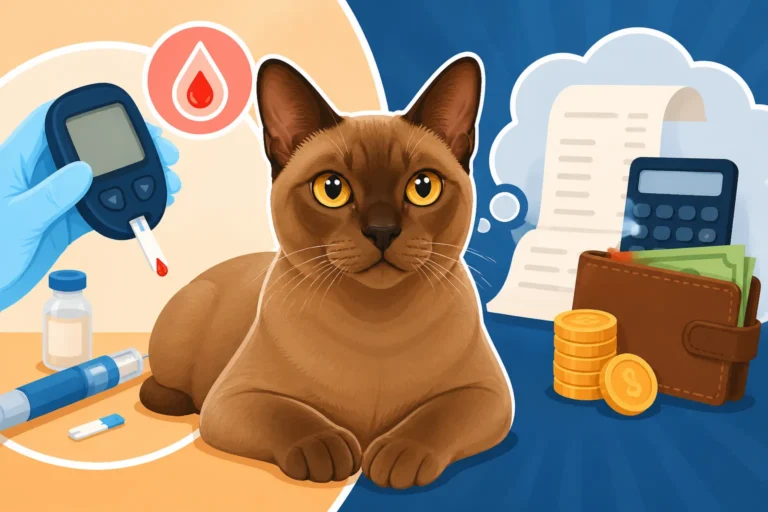
A diabetes diagnosis, while manageable, comes with significant long-term implications, both for your cat's health and your wallet. Daily insulin injections, regular vet visits for glucose curves and adjustments, and special diets can add up. It’s important to be realistic about What Diabetes Costs a Burmese Owner a Year. These costs include insulin, needles, prescription food, and frequent veterinary check-ups to monitor progress and adjust treatment.
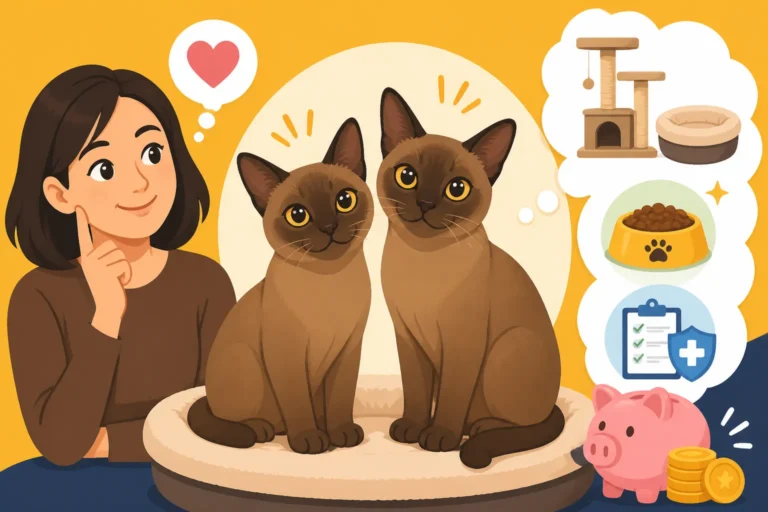
This financial reality is precisely why pet insurance can be a lifesaver, but with a crucial caveat: you need to get it before any signs of diabetes appear. Most insurance policies will consider diabetes a pre-existing condition if diagnosed before coverage begins, meaning they won't cover its treatment. Brands like Healthy Paws are popular, but no matter who you choose, it’s critical to understand their terms regarding chronic conditions. Proactive insurance enrollment is a smart move for any Burmese owner, especially knowing their breed's heightened risk. Consider Whether a Diabetic Burmese Can Be Insured if you wait too long.
Preparing Your Burmese for Their Vet Visit
Vet visits can be stressful for any cat, but with a breed as sensitive and people-oriented as the Burmese, minimizing anxiety is key. A stressed cat can have elevated glucose levels simply from fear, complicating the initial glucose reading and potentially leading to unnecessary follow-up tests.
Making the Vet Trip Less Stressful
The Burmese is famously affectionate and often takes well to handling, which can be a huge advantage during vet visits. Why a Burmese Purrs Through a Vet Examination is not uncommon, a testament to their trusting nature. However, the car ride, the strange smells, and other animals in the waiting room can still induce anxiety. Start acclimating your Burmese to their carrier early and make it a positive experience by leaving it out at home with treats or comfy bedding. A familiar blanket from home can provide comforting scents.
When you arrive at the clinic, try to keep their carrier covered to reduce visual stress, and ask if there’s a quiet waiting area away from dogs. Some clinics even offer "cat-only" hours. The calmer your Burmese is when they arrive, the more accurate their initial glucose reading is likely to be, giving your vet the best possible starting point for evaluation.
What to Discuss with Your Veterinarian
Your input as the primary caregiver is invaluable to your vet. Before your annual appointment, make a mental note, or even better, a written list, of any changes you’ve observed in your Burmese over the past year. This includes shifts in appetite, water intake, litter box habits, energy levels, or even subtle behavioral changes. Even if they seem minor, these details can be significant for a breed predisposed to diabetes.
Be prepared to discuss their current diet in detail: specific brands, types of food (wet vs. dry), and quantities. If you've noticed your Burmese drinking more water, be ready to quantify it if possible – for example, if you've been filling the bowl more often or seeing more urine clumps in the litter box. This comprehensive overview, combined with the annual glucose reading, gives your veterinarian the fullest picture possible, enabling them to provide the most tailored and effective care for your cherished Burmese.
Disclaimer
This article is for general informational purposes only and does not constitute professional advice. Laws, prices and regulations vary by location and change over time. Consult a qualified professional for guidance on your specific situation.