Whether a Home Glucose Meter Is Worth It for a Burmese
The moment you get that diabetes diagnosis for your beloved Burmese, your world can feel like it's been turned upside down. Beyond the shock and worry for your cat's health, a common frustration for many owners quickly becomes the daunting schedule of vet visits for glucose curves. It's expensive, time-consuming, and incredibly stressful for your cat, not to mention for you, watching them go through it. This guide will help you understand if bringing glucose monitoring into your home is a viable, less stressful, and potentially more effective option for managing your Burmese's diabetes, offering a pathway to better health and peace of mind.
The Unique Diabetes Challenge in Burmese Cats
Managing diabetes in any cat is a commitment, but with a Burmese, it often feels like the stakes are even higher. Our beautiful, affectionate companions have a genetic predisposition that makes them particularly vulnerable, making vigilant monitoring not just helpful, but truly essential for their well-being.
Why Burmese Cats Are Prone to Diabetes
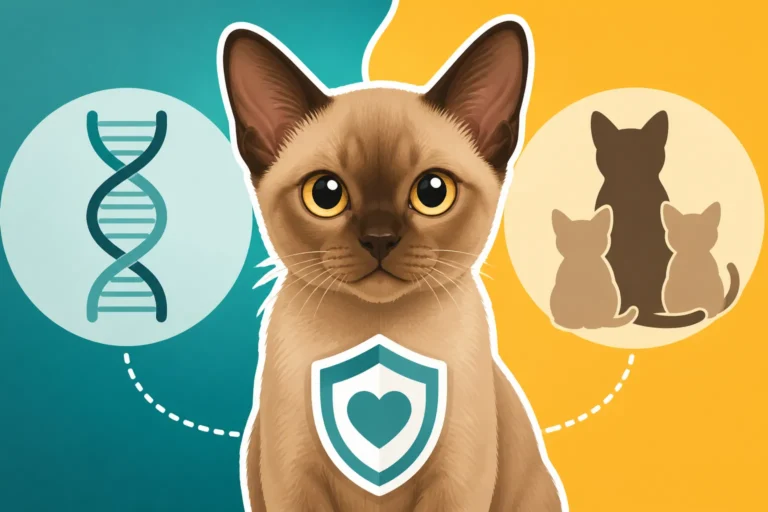
It's a disheartening truth for Burmese owners: this breed carries a significantly higher risk of developing diabetes compared to other cat breeds. It's not just a random chance; there's a genetic component at play, particularly noted in Australian and European lines, that makes their pancreatic beta cells more susceptible to dysfunction. This means their bodies struggle more with insulin production or utilization from the get-go. Factors like obesity, a high-carbohydrate diet, and even being a neutered male can further escalate this inherent risk. It feels unfair when you're doing your best to care for them, but understanding this predisposition is the first step in effective management. You can learn more about Why a Burmese Is Four Times More Likely to Become Diabetic and How Diabetes Develops in a Burmese.
When a Burmese begins to put on weight, even a small amount, it can dramatically increase their risk. Their naturally muscular build can sometimes hide those extra pounds, making it tricky to spot until it's become a problem. This is why careful dietary management and regular weight checks are non-negotiable. It’s not about vanity; it’s about their fundamental health, particularly when you consider Why Weight Is the Only Lever a Burmese Owner Has in managing this condition. The breed’s unique metabolism seems to amplify the impact of common triggers, transforming what might be a minor issue in another cat into a full-blown diabetic crisis for a Burmese.
The Importance of Early and Consistent Monitoring
Given this heightened risk, early detection and consistent monitoring are absolutely paramount for a Burmese. Diabetes often progresses subtly, with initial signs like increased thirst or urination easily missed or dismissed. By the time obvious symptoms like significant weight loss despite a ravenous appetite appear, the disease might be more advanced. Regular glucose checks, even before a formal diagnosis, can help catch those early fluctuations. Once diagnosed, consistent monitoring isn't just about managing the current state; it's about preventing dangerous complications like hypoglycemia (low blood sugar) or diabetic ketoacidosis (a life-threatening condition).
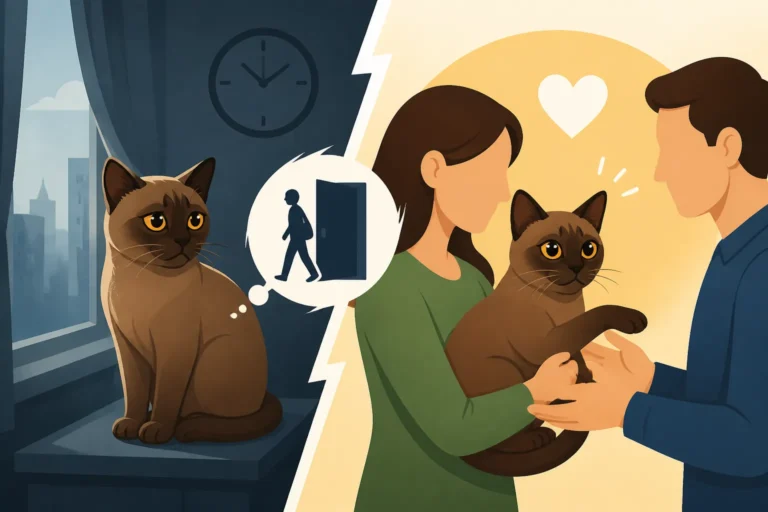
The challenge with traditional vet-only monitoring is that a cat's glucose levels can fluctuate wildly due to stress. The mere act of being in a carrier, traveling to the vet, and being handled in an unfamiliar environment can cause "stress hyperglycemia," where their blood sugar spikes, giving a falsely high reading. This makes it incredibly difficult for your vet to get an accurate picture of what's really happening with your Burmese's glucose levels in their normal, relaxed home environment. Imagine trying to manage a condition when the data you're relying on might be skewed by the measurement process itself! This is where home monitoring truly shines, offering a more reliable window into your cat's daily glucose rhythm, which is crucial for fine-tuning insulin doses.
Understanding Home Glucose Monitoring for Your Burmese
The idea of pricking your cat for a blood sample at home can sound intimidating, even scary, at first. But with the right approach and a little practice, it can become a routine that significantly improves your Burmese's quality of life and your peace of mind.
What a Home Glucose Meter Is and How It Works
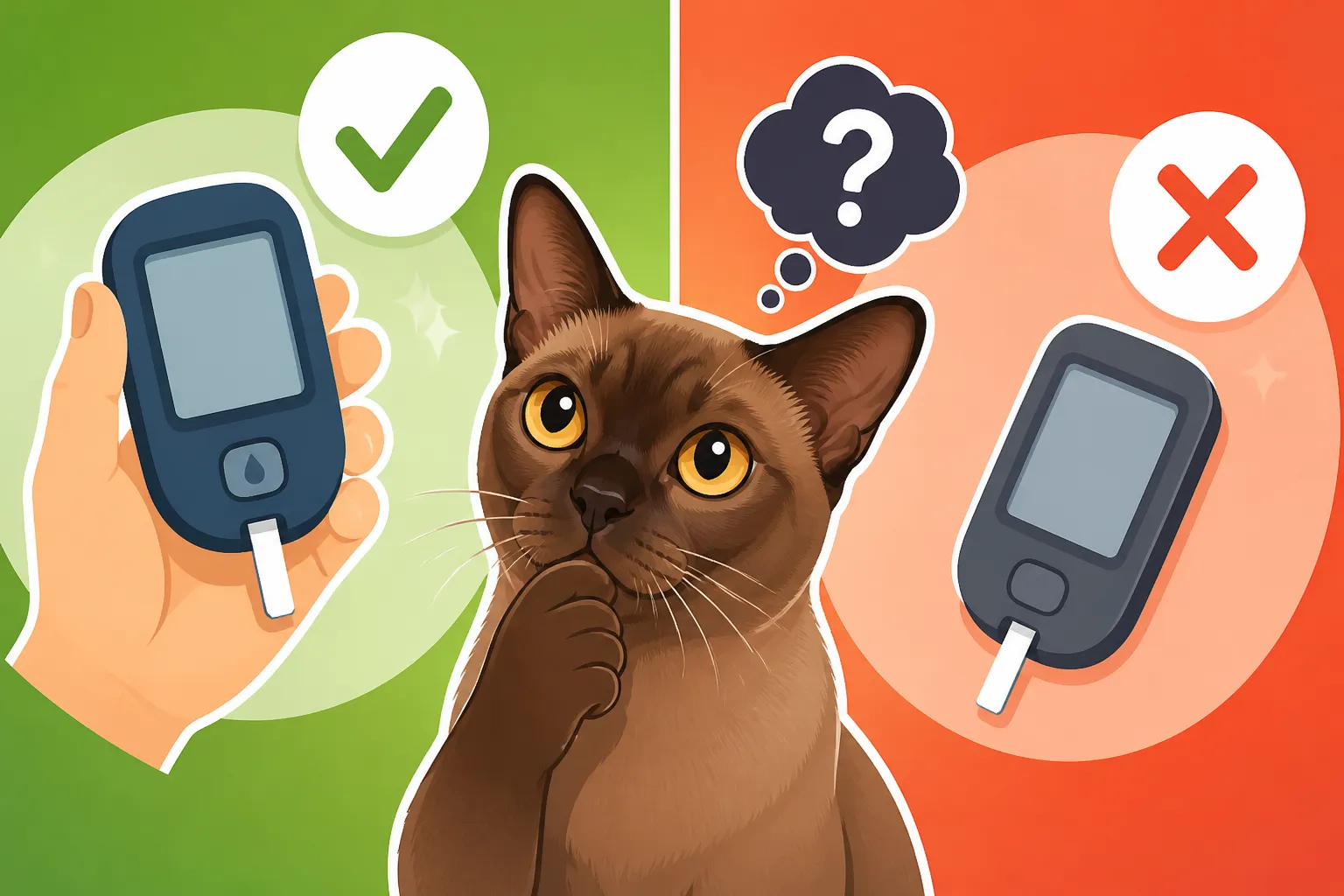
A home glucose meter, often called a glucometer, is a small, handheld device designed to measure the amount of glucose (sugar) in a blood sample. These are essentially the same devices used by humans with diabetes, though specific pet meters are also available. The process typically involves a lancet device, which is a small spring-loaded pen that pricks the skin to draw a tiny drop of blood. This blood drop is then applied to a disposable test strip inserted into the glucometer, which provides a reading within seconds. The goal is to get a reading that reflects your cat's true glucose level without the "white coat effect" stress of a vet visit.
There are many brands and models out there. Some popular human meters work perfectly well for cats, often at a lower cost for strips. However, there are also meters specifically calibrated for animal blood, like the AlphaTrak, which can sometimes provide more accurate readings for feline physiology. You’ll want to discuss with your vet which type of meter they recommend for your Burmese. Regardless of the meter, the principle remains the same: a quick, small prick, a tiny blood sample, and an immediate glucose reading. It takes some getting used to, but it’s a remarkably effective tool once you’re comfortable with it.
The Benefits of Home Monitoring Over Vet Visits
The advantages of home glucose monitoring for your Burmese are numerous and impactful, far outweighing the initial learning curve and apprehension.
First and foremost, it drastically reduces stress for your cat. Imagine avoiding those car rides, the strange smells and sounds of the vet's office, and the anxiety of being handled by unfamiliar people. Your Burmese can relax in their own home, surrounded by familiar comforts, which means you're getting readings that are far more representative of their baseline glucose levels. This accurate data allows for more precise insulin adjustments by your vet, helping to stabilize your cat's condition much faster and more effectively. This directly contributes to How a Burmese Goes Into Diabetic Remission, as stable glucose is key.
Secondly, home monitoring offers unparalleled insight into your Burmese's response to food, insulin, and daily routines. Instead of a single, snapshot glucose curve every few weeks or months, you can perform multiple checks throughout the day, or even several days in a row, to create a much more comprehensive picture. You can see how their glucose responds to specific meals, how long their insulin dose lasts, and whether their daily activity impacts their levels. This kind of detailed, real-time feedback is invaluable for tailoring a truly individualized management plan.
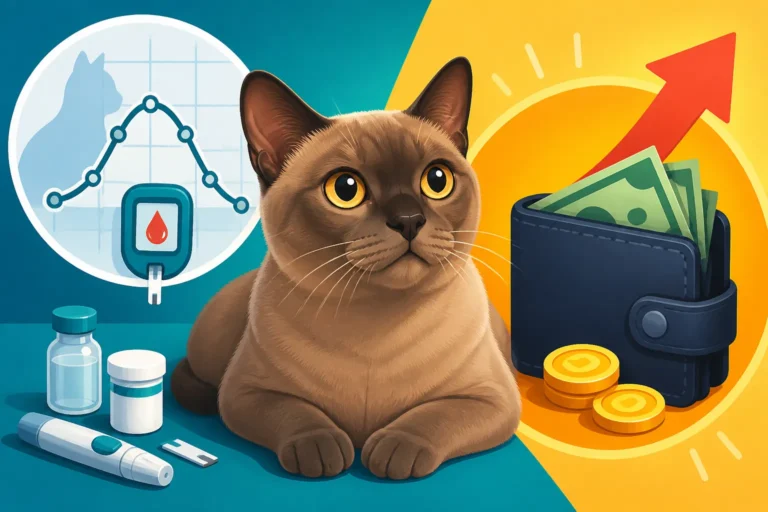
Finally, there's the significant benefit to your wallet and your schedule. The cost of frequent vet-performed glucose curves can add up quickly. While there's an initial investment in a home glucometer and strips, it's often more cost-effective in the long run. Plus, the convenience of taking readings at home means less disruption to your daily life and fewer frantic trips to the vet. This proactive approach can also help you avoid costly emergency visits due to unnoticed fluctuations or complications. Many owners find that the enhanced bond and the feeling of empowerment in managing their cat's health are benefits that simply can't be quantified.
Practicalities of Home Glucose Monitoring
So, you're considering taking the plunge. Great! Let's talk about the nitty-gritty of how to set yourself up for success and make this a positive experience for both you and your Burmese.
Equipment Needed and Initial Setup
To start home glucose monitoring, you'll need a few key items:
- Glucometer: As discussed, either a human-grade meter or a pet-specific one. Your vet can advise on the best option.
- Test Strips: Specific to your glucometer model. Make sure to check expiry dates! You can often find these readily available from online retailers like Chewy, making it convenient to keep stocked.
- Lancet Device and Lancets: These are typically sold together. Lancets are the tiny needles that do the pricking, and they should be replaced frequently for sharpness and hygiene.
- Cotton Balls or Gauze Pads: To apply light pressure after sampling.
- Positive Reinforcement: High-value treats are a must! Think tuna flakes, cooked chicken bits, or a dab of lickable treat. This will be your secret weapon to making the experience positive.
- Logbook or App: To record your readings, insulin doses, meal times, and any observations.
Before your first attempt, gather everything in one place. Choose a quiet, comfortable spot where your Burmese is already relaxed, perhaps on your lap or a favorite blanket. Have your treats ready to go. The initial setup isn't just about having the equipment; it's about creating a calm, positive atmosphere for your cat. Don't rush or try when you're feeling stressed. Your calm energy will translate to your cat.
Techniques for Stress-Free Blood Sampling
The most common and least painful spot to collect a blood sample from a cat is the ear margin. The edge of the ear is well-vascularized (has good blood flow) and generally has fewer nerve endings than other areas.
Here’s a general approach:
- Warm the Ear: Gently rub your Burmese's ear for a few seconds to increase blood flow. You can also hold a warm, damp cloth against it briefly. This makes it easier to get a good blood drop.
- Position Your Cat: Hold your cat securely but gently. Many Burmese are "velcro cats" and will be happy to sit on your lap, which is ideal. Talk to them soothingly.
- Find the Spot: Look for a vein along the outer edge of the ear. Aim for the top edge, about a third of the way down from the tip, avoiding the very tip itself or areas with prominent fur.
- The Prick: Load your lancet device. Place it against the inner side of the ear, on the edge, or slightly away from the center of the ear, and press the button. A quick, decisive motion is best.
- Collect the Blood: A tiny bead of blood should appear. Gently squeeze the ear from base to tip to encourage a larger drop if needed. Touch the test strip to the blood drop until it wicks up enough blood (the meter will usually beep).
- Apply Pressure & Reward: Immediately apply gentle pressure to the ear with a cotton ball for 10-15 seconds to prevent bruising. Crucially, offer that high-value treat immediately after the prick, regardless of whether you got a successful reading. This builds positive association. Even if you mess up, the treat still happens!
- Record: Log the reading, time, and any notes. This will help you and your vet track patterns over time. This data is essential for your vet to help you adjust your cat's insulin, which is usually given after a meal. You can find more detail on How to Give a Burmese Its Insulin at Home and How a Burmese Is Monitored on Insulin at Home.
It might take a few tries to get the hang of it, and that’s perfectly normal. Don't get discouraged! Consistency and patience are key. Your vet or vet tech can often give you a hands-on demonstration.
Interpreting Results and When to Contact Your Vet
Once you have a reading, what does it mean? Your vet will provide target ranges for your Burmese. Generally, a healthy, non-diabetic cat's glucose levels typically range between 60-120 mg/dL (3.3-6.7 mmol/L). For a diabetic cat, your vet might aim for a range between 100-250 mg/dL (5.5-13.9 mmol/L) at various points throughout the day, but these targets are highly individualized.
It's critical to understand that home monitoring isn't about you becoming a vet; it's about collecting data for your vet to interpret. You should always discuss your readings and your logbook with your veterinarian. They will guide you on when to adjust insulin doses, or when a reading indicates a need for immediate concern.
Key situations where you should definitely contact your vet:
- Persistent High Readings: If your cat's glucose levels remain consistently high despite insulin, the dosage may need adjusting.
- Hypoglycemia (Low Blood Sugar): This is a medical emergency. If your cat's glucose drops below 80 mg/dL (4.4 mmol/L) or they show signs like weakness, lethargy, disorientation, or seizures, contact your vet immediately. Having a small amount of corn syrup or honey on hand to rub on their gums can be a temporary measure while you seek veterinary care. Knowing What a Hypoglycemic Burmese Looks Like is crucial for quick action.
- Significant Fluctuations: Wild swings between high and low readings can indicate an unstable diabetic state that needs immediate attention.
- Changes in Appetite or Behavior: If your Burmese stops eating, becomes unusually lethargic, or shows other concerning symptoms, even if glucose readings seem stable, always reach out to your vet. They hide illness well. Why a Burmese Hides Illness Behind Its Affection makes careful observation even more important.
Your logbook, combined with your observations of your Burmese's behavior, water intake, and appetite, will be invaluable for your vet to make informed decisions about their care.
Is It Worth It? Weighing the Pros and Cons
Deciding whether to invest the time, effort, and money into home glucose monitoring is a personal choice, but for many Burmese owners, the benefits far outweigh the challenges.
Financial and Emotional Cost-Benefit Analysis
Let's talk about the elephant in the room: cost. Vet visits for glucose curves can be expensive, often involving multiple blood draws over several hours, plus consultation fees. These costs can quickly become prohibitive, especially if your cat needs frequent adjustments. A home glucometer kit, including the device, lancets, and a starter pack of strips, will be an upfront cost, but the ongoing expense for strips is generally much lower than repeated vet fees for monitoring. Many owners find supplies for competitive prices online, along with specialized diabetic-friendly food options.
From an emotional standpoint, the benefits are profound. The anxiety of leaving your beloved Burmese at the vet for hours, or the stress of frequent car trips, can be a heavy burden. Home monitoring reduces this significantly for both of you. There's an immense sense of empowerment and relief that comes from being actively involved in your cat's daily care and having the data to make informed decisions with your vet. It allows you to feel more in control, and your cat to feel more secure. This proactive involvement often translates to a higher quality of life for your Burmese, as their diabetes is more consistently and accurately managed, leading to better outcomes.
When Home Monitoring Might Not Be the Best Option
While home monitoring is incredibly beneficial, it's not the right fit for every owner or every cat. It requires a significant time commitment and a certain level of comfort with handling needles and blood.
Here are a few scenarios where it might be challenging:
- Fear of Needles/Blood: If you have an intense phobia, it might be too distressing for you to perform the tests regularly. While you can overcome some discomfort, it's important to be realistic about your limits.
- Uncooperative Cat: Some cats, despite all the positive reinforcement, simply will not tolerate the ear pricking. While Burmese cats are generally very amenable to handling due to their affectionate nature, there's always an exception. If your cat becomes highly stressed, aggressive, or withdrawn during attempts, it might cause more harm than good to force the issue. In such cases, stress-induced glucose readings at the vet might still be less detrimental than constant trauma at home.
- Time Constraints: Regular glucose curves, especially when initially regulating insulin, require multiple readings throughout the day. If your work schedule or other commitments make this impossible, you might struggle to get the consistent data needed.
- Inadequate Support: If your veterinarian isn't supportive of home monitoring or unwilling to interpret the data you provide, it can make the process frustrating and less effective. Ensure you have a good partnership with your vet from the start.
- Financial Limitations: While often cheaper in the long run, the upfront cost of equipment and the ongoing cost of test strips can still be a barrier for some.
It's vital to have an open and honest conversation with your vet about whether home monitoring is a realistic and beneficial option for your specific situation and your Burmese. They can provide training, guidance, and support to help you make the best decision. If you do proceed, remember that pet insurance, such as a policy from Healthy Paws, often covers the costs of veterinary visits, but pre-existing conditions like diabetes may be excluded. It's always wise to check policy details.
Home glucose monitoring, when done correctly and consistently, provides an invaluable window into your Burmese's diabetic control, fostering better health outcomes and strengthening the bond you share.
| Feature | Home Glucose Monitoring | Vet-Performed Glucose Curve |
|---|---|---|
| Accuracy | High (less stress-induced hyperglycemia) | Potentially skewed by "white coat effect" stress |
| Stress for Cat | Low (familiar environment, gentle handling) | High (travel, unfamiliar environment, multiple handlers) |
| Cost | Initial equipment cost, ongoing strip cost (generally lower) | High (multiple blood draws, consultation fees) |
| Convenience | High (on your schedule, in your home) | Low (appointment scheduling, travel time, waiting) |
| Data Detail | High (can do multiple readings daily/hourly for true curve) | Limited (usually 4-6 readings over 8-12 hours) |
| Owner Involvement | High (empowering, requires commitment) | Low (vet handles everything) |
| Skill Required | Moderate (requires training and practice) | Professional vet/tech skills |
| Emergency Response | Faster recognition of hypoglycemia/hyperglycemia | Relies on scheduled visits or owner observation |
Ultimately, for a breed like the Burmese, with their high diabetes risk and tendency to hide illness, home monitoring becomes less of a luxury and more of a proactive, loving step in their long-term care. It's a way to truly partner with your vet to give your cherished companion the best possible chance at a full, healthy life. This commitment also ties into the understanding that Why a Burmese's Food Bill Is a Health Decision, and Why a Burmese's Annual Visit Includes a Glucose Reading are foundational for their long-term care. Being able to track their health metrics at home provides invaluable data points for their overall wellness journey.
Disclaimer
This article is for general informational purposes only and does not constitute professional advice. Laws, prices and regulations vary by location and change over time. Consult a qualified professional for guidance on your specific situation.