Why a Burmese Cannot Let You Leave the Room
It's a familiar scenario for any Burmese cat owner: you get up from the couch to grab a snack, head to the bathroom, or even just move to another chair, and there they are. Your beautiful, sleek-coated Burmese is right on your heels, a furry shadow determined to accompany you, no matter how mundane the destination. This intense, almost relentless need for proximity can be endearing, but it can also be a challenge when you simply want five minutes of solitude. This guide is dedicated to unraveling the fascinating reasons behind why your Burmese insists on being your constant companion, leaving no room for a solo exit.
The Velcro Cat Phenomenon: Understanding Burmese Clinginess
The nickname "Velcro Cat" wasn't given to the Burmese without good reason. These felines are renowned in the cat fancy for their unparalleled devotion and their insistence on being an integral part of their human's life. It's not just a passing preference; it's a fundamental aspect of their breed personality, woven into their very DNA. When you choose a Burmese, you're not just getting a pet; you're gaining a diligent, dedicated, and delightful personal assistant who will oversee your every move. It can be a little surprising for first-time owners who might expect a more aloof or independent cat, only to find themselves with a purring, head-bumping shadow. This constant attention, while sometimes overwhelming, is a genuine expression of their deep affection.
A Legacy of Companionship: Why They're Bred This Way
To truly understand why your Burmese is so inextricably linked to your presence, we need to look at their origins and how the breed was developed. Unlike some ancient breeds that simply emerged from natural selection, the Burmese was deliberately and thoughtfully developed by Dr. Joseph Thompson in the 1930s. His initial cat, Wong Mau, was a distinctive walnut-brown feline from Burma, who was then bred to a Siamese to observe her genetic traits. This early breeding program focused not just on their unique appearance but also on their temperament. Breeders consciously selected for traits like docility, intelligence, and, crucially, a profound connection with humans. They wanted a cat that was engaged, responsive, and truly enjoyed being part of family life, which explains why they are often described as a "dog in a cat's body". This intentional selection means that the desire for companionship is deeply ingrained, a core characteristic that has been fostered and celebrated through generations.
When you bring a Burmese into your home, you're essentially welcoming a cat whose ancestors were chosen for their willingness to be close to people. They haven't just learned to be affectionate; they are hardwired for it. This isn't a cat that will tolerate your presence from a distance; they crave active participation in your life, right by your side. They thrive on interaction and view their human companions as the center of their universe, making every departure from a room a potential moment of concern or curiosity. It's this intentional nurturing of their social traits that makes them such insistent followers. You might even find yourself looking for ways to distract them, perhaps with an exciting new toy you found on Amazon, just to get a moment to yourself!
The Affectionate Hunter: Instinct Meets Devotion
While the Burmese is undeniably a domestic companion, they still retain some of their ancestral hunting instincts. However, these instincts often manifest in playful ways, and crucially, they are interwoven with their desire for social interaction. A Burmese isn't just following you because they're bored; they're following you because you are the most interesting thing in their environment. In their world, you are the leader of the pack, the source of comfort, food, and entertainment. They want to observe, learn, and participate in whatever you are doing, even if "what you are doing" is just loading the dishwasher.
This blend of instinct and devotion means that their following behavior isn't just passive observation. They might weave between your legs, rub against your ankles, or even attempt to ride on your shoulder as you move, all designed to maintain physical contact and assert their presence. Think of it less as an inconvenience and more as an adorable, furry chaperone. They are keenly aware of your movements and intentions, often anticipating where you're headed next. If you sit down, they're likely already preparing to hop into your lap or settle right next to you. It's their way of staying connected and ensuring they don't miss out on any potential interaction or adventure, no matter how small. For more on this, check out Why a Burmese Rides on Your Shoulder.
More Than Just a Follower: The Burmese Need for Proximity
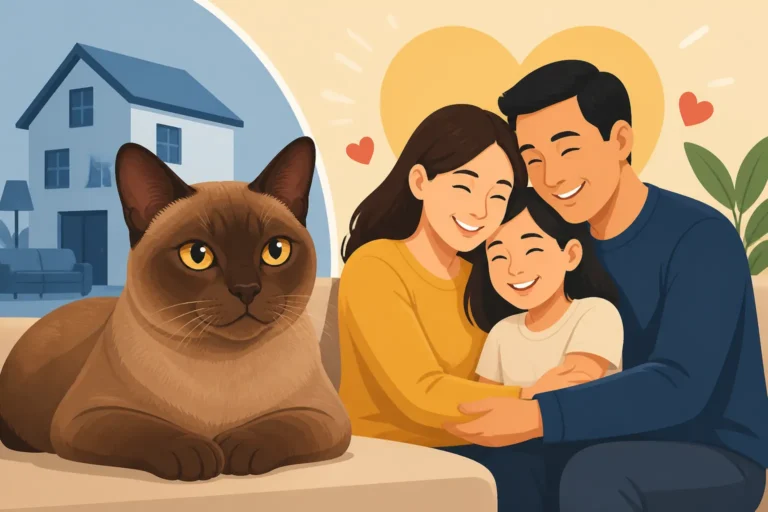
The Burmese isn't content with merely being in the same house; they need to be in the same room, ideally within touching distance. This goes beyond simple curiosity and speaks to a deeper emotional need for connection and security. They are creatures of comfort, and your presence provides them with a sense of safety and belonging that is paramount to their well-being. It's a testament to how deeply they bond with their chosen humans, treating you not just as an owner, but as a crucial member of their intimate social group.
Seeking Constant Connection: Your Cat, Your Shadow
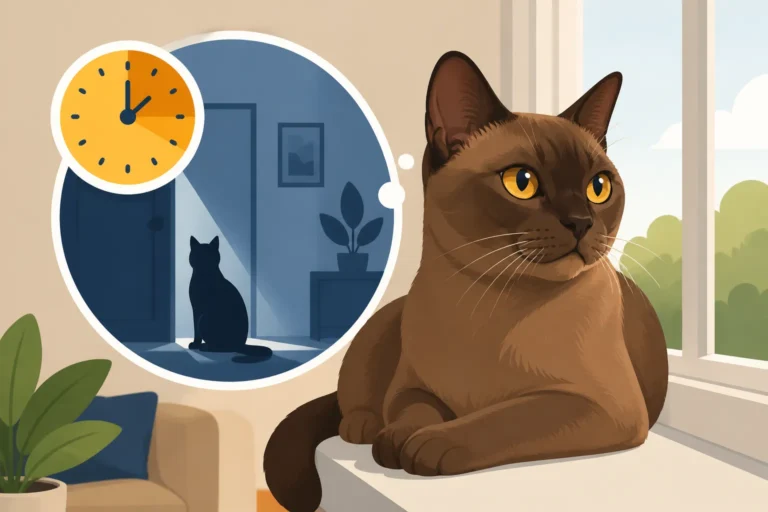
When a Burmese shadows your every move, it's not simply a habit; it's a demonstration of their profound desire for constant connection. They are not solitary hunters by nature, but deeply social animals who thrive on interaction. If you're moving from the kitchen to the living room, they see it as an opportunity for continued engagement. They might head-bump your leg as you walk, or gaze up at you with those expressive golden eyes, silently asking, "What are we doing next?" This intense focus on you means that doors are often seen as temporary obstacles, not permanent barriers. They'll often sit patiently, or not so patiently, by a closed door, waiting for you to re-emerge, sometimes even letting out a soft, insistent plea.
This constant desire to be involved is why The Burmese Is the Velcro Cat of the Cat Fancy. They thrive on being where the action is, and for a Burmese, the "action" is wherever their human happens to be. It's a full-time job for them, being your shadow. They want to be privy to every conversation, every task, every moment of quiet contemplation. Their happiness is intrinsically linked to their perceived inclusion in your daily life, making separation, even by a closed door, something they find perplexing and often undesirable. You might find yourself narrating your actions to them, just to acknowledge their presence and satisfy their need for participation.
The Comfort of Presence: Security and Warmth
Beyond just seeking connection, a Burmese also derives immense comfort and security from your physical presence. They are incredibly tactile cats, loving to curl up on laps, snuggle under blankets, and press themselves against you. Your body heat, your scent, and the rhythm of your breathing all contribute to a sense of profound well-being for them. When you leave a room, that immediate source of comfort is removed, and while they might not panic, they certainly notice its absence and will actively seek to restore it.
This need for warmth and closeness is often more pronounced in Burmese cats, partly due to their fine, short coats. They don't have a thick undercoat to keep them insulated, which means they often gravitate towards warm spots, and nothing is warmer or more comforting than a human lap or a snuggle against your side. It's why they're renowned for getting right under the duvet with you at night. So, when they follow you, they're not just being nosy; they're seeking the consistent warmth and reassurance that only you can provide. Your presence is their cozy blanket, their safe harbor, and they'll follow it wherever it goes. This explains why they are often found sleeping right next to you, or even on top of you, rather than in a distant cat bed.
The Vocal Reminder: When Their Presence Isn't Enough
Sometimes, simply being in the same room isn't enough for a Burmese, or perhaps a closed door is preventing them from achieving that goal. In these instances, they are not shy about communicating their desires. Burmese cats are known for their distinct vocalizations, which are far from the typical "meow" of other breeds. Their voice is a tool they use effectively to ensure their needs for companionship and attention are met, leaving no doubt about their whereabouts or their current level of satisfaction.
The Rasping Rumble: Their Signature Call for You
The characteristic vocalization of a Burmese is often described as a "rasping rumble" or a throaty, insistent murmur. It's not a loud, piercing yowl like a Siamese, but rather a deeper, more conversational sound that they use to communicate directly with their humans. When you've dared to leave them alone behind a closed door, or if you're engrossed in a task that isn't sufficiently acknowledging their presence, you'll likely hear this unique vocalization. It's their polite, yet firm, reminder that they are there, and they expect to be included.
This rumble isn't just noise; it's a form of active engagement. They might "talk" to you as you walk, expressing their thoughts about your movements, or letting you know they're ready for some attention. If you're in another room, that rumble might morph into a more persistent sound, growing in intensity until you acknowledge them. It’s their way of bridging the gap, pulling you back into their immediate sphere of influence. Understanding The Rasping Rumble a Burmese Uses Instead of a Meow is key to appreciating their communication style; it’s less about making a demand and more about initiating a dialogue and asserting their desire for continued interaction. They genuinely believe they should be part of whatever you are doing.
Door Guardians: Trying to Open the Way
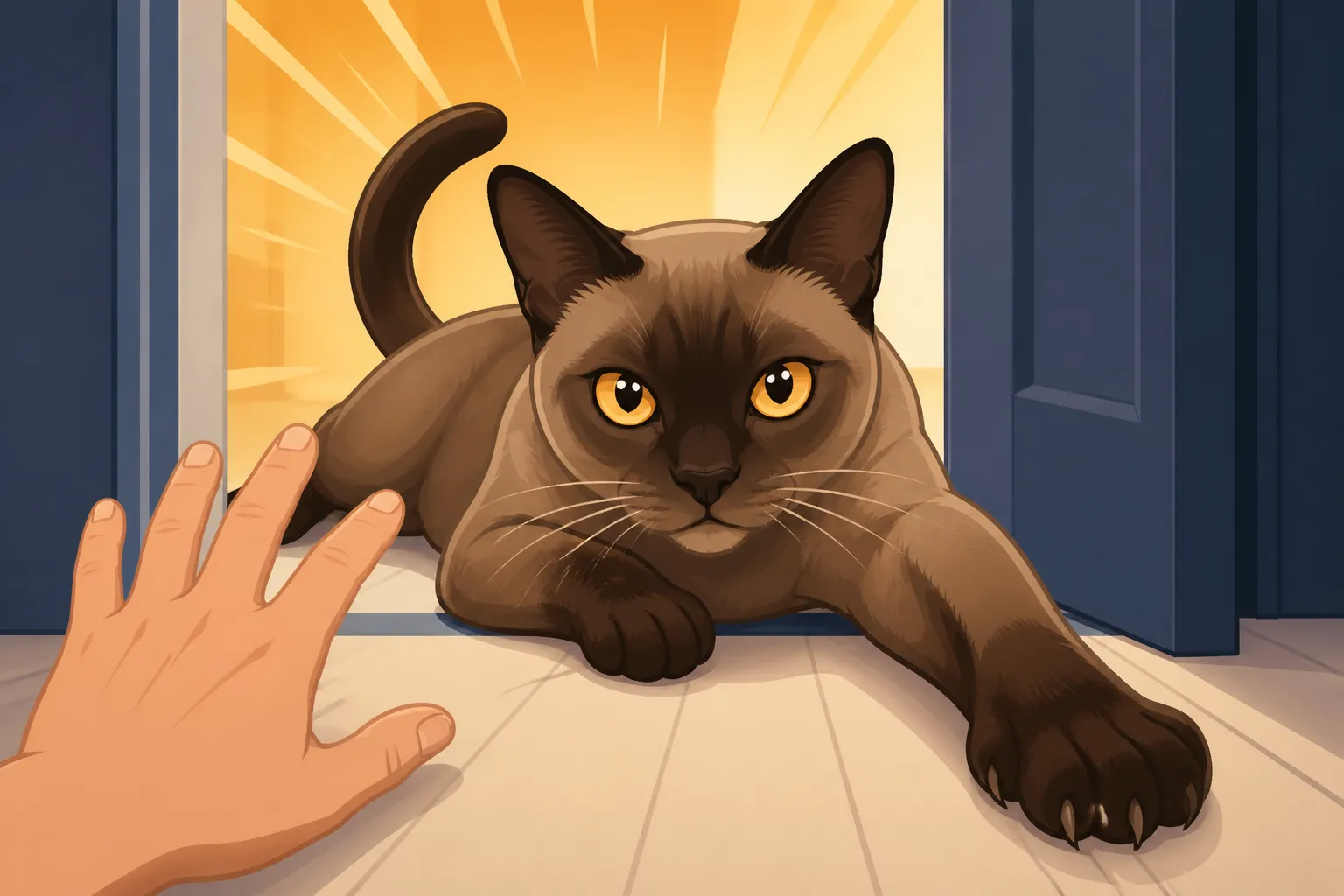
A closed door can be a significant source of frustration for a Burmese. In their world, where their human is the epicenter of all things interesting and comforting, a door is an arbitrary barrier that simply doesn't make sense. They don't grasp the concept of privacy or needing alone time; they just know that you are on the other side, and they want to be there too. This often leads to them becoming "door guardians," diligently waiting, scratching, or vocalizing at the barrier until it yields.
You might find them pawing at the crack under the door, or even attempting to push the door open with their head or body if it's not fully latched. Their persistence can be remarkable, born from an unshakeable belief that eventually, their efforts will be rewarded with your reappearance. This behavior is a clear indicator of their profound attachment and their unwavering expectation that they should always have access to you. It's their way of saying, "Hey, I know you're in there, and I belong with you!" If the door remains closed for too long, their vocalizations can escalate from a gentle rumble to a more insistent, mournful sound, a clear signal of their displeasure at being excluded.
Managing the "No Solo Time" Dilemma
Living with a cat that absolutely insists on being with you 24/7 can be delightful, but it can also be a little challenging when you need to focus on work, have a private phone call, or simply want to use the bathroom alone. The good news is that there are strategies you can employ to manage their intense need for companionship without making them feel neglected or anxious. It's all about providing alternative forms of enrichment and ensuring their social needs are consistently met.
Strategic Play: Keeping Them Engaged When You Need Space
One of the most effective ways to manage a Burmese's constant need for your presence is through strategic play. These cats are highly intelligent and retain their kittenish energy well into old age, so mental and physical stimulation is crucial. Engaging them in vigorous play sessions before you need some alone time can help burn off excess energy and satisfy their desire for interaction. Think of it as front-loading their attention quotient. A good twenty-minute session with a wand toy that mimics prey movement can leave them happily exhausted and ready for a nap.
Interactive toys and puzzle feeders can also be your best friend. Look for toys on Amazon that dispense treats as your cat plays, or laser pointers for a quick burst of energy. While these aren't a substitute for human interaction, they can provide a valuable distraction when you need to step away. The goal is to provide activities that are mentally stimulating enough to capture their attention, even if just for a short while, giving you a window of solo time. Remember, a tired cat is often a content cat, at least for a little while! Knowing How Much Play a Burmese Still Demands at Ten can help you tailor these sessions appropriately.
Creating Independent Enrichment Zones
While a Burmese prefers to be with you, creating dedicated "enrichment zones" in your home can offer them appealing alternatives. These are spaces designed to engage their senses and provide enjoyment, even when you're not actively interacting with them. Consider placing cat trees or window perches where they can observe the outside world. A bird feeder strategically placed outside a window can provide hours of entertainment, allowing them to "hunt" from a safe and warm vantage point.
Puzzle feeders filled with a portion of their daily food can also be placed in these zones, turning mealtime into a stimulating activity. You can also rotate toys to keep things fresh and interesting, ensuring they don't get bored with the same old things. The key is to make these zones so attractive that they offer a compelling reason for your Burmese to spend some time there, even if it's just for a brief period. This can subtly encourage a degree of independence while still ensuring their environment is enriching. For optimal engagement, ensure these zones are in rooms where you spend a good amount of time, so they can still feel your presence nearby.
The Companion Solution: Two Burmese Are Better Than One
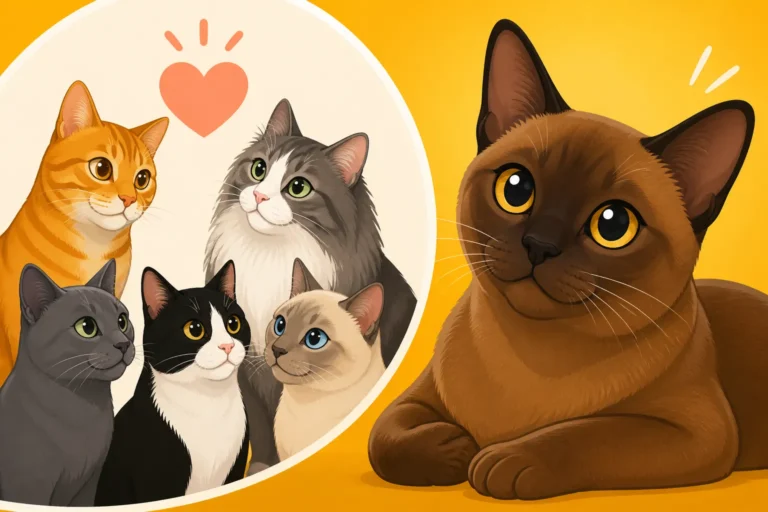
If you find your Burmese's need for constant attention is truly overwhelming, and you have the capacity for another feline, getting a second Burmese can be an excellent solution. Burmese cats are incredibly social, not just with humans but also with other cats, particularly if introduced properly. A feline companion can provide the constant interaction and physical closeness that a single Burmese craves, dividing their intense need for companionship between two sources of comfort and play.
Many Burmese breeders will even recommend purchasing two kittens from the same litter, as they are already bonded and will provide each other with endless entertainment and comfort. This significantly reduces the chances of a single Burmese developing separation anxiety or becoming overly reliant on you for all its social needs. A pair will groom each other, play together, and snuggle up for naps, often leaving you with a little more personal space while still enjoying their delightful presence. It's often said that Why Two Burmese Cost Less Than One Anxious One due to reduced stress-related behaviors and potential vet bills for anxiety. This isn't just about managing clinginess; it's about providing a truly fulfilling life for a highly social breed. Whether a Burmese Should Be Bought as a Pair is a question many prospective owners grapple with, and for this breed, the answer is often a resounding yes.
When Clinginess Crosses into Anxiety
While a Burmese's clinginess is generally an endearing trait, there are instances where this intense attachment can tip over into genuine separation anxiety. It's important for owners to be able to distinguish between a very social cat and one that is genuinely distressed by your absence. Recognizing the signs of anxiety early can help you intervene and provide the support your cat needs, ensuring their well-being and happiness.
Signs of Separation Anxiety in a Burmese
A healthy, affectionate Burmese will follow you, vocalize, and want to be near you. However, a Burmese suffering from separation anxiety will display behaviors that indicate true distress when left alone. These can include excessive vocalization that goes beyond their usual rasping rumble, manifesting as persistent, mournful crying or even howling. They might engage in destructive behaviors, such as scratching at furniture or doors, pulling down curtains, or attempting to chew on items they normally wouldn't touch.
Inappropriate urination or defecation outside the litter box, especially near exit points like doors or windows, can also be a sign of anxiety. Some anxious Burmese cats might even engage in self-mutilation, like excessive grooming that leads to bald patches or skin lesions, a behavior often referred to as psychogenic alopecia. A cat camera, easily found on Amazon, can be invaluable for observing their behavior when you're not home. If you notice your cat pacing excessively, drooling, or displaying frantic behaviors like jumping at windows or doors when you're preparing to leave, these are strong indicators that their attachment has become unhealthy. For more details, consult What Separation Anxiety Looks Like in a Burmese. It’s a serious issue, and understanding Why a Lonely Burmese Pulls Its Satin Coat Out can really highlight the severity of such stress.
Consulting a Professional for Intense Attachment
If you suspect your Burmese is suffering from separation anxiety, it's crucial to consult with a veterinarian or a certified feline behaviorist. They can help rule out any underlying medical conditions that might be contributing to the behaviors and then develop a tailored behavior modification plan. This might involve counter-conditioning techniques, where your cat learns to associate your departure with positive things (like a special long-lasting treat or puzzle feeder), or desensitization, where they are gradually exposed to your absence for increasing periods.
In some severe cases, medication might be considered as a temporary aid to help reduce anxiety levels while behavior modification is being implemented. A professional can also advise on environmental changes, such as ensuring your cat has plenty of mental and physical stimulation throughout the day, or strategies for managing their reactions to your departures and arrivals. Remember, addressing separation anxiety is a process that requires patience, consistency, and a deep understanding of your cat's emotional needs. Your vet can also provide guidance on How Many Hours Alone a Burmese Tolerates before issues may arise.
Disclaimer
This article is for general informational purposes only and does not constitute professional advice. Laws, prices and regulations vary by location and change over time. Consult a qualified professional for guidance on your specific situation.