Why a Burmese Trusts Strangers Too Much to Roam
It's a heartbreaking scenario many Burmese owners dread: you step outside for a moment, and your beloved, people-oriented cat simply walks off with a friendly stranger who happens to offer a kind word or a curious hand. Unlike many breeds that might bolt in fear or stick to their known territory, the Burmese cat's incredible trust and insatiable need for human connection can actually be their greatest vulnerability when it comes to the wide, unsupervised outdoors. This guide will delve deep into the unique temperament of the Burmese, exploring why their trusting nature, while endearing, makes free-roaming a dangerous gamble, and how you can best protect your affectionate companion.
The Burmese's Unique Affectionate Nature
The Burmese cat is truly in a league of its own when it comes to affection and sociability. They aren't just fond of their humans; they need them, thriving on constant interaction and companionship. This deeply ingrained characteristic is what makes them such wonderful pets, but it's also the root of why they simply cannot be treated like your average outdoor-savvy feline.
Born to Bond: How Their Temperament Develops
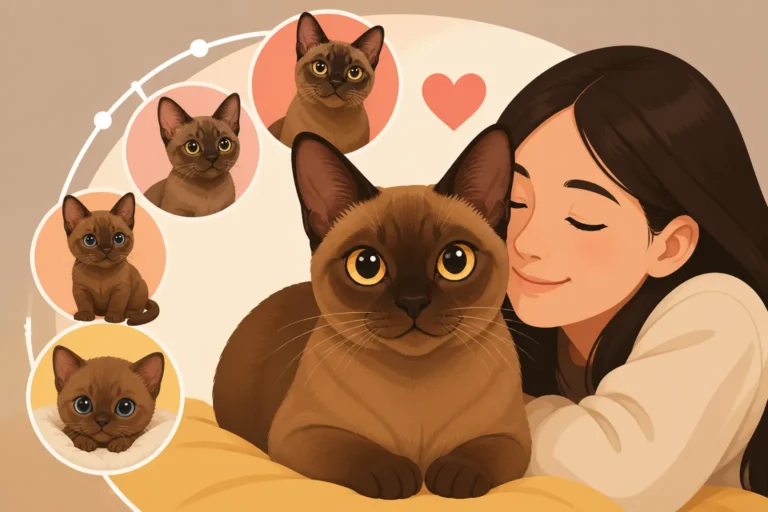
From the moment a Burmese kitten opens its eyes, it's wired for connection. Breeders often note how these kittens are naturally drawn to human hands and voices, seeking out warmth and attention from a very early age. This isn't just learned behavior; it's a fundamental part of their genetic makeup. They haven't evolved the independent, solitary hunting instincts that many other cat breeds retain from their wild ancestors. Instead, they’ve been selectively bred over generations to be the ultimate companion animal, a trait that’s reflected in every purr and head-nudge.
This innate drive to bond means they often see every human as a potential source of love and comfort, rather than a threat. Imagine a tiny, fluffy ambassador, ready to make friends with anyone who shows the slightest interest. While this makes for an incredibly loving pet within the confines of your home, it poses a significant challenge when faced with the unpredictability of the outside world. Their primary directive seems to be "seek human connection," and that doesn't always distinguish between their human and any human.
The "Velcro Cat" Phenomenon: Why They Stick to People
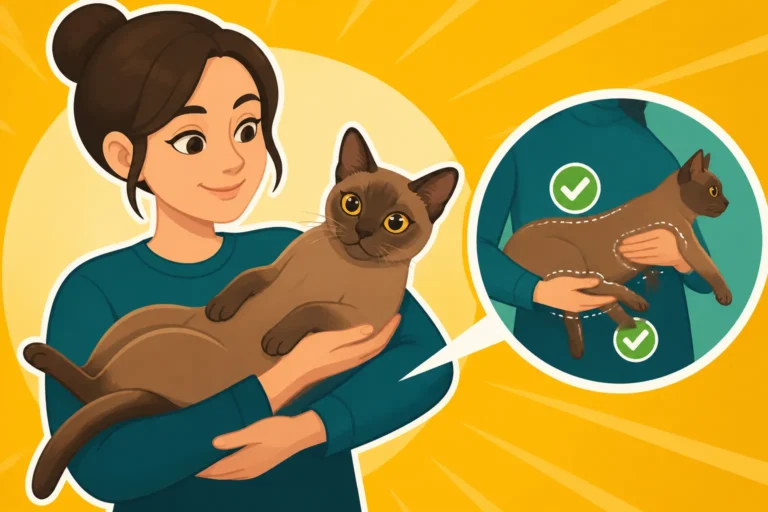
Anyone who has ever lived with a Burmese will tell you they are the quintessential "Velcro cat." They're not just in the same room as you; they're on your lap, on your shoulder, tucked under the covers, or following you from room to room. There's a reason their defining characteristic is often described as boundless affection and an almost dog-like devotion. This isn't clinginess in an annoying way, but rather an intense desire to be part of your world, whatever you're doing. You'll often find that The Burmese Is the Velcro Cat of the Cat Fancy is a phrase used by many owners to describe this constant companionship.
This "Velcro" nature extends beyond their immediate family unit. If a new person enters the house, a Burmese is typically the first to greet them, often rubbing against their legs, jumping onto their lap, or even attempting a shoulder-ride. They crave physical contact and reassurance, and they're remarkably adept at soliciting it from anyone willing to provide it. For a Burmese, a warm lap is a warm lap, regardless of whose jeans are wrapped around it. This is a cat that simply assumes everyone is friendly and eager to offer a snuggle or a stroke, which can be utterly charming indoors but incredibly risky outdoors.
Love for All Humans: Not Just Their Chosen Few
One of the most remarkable, and sometimes worrisome, aspects of the Burmese personality is their expansive capacity for affection. While they certainly form strong bonds with their primary caregivers, their love isn't exclusive. They don't typically display the aloofness or caution towards strangers that many other cat breeds exhibit. Instead, they approach new people with an open heart and an expectation of kindness.
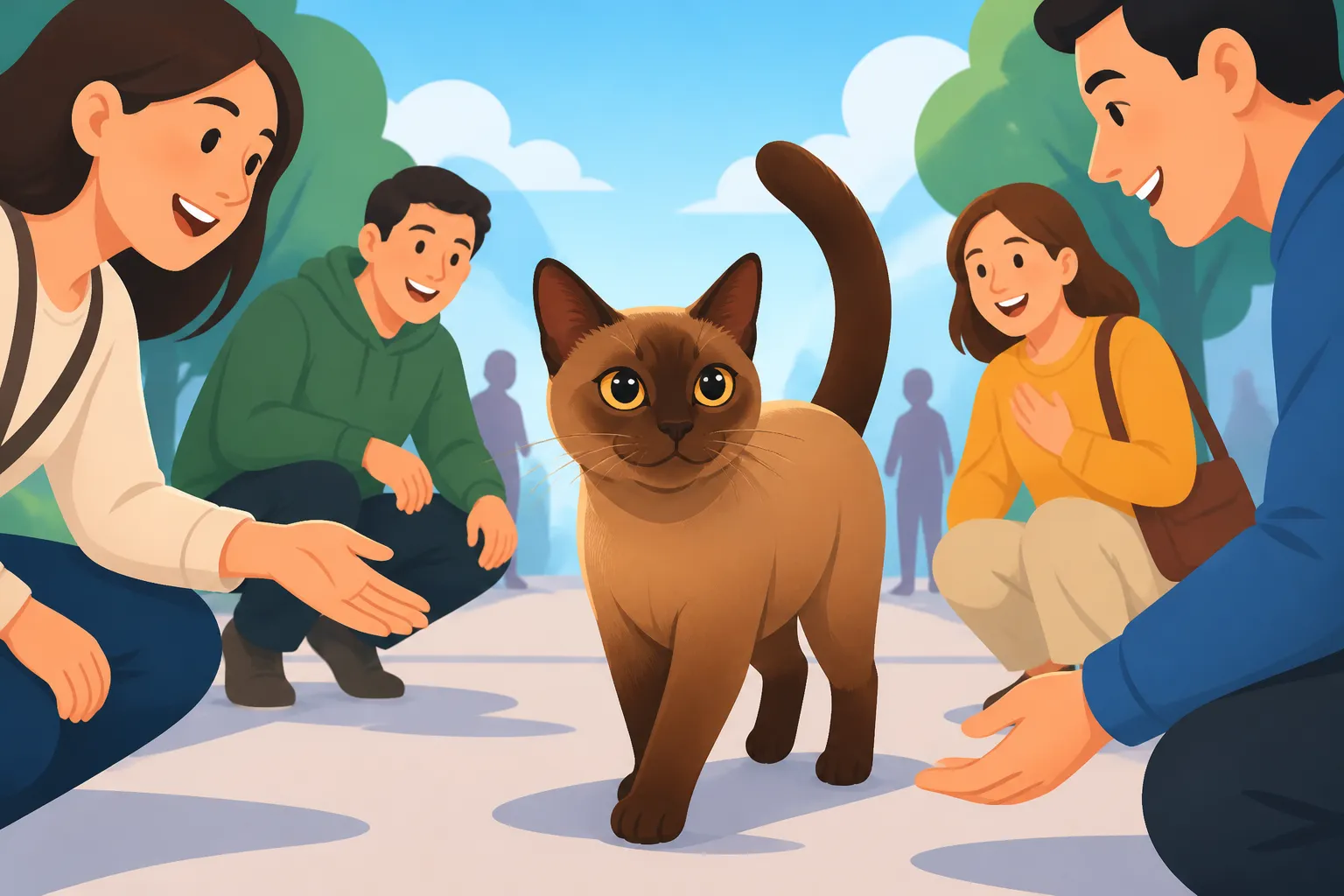
This means that if your Burmese were to encounter a stranger while outside, their first instinct would likely be to approach, rub, and solicit attention, rather than to hide or flee. They don't seem to possess a strong "stranger danger" mechanism inherent in their behavior. This isn't a flaw in their personality; it's simply a manifestation of their deeply social and trusting nature. Unfortunately, in a world where not all humans have the best intentions, this trait makes them incredibly vulnerable. They are, in essence, furry social butterflies who believe everyone is their friend, which, outside a controlled environment, is a naive and dangerous assumption.
A Lack of Fear and Self-Preservation Instincts with Strangers
While many cats are naturally wary of the unfamiliar, exhibiting caution around new faces, sounds, or environments, the Burmese tends to operate on a different wavelength. Their overwhelming desire for human interaction often overrides any inherent fear or self-preservation instincts that might protect other breeds from danger.
The Open-Door Policy: Meeting New Faces with Enthusiasm
Imagine a cat that greets every new visitor with the same enthusiastic purr and head-butt reserved for its favorite human. That’s a Burmese. They don’t hide under the bed when the doorbell rings; they’re often at the door, ready to charmingly introduce themselves. This "open-door policy" for social interaction, while adorable in your home, becomes a serious liability if your Burmese were to get outside. They won't just keep their distance from a passing stranger on the street; they might actively seek them out, meowing for attention or rubbing against their legs.
This lack of innate suspicion means they are highly susceptible to being picked up and taken by someone, or simply wandering into a stranger’s home if a door is left ajar. They interpret a friendly voice or an outstretched hand as an invitation, not a potential threat. It's a testament to their gentle nature, but it unfortunately makes them ill-equipped to navigate a world where not everyone is a friend, or even safe. Why a Burmese Would Follow a Stranger is not an unusual scenario; it's a direct consequence of their trusting personality.
The Difference from Other Breeds: What Makes Them Unique
To truly understand the Burmese's vulnerability, it helps to contrast them with other cat breeds. Many domestic cats, even friendly ones, retain a healthy sense of skepticism towards the unknown. A Maine Coon might be gregarious, but it often assesses a situation before engaging fully. A Siamese might be vocal, but its loyalty is typically reserved for its chosen few, often viewing strangers with a discerning, albeit curious, eye.
The Burmese, however, is almost universally described as having an almost dog-like devotion and lack of fear. They don't have the "flight" instinct as strongly developed when it comes to humans. They are bred to be companions, and that means trusting, rather than fearing, the very species they live with. This distinction is crucial for owners, as it means applying different safety protocols. You can't assume your Burmese will employ the same caution as the neighborhood tabby; their programming is fundamentally different, prioritizing connection over self-preservation when a human is involved.
Consequences of Over-Trust: Real-World Risks
This overwhelming trust, while a beautiful facet of their personality, carries significant real-world risks when a Burmese is allowed to roam freely. The most immediate dangers include not only getting lost but also being deliberately taken. A friendly cat that approaches strangers is an easy target for someone looking for a pet, or worse, someone with malicious intent. They won't run from the person reaching out; they'll likely lean into the touch.
Consider this: most other cats, if they got out, would likely hide, stay within a small radius, or be extremely difficult for anyone but their owner to approach. A Burmese, however, might happily jump into a stranger's car, follow a child home, or accept food and shelter from anyone who offers it. This isn't them being disloyal; it’s them living out their core instinct to connect. The consequence is that a lost Burmese is far less likely to be able to fend for itself or avoid potentially harmful situations, precisely because its default setting is "friend."
The Instinct to Roam vs. the Instinct to Connect
While many cats have a strong territorial instinct that drives them to explore and defend a specific outdoor area, the Burmese is less driven by this primal urge. Their primary motivation isn't the thrill of the hunt or the defense of a boundary; it's the comfort of companionship.
The Call of the Wild is Weak: Why They Don't Wander Far
Unlike some breeds that have a strong prey drive or an inherent need to patrol a large territory, the Burmese's "call of the wild" seems to be significantly muted. Their satisfaction comes from being with people, not from extensive outdoor exploration. When they do venture outside, it's often more out of curiosity or a desire to follow their human companions than a deep-seated instinct to roam independently. They're more likely to sit in the garden watching you work than to disappear over the fence for hours on end.
This isn't to say a Burmese wouldn't enjoy a sunny patch of grass, but their motivation for being there is different. Their focus remains on their people. If left alone outdoors, many Burmese would quickly become distressed, their innate need for companionship overriding any desire for solo adventure. They much prefer a warm lap inside to the most exciting bird chase outside if it means being alone. For a Burmese, being cut off from their human family is a form of punishment, not freedom.
Seeking Company, Not Territory: Their Primary Motivation
This breed's deepest desire is to be close to its people, to be involved in household activities, and to offer and receive affection. This means that if a Burmese were to find itself outdoors, its primary objective wouldn't be to establish a hunting ground or a safe hiding spot, but to find another friendly face. They are less driven by territorial imperatives and more by social ones.
This distinction is vital for owners. A cat that is driven by territoriality might return home simply because it's its territory. A Burmese, whose primary drive is companionship, might readily accept a new "territory" if it comes with a friendly human. They want to be with someone, and the specifics of who that someone is can become secondary if they feel abandoned or lonely. This makes the concept of "returning home" less about finding their personal space and more about re-establishing connection, which they might attempt with the nearest available human. Why a Burmese Cannot Be Left Alone All Day underscores this deep-seated need for company.
When Curiosity Overcomes Caution: How They Might Get Lost
While the Burmese may not have a strong instinct to roam, their intense curiosity and social drive can still lead them astray. If a door is left open, or a window provides an intriguing view, a Burmese might slip out simply to investigate or to follow what they perceive as an invitation. Once outside, their trusting nature can quickly put them in peril. They might wander up to a stranger, accept an invitation inside a new house, or simply become disoriented in an unfamiliar environment while searching for a human connection.
A classic scenario involves a Burmese following a friendly dog walker down the street, or approaching a child playing outside, assuming everyone is part of their extended social circle. In their earnest pursuit of connection, they might stray further and further from home, without the innate caution or navigational skills of a truly outdoor-oriented cat. Their focus on the human they've just met can distract them from remembering where they came from, and before you know it, a curious stroll has turned into a desperate search for home and family.
Why Roaming Poses Specific Dangers for a Burmese
For a breed so uniquely dependent on human interaction and so lacking in natural caution towards strangers, the dangers of free-roaming are particularly pronounced. It's not just the standard outdoor risks; it's the added layer of vulnerability inherent in their trusting personality.
Traffic and Predators: Obvious Outdoor Risks
Like all cats allowed to roam freely, Burmese are exposed to the dangers of traffic and predators. However, their unique personality traits can exacerbate these risks. A highly social cat might be less attentive to its surroundings, more focused on a distant human voice or an approaching person than on a speeding car. Their curiosity can lead them directly into dangerous situations.
While a Burmese is a solid, muscular cat, they are still vulnerable to larger predators such as coyotes, large birds of prey, or even aggressive dogs, particularly if they are more inclined to approach than to hide. Their "dog-in-a-cat's-body" temperament unfortunately doesn't come with a dog's size or defensive capabilities against true predators. They are far better equipped for snuggle attacks than for fending off a threat in the wild.
Kidnapping and Misidentification: The Human Element
This is where the Burmese’s trusting nature truly becomes its Achilles' heel. Because they readily approach and interact with strangers, they are prime targets for dognappers – or in this case, catnappers. A friendly, beautiful cat that eagerly jumps into a lap or rubs against legs is easily mistaken for a stray, or worse, deliberately taken. Someone might genuinely believe they are rescuing a lost, friendly cat, or they might simply be opportunists.
Furthermore, because they are such an engaging breed, a Burmese that finds its way into someone else's home might be "adopted" without much questioning. Their charming personality makes them instant family members, and their lack of initial attempts to escape might reinforce the new "owner's" belief that the cat has chosen them. This isn't just a hypothetical; it's a real and heartbreaking scenario for many Burmese owners. Why a Cat Flap Is Wrong for a Trusting Burmese highlights how easily they can invite trouble in or out.
The Lost Burmese: What Happens When They Don't Find Their Way Home
When a Burmese becomes lost, the situation is often compounded by their unique behavior. Instead of hunkering down in a safe spot and waiting to be found, or attempting to navigate their way back using familiar scents and landmarks, a lost Burmese might actively seek out human interaction. This means they could be miles from where they were initially lost, having followed a series of friendly people or simply wandered from one welcoming porch to another.
Their anxiety from being alone can also lead to destructive behaviors. What Separation Anxiety Looks Like in a Burmese can include vocalization, pulling out fur, or house soiling, behaviors that might escalate if they are lost and distressed in an unfamiliar place. This constant search for connection, rather than a focus on navigation, makes it incredibly difficult for owners to track them down, as their movements are often dictated by chance encounters with sympathetic humans rather than a direct path home. The chances of a lost Burmese finding its way back on its own are significantly lower due to this intrinsic sociability.
Keeping Your Burmese Safe: Indoor vs. Outdoor Considerations
Given the profound risks associated with free-roaming for a Burmese, responsible ownership almost always leans towards keeping them as indoor-only cats. However, "indoor-only" doesn't mean "bored-only." There are many ways to enrich their lives and allow them to safely experience the outdoors.
Indoor Sanctuary: The Safest Environment
For the Burmese, an indoor environment is truly their sanctuary. It provides protection from traffic, predators, communicable diseases, and the risk of accidental loss or deliberate theft. Crucially, it ensures their constant proximity to their beloved humans, which is paramount for their emotional well-being. A happy Burmese is one that is consistently surrounded by its family, receiving ample attention, play, and affection.
Creating an enriching indoor environment is key. This means providing plenty of vertical space with cat trees – look for sturdy, well-made options on platforms like Amazon – scratching posts, and interactive toys. Regular play sessions with wand toys are essential, as is mental stimulation through puzzle feeders, especially since Why Portion Control Is Medical Care in a Burmese due to their diabetes predisposition. An indoor Burmese is a safe Burmese, and a safe Burmese is a happy Burmese, deeply content in the heart of its family.
Catios and Leash Training: Controlled Outdoor Experiences
Just because a Burmese shouldn't roam freely doesn't mean they can never experience the sights, sounds, and smells of the outdoors. Catios, or enclosed cat patios, offer a fantastic compromise. These secure outdoor enclosures allow your Burmese to bask in the sun, watch birds, and breathe fresh air without any risk of escape or exposure to danger. They can be elaborate custom-built structures or simpler, pre-fabricated kits found on sites like Amazon. A well-designed catio provides all the sensory stimulation of the outdoors in a completely safe environment.
Another excellent option for the highly trainable Burmese is leash training. Many Burmese cats, due to their affectionate and intelligent nature, take well to wearing a harness and walking on a leash. This allows for supervised outdoor adventures, whether it's a stroll around your secure yard or a quiet park. Start slow, introduce the harness gradually, and always use positive reinforcement. Whether a Burmese Will Walk on a Leash is often a resounding yes, making this a viable option for safe outdoor exploration. Just remember, even on a leash, their curious nature means you need to be constantly vigilant.
Microchipping and ID: Essential Safeguards
Despite the best indoor practices, accidents can happen. A door might be left ajar, or a screen might fail. This is why microchipping and ensuring your Burmese wears proper identification are non-negotiable safeguards. A microchip, implanted painlessly under the skin, provides a permanent form of identification that can be scanned by veterinarians and shelters. Make sure your contact information associated with the chip is always up-to-date.
In addition to a microchip, a comfortable, breakaway collar with an ID tag is also crucial. This tag should include your phone number and potentially your address. While a Burmese’s trusting nature means they might go with a stranger, an ID tag can help a well-meaning individual know exactly who to call. Consider buying durable, comfortable collars and tags on Amazon to ensure they last. These layers of identification significantly increase the chances of a lost Burmese being reunited with its family, even if its trusting personality leads it far from home.
It's clear that the Burmese cat, with its unparalleled affection and deep trust in humanity, is a truly special companion. However, these very traits make them profoundly unsuited for free-roaming. By understanding their unique behavioral drivers and implementing thoughtful safety measures, you can ensure your "Velcro cat" enjoys a long, healthy, and wonderfully connected life, safely by your side.
Disclaimer
This article is for general informational purposes only and does not constitute professional advice. Laws, prices and regulations vary by location and change over time. Consult a qualified professional for guidance on your specific situation.