How to Tell a Bored Burmese From an Anxious One
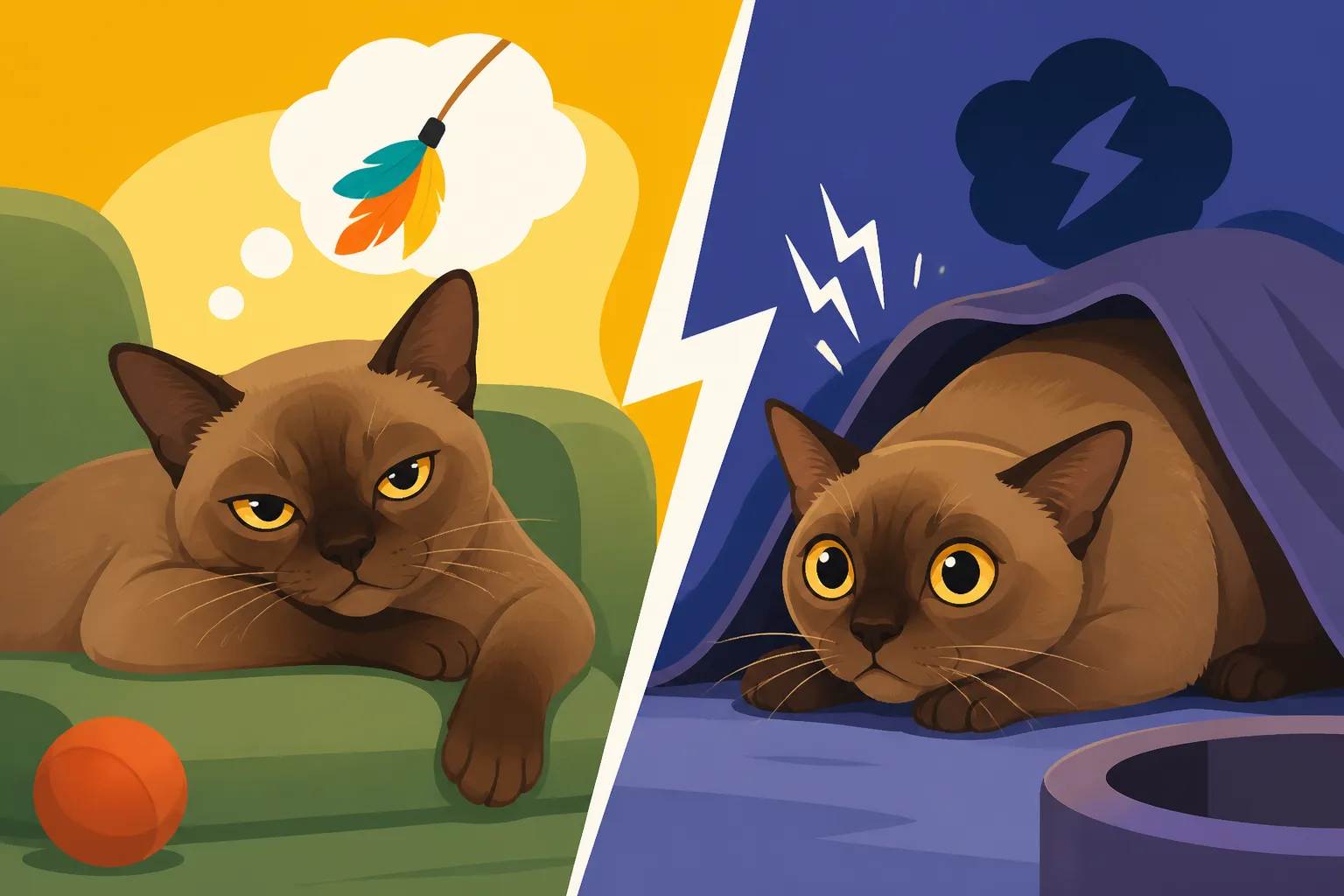
It’s incredibly tough when your beloved Burmese starts acting out of sorts, leaving you scratching your head and wondering if they're just bored and looking for trouble, or if something deeper, like anxiety, is brewing. Many of us have been there, watching our usually joyful "Velcro cats" display behaviors that just don't fit, and feeling that pang of guilt, wishing we knew how to help. This guide is here to untangle the complexities of Burmese behavior, helping you differentiate between a bored Burmese who needs more stimulation and an anxious one who needs reassurance and support.
Understanding the Burmese Cat's Unique Social Needs
Before we dive into distinguishing between boredom and anxiety, it's vital to understand the fundamental nature of the Burmese cat. These aren't your typical aloof felines who are perfectly content with an hour or two of your attention a day. Oh no, the Burmese is famously known as "the Velcro cat of the cat fancy" for a reason. They thrive on companionship, whether it's from their human family, another cat, or even a cat-friendly dog. Their very being is woven around interaction, affection, and being an integral part of your daily life.
This profound need for connection means that many behaviors that might be dismissed as "just being a cat" in other breeds can actually be significant indicators of distress in a Burmese. They're incredibly intelligent and sensitive creatures who bond deeply with their people. When that bond or their need for social engagement isn't met, problems can arise, sometimes subtly, sometimes dramatically. It’s a common misconception that all cats are independent; for a Burmese, nothing could be further from the truth. They truly cannot be left alone all day without consequences.
Why Companionship Is Non-Negotiable for a Burmese
A Burmese doesn't just tolerate company; they demand it in the most endearing way possible. They're the cats that will follow you from room to room, sit on your lap while you work, and snuggle under the duvet with you at night. Why a Burmese Cannot Let You Leave the Room is because they genuinely want to be where you are, participating in whatever you’re doing. This isn't clinginess; it's a deeply ingrained behavioral trait.
Think about it from their perspective: they're programmed for constant interaction. If you're out of the house for long stretches, or if they're the sole feline in a quiet household, they're missing a huge piece of what makes them happy and secure. How Many Hours Alone a Burmese Tolerates is far less than you might imagine for most other breeds. This makes them particularly susceptible to emotional distress if their social needs aren't met, manifesting as either boredom or anxiety.
Telltale Signs of a Bored Burmese Cat
A bored Burmese is often a creative Burmese, and not always in a good way! When these intelligent cats don't have enough to occupy their minds and bodies, they'll invent their own entertainment. Sometimes it's harmless, but often, it's destructive or annoying from a human perspective. It's their way of saying, "Hey, I need something to do!"
One of the most common signs you'll notice with a bored Burmese is an increase in mischief. This isn't malicious, but rather an exploration born of untapped energy. They might start investigating forbidden territories, climbing curtains, or knocking things off shelves just to watch them fall. It’s like a toddler who gets into the cupboards when you’re not looking – not because they’re bad, but because they’re curious and have nothing better to do.
Destructive Habits and Seeking Attention
A bored Burmese might suddenly develop a fascination with your houseplants, turning them into a personal chew toy or digging pit. They might also start shredding toilet paper rolls, batting around items they previously ignored, or even pulling clothes out of your laundry basket. These aren't signs of a naughty cat; they're signs of a cat who is under-stimulated. They're exploring textures, sounds, and actions because their world isn't providing enough novel experiences. You might even find them "helping" you make the bed by diving under the covers, or relentlessly batting at your feet for attention, not necessarily because they're anxious, but because they just want you to play.
Another classic sign is relentless attention-seeking behavior, especially if it's accompanied by increased vocalization. The Burmese has a distinct, throaty "rasp" rather than a typical meow. If your Burmese is constantly following you around, rubbing against your legs, or making that insistent rumble without any obvious cause like mealtime or wanting a snuggle, they might just be trying to engage you. They want to play, they want to interact, and they're using their charm to get your attention. How Many Play Sessions a Burmese Asks For can be quite a lot throughout the day! They're still full of energy even as they age; A Burmese Is Still Playing at Fifteen is not uncommon.
Table: Boredom vs. Anxiety in Burmese Cats
To help you get a clearer picture, here's a quick comparison of common signs you might see in a bored Burmese versus an anxious one. Remember, these are general indicators, and every cat is an individual.
| Behavior Trait | Likely Boredom | Likely Anxiety |
|---|---|---|
| Activity Level | Hyperactive bursts, zooming, destructive play | Restless pacing, hiding, lethargy, obsessive grooming |
| Vocalization | Insistent, demanding chirps/rasps for attention | Low-pitched, mournful cries, excessive meowing, silence |
| Attention Seeking | Follows you, bats at you, instigates play | Clings excessively, hides from strangers, withdrawal |
| Appetite | Normal or slightly increased, begs for treats | Decreased or selective, stress eating, changes in eating habits |
| Litter Box Habits | Generally normal | Accidents outside the box (spraying or urination) |
| Grooming Habits | Normal, may occasionally over-groom if highly under-stimulated | Excessive licking/chewing leading to bald spots, pulled fur |
| Interaction with Others | Playful nips, chasing, boisterous interaction | Hiding, swatting, aggression, avoidance |
| Sleep Patterns | Normal, but might nap less if highly bored | Disturbed sleep, difficulty settling, excessive sleep |
Spotting the Signs of an Anxious Burmese
Anxiety in a Burmese often presents very differently from boredom, though some behaviors can overlap, making diagnosis tricky. While a bored cat is often seeking more interaction and stimulation, an anxious cat might display fear, withdrawal, or obsessive behaviors as a way to cope with their stress. It's a much deeper emotional distress than simple lack of entertainment.
One of the most heartbreaking signs of anxiety in a Burmese is a change in their famously affectionate nature. If your usually cuddly cat suddenly becomes withdrawn, avoids your touch, or starts hiding frequently, it’s a red flag. They might seek out quiet, secluded spots to retreat, even from their favorite humans. This is a stark contrast to their usual "Velcro" persona and indicates they're struggling. It's almost as if Why a Burmese That Stops Following You Is Unwell – and this unwellness can be emotional too.
Over-Grooming, Spraying, and Changes in Routine
An anxious Burmese might resort to excessive grooming, pulling out tufts of their beautiful satin coat until bald spots appear. This self-soothing behavior is a classic stress response in cats. You might notice them fixating on one area, often their belly or legs, licking constantly. This isn't just a shed hair; it's a compulsive act. Why a Lonely Burmese Pulls Its Satin Coat Out is a serious sign that something is deeply wrong with their emotional state. If you spot bald patches or scabs, a vet visit is essential to rule out medical causes, but often, the root is psychological.
Another common, and frankly frustrating, sign of anxiety is inappropriate urination or spraying. If your Burmese, who has always been perfect with their litter box, suddenly starts urinating on your bed, laundry, or spraying vertical surfaces, this is rarely about defiance. It’s a cry for help. It’s their way of marking territory to feel more secure or trying to signal their distress. Why an Anxious Burmese Sprays is a complex issue, often triggered by changes in routine, perceived threats, or feeling insecure in their environment. It’s not pleasant to deal with, but it demands understanding and patience.
You might also observe changes in appetite (either eating less or stress-eating), disrupted sleep patterns, or a heightened startle response. Anxious cats often struggle to relax, even when they're physically exhausted. They might become hyper-vigilant, constantly scanning their surroundings for perceived threats, or pacing restlessly. This isn't the playful energy of boredom; it's a nervous, unsettled energy.
Practical Steps to Address Boredom in Your Burmese
If you suspect your Burmese is suffering from boredom, the good news is that many solutions are relatively straightforward and focus on providing more enrichment and interaction. Because they are so people-oriented, your direct involvement is the most effective medicine.
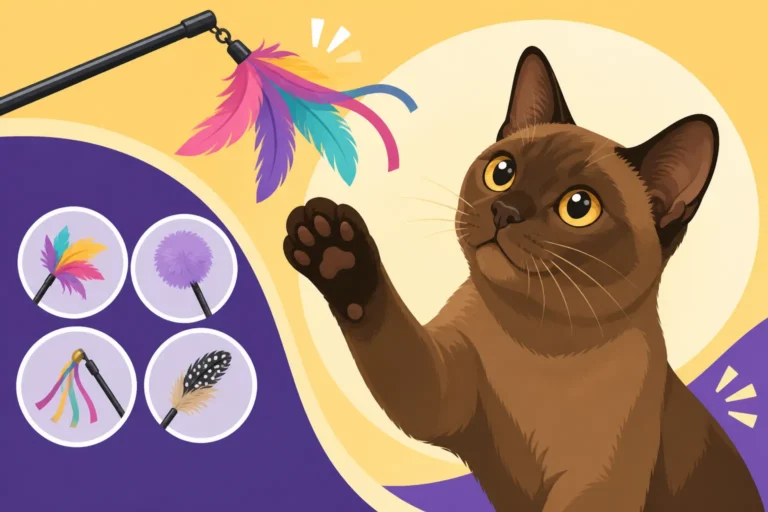
The first step is to increase playtime, especially interactive play. Wand toys, laser pointers (used responsibly), and toys that mimic prey are fantastic for engaging their hunting instincts. Aim for several short play sessions throughout the day, perhaps 10-15 minutes each. Which Wand Toys Hold a Burmese's Attention best are often those that mimic bird or rodent movements, allowing them to stalk, pounce, and "catch" their prey. Remember, for a Burmese, playing with you is much more satisfying than playing alone.
Environmental Enrichment and Companion Cats
Beyond direct interaction, enrich their environment. Puzzle feeders are excellent for challenging their intelligence and slowing down their eating, which is a bonus since Burmese cats can be quite food-motivated and prone to weight gain. You can find a wide variety of puzzle feeders on Amazon that require them to work for their food, turning mealtime into a mental exercise. Cat trees and elevated perches give them vertical space to explore and observe their surroundings, satisfying their natural curiosity. Even simple things like rotating their toys every few days can keep their interest piqued.
Crucially, consider a companion cat. Burmese cats thrive in pairs. Many breeders even recommend Why Burmese Breeders Sell Them in Pairs because they know how much better two Burmese cats fare together. A second cat provides constant companionship, play, and mutual grooming, drastically reducing the chances of boredom and loneliness. Why Two Burmese Cost Less Than One Anxious One in the long run, as the vet bills for stress-related issues can quickly add up. If a second Burmese isn't feasible, a cat of a similar playful and social temperament could work, but a fellow Burmese often understands their unique intensity best.
Compassionate Approaches to Managing Burmese Anxiety
Addressing anxiety in a Burmese requires a more sensitive and often multi-faceted approach, potentially involving your veterinarian. The goal is to identify and mitigate the stressors in their environment and provide a sense of security.
Start by creating a stable, predictable routine. Cats, especially anxious ones, thrive on routine. Consistent feeding times, playtime sessions, and interactions help them feel secure and know what to expect. Any changes in the household, even minor ones like moving furniture or new visitors, can be deeply unsettling for a sensitive Burmese, so introduce changes slowly and with plenty of reassurance. Make sure they have safe, quiet spaces to retreat to if they feel overwhelmed – a cat cave, a cozy bed under a blanket, or a high perch. Why a Burmese Seeks Out the Warmest Spot might also mean a heated bed can provide comfort and security.
Veterinary Consultation and Environmental Support
If you suspect anxiety, a visit to your veterinarian is crucial. They can rule out any underlying medical conditions that might be contributing to the behavioral changes. Once medical issues are excluded, your vet can offer advice on behavioral modification techniques or even discuss anti-anxiety medications or supplements if the anxiety is severe. They might also recommend pheromone diffusers, which release calming synthetic cat pheromones into the air. Brands like Feliway are widely available on Amazon and can often help create a more serene atmosphere in your home, especially during periods of stress or change.
For severe anxiety, particularly separation anxiety, you might need to employ more advanced strategies. This could include desensitization and counter-conditioning techniques, which involve gradually exposing your cat to the stressor (like you leaving the house) while associating it with positive experiences (like treats or special toys). Monitoring their behavior with a pet camera, readily available on Amazon, can also give you invaluable insights into what they do when you're not home, helping you tailor your interventions. Remember, patience and consistency are key when working with an anxious cat. It’s a marathon, not a sprint, and your Burmese needs your steady, unwavering support to feel safe again.
Disclaimer
This article is for general informational purposes only and does not constitute professional advice. Laws, prices and regulations vary by location and change over time. Consult a qualified professional for guidance on your specific situation.