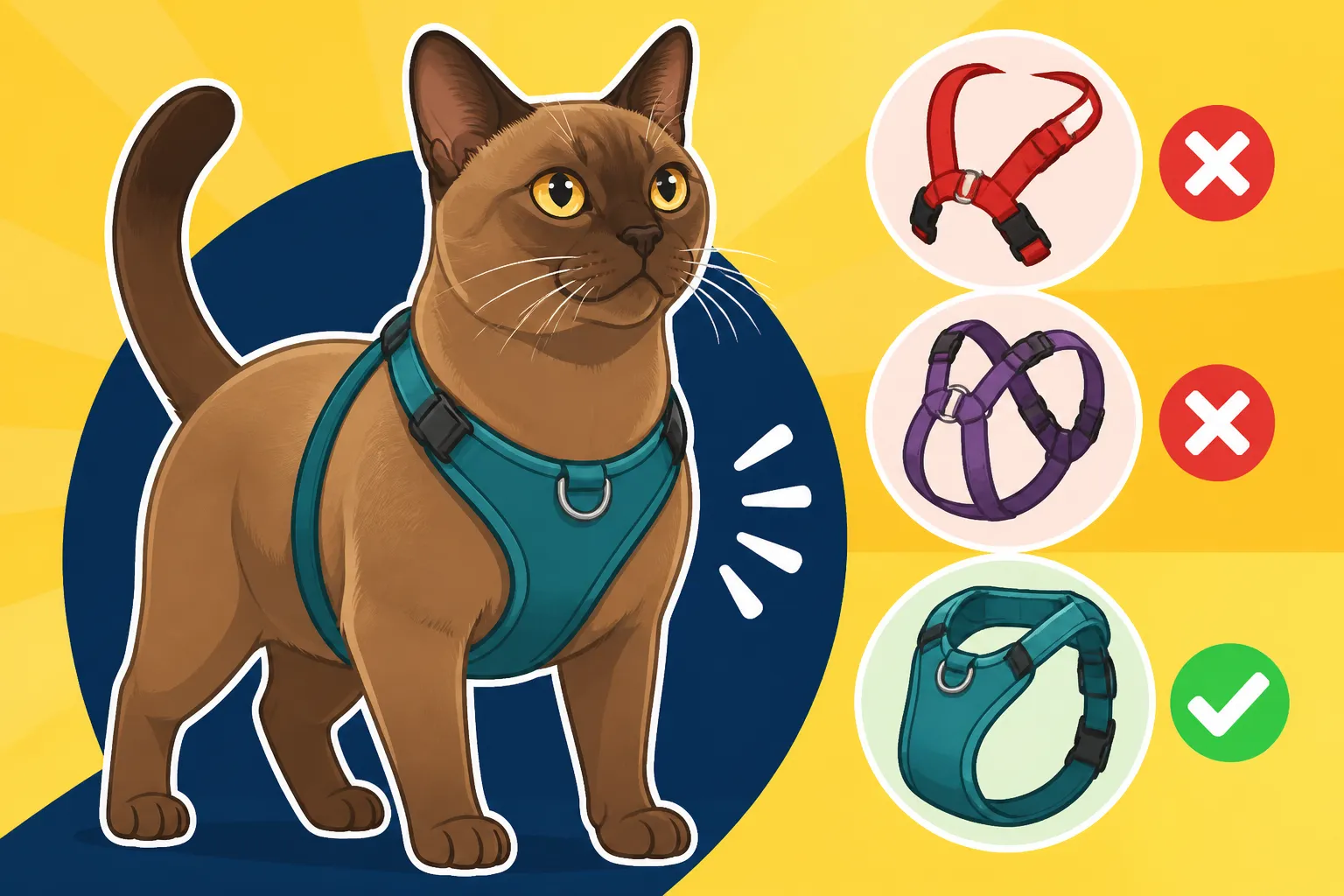
Which Harness Fits a Burmese’s Heavy Chest
Bringing your beloved Burmese outdoors for a supervised adventure can be a wonderful bonding experience, but finding a harness that actually stays on their unique, muscular build is a common headache for many owners. Standard harnesses often gap or slip, leading to frustrating escapes or uncomfortable rubbing. This guide will walk you through understanding your Burmese's specific physique, selecting the ideal harness type, measuring for a perfect fit, and introducing it positively, so your confident companion can safely explore the world with you.
Understanding the Burmese Physique for Harness Fitting
Anyone who lives with a Burmese knows they're not built like your average housecat. They possess a unique blend of power and grace, which, while endearing, can make finding well-fitting gear a real challenge. Their distinctive body shape is often described affectionately, but it means you can't just grab any harness off the shelf and expect it to work.
The "Brick Wrapped in Silk" Body Type
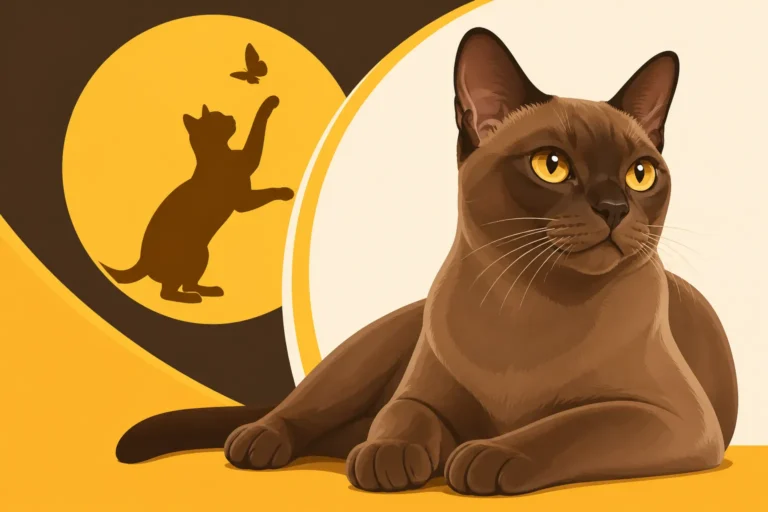
The Burmese is famously known as a "brick wrapped in silk," and this moniker isn't just about their incredibly soft, short coat. It perfectly encapsulates their surprisingly substantial, muscular body beneath that sleek exterior. They are compact, stocky, and deceptively heavy for their size, with broad shoulders and a deep chest that tapers slightly towards the abdomen. Unlike many other breeds that might be more slender or angular, the Burmese has a rounded, powerful build that needs to be accommodated by any garment designed to fit them. This powerful musculature is a defining characteristic and a key factor in why fitting a harness can be tricky. You might think they're smaller than they are, but put them on a scale, and you'll quickly understand Why a Burmese Weighs More Than It Looks. Their robust frame demands a harness that can distribute pressure evenly and securely without digging in.
Their chest, in particular, is broader and deeper than many other cat breeds, resembling more of a barrel chest often seen in small dogs. This powerful chest allows for their incredible bursts of speed and playful antics, making them a joy to watch, but it also creates specific fitting issues. A harness designed for a narrower-chested cat will often sit poorly on a Burmese, either restricting their movement across the shoulders or gapping excessively behind their front legs. You need to consider this significant difference when you're looking at various styles.
Furthermore, while their chest is substantial, their neck isn't necessarily thick in proportion. This means that a harness that fits snugly around the chest might be too loose around the neck, or vice-versa. This combination of a muscular, deep chest and a relatively more slender neck is the primary reason why many standard harnesses designed for general cat use just don't cut it for a Burmese. It's not a fault with your cat; it's a design mismatch that needs addressing with the right style.
Why Standard Harnesses Often Fail
Many harnesses on the market are designed with a "one size fits most" mentality for cats, which typically leans towards breeds with more delicate or elongated frames. These often feature simple H-shapes or thin straps that can easily shift or bunch on a Burmese. Because of their "brick wrapped in silk" build, these minimalist designs simply don't have enough surface area or the correct cut to securely contour to their body. The result is a harness that either restricts their broad shoulders, making them uncomfortable, or, more commonly, allows them to slip right out with surprising ease. A Burmese is incredibly flexible, and if there's any give, they'll find it.
Another common failing is the placement of the chest strap. If it sits too high, it can put pressure on their throat, especially when they pull, which is both uncomfortable and unsafe. If it's too low, it can rub against their armpits, causing chafing and skin irritation, especially for an active cat that's keen to explore. The material choice also plays a role; thin webbing can cut into their skin, whereas a broader, softer material distributes pressure better. Given their affectionate nature and desire to be close, discomfort will quickly make them resent the harness, turning what should be a fun outing into a battle.
Lastly, the adjustability range on many standard harnesses just isn't sufficient for the Burmese's proportions. You might find one part fits, but another is either too tight or too loose, creating those dreaded escape points. A harness that allows for significant, independent adjustment at both the neck and chest is crucial. Without this, you're constantly compromising on fit, which ultimately compromises safety and your cat's comfort. Understanding these limitations is the first step in making an informed choice for your robust companion.
The Importance of a Secure, Comfortable Fit
For a Burmese, a harness isn't just a fashion accessory; it's a safety device that enables safe exploration. Given their trusting nature, a Burmese might approach strangers or wander off if not securely leashed, so a perfectly fitted harness is paramount. A secure fit means there are no gaps for them to back out of, and the harness stays put even when they twist, turn, or try to dart after a fascinating leaf. It should feel like a second skin, allowing full range of motion without pinching or rubbing. Why a Burmese Trusts Strangers Too Much to Roam is a serious consideration here, as their friendly demeanor means they're not wary of new people or environments, making escapes particularly dangerous.
Comfort is equally vital. An uncomfortable harness can deter your Burmese from ever wanting to wear it, sabotaging your efforts at leash training before you even begin. Signs of discomfort include scratching at the harness, freezing in place, refusing to move, or exhibiting unusual body language like flattened ears or a tucked tail. A well-fitting harness should allow them to walk, run, jump, and even roll freely without hindrance. The material should be soft against their delicate skin, and the design should avoid sensitive areas like their throat or armpits.
Ultimately, a secure and comfortable harness means less stress for both you and your Burmese. It fosters positive associations with outdoor adventures and allows them to enjoy the mental and physical stimulation that comes with exploring new environments, even if it's just your backyard. It's an investment in their safety and enrichment, ensuring that every walk is a joy, not a struggle. When choosing, remember the mantra: secure, comfortable, and tailored to the unique Burmese build.
Choosing the Right Harness Style for a Burmese
When it comes to harness styles, not all are created equal, especially for a cat with the distinctive musculature of a Burmese. Picking the right design is critical for both security and comfort. You want something that works with their body, not against it, giving you peace of mind and giving them freedom of movement.
H-Style Harnesses and Their Limitations
H-style harnesses, characterized by straps forming an 'H' on the cat's back and chest, are a common sight in pet stores. They typically consist of a neck loop, a chest loop, and a connecting strap along the back and belly. While they might work for some more lithe and less determined breeds, they often fall short for a Burmese. The primary limitation lies in their minimalist design. The thin straps, even when properly adjusted, can create pressure points on a Burmese's broad shoulders and deep chest. When a Burmese pulls, the pressure can concentrate on their trachea, causing discomfort or even potential injury if they lunge unexpectedly.
Furthermore, the design of H-style harnesses often doesn't provide enough coverage or stability to prevent a determined Burmese from wriggling out. Their flexible spines and powerful hindquarters mean they can back out of harnesses with surprising speed if there's any slack, particularly from the chest strap. If the chest strap isn't perfectly snug, it allows them to pull their front legs through, or even shimmy out completely. This means that while an H-style might seem lightweight and unobtrusive, it often sacrifices the crucial security needed for a cat as active and robust as a Burmese.
For these reasons, many Burmese owners find H-style harnesses more frustrating than functional. While they might be fine for quick, contained walks in a very secure garden, they are generally not recommended for more adventurous outings or for cats new to harness training. The risk of escape is simply too high, and the potential for discomfort too great, making them less than ideal for ensuring a positive experience for your Leash Training a Burmese That Follows You Anyway.
Vest-Style Harnesses: The Secure Option
For a Burmese, vest-style harnesses are overwhelmingly the superior choice. These harnesses offer a much broader distribution of pressure because they cover a larger surface area of the cat's torso, much like a small piece of clothing. This design feature is incredibly beneficial for a Burmese's deep chest and strong shoulders, as it minimizes pressure points and makes it significantly harder for them to escape. The wider fabric panels sit comfortably against their body, preventing the digging-in sensation that thin straps can cause.
Many vest-style harnesses are designed with a secure fit in mind, featuring strong closures, often a combination of Velcro and buckles, and multiple adjustment points. The fabric typically extends further down the chest and often has a deeper cut behind the front legs, preventing chafing while keeping the harness snug. This extra coverage also helps to prevent them from slipping out by backing up, as the vest material restricts their ability to pull their legs through. You'll find a wide variety of these styles on platforms like Amazon, making it easy to compare features and read reviews from other cat owners.
When choosing a vest-style harness, look for options made from soft, breathable materials. Some popular choices are mesh, lightweight cotton, or even soft neoprene. The key is comfort against their skin, especially given their short, satin-like coat. A good vest harness should feel like a gentle hug, secure without being constricting, allowing your Burmese to move freely, play, and even climb without feeling hindered. This style provides the best balance of safety, comfort, and peace of mind for leash-walking your energetic companion.
Harness Features to Prioritize
Beyond the basic vest style, there are several key features that can elevate a harness from good to great for a Burmese. First and foremost, look for multiple, independent adjustment points. A harness that allows you to adjust the neck circumference separately from the chest circumference is crucial for accommodating the Burmese's distinct proportions. This independent adjustability ensures a snug fit around their more slender neck while still providing ample room for their broad chest.
Secondly, robust and secure closures are a non-negotiable. While Velcro can provide a good initial hold, always opt for a harness that also incorporates sturdy buckles. Many vest harnesses combine Velcro for a custom fit with quick-release buckles for extra security, preventing any accidental openings. The quality of the stitching and the strength of the D-ring where the leash attaches are also vital; you want something that can withstand a sudden lunge from a curious cat.
Consider the material. Breathable mesh or soft, padded fabric will prevent overheating and chafing, especially important for a cat with a short coat like the Burmese. Reflective strips or piping can be an excellent safety feature for walks during dawn or dusk, increasing visibility. Finally, ease of putting on and taking off is important for both your convenience and your cat's comfort. A harness that's complicated to don can make the whole process stressful, whereas one that slides on easily will make introduction much smoother.
| Harness Feature | Why It Matters for a Burmese |
|---|---|
| Vest Style | Distributes pressure broadly, significantly harder to escape. |
| Independent Adjustments | Allows custom fit for broad chest and slender neck. |
| Secure Buckles | Prevents accidental opening; crucial for safety alongside Velcro. |
| Breathable Material | Prevents chafing and overheating, especially with short, satin coat. |
| Reflective Strips | Enhances visibility during low-light walks for added safety. |
| Easy On/Off Design | Reduces stress during harnessing, fostering positive associations. |
| Strong D-Ring | Essential for secure leash attachment, preventing breakage during pulls. |
Precise Measurement and Adjustment for Your Burmese
Getting the perfect fit isn't just about choosing the right style; it's about meticulous measurement and careful adjustment. Even the best vest harness won't be secure or comfortable if it's too loose or too tight in the wrong places. This step is where many owners go wrong, but with a few tips, you can ensure a bespoke fit for your Burmese.
Key Measurements You Need
Before you even start shopping, you need to arm yourself with accurate measurements of your Burmese. Don't guess, and don't rely solely on weight, as a Burmese can be surprisingly heavy for its apparent size due to its muscle mass. You'll need a flexible tape measure, like one used for sewing, and ideally, a calm moment with your cat.
The two most critical measurements are the neck girth and the chest girth. To measure the neck girth, wrap the tape measure gently around the base of your cat's neck, where their collar would naturally sit. Make sure it's snug but not tight – you should be able to comfortably fit one finger underneath the tape. For the chest girth, wrap the tape measure around the widest part of their chest, just behind their front legs. Again, ensure it's snug but not constricting, allowing for two fingers to slip underneath. This wider measurement is crucial given the What a Burmese Looks Like Against the Standard with its distinctive, powerful build.
Some harnesses might also ask for back length, but for most vest-style harnesses, the neck and chest girths are the primary indicators of size. Always refer to the specific sizing chart provided by the harness manufacturer, as sizes can vary significantly between brands. If your Burmese is between sizes, it's generally better to go for the larger size, provided it has enough adjustability to cinch down for a snug fit. Remember, a few extra minutes spent measuring accurately now will save you the headache of returns and the disappointment of an ill-fitting harness later.
Getting the Snug, Not Tight, Fit
Once you have your harness, it's time for the fitting session. This isn't a "one and done" deal; it might take a few adjustments and trials to get it just right. The goal is a harness that is snug enough to prevent escape but loose enough to allow full, unhindered movement. Start by gently placing the harness on your Burmese, rewarding them with treats and praise throughout the process. This positive reinforcement is key to making the experience pleasant, especially if they are already inclined to follow you around. The Burmese Is the Velcro Cat of the Cat Fancy after all, so they usually respond well to attention and rewards.
After you've buckled or fastened the harness, perform the "two-finger rule." You should be able to comfortably slide two fingers flat (not stacked) underneath both the neck strap and the chest strap. If you can fit more than two fingers, it's too loose and an escape risk. If you struggle to fit two fingers, it's too tight and will be uncomfortable, potentially causing chafing or restricting breathing. Pay particular attention to the area behind their front legs; the harness should not rub against their armpits, which is a common source of discomfort.
Walk your Burmese around the house in the harness for a few minutes, observing their movement. Do they walk naturally? Are there any signs of discomfort? Are they able to stretch and groom themselves? If the harness shifts significantly or seems to impede their gait, readjust it. It's a balance to find that sweet spot between security and mobility. Remember that their Why a Muscular Burmese Is Mistaken for a Fat One body means you need to feel for the ribs beneath the muscle to ensure the chest strap isn't too tight, especially during breathing.
Spotting Common Fitting Mistakes
Even with the best intentions, it's easy to make mistakes when fitting a harness, especially for a unique physique like the Burmese. One of the most common errors is having the neck strap too loose. A loose neck strap, even with a snug chest, can allow a cat to pull their head through and escape, sometimes within seconds. Always ensure the two-finger rule is applied meticulously to the neck area.
Another frequent mistake is positioning the chest strap too far back on the ribs. This creates a large gap behind the front legs, inviting escape. The chest strap should sit relatively close behind the armpits, without rubbing, to secure the front of the cat's body effectively. Many harnesses have adjustable connecting straps between the neck and chest sections; adjust this to ensure the chest strap sits in the optimal position. How to Carry a Burmese Around Without Dropping It involves understanding their body mechanics, and the same applies to harness fitting – leverage points matter.
Lastly, some owners err on the side of "more secure" and overtighten the harness. While security is paramount, an overly tight harness will restrict movement, cause chafing, and make your Burmese resent wearing it. Look for signs of restriction: a hunched posture, difficulty walking, refusal to move, or excessive licking at the harness area. The fit should allow them to move freely and comfortably, just as they do without the harness. Finding this balance takes patience, but it's essential for successful harness training.
Training and Safety Tips for Leash Adventures
Once you've found and fitted the perfect harness, the journey isn't over. Introducing your Burmese to wearing it and walking on a leash requires patience, positive reinforcement, and a clear understanding of feline behavior. Remember, your Burmese is highly intelligent and responds well to routine and reward.
Positive Introduction to the Harness
Introducing the harness should be a gradual process, full of positive associations. Don't just strap it on and expect your Burmese to be thrilled. Start by leaving the harness out in their environment for a few days, allowing them to sniff and investigate it on their own terms. You can even place treats on or near it to create good vibes. Once they're comfortable with its presence, try placing it on them for very short periods, just a minute or two, while distracting them with treats or play. The Burmese Is the Velcro Cat of the Cat Fancy trait means they'll likely appreciate the attention.
Increase the duration gradually. After a successful short session, immediately remove the harness and offer a high-value treat or engage in a favorite game. This teaches them that the harness means good things happen and then it comes off quickly. Never leave your Burmese unsupervised in a harness, especially during the initial stages, as they could get tangled or chew through it. Patience is key; some cats take days, others weeks, to become fully accustomed to a harness.
The goal is for your Burmese to associate the harness with pleasant experiences, not stress. This methodical approach will make them much more amenable to the next step: attaching the leash. Always ensure the environment is calm and free of distractions during these training sessions. If your cat shows any signs of distress, stop and try again later, perhaps with even shorter durations or more enticing treats.
Leash Training Fundamentals for the Burmese
Once your Burmese is completely comfortable wearing the harness around the house, it's time to introduce the leash. Attach a lightweight leash to the harness's D-ring, but don't try to lead them yet. Let them drag the leash around for a few minutes, always supervised, so they get used to the feel and weight. Keep sessions short and positive, ending with a treat and praise. Whether a Burmese Will Walk on a Leash depends heavily on how well you introduce this concept.
When they're comfortable with the dragging leash, pick it up and gently follow your cat around the house. Don't pull or drag them; simply maintain a light tension on the leash, allowing them to lead the way. Reward them for any steps they take while you're holding the leash. You're teaching them that the leash is a connection, not a restriction. You can use their natural tendency to follow you (they are, after all, very people-oriented) to your advantage here. Say their name and take a step, rewarding them when they follow. Which Tricks a Burmese Learns for a Piece of Food often involves following commands, so use that strong food motivation.
Gradually, you can introduce gentle guidance. If your Burmese wants to go in a direction you don't, apply a very slight, consistent pressure on the leash. The moment they yield to that pressure, release it and reward them. This teaches them to yield to the leash, rather than pull against it. Never punish or yank the leash, as this will only create fear and resistance. Your Burmese will associate outdoor adventures with you, their favorite person, so make it a positive journey together.
Safety Considerations Beyond the Fit
Even with a perfectly fitted harness and a well-trained Burmese, safety should always be your top priority during outdoor excursions. Never allow your Burmese to free-roam outdoors, even with a harness and leash. Their trusting nature means they have Why a Burmese Has No Road Sense and are susceptible to danger from cars, other animals, or even well-meaning strangers who might let them off the leash. A catio or a securely fenced garden can provide safe outdoor space for exploration without the constant direct supervision a leash walk requires.
Always use a lightweight, appropriate-length leash. A standard six-foot leash is usually sufficient, allowing some freedom but keeping your cat close. Avoid retractable leashes, as they can cause sudden jerks, snap back, or teach your cat to pull constantly. Before every outing, double-check the harness and leash for any signs of wear and tear, and ensure all buckles and closures are secure.
Be mindful of the environment. Avoid extremely hot or cold weather, as their short, satin coat offers little protection from the elements. Stick to quiet areas away from busy roads, barking dogs, or loud noises that could startle your cat. Always carry a supply of high-value treats to reward good behavior and to distract them if they become anxious. Most importantly, always prioritize your cat's comfort and enjoyment. If they seem stressed or unwilling to walk, it's okay to shorten the outing or simply enjoy some quiet time together outdoors. The goal is enrichment, not obligation.
Disclaimer
This article is for general informational purposes only and does not constitute professional advice. Laws, prices and regulations vary by location and change over time. Consult a qualified professional for guidance on your specific situation.