Why a Trusting Burmese Would Follow a Stranger
Oh, the Burmese! They're truly one of a kind, aren't they? We love them for their incredibly affectionate, dog-like personalities, always wanting to be right there with us, following us from room to room. But this very charming trait, their deep trust and friendliness, can unfortunately make them incredibly vulnerable if they ever find themselves outside or in an unfamiliar situation. It’s a heartbreaking worry for any Burmese owner: what if that sweet, trusting nature leads them astray? This guide is going to dive deep into why your Burmese is so prone to befriending everyone they meet, the serious risks that come with this, and most importantly, how you can keep your precious companion safe from the dangers that their loving heart inadvertently creates.
The Inherently Trusting Nature of the Burmese
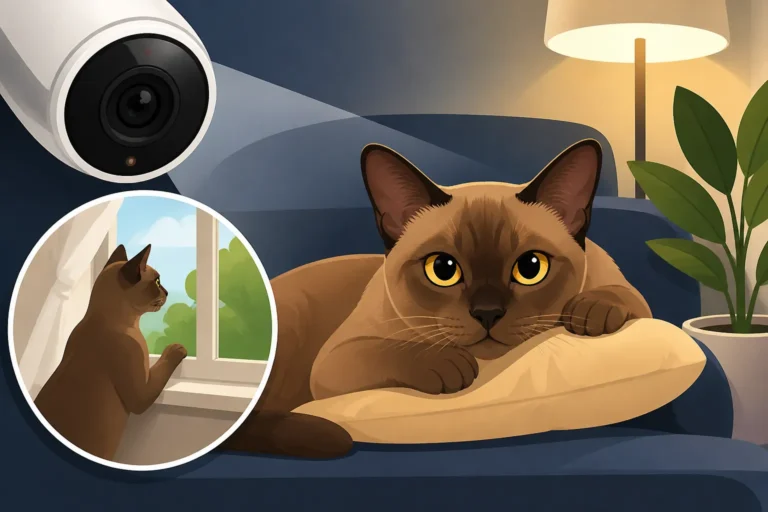
When you bring a Burmese into your life, you're not just getting a cat; you're getting a shadow, a confidante, and quite possibly, the most human-oriented feline companion you'll ever encounter. Their entire being seems wired for connection, and this extends far beyond their immediate family. This isn't a cat that's going to dart under the sofa when a new face enters the room; a Burmese is more likely to be the first to greet the stranger, purring and rubbing against their legs.
A Dog in a Cat's Body
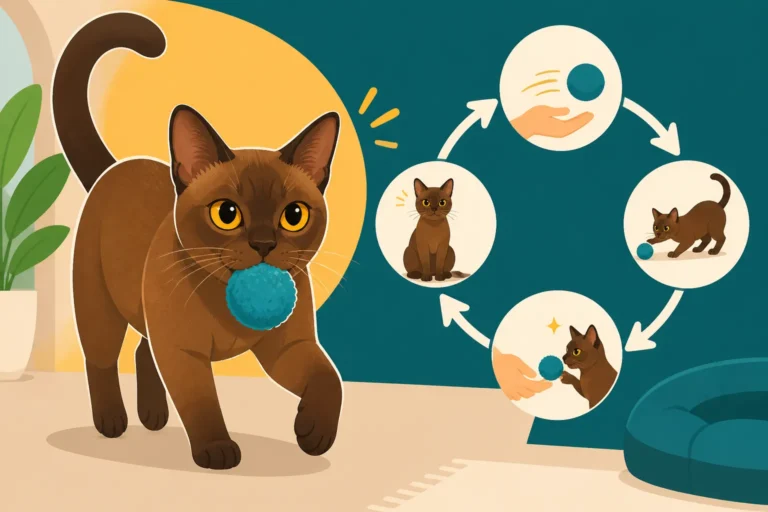
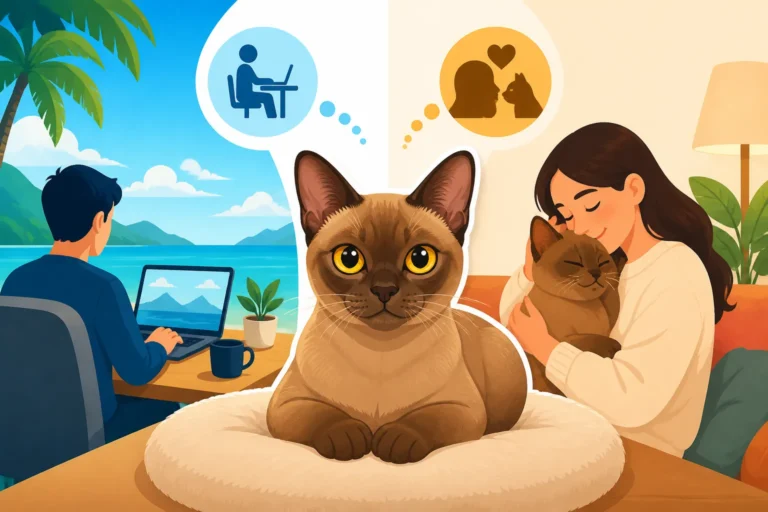
It’s a phrase you hear often about Burmese cats, and for good reason: they truly are like "dogs in a cat's body." They bond with their humans on an almost unparalleled level, often choosing one or two favorite people but extending their affection to the entire household. This isn't the independent, aloof cat many people associate with felines; the Burmese craves interaction and closeness. They thrive on being part of every activity, from cooking dinner to watching TV.
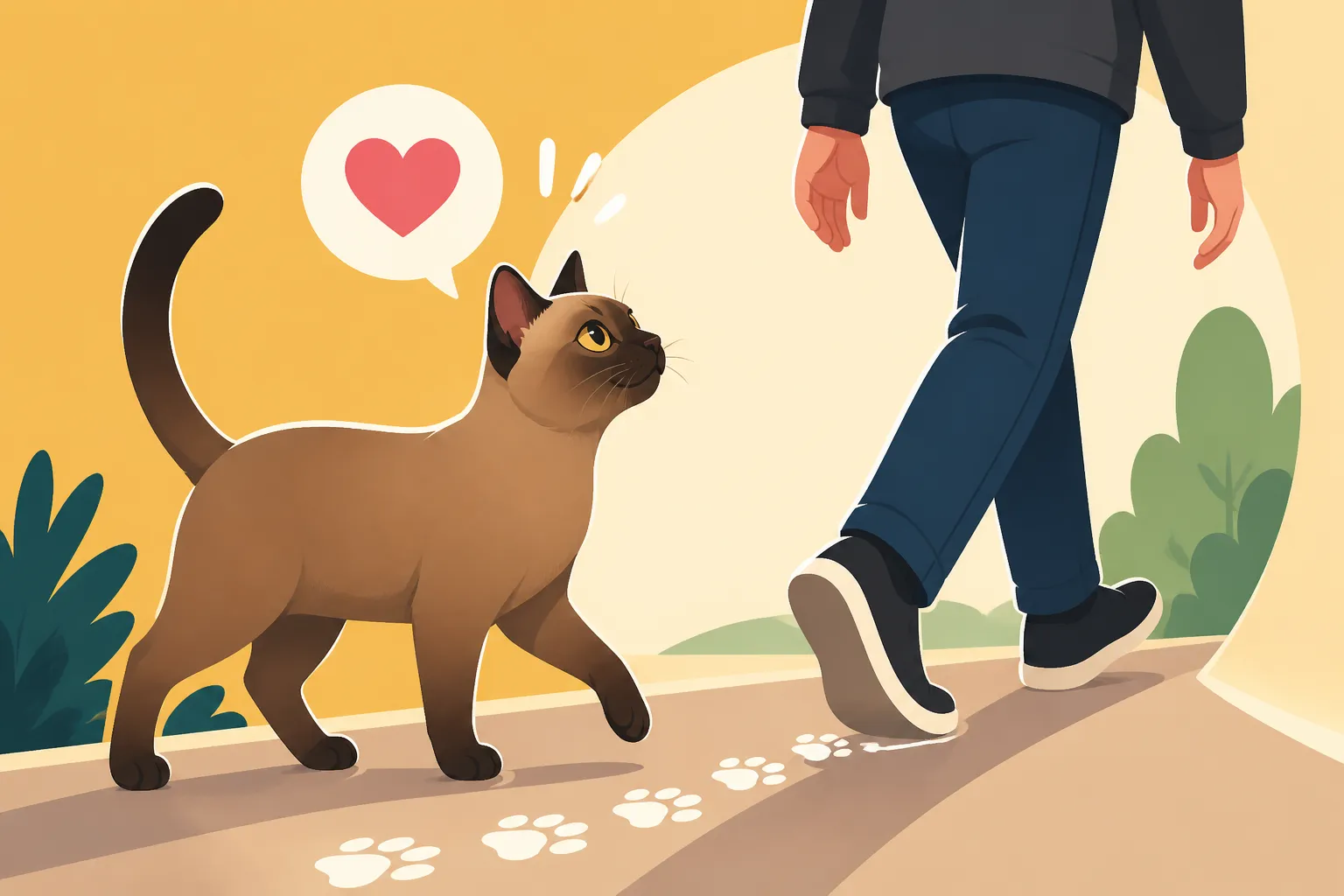
This deep desire for companionship means they view most humans, even unfamiliar ones, through a lens of potential friendship rather than suspicion. While many cats might naturally be wary of strangers, perhaps giving them a wide berth or a cautious sniff, a Burmese often approaches with open paws and a rumbling purr. They simply don't have the ingrained fear response that protects other breeds from unknown individuals, making them incredibly open and welcoming. This characteristic is precisely why The Burmese Is the Velcro Cat of the Cat Fancy.
The Drive for Human Connection
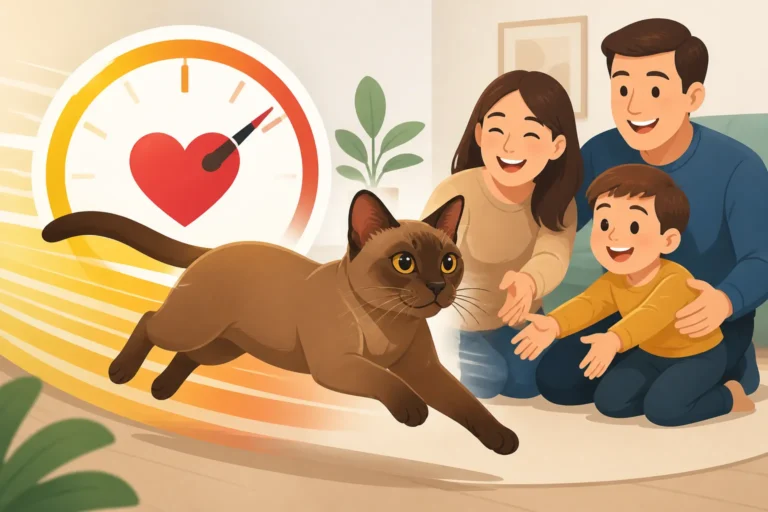
The Burmese doesn't just tolerate human presence; they actively seek it out and often demand it. They are notorious for being underfoot, on laps, or riding on shoulders, constantly seeking physical contact and attention. This profound drive for human connection means they see anyone with an outstretched hand or a kind voice as an opportunity for interaction, regardless of whether that person is a familiar friend or a complete stranger.
Their communication style also reflects this. While they may not have the piercing yowl of a Siamese, their unique, rasping rumble is almost constantly heard, a conversational sound meant to engage and connect. They'll rub their faces into your palm, head-butt for attention, and generally make it clear that they want to be noticed and loved. This isn't something they turn off for strangers; if anything, their curiosity and desire for connection make them even more likely to investigate a new person, hoping for pets and affection. This inherent need for human interaction explains Why a Burmese Pushes Its Face Into Your Palm.
Curiosity and Lack of Fear
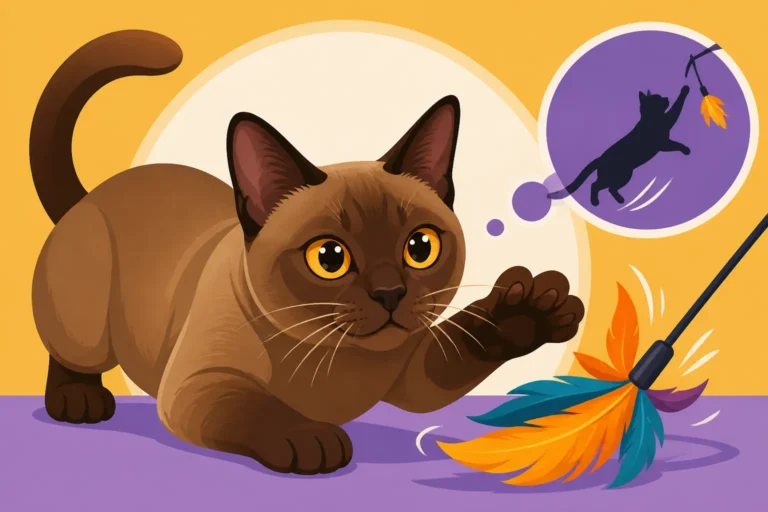
Beyond their affectionate nature, Burmese cats are incredibly curious and often quite fearless. They approach new situations, objects, and people with an inquisitive confidence that, while endearing, can also be a significant vulnerability. A typical cat might hide under a bush if it finds itself in an unfamiliar garden; a Burmese, however, is more likely to explore, investigate, and even approach the gardener for a chat.
This combination of intense curiosity and a lack of inherent fear of the unknown means they don't possess the natural self-preservation instincts that might deter other felines from engaging with strangers or wandering too far. If a person calls to them, offers a treat, or simply holds out a hand, a Burmese is highly likely to respond positively, seeing no reason to be cautious. They operate on the assumption that all humans are good and all interactions are welcome, which, sadly, isn't always the case in the real world.
Why This Trusting Nature Poses a Significant Risk
While their friendly disposition is one of the most beloved traits of the Burmese, it unfortunately opens them up to a host of dangers, particularly if they ever find themselves unsupervised outdoors. What makes them so charming indoors can make them incredibly vulnerable outside, turning potential friends into unwitting threats.
The Danger of Being Lured Away
Imagine your Burmese, typically an indoor-only cat, accidentally slips out the door. Instead of panicking and hiding, their curiosity and inherent friendliness kick in. They might wander a bit, exploring the new smells and sights. Then, a stranger walks by, sees this beautiful, seemingly friendly cat, and perhaps calls out to it, or worse, offers a piece of food. For a Burmese, this is an invitation, not a warning. They don't have the street smarts or the instinctive caution to be suspicious.
They are incredibly susceptible to being lured away, whether by someone with genuinely nefarious intentions, or by someone who simply finds them charming and decides to "take them in" without realizing they're a cherished pet. A kind word, a gentle stroke, or even just leaving a car door open can be enough for a trusting Burmese to hop right in and be unwittingly driven miles from home. Their readiness to engage makes them an easy target for anyone wishing them harm or simply wanting to keep such a delightful companion for themselves.
Vulnerability in Unfamiliar Environments
Once a Burmese is away from their familiar territory, their trusting nature becomes a severe handicap. These cats are generally bred and thrive as indoor companions, accustomed to the safety and predictability of a home. They lack the honed survival skills of true outdoor cats. They don't know how to navigate traffic, understand the dangers of aggressive dogs or wildlife, or find shelter and food if truly lost.
Their willingness to approach anyone means they could inadvertently put themselves in dangerous situations, such as walking into a busy road or getting too close to an unfriendly animal. Their curious, confident demeanor doesn't equip them to assess threats in an outdoor environment, making them prone to injury, getting lost, or worse. It’s a stark reality that Why a Burmese Has No Road Sense is a trait that can prove fatal for this highly social breed.
Rehoming and Mistaken Identity
One of the heartbreaking scenarios stemming from a Burmese's trusting nature is the risk of accidental rehoming or being mistaken for a stray. If your Burmese approaches someone in a park or on the street, purring and rubbing, that person might genuinely believe the cat is lost, abandoned, or a stray in need of a home. Their extreme friendliness makes them appear needy and approachable, leading well-meaning individuals to pick them up and take them home, or even to a shelter without proper identification.
This can happen incredibly fast. Someone might take your cat home, grow fond of them, and not even think to check for a microchip until much later, or not at all. The longer your Burmese is with someone else, the stronger their bond can become, making a reunion incredibly difficult. Their ability to instantly charm and connect with new people, while lovely, is a significant disadvantage when they are separated from their true home.
Essential Safety Measures for Your Trusting Burmese
Given the unique vulnerabilities of a Burmese cat due to their open, affectionate nature, implementing robust safety measures isn't just a good idea—it's absolutely crucial for their well-being. Thinking proactively about their safety can save you untold heartache and ensure your beloved companion stays exactly where they belong: safely by your side.
Strict Indoor Confinement or Supervised Outdoor Access
For a Burmese, the safest place is indoors. This breed's trusting temperament, combined with their lack of street smarts, means that unsupervised outdoor access is an incredibly high-risk proposition. Keeping them as indoor-only cats is the most effective way to protect them from traffic, other animals, diseases, and the risk of being picked up by a stranger. Their need for companionship means they thrive on indoor interaction and are generally very content in a stimulating home environment.
If you genuinely wish for your Burmese to experience the outdoors, it must be under strict supervision. Leash training is an excellent option for many Burmese, who often take to it with the same enthusiasm as a dog. They love exploring with their human on a harness and leash, but always ensure you use a secure, escape-proof harness designed for their sturdy build, like those found on Amazon. Alternatively, a fully enclosed and secure "catio" (cat patio) offers them fresh air and sensory enrichment without the risks of free-roaming. These designated safe spaces allow them to observe the world without being able to wander or interact with unknown individuals. Remember, Leash Training a Burmese That Follows You Anyway is entirely possible, and choosing Which Harness Fits a Burmese's Heavy Chest is key for comfort and security. Building or buying a catio could also be a worthwhile investment; Whether a Catio Is Enough Company for a Burmese often comes down to the quality of the catio and the amount of interaction they still receive from you.
Microchipping and Identification
Even for the most diligently kept indoor Burmese, accidents can happen. A door might be left ajar, a window screen could fail, or they might dart out unexpectedly. This is why microchipping is a non-negotiable safety net. A microchip, implanted painlessly under their skin, provides permanent identification that cannot be lost or removed. Should your Burmese ever become separated from you and picked up by a well-meaning stranger or taken to a vet or shelter, a quick scan will reveal your contact information, facilitating a swift reunion.
It is absolutely paramount to ensure that your microchip registration details are always kept up-to-date. If you move, change phone numbers, or even update your email, make sure to inform the microchip registry immediately. Additionally, a collar with an engraved ID tag is a useful secondary form of identification. While collars can come off, they offer immediate visual identification that your cat is a beloved pet, not a stray. Many companies, including those on Amazon, offer custom-engraved tags with your pet's name and your phone number. Think of it as an extra layer of peace of mind, a silent beacon speaking for your cat when you can't be there. Don't forget that When a Burmese Is Chipped in the Breeder's Schedule is usually quite early, but the responsibility for keeping the details current falls to you.
Secure Home Environment
Understanding the Burmese's curious and outgoing nature means taking extra precautions to secure your home. They aren't trying to escape out of unhappiness; they simply want to explore what's beyond the door, or follow you wherever you go. This means diligently checking windows to ensure screens are sturdy and fully intact, and that doors are always closed securely behind you. A Burmese will often try to "help" you open doors, or squeeze through the smallest gap, driven by their desire to be involved.
Cat flaps, while convenient for some breeds, are generally a terrible idea for a Burmese. They provide unsupervised access to the outdoors, putting your trusting cat at extreme risk of being lured away, getting lost, or encountering danger. Instead, consider designated indoor spaces where your Burmese can safely explore, with plenty of vertical climbing opportunities, puzzle feeders, and interactive toys to satisfy their curiosity. Keeping them safe often means making sure there are no unintended exits, because if there's a way out, a curious Burmese is likely to find it. This highlights Why a Cat Flap Is Wrong for a Trusting Burmese.
Educating Family and Neighbors
One of the most effective, yet often overlooked, safety measures is educating everyone who interacts with your Burmese. This includes family members, house guests, and even close neighbors. Make sure they understand that your Burmese is an indoor cat, and explain why it's crucial not to let them out, even "just for a minute." Highlight their friendly nature and how easily they can be charmed by strangers.
Ask neighbors to kindly avoid interacting with your cat if they ever see them outside, or to immediately notify you if they do. It's not about being unfriendly, but about protecting your pet. A brief chat explaining that your Burmese is very trusting and prone to wandering off with friendly people can go a long way. You can even provide them with a photo and your contact information, just in case. This network of informed people acts as an extended safety perimeter for your precious, sociable cat.
What to Do If Your Trusting Burmese Goes Missing
The thought of your Burmese going missing is every owner's worst nightmare, particularly knowing how easily their trusting nature could lead them into unforeseen trouble. But if it does happen, immediate and strategic action is key. Don't waste time panicking; channel that energy into a structured search and alert effort.
Immediate and Comprehensive Search
As soon as you realize your Burmese is missing, don't delay. Start searching immediately, both inside and outside your home. First, check all the usual hiding spots within your house – under beds, in closets, behind appliances – as sometimes a scared or disoriented cat will hide even if they’ve simply found a new nook. Then, expand your search to the immediate outdoor vicinity. Call their name in a calm, clear voice, shake a bag of their favorite treats, or make familiar sounds they associate with food or attention.
While a trusting Burmese might approach strangers, they can also become disoriented or scared if they've suddenly found themselves in an unfamiliar outdoor environment. They might be hiding close by, overwhelmed by the new smells and sounds. Focus on quiet times of day, like early morning or late evening, when there's less noise and they might feel safer to emerge. Bring a flashlight to check under bushes, cars, and in dark corners. Remember, even a confident cat can become withdrawn and hide if they are injured or unwell, so if your Burmese has stopped following you, it's a huge sign that Why a Burmese That Stops Following You Is Unwell should be looked into by a vet, but if missing, this behavior may lead them to hide.
Utilizing Local Resources and Online Communities
Beyond your immediate search, it's vital to cast a wider net using every resource available. Contact your local animal shelters, veterinary clinics, and animal control services without delay. Provide them with a detailed description of your Burmese, including their unique markings, color, and temperament. Emphasize that your cat is exceptionally friendly and prone to approaching strangers, as this is crucial information for anyone who might find them.
Leverage the power of online communities. Post clear photos and a description on local social media groups (like Facebook community pages or Nextdoor), emphasizing their breed and trusting nature. Create physical "lost cat" posters with a clear, recent photo, your contact information, and again, a note about their friendly disposition. Distribute these posters within a several-block radius of your home, and place them at local vet offices, pet stores, and community bulletin boards. The more eyes looking for your distinctive and sociable Burmese, the better the chances of a safe return.
Preparing for a Reunion
While you're actively searching, it's critical to ensure all your preparations for a reunion are in order. Double-check that your microchip registration details are current and accurate – this is your ultimate backup plan. Keep a recent, high-quality photograph of your Burmese easily accessible, as this will be invaluable for posters and online posts. Having proof of ownership, like vet records or adoption papers, can also streamline the process of reclaiming your cat from a shelter.
When your Burmese is eventually found and returned to you, remember to ease them back into their routine. They might be stressed, disoriented, or even slightly ill from their outdoor adventure. Schedule a vet check-up to ensure they haven't picked up any injuries or parasites. Most importantly, use this experience as a powerful reminder of their unique vulnerability. Reaffirm your commitment to strict indoor confinement or enhanced supervised outdoor access. While your Burmese's ability to bond quickly with people is a joy, this also means How Fast a Burmese Attaches to a New Household, so acting quickly is always important to avoid them becoming too settled in a new environment.
Disclaimer
This article is for general informational purposes only and does not constitute professional advice. Laws, prices and regulations vary by location and change over time. Consult a qualified professional for guidance on your specific situation.