Brushing a Burmese’s Teeth From Twelve Weeks
Oh, the sheer joy of bringing home a tiny Burmese kitten! Their velvety coats, those huge, soulful eyes, and that incredible "dog-like" personality. But amidst all that adoration, it's easy to overlook one crucial aspect of their early care that can save you a world of heartache (and expense!) down the line: their teeth. Many new Burmese owners, completely smitten, don't realize just how prone this beautiful breed is to dental disease, often leading to painful extractions and chronic health issues. This guide is here to walk you through the essential steps of establishing a lifelong dental care routine for your Burmese, starting right from twelve weeks old, transforming what might seem daunting into a comfortable, even cherished, daily ritual.
The Critical Importance of Early Dental Care for Burmese Cats
It's tempting to think that dental care can wait, especially when you have a bouncy, purring kitten who seems perfectly healthy. But for Burmese cats, a proactive approach to oral hygiene from a very young age isn't just a good idea; it's absolutely vital for their long-term health and well-being. Ignoring their tiny pearly whites now can lead to significant pain and expensive interventions later.
Why Burmese Are Prone to Dental Issues
Let's be honest, it feels unfair, doesn't it? You get this incredible, robust breed, and then you find out they're more susceptible to dental woes than many other cats. It's a common frustration among Burmese owners. Genetically, Burmese cats can be predisposed to various dental problems, including early onset gingivitis, periodontal disease, and even a higher incidence of tooth resorption, which is incredibly painful and often goes unnoticed until severe. Their unique head shape, particularly the shorter muzzle often seen in the American Burmese type, can sometimes lead to tooth crowding. This crowding creates little nooks and crannies where plaque and tartar love to hide, making them difficult to clean naturally or with brushing.
What this means for your Burmese is that dental disease can progress much faster than in other breeds. What might be a mild plaque buildup in another cat could quickly escalate to full-blown gingivitis in a Burmese, causing inflammation, redness, and discomfort along the gum line. Without intervention, this progresses to periodontal disease, attacking the structures that support the teeth, leading to loose teeth and infections. It's a silent threat, and by the time you notice bad breath or difficulty eating, the problem is often quite advanced. This breed can sometimes experience Why a Burmese's Gums Recede Early, which exposes sensitive tooth roots and creates more surface area for bacteria to cling to, accelerating the decay process. It's a frustrating reality, but one we can definitely tackle head-on with early action.
It's crucial to understand that dental health isn't just about pretty teeth or fresh breath. The mouth is a gateway to the rest of the body. Chronic dental infections release bacteria into the bloodstream, which can then travel to vital organs like the heart, kidneys, and liver, contributing to serious systemic health problems. A cat suffering from dental pain might become withdrawn, refuse food, or simply not be themselves, and because they are so stoic, they often mask their discomfort until it's excruciating. So, establishing a solid dental routine isn't just about oral hygiene; it's about protecting their entire system and ensuring they live a comfortable, vibrant life.
The Long-Term Benefits of Starting Young
Imagine trying to teach an adult cat, who has never had its mouth touched, to accept a toothbrush. It's like trying to get a teenager to suddenly love kale after a lifetime of candy – a monumental uphill battle! This is precisely why starting your Burmese kitten at twelve weeks is so incredibly powerful. This early window is a prime time for habit formation. Kittens are naturally curious and much more amenable to new experiences than their adult counterparts. By introducing the sensations of mouth touching and brushing gently and positively at this age, you're not just cleaning teeth; you're building a foundation of trust and positive association that will last their entire lives.
The benefits extend far beyond easier brushing sessions. A Burmese kitten accustomed to having its mouth handled will be less stressed during routine veterinary examinations. Imagine your vet being able to thoroughly check their teeth, gums, and tongue without a struggle, leading to more accurate diagnoses and less anxiety for your beloved pet. This early training translates into a calmer cat during any medical procedure involving their mouth, making everything from medication administration to future professional cleanings a smoother experience. It's an investment in their emotional well-being as much as their physical health.
And let's not shy away from the practical, financial aspect. Preventative care, especially dental care, is almost always less expensive than reactive care. A diligent home brushing routine, started early and maintained consistently, can significantly reduce the frequency and intensity of professional dental cleanings your Burmese might need throughout its life. It can also help prevent the need for costly extractions or advanced treatments for severe periodontal disease. While a professional cleaning under anesthesia is sometimes unavoidable, delaying it through excellent home care can add up to substantial savings over their sixteen-year lifespan. When you look at How Many Dentals a Burmese Needs in a Lifetime, you'll quickly see that every postponed professional cleaning saves you a significant sum.
Gathering Your Burmese Dental Toolkit
Before you even think about putting a brush to your kitten's tiny teeth, you need to assemble the right tools. Just like you wouldn't use a hammer to drive a screw, you shouldn't use a human toothbrush or toothpaste on your precious Burmese. Having the correct supplies makes the process safer, more effective, and much more comfortable for your kitten.
Choosing the Right Toothbrush for a Burmese
This is where it gets a little tricky, because a Burmese has a unique mouth structure – it's broad and often shorter than other breeds, especially the American type. A standard, long-handled cat toothbrush might be too big or awkward to maneuver comfortably in their smaller mouths. You'll want something that allows precision and doesn't feel like a giant alien object invading their space. Many owners start with finger brushes, which are soft silicone brushes that slip over your finger. These are fantastic for initial introductions because they allow you to feel exactly what you're doing and offer a gentler touch, helping your kitten get used to the sensation of something rubbing against their gums and teeth.
As your kitten grows and becomes more comfortable, you might graduate to a small, soft-bristled toothbrush specifically designed for cats. Look for ones with very small heads and soft, rounded bristles. Some brands even offer multi-headed brushes that can clean several surfaces at once, but these might still be too large for a younger Burmese kitten. Alternatively, many veterinarians recommend human baby toothbrushes, specifically those designed for infants. They have extra-soft bristles and very small heads, making them ideal for navigating the contours of a kitten's mouth without causing irritation. The key is to find something that you can comfortably manipulate and that doesn't overwhelm your kitten.
Ultimately, the "right" toothbrush is the one your Burmese kitten tolerates and that allows you to effectively clean their teeth. You might need to experiment with a couple of options. Remember, the goal isn't to scrub vigorously, but to gently disrupt plaque buildup along the gum line. A good tip is to choose a brush that you can easily hold and maneuver, even if your kitten is wiggling a little. Consider something with an ergonomic handle for your comfort too. It really comes down to finding that sweet spot of size and softness. If you are unsure, Which Brush Head Fits a Burmese's Short Muzzle explains the specific considerations for their unique facial structure.
Selecting a Cat-Safe Toothpaste
This point cannot be stressed enough: NEVER use human toothpaste on your cat. Human toothpastes contain ingredients like fluoride, detergents, and artificial sweeteners (especially xylitol) that are toxic to cats if ingested. Since cats can't rinse and spit like we do, they will swallow the toothpaste, leading to digestive upset or more severe poisoning. It's a critical safety concern that you absolutely must heed.
Instead, always opt for enzymatic toothpaste specifically formulated for felines. These toothpastes are not only safe for ingestion but also work actively to break down plaque and tartar even with minimal brushing action. The enzymes in the paste help to reduce bacteria in the mouth, giving you an extra layer of protection. These come in flavors that cats typically find appealing, such as poultry, seafood, malt, or even vanilla. You might find your kitten actually enjoys the taste, making the whole brushing experience much easier! Many cats will happily lick the paste right off your finger.
You'll find these specialized cat toothpastes at most pet supply stores, veterinary clinics, and online retailers like Chewy or Amazon. When browsing, make sure the product explicitly states it is safe for cats and is enzymatic. Read the ingredient list carefully to avoid any unnecessary chemicals or potential allergens. Getting a tube of paste your Burmese actually likes the taste of is half the battle won, so don't be afraid to try a couple of different flavors if the first one isn't a hit.
Essential Extras for a Comprehensive Routine
While the toothbrush and toothpaste are your main arsenal, there are a few supplementary tools that can make your dental routine even more comprehensive or help in specific situations. Think of these as the supporting cast that reinforces the star performers.
Dental wipes are fantastic for kittens who are just starting out or for those days when a full brushing session isn't feasible. These textured wipes, usually infused with plaque-fighting ingredients, can be wrapped around your finger and gently rubbed over your kitten's teeth and gums. They're quick, less intimidating than a brush, and help your kitten get accustomed to the sensation of having their mouth handled. They won't replace brushing entirely, but they're a great stepping stone or a handy alternative when you're short on time.
Water additives are another option to consider. These are liquids that you simply add to your cat's drinking water, and they contain ingredients designed to reduce plaque and freshen breath. While they are certainly convenient and require no active participation from your cat, it's important to understand their limitations. They are generally considered a supplement, not a standalone solution, and their effectiveness can vary. Always choose a product specifically for cats and ensure it doesn't contain any harmful ingredients. Discussing water additives with your vet is always a good idea to ensure they are appropriate for your Burmese, especially given their specific health considerations.
Finally, dental treats and chews can play a very minor supporting role, but they come with a significant caveat, especially for a Burmese. Many dental treats are designed with a unique texture or contain ingredients that help scrub teeth or reduce plaque. However, Burmese cats are notoriously prone to weight gain and diabetes, so calorie control is paramount. While some treats are vet-approved by the Veterinary Oral Health Council (VOHC) for efficacy, you must be extremely mindful of their calorie content and ensure they fit within your kitten's daily caloric intake. They should never be a substitute for brushing. Overfeeding treats, even dental ones, can quickly lead to weight issues that exacerbate their diabetes risk. For more on this, you might find Whether Dental Treats Fit a Burmese's Calorie Ration to be an illuminating read. My advice? Focus on brushing first and foremost, and use treats sparingly as rewards, not as primary dental tools.
The Gentle Art of Introducing the Toothbrush at Twelve Weeks
Alright, you've got your tools, you're armed with knowledge, and your twelve-week-old Burmese kitten is probably purring on your lap. Now comes the delicate part: actually introducing them to the idea of dental care. This isn't a race; it's a slow, steady dance of trust and positive reinforcement. Patience is your superpower here, and remember, a few seconds of positive interaction are far more valuable than a forced, stressful minute.
Starting with Touch and Trust
The very first step has nothing to do with a toothbrush and everything to do with building a foundation of acceptance. Your goal is to make having their mouth handled a neutral, even pleasant, experience. Start during cuddle time when your kitten is relaxed and happy. Gently stroke their cheeks and chin. As they purr and lean into your touch, gradually move your fingers closer to their mouth. Don't try to open their mouth yet. Just gentle touches, maybe lifting a lip for a second, then immediately release and offer a tiny, high-value treat or praise.
Think of it as a desensitization exercise. Each session, aim to do a little bit more, but always stop before they show signs of annoyance or resistance. If they pull away, that's your cue to back off and try again later or tomorrow. The key is to associate these touches with good things – treats, loving words, a favorite toy. For example, after a successful session of gentle cheek rubs, engage them in a quick game of chase the wand. This consistent positive reinforcement will teach them that "mouth touches" lead to rewards and fun, not discomfort. Teaching a Burmese to Sit Still for a Glucose Check provides excellent tips on using positive reinforcement for medical procedures, which applies perfectly here.
As they become more comfortable, you can gradually increase the duration of the touches and the area you're touching. Move from the outside of the mouth to gently lifting their lips to expose the teeth. Don't worry about cleaning yet; just focus on showing them that this isn't scary. Imagine you're preparing them for a magic trick: "Look, I'm going to touch your mouth, and then poof a treat appears!" Consistency is far more important than intensity at this stage. A few seconds, several times a day, is more effective than one long, stressful session a week.
Introducing the Paste and Brush
Once your kitten is happily accepting finger-touches around their mouth, it's time to introduce the star of the show: the enzymatic toothpaste. Remember, this stuff is designed to be palatable for cats, so leverage that! Squeeze a tiny pea-sized amount onto your finger and let your kitten lick it off. Most Burmese are food-motivated and will find the poultry or fish flavor quite appealing. Make it a fun snack, a "special treat" that only comes out during these sessions.
After they've eagerly accepted the paste from your finger a few times, it's time to bring in the brush. Start with an un-pasted brush (or a finger brush) and just let them sniff and lick it. Once they're comfortable with the object itself, apply a tiny smear of paste to the brush. The trick here is to let them lick the paste off the brush, so they associate the brush with the yummy flavor. Don't even attempt to brush yet. Just present the brush with the paste, let them enjoy it, and praise them profusely.
When you feel they're ready for the actual brushing motion, keep it incredibly brief. Aim for just one or two teeth initially, maybe just the canines or one of the easily accessible incisors. Gently lift the lip and quickly, softly, make a tiny circular motion at the gum line. Then, immediately remove the brush, lavish them with praise, and offer another treat or a moment of play. The goal is to end the session on a positive note, leaving them wanting more (of the treat, at least!). Don't worry about cleaning every tooth perfectly in these early stages. Focus on creating a positive association with the process itself.
Establishing a Consistent Routine
Consistency is the absolute bedrock of successful dental care for your Burmese. Without it, you're constantly fighting against forgetting and retraining. Pick a specific time of day when your kitten is usually relaxed and you're not rushed. Many owners find success either first thing in the morning, after their kitten's morning meal, or in the evening before bedtime snuggles. The predictability helps your kitten anticipate the routine and makes them more cooperative.
Choose a calm, quiet location for your brushing sessions. This might be on your lap in your favorite armchair, on a bathroom counter, or even perched on your shoulder if your Burmese is one of those delightful "shoulder cats" described in Why a Burmese Rides on Your Shoulder. The important thing is that it's a place free from sudden noises, rambunctious children, or other pets that could distract or startle your kitten. You want them to feel safe and secure during this intimate interaction.
While daily brushing is the gold standard for preventing plaque buildup, aiming for 3-4 times a week is still incredibly beneficial and far better than nothing. If you miss a day, don't fret or feel guilty; just pick it up again the next day. The idea is to make it a natural, regular part of your shared life, not a chore you dread. The more consistent you are, the faster your Burmese kitten will accept it, and the less resistance you'll encounter. Remember, your calm demeanor will directly influence your kitten's willingness to participate.
Mastering the Brushing Technique for Your Burmese Kitten
Once your Burmese kitten has embraced the routine of having their mouth touched and enjoys the taste of their cat-safe toothpaste, you can start refining your technique. The goal isn't vigorous scrubbing, but gentle, effective plaque removal, especially along the crucial gum line.
Positioning and Holding Your Kitten
Finding a comfortable and secure position for both you and your kitten is paramount. For a young kitten, sitting on your lap facing away from you, with their back against your chest, often works well. This allows you to gently support their head with one hand while using your dominant hand to brush. Some Burmese, with their penchant for closeness, might even prefer to be held cradled in your arm, like a baby. If you have a Burmese that loves to perch on your shoulder, that might even be a viable, albeit unconventional, position for a quick brush!
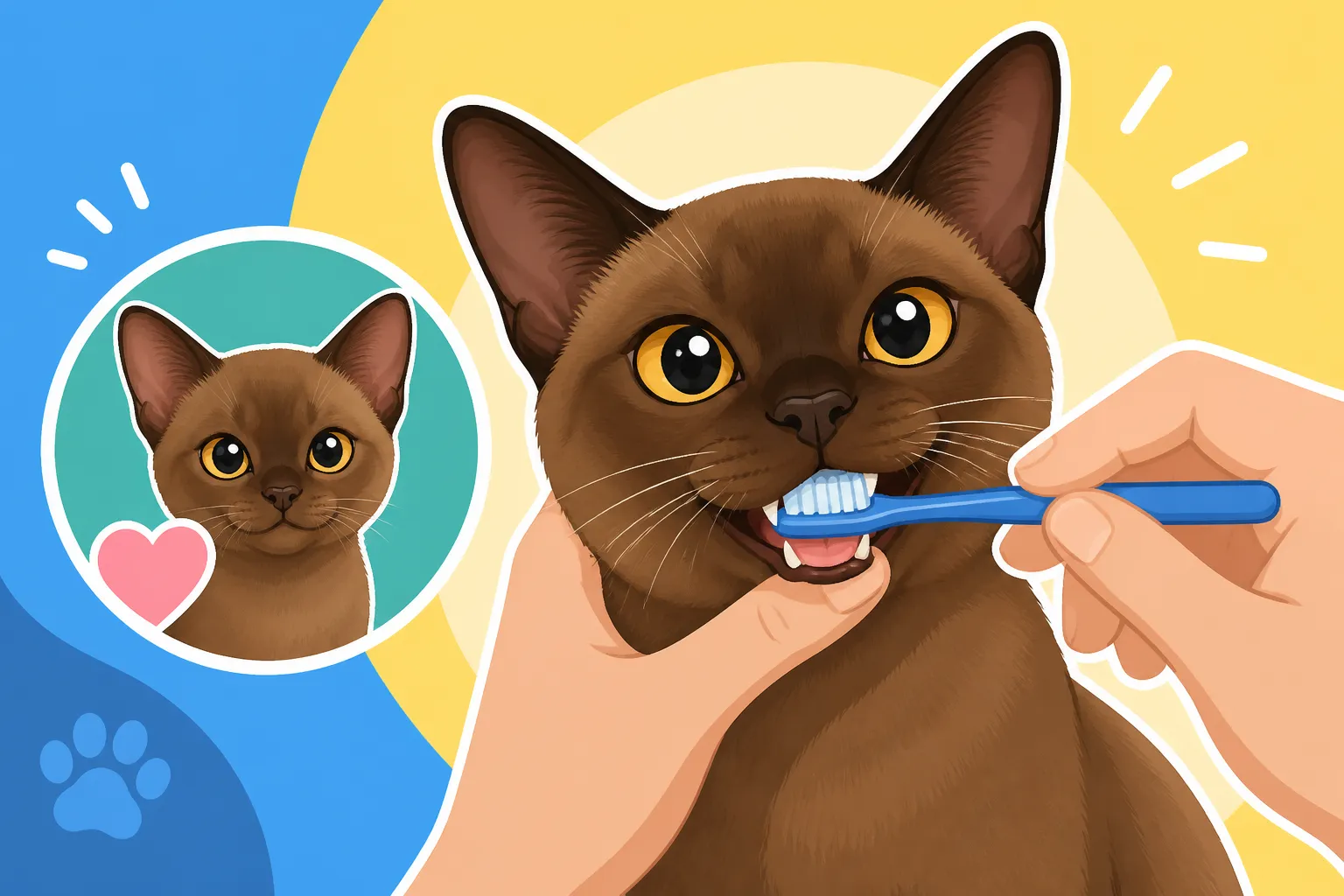
The key is gentle restraint, not force. Avoid scruffing or holding them too tightly, as this can create negative associations and make them anxious. Instead, use your supporting hand to gently cup their chin or top of their head, just enough to stabilize them and keep their head still. With your thumb and forefinger, you can carefully lift their upper and lower lips to expose the teeth you want to brush. Speak to them in a soft, reassuring voice throughout the process, praising their cooperation. This isn't about overpowering them; it's about guiding them with calm confidence.
Remember that Burmese cats are incredibly affectionate and crave interaction. Leverage this trait. Make eye contact, offer loving words, and perhaps even a gentle scratch behind the ears after the brushing is done. If you're stressed or anxious, your kitten will pick up on that, making them more resistant. Take a deep breath, stay calm, and approach it as another bonding moment, not a wrestling match.
Focusing on Key Areas of the Mouth
When it comes to actual brushing, you don't need to try and clean every single surface of every tooth perfectly, especially in the beginning. The most critical area to focus on are the outer surfaces of the teeth, those facing the cheeks. This is where plaque accumulates most rapidly because the tongue's natural cleaning action doesn't reach these areas as effectively.
With a small, soft-bristled toothbrush, gently aim the bristles at a 45-degree angle to the gum line. This angle allows the bristles to get into the sulcus – the tiny pocket between the tooth and the gum – where bacteria and food particles love to hide. Use a soft, circular motion, almost like a gentle massage, along the gum line and the tooth surface. Don't press too hard; you want to disrupt the plaque, not irritate the gums.
Pay particular attention to the canine teeth (the fangs) and the premolars and molars at the back of the mouth. The molars, in particular, are plaque magnets. These can be trickier to reach, requiring you to gently pull back the cheek. Work your way around the mouth, spending a few seconds on each section. You'll quickly develop a rhythm. Initially, just focusing on the outer surfaces of the upper and lower teeth is perfectly acceptable. As your kitten gets more tolerant, you can gradually expand your reach.
Recognizing Signs of Discomfort or Progress
Your kitten's body language will tell you everything you need to know. If they start to pull their head away, shake their head, vocalize displeasure (beyond a mild grumble), or become squirmy, these are clear signals that they're uncomfortable. When this happens, immediately stop the brushing, offer reassurance, and let them go. Don't push through the resistance, as this will only create negative associations and make future sessions harder. It's perfectly okay to have a "bad" session and try again later.
On the flip side, recognize and celebrate even the smallest signs of progress! Maybe they tolerated an extra second of brushing, or they didn't try to bat the brush away. Maybe they just purred throughout the whole thing, or eagerly came to you when they saw the toothbrush come out. These are victories! Lavish them with praise, affection, and a small, healthy treat (remembering their diabetes predisposition). Your positive reinforcement is key to reinforcing good behavior.
Progress isn't linear, and that's absolutely fine. Some days will be smoother than others. What matters most is consistency and your unwavering patience. If you hit a roadblock, don't get discouraged. Go back a step – maybe just focus on finger-rubbing with toothpaste for a few days – and then slowly reintroduce the brush. Every kitten is an individual, and adapting your approach to their specific personality and comfort level is the mark of a truly dedicated owner. Remember, this is about building a lifelong habit, not achieving perfection overnight.
Integrating Dental Health into Overall Burmese Care
Brushing your Burmese kitten's teeth is a fantastic start, but it's just one piece of the puzzle when it comes to comprehensive oral health. A holistic approach, integrating diet, regular veterinary checks, and keen observation, is essential for truly protecting your Burmese from dental disease throughout their life.
The Interplay of Diet and Dental Health
Believe it or not, what you put into your Burmese's bowl has a profound impact on their dental health. For a breed already prone to issues, diet becomes a medical decision, not just a preference. High-carbohydrate diets, often found in dry kibble, can contribute to plaque formation. The starches in these foods cling to teeth, providing a feast for bacteria, which then leads to plaque, tartar, and eventually, periodontal disease. This is particularly concerning for Burmese cats, who have a well-documented genetic predisposition to diabetes.
A low-carbohydrate, high-protein wet food diet is generally recommended for Burmese cats for several reasons, including managing their diabetes risk. From a dental perspective, wet food contains significantly less starch than most kibbles, reducing the amount of food particles that can stick to teeth and fuel bacterial growth. It also helps keep them hydrated, which is good for overall health. Why Low Carbohydrate Food Matters for a Burmese dives deep into this topic, explaining how reducing carbs can be a game-changer for their overall well-being, including their oral health.
Furthermore, how you feed your Burmese is as important as what you feed them. Free-feeding, where kibble is left out all day, allows bacteria in the mouth to have a constant supply of food, leading to continuous plaque buildup. For a Burmese, this practice is not only detrimental to dental health but also a major risk factor for obesity and diabetes. Why a Burmese Should Never Be Free Fed is a must-read for any Burmese owner. Instead, measured, portioned meals given twice a day help control calorie intake, maintain a healthy weight, and give the mouth a break between meals. Excellent low-carb wet food options suitable for Burmese are widely available, and some brands focus on high-quality, biologically appropriate ingredients.
Regular Vet Checks and Professional Cleanings
Even with the most diligent home brushing routine, regular veterinary check-ups are non-negotiable. Your veterinarian is your partner in maintaining your Burmese's oral health. During annual exams, they will perform an oral examination, looking for early signs of gingivitis, plaque, tartar, fractured teeth, or other issues that you might not notice at home. They have a trained eye and specialized tools to spot problems before they become severe. How Often a Healthy Adult Burmese Needs Checking outlines the importance of these routine visits for all aspects of their health.
While home brushing is a fantastic preventative measure, it often can't reach every nook and cranny, nor can it remove hardened tartar that has already formed. If significant tartar buildup occurs, your vet might recommend a professional dental cleaning. This procedure is performed under anesthesia, allowing the vet to thoroughly examine every tooth, clean below the gum line (where most disease hides), polish the teeth, and address any extractions or other necessary treatments. It sounds daunting, but it's a critical tool for maintaining oral health.
Home brushing significantly extends the time between professional cleanings, potentially reducing how often your Burmese needs to go under anesthesia. Think of it this way: brushing is like doing your dishes daily, while professional cleaning is like periodically deep cleaning your oven. Both are necessary for a truly clean kitchen! Always discuss your home dental routine with your vet. They can offer personalized advice, demonstrate proper brushing techniques, and help you decide when a professional cleaning might be necessary, ensuring your Burmese receives the best possible care.
Recognizing Warning Signs of Dental Disease
Because cats are incredibly stoic animals, they often hide pain and discomfort until it's quite severe. This means you need to be a super-sleuth when it comes to their health, especially their dental health. Beyond your regular brushing sessions, keep an eye out for any subtle changes that might indicate a problem.
The most common early warning sign is bad breath, officially called halitosis. While no cat's breath is minty fresh, a sudden, strong, foul odor is usually a sign of bacterial overgrowth in the mouth due to plaque and infection. Other signs include excessive drooling, especially if the saliva is tinged with blood, or if your cat suddenly becomes more selective about what they eat. You might notice them favoring one side of their mouth, dropping food while eating, or chewing unusually slowly. Why a Burmese That Drops Food Needs Its Mouth Checked explains these specific behaviors in detail.
Beyond eating habits, watch for pawing at the mouth, swelling on one side of the face, or reluctance to allow you to touch their head or mouth. Sometimes, even a change in their personality – becoming more withdrawn, less playful, or irritable – can be a subtle indicator of chronic pain, including dental pain. If you observe any of these signs, don't delay. Schedule a vet appointment right away. Early intervention can prevent more severe pain, extensive dental work, and potential systemic health complications. Your swift action can make all the difference in alleviating their discomfort and preserving their health.
Common Challenges and Troubleshooting for Burmese Dental Care
Let's be realistic: even with the most cooperative Burmese kitten, the path to consistent dental care isn't always smooth. You'll likely encounter bumps along the way, moments of resistance, or scheduling conflicts. The key is to anticipate these challenges and have a strategy in place, rather than giving up entirely.
Dealing with Resistance and Fear
Even the most affectionate Burmese can have an off day or suddenly decide they're not keen on the toothbrush. It's frustrating when your usually cuddly companion transforms into a wriggly, protesting bundle of fur the moment the brush appears. First, validate that feeling – it's tough when your efforts are met with resistance. But remember, this isn't a failure on your part, nor is it a deliberate act of defiance from your cat. It's simply a sign that you need to slow down and reassess your approach.
If your kitten suddenly becomes resistant, go back to basics. Stop trying to brush and revert to simple, gentle mouth touches with your finger, perhaps with a tiny smear of toothpaste on it. Re-establish that positive association with treats and praise for even the smallest acceptance. You might even go back to letting them just lick the toothpaste off your finger or the brush, making it purely a positive, tasty experience again. The goal is to rebuild trust and demonstrate that this isn't a scary or painful procedure.
Another strategy is to break down the process into even smaller, more manageable steps. Perhaps one day you only touch their cheek, the next you lift their lip, the next you briefly touch a canine tooth with the brush. Take frequent, short breaks within a session, and always end on a positive note. Never punish or scold your kitten for resisting, as this will only fuel their fear and resistance. Patience and consistent positive reinforcement are your most powerful tools here. Sometimes, simply trying at a different time of day when they are naturally sleepier or more relaxed can make a world of difference.
Overcoming Scheduling Hurdles
In our busy lives, finding dedicated time for a task that isn't immediately critical can be a challenge. You might have the best intentions, but then work runs late, you're exhausted, or you simply forget. The thought of adding "brush cat's teeth" to an already packed schedule can feel overwhelming. This is a very common hurdle, and it's where many well-intentioned dental routines fall by the wayside.
To overcome this, try to integrate brushing into an existing daily routine. For example, if you always have cuddle time on the couch in the evening, make toothbrushing a quick, five-minute segment of that. Or perhaps it's immediately after their morning meal, while they're still in a food-coma state. The predictability of linking it to something else you already do makes it less likely to be forgotten. Set a reminder on your phone if you need to!
Remember, consistency is key, but perfection isn't the enemy of good. If you can't manage a full session every single day, aim for 3-4 times a week. Even two times a week is significantly better than never. Don't let the pressure of "doing it perfectly" stop you from doing it at all. A quick, gentle pass over the most accessible teeth is better than no brushing at all. Your commitment to even a slightly less-than-perfect routine will still yield significant benefits for your Burmese's oral health over their lifetime.
Multi-Cat Households and Different Dietary Needs
Ah, the joys and complexities of a multi-cat household! If you have more than one Burmese, or a Burmese alongside other breeds, managing dental care and diet can become a delicate balancing act. You might have one cat who needs a specific low-carb dental diet, while another is on a different regimen, or perhaps one is more cooperative with brushing than the other.
The primary challenge often lies in separate feeding. If one Burmese needs a specific low-carbohydrate wet food for dental health (and to manage diabetes risk), you'll need to ensure they're the only one eating it. Microchip-activated feeders, available from retailers like Amazon and Chewy, can be an absolute godsend here. These feeders only open for the cat whose microchip is programmed into the device, preventing other cats from stealing their food. This ensures your designated Burmese receives their appropriate diet without interference.
For brushing, try to establish individual routines. Perhaps one cat gets brushed in the bathroom, the other in the living room. Or allocate different times of day. This prevents one cat's negative experience from influencing the other and allows you to focus your attention entirely on the cat being brushed. It's also vital to discuss your multi-cat household dynamics with your veterinarian. They can help you devise a feeding and dental care strategy that addresses each cat's individual needs while maintaining harmony in your home. Remember, while two Burmese are often happier than one, managing their specific health needs requires careful planning.
| Brushing Steps for Your Burmese Kitten | What to Do (Approx. Time) | Goal |
|---|---|---|
| Phase 1: Trust & Touch | ||
| Weeks 1-2: Cheek & Chin Rubs | 30 seconds, 2-3x daily | Kitten accepts gentle facial touch. |
| Weeks 3-4: Lip Lifts & Gum Touches | 30-60 seconds, 2x daily | Kitten accepts lips being lifted and brief finger-touches on gums. |
| Phase 2: Introduce Paste & Brush | ||
| Weeks 5-6: Paste from Finger/Brush | 1 minute, 1x daily | Kitten enjoys taste of toothpaste and tolerates brush presence. |
| Weeks 7-8: Brief Brushing (1-2 teeth) | 1-2 minutes, 1x daily | Kitten allows brief contact of brush on a couple of teeth. |
| Phase 3: Routine & Technique | ||
| Week 9 onwards: Consistent Brushing | 2-3 minutes, 3-7x weekly | Establish full routine, focusing on gumline, outer surfaces. |
| Ongoing: Monitor & Adjust | Ongoing | Observe for discomfort, praise progress, adapt as needed. |
Caring for your Burmese's teeth from a young age might feel like a significant commitment, but it's one of the most loving and impactful things you can do for them. By taking these proactive steps, establishing a gentle routine, and working closely with your veterinarian, you're setting your beloved feline companion up for a lifetime of comfortable eating, happy purrs, and overall robust health. The bond you build through these dedicated moments will only deepen, turning a necessary task into another cherished way you show your Burmese just how much they mean to you.
Disclaimer
This article is for general informational purposes only and does not constitute professional advice. Laws, prices and regulations vary by location and change over time. Consult a qualified professional for guidance on your specific situation.