Why a Burmese’s Portion Is Weighed, Not Scooped
It’s a scenario many of us cat parents know all too well: you grab the food bag, reach for the scoop, and just eyeball a serving for your beloved feline. It feels quick, easy, and surely close enough, right? But for a Burmese cat, this casual approach to mealtime can have surprisingly significant and long-lasting health consequences. This guide will walk you through exactly why precision weighing, not scooping, is a non-negotiable part of caring for your Burmese, safeguarding their health for years to come.
The Hidden Dangers of Scooping for a Burmese
When we scoop food, we often don't realize just how much variation there can be from one serving to the next. A slight tilt of the bag, a different scoop angle, or even just whether the kibble is loosely packed or compacted can change the actual volume and, crucially, the calorie count. For many cat breeds, these minor discrepancies might not be a huge deal, but for a Burmese, with their specific physiological predispositions, it can set them on a perilous path.
Inconsistent Calorie Intake and Weight Creep
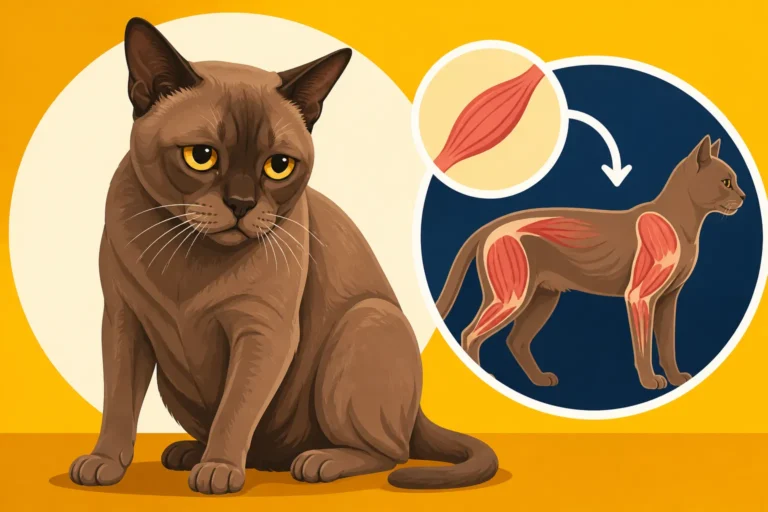
Imagine for a moment that your scoop provides, on average, an extra 10-15 calories per day simply due to minor inconsistencies. That might not sound like much in human terms, but for a small cat, it adds up quickly. Over weeks and months, those seemingly insignificant extra calories become noticeable weight gain. The challenge with a Burmese is their incredibly muscular and compact build; they're often described as a "brick wrapped in silk." This dense physique means that weight creep can be incredibly stealthy, hiding beneath their famously sleek and short coat. You might not see the classic "saddlebags" or a bulging tummy until the weight gain is already substantial. This makes it so easy to miss the early warning signs, which means by the time you realize your Burmese is overweight, they might be carrying a significant amount of excess fat that has accumulated slowly and steadily.
This consistent overfeeding, even by small amounts, creates a caloric surplus that the Burmese body, with its efficient metabolism, stores as fat. Their high energy needs mean they’re always keen for food, and many owners mistakenly believe a constantly hungry cat must need more to eat. In reality, this can often be a behavior drive rather than true hunger, especially if their diet isn't balanced. Scooping, by its very nature, encourages this inconsistency, making it incredibly difficult to truly track and manage their caloric intake, leading to insidious weight gain over time.
The Direct Link to Diabetes Risk
Perhaps the most critical reason to abandon the scoop for your Burmese is their alarming genetic predisposition to Feline Diabetes Mellitus. It's not just a casual risk; studies have shown that the Burmese breed has a significantly higher chance of developing diabetes compared to other breeds. In fact, The Burmese Has the Highest Diabetes Rate of Any Cat Breed is a stark reality that every owner must acknowledge. This isn't just bad luck; it's a breed-specific vulnerability that is profoundly impacted by diet and weight.
Obesity is a well-established trigger for diabetes in cats. When your Burmese is consistently overfed due to inaccurate scooping, they gain weight. This excess weight strains their pancreas, leading to insulin resistance, a precursor to full-blown diabetes. It's a cruel irony that a small, seemingly harmless extra bit of food each day can contribute to such a devastating and life-altering condition. Once a Burmese becomes diabetic, their life changes dramatically, requiring daily insulin injections, constant monitoring, and a very strict diet. The emotional and financial toll of managing a diabetic cat is immense, and it’s a burden that precise feeding can often help prevent or delay. Why a Burmese Is Four Times More Likely to Become Diabetic explains this in more detail.
Why a Burmese's Metabolism Demands Precision
The Burmese cat isn't just another pretty face; they possess a unique metabolism and body structure that sets them apart from many other domestic felines. This distinct physiology means that a "one-size-fits-all" approach to feeding simply doesn't work for them. Their specific biological traits demand a more thoughtful and precise approach to nutrition, making weighed portions not just beneficial, but truly essential for their long-term health and well-being.
Their Unique Body Composition and Muscle Mass
Anyone who has ever picked up a Burmese knows they feel surprisingly heavy for their size. This isn't because they're fat (though they can be!), but because they are incredibly muscular and dense. Their powerful, compact bodies are often described as feeling like "a brick wrapped in silk." This substantial muscle mass requires a consistent supply of high-quality protein to maintain, and it means they burn calories differently than a more lightly built cat. They have a higher lean body mass, which can translate to a slightly higher metabolic rate, but it also means that any excess calories are readily converted into fat that can be hard to spot. Why a Burmese Is Heavier Than It Looks goes into greater detail about this characteristic.
Because of this unique composition, visually assessing whether a Burmese is at an ideal weight or creeping into overweight territory can be deceptively challenging. Their sleek, short coat lies flat, often camouflaging a thickening waistline or a broadening back. Unlike fluffier breeds where a few extra pounds might be obvious, an overweight Burmese might still appear relatively streamlined, fooling even experienced owners. This hidden weight gain is precisely why relying on sight or a generic scoop is so risky; it's too easy to underestimate how much food they're truly getting and how quickly that extra bit adds up on their dense frame.
The Breed's Predisposition to Insulin Resistance
The genetic wiring of the Burmese breed makes them particularly susceptible to developing insulin resistance. This isn't just about general feline health; it's a specific vulnerability ingrained in their lineage. Insulin resistance means their body's cells don't respond as effectively to insulin, the hormone responsible for regulating blood sugar. When cells become resistant, the pancreas has to work harder, producing more and more insulin to try and keep blood sugar levels stable. Over time, this overworked pancreas can become exhausted, leading to a decline in insulin production and, ultimately, Type 2 diabetes.
This genetic predisposition is a ticking clock, and diet plays a massive role in either winding it up faster or slowing it down. Consistent overfeeding, especially with diets high in carbohydrates (which break down into sugars), puts immense stress on this already vulnerable system. Each time a Burmese consumes more calories than they need, or a diet that forces their blood sugar to spike, they nudge themselves closer to insulin resistance and potentially diabetes. Precision feeding, by carefully controlling caloric intake and providing a diet tailored to their needs, becomes a vital preventative measure. It helps to keep their blood sugar levels stable, eases the burden on their pancreas, and gives them the best possible chance to avoid or delay the onset of this serious condition. How Much Weight Raises a Burmese's Diabetes Risk is a must-read for any Burmese owner.
The Tools and Techniques for Accurate Portioning
Making the switch from scooping to weighing might sound a little intimidating at first, like you're turning mealtime into a science experiment. But trust me, it's easier than you think, and the peace of mind knowing you're doing the absolute best for your Burmese is priceless. It's about building a simple, consistent routine that quickly becomes second nature.
Choosing the Right Digital Scale
The first step to accurate feeding is investing in a good quality digital kitchen scale. You don't need anything overly fancy or expensive, but there are a few features that will make your life much easier:
- Precision: Look for a scale that can measure in grams, ideally with increments of 1 gram. Most cat food portioning will be in gram measurements, as these are much more precise than ounces for smaller quantities.
- Tare Function: This is crucial. A "tare" button allows you to place a bowl on the scale, press "tare" to zero it out, and then add the food. This means you only measure the food, not the bowl, which makes the process much cleaner and more accurate.
- Easy to Clean: Let's face it, food spills happen. A scale with a smooth, wipeable surface is always a bonus.
- Capacity: Ensure it can handle the weight of your cat's food bowl plus the food. Most kitchen scales will easily manage this.
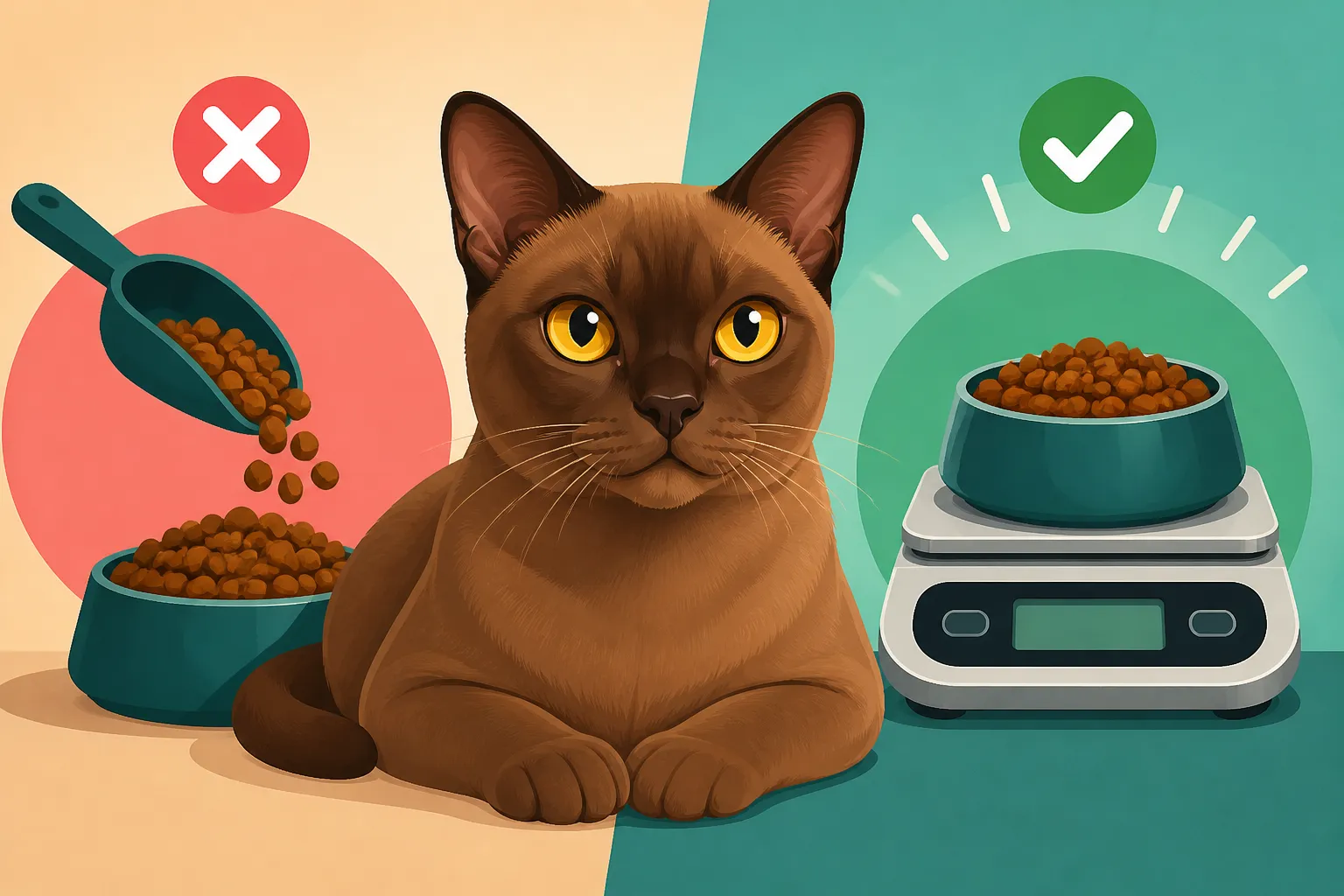
Once you have your scale, using it is simple. Place your cat's clean bowl on the scale, press the tare button, and then carefully add the food until you reach the precise gram weight recommended by your vet or the food packaging for your cat's target weight. Whether it's wet food or kibble, the process is the same. You can find excellent, affordable options on retailers like Amazon or Chewy that fit these criteria. This simple tool is your number one ally in ensuring Why Portion Control Is Medical Care in a Burmese.
Understanding Your Burmese's Caloric Needs
Knowing how many calories your Burmese actually needs is paramount. This isn't a fixed number; it varies based on several factors:
- Age: Kittens have higher caloric needs for growth, while senior cats might need fewer calories as their metabolism slows down, unless they're struggling to maintain weight.
- Activity Level: A super playful, active Burmese zooming around the house all day will naturally burn more calories than a more sedate couch potato.
- Spay/Neuter Status: Spayed or neutered cats often have slightly lower caloric needs than intact cats due to hormonal changes affecting metabolism. This is particularly relevant given Why a Neutered Male Burmese Is Highest Risk for diabetes.
The best source for personalized caloric recommendations is always your veterinarian. They can assess your cat's current weight, ideal target weight, body condition score, and activity level to provide a precise daily caloric target. They might even calculate it in grams for you! As a general guideline, an average adult, neutered Burmese might need around 20-25 calories per pound of ideal body weight per day, but this can fluctuate wildly. Always check the specific calorie density (kcal/cup or kcal/kg) of your chosen food, as this varies hugely between brands and types of food. For example, a high-protein, low-carb wet food might have a different calorie density per gram than a dry kibble. Knowing your Burmese's exact caloric needs is the foundation upon which accurate weighing is built. How Many Calories a Neutered Adult Burmese Burns can help you understand this more deeply.
The Art of Meal Planning and Consistency
Once you know the total daily grams of food your Burmese needs, the next step is to divide that into meals and establish a consistent schedule. For many cats, two meals a day works well, usually in the morning and evening. However, some owners find three smaller meals are beneficial, especially if their cat is particularly prone to begging or if they are on insulin and need meals timed precisely around injections.
Consistency is key here, not just in the amount of food, but in the timing. Cats are creatures of habit, and regular meal times help regulate their digestive system and metabolism. It also helps manage their expectations around food, reducing incessant begging if they know exactly when their next meal is coming. If your Burmese is already diabetic and on insulin, meal timing becomes even more critical. Insulin injections often need to be given after a meal to ensure the food can be metabolized effectively. How to Feed a Burmese on Insulin Around Its Injections provides essential guidance for this specific situation. Avoid leaving food out all day, as this "free feeding" approach makes it impossible to track intake and encourages overeating, which is particularly dangerous for a diabetes-prone Burmese. Why a Burmese Should Never Be Free Fed is a critical principle to adopt.
Beyond Weight: The Role of Diet Composition
While precise portion control is crucial, what you're actually feeding your Burmese is equally important, especially given their genetic vulnerabilities. It's not just about the quantity of food, but the quality and composition that truly impact their long-term health. A diet specifically tailored to their needs can make a world of difference in preventing issues like diabetes and maintaining their strong, muscular physique.
The Carbohydrate Conundrum
This is a big one for Burmese cats. Due to their predisposition to diabetes and insulin resistance, minimizing carbohydrate intake is incredibly important. Many commercial cat foods, particularly kibble, contain significant amounts of carbohydrates from ingredients like corn, wheat, rice, or potatoes. While cats can digest some carbohydrates, their bodies are primarily designed to process protein and fat. High carbohydrate loads can lead to rapid spikes in blood sugar, putting extra strain on an already vulnerable pancreas. Over time, this consistent stress can accelerate the development of insulin resistance and, eventually, diabetes.
When choosing food for your Burmese, meticulously check the ingredient list and the guaranteed analysis. While carbohydrate content isn't always listed directly, you can often estimate it by subtracting the protein, fat, moisture, and ash percentages from 100%. Aim for foods with a carbohydrate content of 10% or less on a dry matter basis. This often means favoring high-quality wet foods, as they naturally tend to be lower in carbs than dry kibble. Learning to read food labels and understanding what they don't tell you is a powerful tool in your Burmese's health arsenal. Why Low Carbohydrate Food Matters for a Burmese dives deeper into this topic.
Prioritizing High Protein and Moisture
For a muscular breed like the Burmese, a diet rich in high-quality animal protein is non-negotiable. Protein is essential for maintaining their lean muscle mass, supporting their metabolism, and keeping them feeling full and satisfied. Look for foods where meat is the first ingredient, and ideally, multiple meat sources appear high up on the list. Whole animal proteins like chicken, turkey, beef, or fish should be the foundation of their diet.
Equally important is a high moisture content. Cats, by nature, are not big drinkers, as they evolved to get most of their hydration from their prey. Domestic cats often live in a state of mild, chronic dehydration, which can stress their kidneys and urinary tract. Feeding a primarily wet food diet helps ensure your Burmese stays well-hydrated, supporting overall organ health and potentially reducing the risk of urinary issues. Wet food also tends to be more satiating than dry kibble, helping to manage appetite and prevent overeating without adding excess calories. Many reputable brands offer excellent high-protein, low-carb wet food options that align perfectly with the dietary needs of a Burmese cat.
Making the Transition to Weighed Feeding Smoothly
Switching from free-feeding or casual scooping to a precise, weighed meal plan can feel like a big change for both you and your Burmese. Cats are creatures of habit, and they don't always take kindly to sudden alterations in their routine, especially when it comes to food. The key is to introduce these changes gradually and with patience, ensuring your beloved cat adapts happily and healthily to their new regimen.
Gradual Changes to Prevent Food Aversion
Imagine going from an "all-you-can-eat" buffet to strict portion control overnight. Your Burmese might feel the same way! A sudden, drastic reduction in food or an immediate switch to a completely new type of food can lead to food aversion, where your cat might refuse to eat altogether. This is not only stressful but can be dangerous for cats, potentially leading to hepatic lipidosis (fatty liver disease) if they go too long without eating. Why Rapid Weight Loss Gives a Burmese Fatty Liver is a severe risk to avoid.
Instead, implement changes slowly over several days or even a couple of weeks. If you're currently free-feeding, start by picking up the food bowl for short periods, gradually extending the time until you establish a consistent morning and evening mealtime. Once meal times are established, begin to weigh their current food using the digital scale. If you're also transitioning to a new food (e.g., lower carb wet food), do so by mixing a small amount of the new food with their old food, gradually increasing the proportion of the new food over several days. Monitor their intake closely and ensure they are eating enough at each meal. If they turn their nose up, slow down the transition. Remember, patience is a virtue, and a happy eater is a healthy eater.
Monitoring Progress and Adjusting as Needed
The journey to optimal health for your Burmese isn't a "set it and forget it" situation. It requires ongoing monitoring and occasional adjustments. The goal of weighing their food is to achieve and maintain an ideal body condition, which isn't always just about a number on a scale. While regular weight checks are important—ideally weekly or bi-weekly at home—you also need to learn how to assess their body condition manually.
You should be able to feel your Burmese's ribs easily, with a thin layer of fat covering them, but not see them prominently. Their waist should be evident when viewed from above, and their belly should tuck up slightly when viewed from the side. How to Weigh a Burmese Accurately at Home can guide you through the process. Keep a log of their weight and body condition score. If your Burmese is steadily gaining weight despite precise portioning, or if they seem too thin, it's time to consult your veterinarian. They can help you fine-tune the caloric intake, ensuring your cat is getting exactly what they need for their current life stage and activity level. If your Burmese is overweight, remember that How Slowly an Overweight Burmese Should Lose Weight is essential to prevent health complications. Never make drastic changes without professional veterinary guidance.
Disclaimer
This article is for general informational purposes only and does not constitute professional advice. Laws, prices and regulations vary by location and change over time. Consult a qualified professional for guidance on your specific situation.