Which Carbohydrate Percentage a Burmese Should Stay Below
One of the biggest worries for any Burmese cat owner, or anyone considering bringing one of these beautiful, affectionate felines into their home, is their well-documented predisposition to certain health conditions. Among them, diabetes stands out, and it's a concern that often boils down to something as fundamental as what's in their food bowl. Understanding and carefully managing the carbohydrate percentage in your Burmese's diet isn't just a recommendation; it's a critical component of their preventative healthcare. This guide will help you decipher food labels, understand the specific dietary needs of your Burmese, and ultimately, help you make choices that support a long, healthy life for your beloved companion.
The Unique Metabolic Needs of the Burmese Cat
It’s no secret that Burmese cats are special. Their charming personalities, their dog-like devotion, and their gorgeous satin coats are just some of the reasons we adore them. But beneath that silky exterior lies a metabolism that requires particular attention, especially when it comes to their diet. Ignoring these unique needs can open the door to serious health issues, particularly diabetes, which is sadly far too common in this breed.
Why the Burmese is Prone to Diabetes
Let's be blunt: the Burmese cat has the highest diabetes rate of any cat breed. It’s a sobering fact, but one that every Burmese owner needs to be aware of. This isn't just bad luck; it's rooted in their genetics. Studies have shown that Burmese cats have a genetic predisposition that makes them four times more likely to become diabetic than other cat breeds. Their bodies appear to be less efficient at processing carbohydrates, leading to a higher risk of insulin resistance.
This means that while a typical housecat might tolerate a certain level of carbohydrates in their diet without immediate ill effects, a Burmese cat's system is already on a tighterrope. What might be considered acceptable for other breeds could be actively harmful for a Burmese. It's not about blame; it's about understanding the hand genetics has dealt them and adapting their care accordingly. Why a Burmese Is Four Times More Likely to Become Diabetic delves deeper into the specifics of this genetic link, providing crucial context for understanding their dietary sensitivities.
Understanding Feline Nutrition Basics for the Burmese
To truly grasp why carbohydrate levels matter so much, we need to remember that cats, including our beloved Burmese, are obligate carnivores. This isn't just a fancy term; it defines their entire digestive system and nutritional requirements. In the wild, a cat's diet consists almost exclusively of prey animals – mice, birds, small reptiles – which are high in protein, moderate in fat, and very, very low in carbohydrates.
Their bodies are simply not designed to process large amounts of plant-based sugars and starches. They lack certain enzymes that omnivores or herbivores possess, making it difficult for them to efficiently convert carbohydrates into energy. Instead, excess carbohydrates are often stored as fat, contributing to weight gain and, crucially for the Burmese, straining their already sensitive insulin regulation system. A healthy feline diet, therefore, should always mimic their ancestral diet as closely as possible: rich in animal protein, with appropriate fats, and minimal carbohydrates.
The Dangers of High Carbohydrate Diets in Burmese
For a Burmese, a diet consistently high in carbohydrates is like constantly running their car on the wrong kind of fuel. Their pancreatic beta cells, responsible for producing insulin, are repeatedly stressed by the need to manage elevated blood sugar levels after meals. Over time, this constant demand can lead to insulin resistance, where the body's cells stop responding effectively to insulin, and eventually, pancreatic exhaustion, where the beta cells simply can't produce enough insulin anymore. This is the pathway to Type 2 diabetes.
Beyond the direct risk of diabetes, a high-carb diet can contribute to obesity, which is itself a major risk factor for diabetes and other health problems in cats. It can also lead to inflammation and other systemic issues that compromise overall health and vitality. For a Burmese, this isn't just about general well-being; it's about actively avoiding a preventable disease that can significantly impact their quality of life and lifespan. When we talk about The Burmese Has the Highest Diabetes Rate of Any Cat Breed, it really drives home how crucial this dietary management is for their long-term health.
Deciphering Carbohydrate Percentages on Cat Food Labels
Looking at a cat food label can feel like trying to solve a puzzle written in another language. You'll see protein, fat, fiber, moisture, and ash, but rarely will you find "carbohydrates" listed directly. This omission is a source of immense frustration for many cat owners, especially those with breeds like the Burmese who need strict dietary management. But don't despair! With a little know-how, you can unlock the secrets of carbohydrate content.
The 'Dry Matter Basis' Calculation: Your Secret Weapon
Since carbohydrate content isn't usually printed on the label, you'll need to calculate it yourself. This calculation needs to be done on a "dry matter basis" (DMB) because moisture content can skew the numbers significantly, especially when comparing wet and dry foods. Here's how to do it, step-by-step:
- Find the "Guaranteed Analysis": Look for the minimum percentages of Crude Protein and Crude Fat, and the maximum percentages of Crude Fiber and Moisture. You might also see Ash (max).
- Calculate Dry Matter: Subtract the moisture percentage from 100%. This gives you the percentage of dry matter in the food.
- Example: If a wet food lists 78% moisture, then 100% – 78% = 22% dry matter.
- Convert Listed Nutrients to Dry Matter Basis: Divide each nutrient percentage (protein, fat, fiber, ash) by the dry matter percentage, then multiply by 100.
- Example (using a hypothetical wet food label):
- Crude Protein: 10% min
- Crude Fat: 6% min
- Crude Fiber: 1% max
- Moisture: 78% max
- Ash: 2% max (if listed)
- Dry Matter = 22% (from step 2)
- Protein DMB = (10 / 22) * 100 = 45.45%
- Fat DMB = (6 / 22) * 100 = 27.27%
- Fiber DMB = (1 / 22) * 100 = 4.54%
- Ash DMB = (2 / 22) * 100 = 9.09%
- Example (using a hypothetical wet food label):
- Calculate Carbohydrate DMB: Subtract the DMB percentages of protein, fat, fiber, and ash from 100%.
- Example (continued):
- Carbohydrate DMB = 100% – 45.45% (protein) – 27.27% (fat) – 4.54% (fiber) – 9.09% (ash) = 13.65%
- Example (continued):
This calculation, while a bit tedious at first, becomes second nature and is absolutely essential for making informed dietary choices for your Burmese.
The Ideal Carbohydrate Range for a Burmese
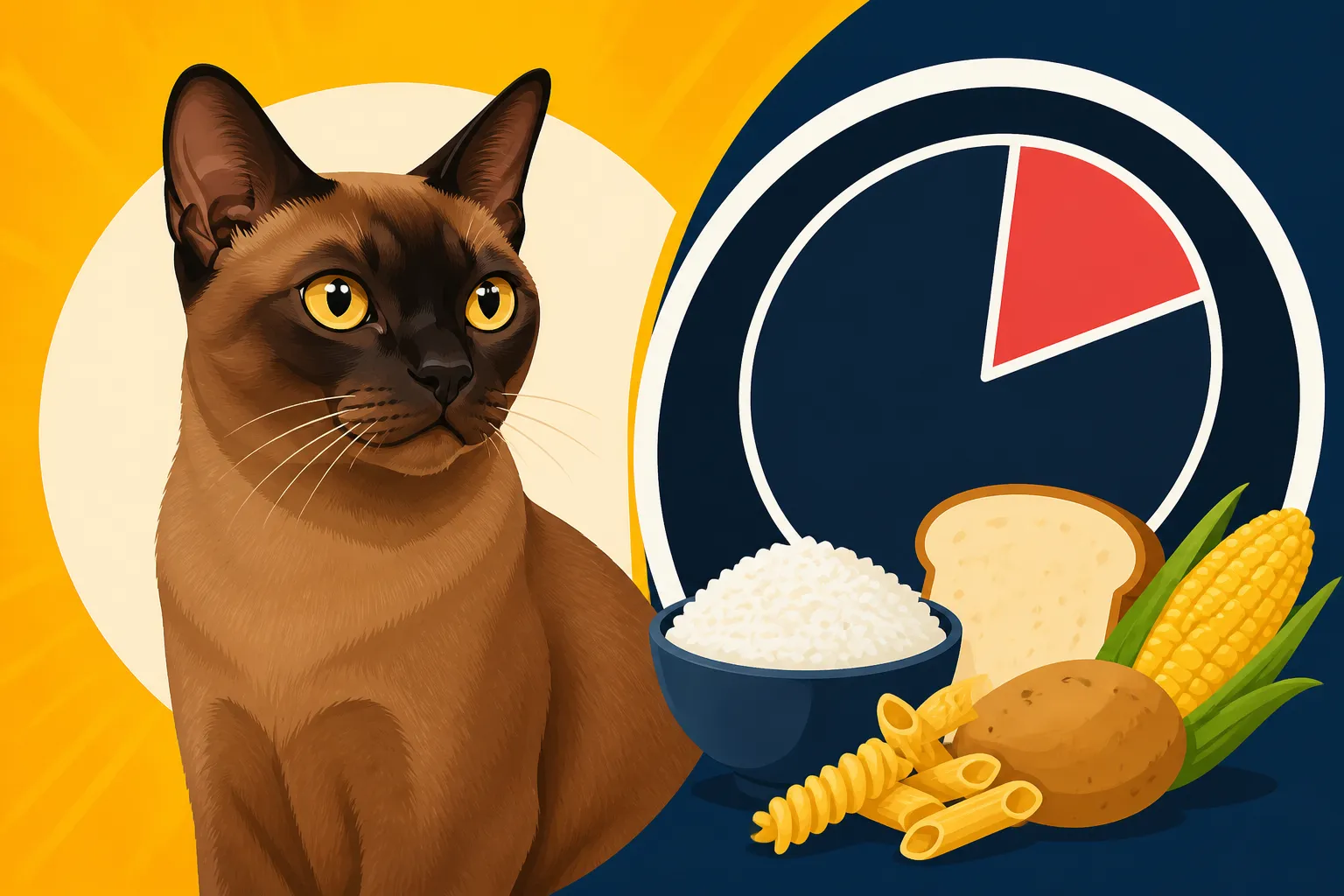
Based on their obligate carnivore nature and their particular susceptibility to diabetes, the ideal carbohydrate percentage for a Burmese cat should be as low as possible. Most veterinary nutritionists and breed specialists recommend aiming for foods with a carbohydrate content of under 10% on a dry matter basis. Many even suggest striving for 5-7% or less, especially if your Burmese is showing any signs of insulin resistance or is already diagnosed with diabetes.
This low percentage ensures that their system isn't constantly battling a sugar overload, giving their pancreas a much-needed break. It's about providing the high-quality protein and moderate fat their bodies thrive on, without the unnecessary starches and sugars that can lead to metabolic trouble. Remember, every Burmese is an individual, but this low-carb principle is a foundational stone for their long-term health. If you are ever unsure, a quick chat with your vet can provide tailored guidance.
Why Wet Food Generally Trumps Dry for Burmese
When you start calculating dry matter carbohydrate percentages, a clear pattern quickly emerges: wet food almost invariably has a lower carbohydrate content than dry kibble. This isn't just a happy coincidence; it's due to the nature of how these foods are manufactured. Dry kibble requires starches to bind the ingredients into those little crunchy pieces, and those starches are, by definition, carbohydrates.
Wet foods, on the other hand, often rely more heavily on meat proteins and fats for their structure and nutritional profile, naturally resulting in much lower carbohydrate levels. They also provide essential moisture, which is beneficial for a cat's urinary tract health, another area where cats can face issues. For a Burmese, making the switch to an exclusively or predominantly wet food diet is often one of the most impactful changes an owner can make to reduce their carbohydrate intake significantly. Why Low Carbohydrate Food Matters for a Burmese explains the deeper nutritional science behind this recommendation.
| Food Type | Typical Moisture % (as fed) | Typical Carb % (as fed) | Typical Carb % (Dry Matter Basis) | Suitability for Burmese |
|---|---|---|---|---|
| Dry Kibble | 5-10% | 25-45% | 27-50% | Generally unsuitable |
| Wet Pate/Chunks | 75-85% | 2-15% | 5-18% | Preferred |
| Prescription Wet | 70-80% | 1-5% | 3-10% | Highly recommended |
| Raw/Fresh Diet | 60-75% | 0-5% | 0-15% | Consult vet, high protein |
Practical Steps to Lower Your Burmese's Carb Intake
Once you understand the 'why' and the 'how' of carbohydrate percentages, the next step is putting that knowledge into action. Switching up your Burmese's diet can feel daunting, especially with a picky eater, but with a strategic approach, it's entirely achievable and profoundly beneficial for their health.
Scrutinizing Ingredients: What to Look For (and Avoid)
Beyond the numbers, the ingredient list itself is a goldmine of information. When you’re looking for low-carb food for your Burmese, you want to see meat, meat, and more meat as the first few ingredients. Think chicken, turkey, beef, fish – specific animal proteins should dominate the list. These are the natural fuel sources for your obligate carnivore.
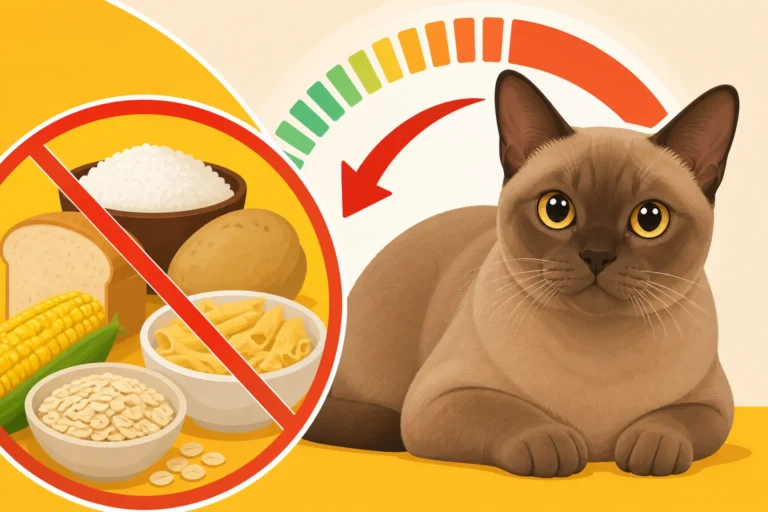
What you want to avoid are common carbohydrate fillers. Keep an eye out for ingredients like corn, wheat, soy, rice, potatoes, sweet potatoes, peas, and other legumes appearing high on the list. While some formulations might include a tiny amount of vegetables or fruits, they should be minimal and certainly not among the primary ingredients. These are typically included to either bind dry kibble or to appeal to human ideas of what makes a "balanced" diet, rather than truly serving a cat's physiological needs.
Finding Low-Carb Commercial Cat Foods
The market for low-carb cat food has expanded significantly as more owners become aware of feline dietary needs. When searching, focus on brands that explicitly market their foods as high-protein, low-carb, or specifically formulated for diabetic cats (even if your Burmese isn't diabetic yet, these diets are often ideal for prevention).
Online retailers like Chewy offer a vast selection, allowing you to filter by dietary needs and read detailed ingredient lists and guaranteed analyses, making comparison shopping much easier. You might also look into fresh or gently cooked food services, which often have precisely balanced, human-grade ingredients and readily available nutritional breakdowns. For sheer convenience and quick delivery, Amazon also stocks a wide range of suitable wet foods, so you can often find your preferred low-carb options with ease. Always remember to check the dry matter carbohydrate calculation for any new food, even if it claims to be “healthy” or “grain-free,” as marketing can sometimes be misleading. Which Wet Food Suits a Diabetes Prone Burmese will guide you to specific types of food that consistently fit the bill.
The Importance of Transitioning Your Burmese's Diet Slowly
Cats, and Burmese in particular, can be creatures of habit when it comes to their food. A sudden, drastic change can lead to digestive upset (vomiting, diarrhea) or, just as frustratingly, outright refusal to eat. This is why a slow transition is absolutely key.
Start by mixing a very small amount of the new low-carb food with their old food. Over the course of 7-10 days (or even longer for particularly finicky eaters), gradually increase the proportion of the new food while decreasing the old. Monitor their appetite, litter box habits, and overall demeanor. If they resist, slow down the process even further. Some tricks include warming up wet food slightly to enhance its aroma, adding a little low-sodium chicken broth, or even dabbing a tiny bit of the new food on their paw for them to lick off. Patience is a virtue here, and your Burmese's long-term health is worth every bit of effort.
Monitoring Your Burmese's Health on a Low-Carb Diet
Making the dietary switch is a huge step, but the journey doesn't end there. Continuous monitoring and regular check-ups are vital to ensure the new diet is working effectively and that your Burmese is thriving. This proactive approach allows you to catch any potential issues early and make adjustments as needed.
Observing Changes in Weight and Energy Levels
One of the most immediate indicators of a successful dietary change is often seen in your Burmese's body condition. Aim to weigh your Burmese accurately at home every week or two. You'll want to see them maintain a healthy weight – not getting too thin, but definitely not gaining excess pounds. A lean, muscular physique is ideal. You should be able to feel their ribs easily under their satin coat without seeing them prominently. How to Weigh a Burmese Accurately at Home provides a detailed guide on how to do this correctly.
Beyond weight, observe their energy levels and overall demeanor. Are they still playful and engaged? Is their coat shiny? Are their eyes bright? A Burmese with balanced blood sugar and optimal nutrition typically has consistent energy, bright eyes, and a healthy coat. If you notice a drop in energy, lethargy, or any other concerning changes, it’s always best to consult your veterinarian promptly.
Regular Vet Check-ups and Glucose Monitoring
Even with the best diet, regular veterinary check-ups remain indispensable, especially for a breed with specific predispositions like the Burmese. Your vet can perform blood tests to monitor overall health and, crucially, keep an eye on glucose levels. For Burmese cats, it's often recommended that their glucose should be checked from around seven years of age, or even earlier if there's a family history of diabetes.
These check-ups can detect subtle changes that might indicate a developing issue before it becomes a full-blown problem. If your Burmese is already diabetic or pre-diabetic, your vet will guide you on how frequently to monitor their glucose and what other tests might be necessary. This partnership with your veterinarian is key to navigating the unique health landscape of your Burmese. Why a Burmese's Glucose Should Be Checked From Seven underscores the importance of these early screenings.
Addressing Common Challenges: Picky Eaters and Multi-Cat Households
Life with cats is rarely perfectly straightforward, and dietary changes can bring their own set of challenges. If your Burmese is a picky eater, the slow transition method mentioned earlier is your best friend. Persistence, patience, and perhaps trying a few different low-carb wet food flavors or textures can often win them over. Remember, their health is worth the effort, even if it feels like a battle of wills sometimes!
In a multi-cat household, especially if not all your cats have the same dietary needs, mealtime can get complicated. Free-feeding is generally a no-go for Burmese cats due to their diabetes risk and tendency to overeat; Why a Burmese Should Never Be Free Fed outlines the risks. Instead, scheduled mealtimes are best. If you have cats on different diets, microchip feeders can be invaluable. These feeders only open for the specific cat whose microchip is programmed into them, ensuring each cat eats only its designated food. Alternatively, feeding cats in separate rooms or at staggered times can also work. It might require a bit of choreography, but it’s crucial to prevent your Burmese from raiding other cats' bowls and undoing all your careful low-carb efforts. How to Keep Two Burmese on Different Diets offers further strategies for managing this common scenario.
Long-Term Benefits and Lifestyle Considerations
Embracing a low-carbohydrate diet for your Burmese isn't just a short-term fix; it's a profound commitment to their long-term health and happiness. The benefits extend far beyond just managing blood sugar, impacting their vitality and ensuring they can enjoy many more years of those delightful shoulder rides and purring cuddles.
Extending Lifespan and Improving Quality of Life
The most significant long-term benefit of a carefully managed, low-carb diet for your Burmese is the potential to extend their lifespan and dramatically improve their quality of life. By mitigating the risk of diabetes, you're not just preventing one disease; you're also avoiding a cascade of associated complications that can arise from it, such as nerve damage, kidney issues, and secondary infections.
A healthy, appropriate diet means a cat with more energy, a stronger immune system, and better overall physical condition. You're setting them up for a lifetime of activity, playful antics, and the deep connection they crave. While genetics play a role, diet is a powerful lever we as owners can pull to help our Burmese live out The Sixteen to Eighteen Years a Well Bred Burmese Gets or even longer, robustly and happily.
The Role of Portion Control and Scheduled Meals
A low-carbohydrate diet works hand-in-hand with diligent portion control and a consistent feeding schedule. For a breed so prone to diabetes and weight gain, free-feeding (leaving food out all day) is truly something to be avoided at all costs. It encourages overeating and constant insulin spikes, which is precisely what we're trying to prevent.
Instead, feed your Burmese two to three measured meals a day at consistent times. Use a kitchen scale to accurately weigh their portions, as even slight variations can add up over time. Why Portion Control Is Medical Care in a Burmese isn't an exaggeration; it truly is a preventative health measure that helps maintain a healthy weight and stable blood sugar levels. These scheduled meals also provide valuable opportunities for you to interact with your cat, monitor their appetite, and generally check in on their well-being.
Understanding That Diet is One Piece of the Puzzle
While diet is incredibly important, especially for a Burmese, it's essential to remember it's one crucial piece of a larger puzzle. A holistic approach to your cat's health includes other vital components. Regular, engaging play helps keep them active and at a healthy weight, which is another significant factor in diabetes prevention. Mental stimulation through puzzle toys and interaction prevents boredom and enriches their lives.
And of course, genetics always play a role. Even with the perfect diet, some Burmese may still face health challenges due to their unique genetic makeup. However, a proper diet significantly reduces these risks and provides the best possible foundation for their health. By addressing diet, exercise, and mental well-being, you're giving your Burmese the best chance at a full, vibrant life, free from the complications of preventable diseases. Understanding Which Diseases the Burmese Actually Carries gives you a broader perspective on their health needs.
Disclaimer
This article is for general informational purposes only and does not constitute professional advice. Laws, prices and regulations vary by location and change over time. Consult a qualified professional for guidance on your specific situation.