How Popular the Burmese Is in Britain
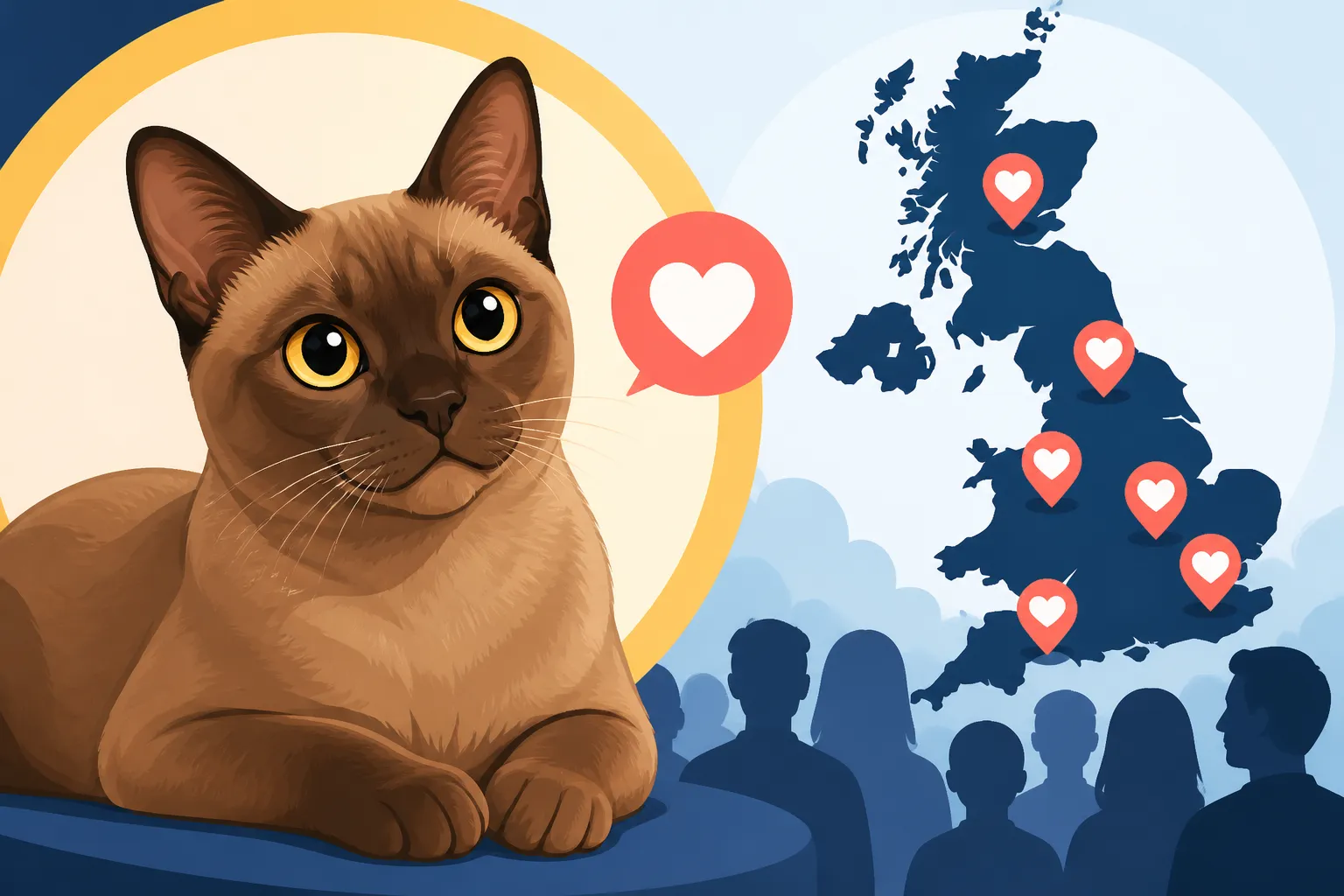
In Britain, the Burmese is recognizable to cat enthusiasts but far less visible than familiar favorites such as the British Shorthair or Maine Coon. That can make it hard to tell whether the breed is genuinely uncommon or simply less fashionable online. This guide explains how Burmese popularity is measured, where the breed fits in Britain’s cat scene, and what its reputation means for prospective owners.
How popular the Burmese is in Britain
A familiar pedigree breed, not a household-name favorite
The Burmese has a long-established place in British pedigree-cat circles. It is recognized by UK cat organizations, has an active breeder community, and is far from an unknown or newly introduced breed. At the same time, it generally has a lower public profile than the breeds people most often see in advertisements, social media posts, and everyday conversations.
That difference is easy to notice if you are searching for a kitten. You may quickly find pages about British Shorthairs, Ragdolls, or Maine Coons, while Burmese breeders can take more deliberate searching to locate. This does not mean the breed has disappeared from Britain. It usually means its breeding community is smaller and its appeal is concentrated among people who specifically want an interactive, people-focused cat.
There is no single number that captures “popularity.” Registration totals show how many pedigree cats are recorded by a particular organization, not how many Burmese cats live in Britain overall. Some cats are registered with different bodies, and unregistered cats, rescues, and crossbreeds may not appear in pedigree figures at all.
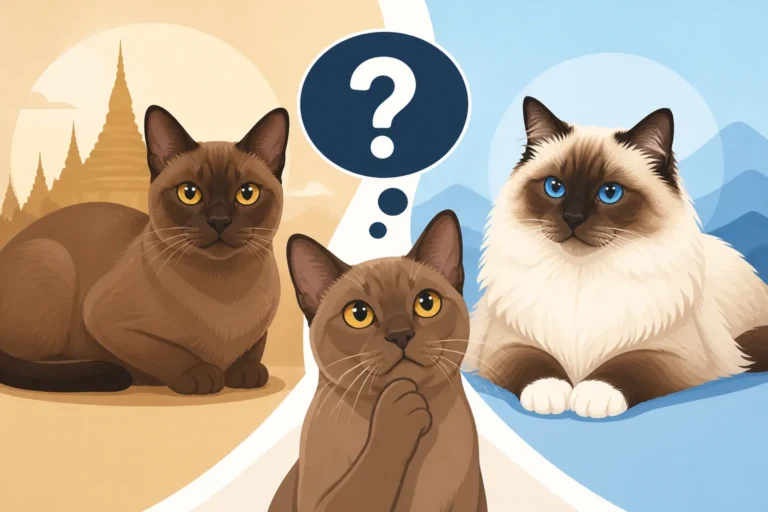
For a fuller picture of the British breed, it also helps to understand How the American and European Burmese Split. The type most commonly associated with British Burmese breeding has its own history and standard, so popularity figures and breeder availability may not translate neatly from the United States.
Why rankings can be misleading
A breed’s position in a registration table can shift from one period to another. A small change in the number of kittens registered may move a less numerous breed several places, while the largest breeds can remain near the top simply because their communities are much bigger. A ranking without the underlying totals can make small differences look more dramatic than they are.
Registration data also measures pedigree activity, not public affection for a breed. A Burmese may be well loved by its owners and respected among breeders without being a common sight in local parks, rescue centers, or general pet advertising. Conversely, a breed can be widely discussed online without being especially common in British homes.
If you come across a Burmese popularity claim, check what it is actually counting. Is it a UK registration figure, an international search trend, a survey, or a retailer’s product category? For instance, Chewy is a US-facing pet retailer, so the visibility of a breed on Chewy is not a reliable measure of how many Burmese cats are registered or kept in Britain. Chewy-related search results may tell you something about American retail visibility, but not the Burmese’s place in UK breed registrations.
Why Burmese cats have a loyal following
Their personality appeals to people who want company
Burmese cats are often valued for being unusually involved in household life. Many enjoy staying near their people, greeting visitors, following someone from room to room, or settling beside a person who is working at home. For an owner who wants an affectionate companion rather than a cat who keeps mostly to itself, that closeness can be a major attraction.
The flip side is that the same trait does not suit everyone. Someone who is away for long stretches may find that a Burmese needs more company and interaction than they expected. A quiet, independent pet might fit that lifestyle better. It is worth reading Why the Burmese Is Called a Dog in a Cat's Body and Why a Burmese Cannot Be Left Alone All Day before deciding that a sociable reputation automatically means the breed will work in your home.
This personality can also help explain why people who have lived with Burmese often become enthusiastic advocates. A friendly cat that joins in with everyday routines makes a strong impression. But owners’ affection is not the same as national popularity: a breed can inspire devoted fans while remaining a relatively specialized choice.
A distinctive appearance without a complicated coat
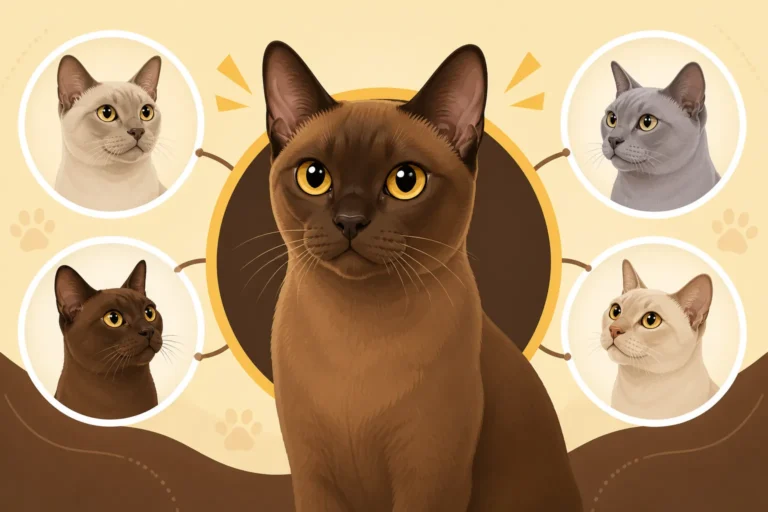
The Burmese’s compact, muscular build and close-lying, glossy coat make it visually distinctive. It can feel surprisingly solid when picked up, even though the short coat does not create the dramatic, long-haired outline some people associate with pedigree cats. Breed standards and accepted colors differ between cat organizations, so the look of individual Burmese cats can vary.
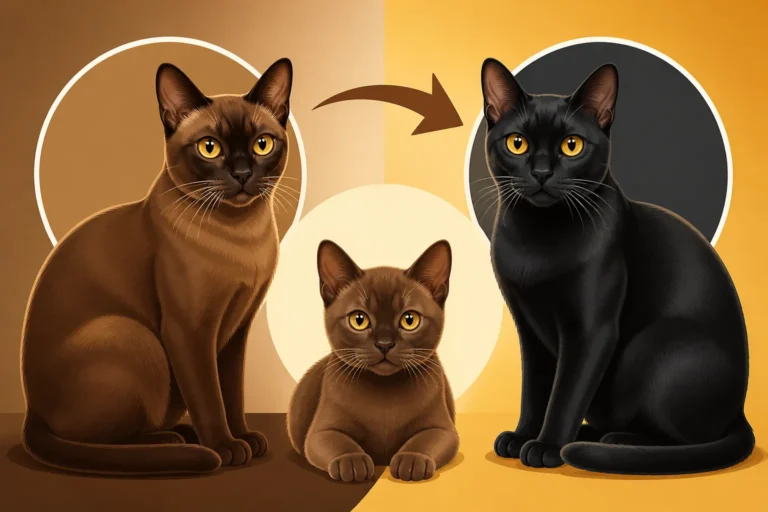
Grooming is usually less demanding than it is for a long-haired breed, though short-haired cats still benefit from routine care and regular handling. A sleek coat does not make any cat maintenance-free: claws, ears, teeth, litter arrangements, play, and veterinary care still need attention. If appearance is part of your decision, What a Burmese Looks Like Against the Standard and The Four Colors a Burmese Comes In offer useful background on what breeders and judges look for.
The Burmese’s look can be another reason it has a particular rather than universal appeal. Some people love the breed’s neat, athletic shape and expressive face. Others are drawn more strongly to a long coat, a larger frame, or a different facial type. Popularity often reflects these changing preferences as much as a breed’s temperament or health.
How to interpret British popularity information
Look for UK-specific evidence
When comparing Burmese popularity with other breeds, start with UK-based sources that explain their counting method. Breed registration information from a British cat registry is more relevant to British pedigree activity than international search results or statistics from another country. Even then, treat a ranking as a snapshot rather than a complete census of cats in homes.
It is also useful to separate breed recognition from breed prevalence. A recognized breed has an established standard and a registration pathway within the relevant organization. That does not mean it has a large number of breeders, kittens, or owners in every part of the country. A breed may be easier to find in one region than another, especially when breeder numbers are limited.
Social media can skew impressions too. A handful of highly visible accounts can make a breed seem more common than it is, while a smaller community may post less often despite having committed owners. Chewy’s US-oriented retail presence is another example of why a search result should not be treated as British evidence: Chewy visibility is not a substitute for UK registrations or local breeder availability.
| Evidence you find | What it can tell you | What it cannot tell you by itself |
|---|---|---|
| UK pedigree registration figures | How many cats were registered through that organization in the period counted | The total number of Burmese cats living in Britain |
| Breeder listings | Whether breeders are advertising or accepting inquiries | How many litters will actually be available |
| Rescue listings | Whether Burmese cats are currently seeking homes through the services checked | The breed’s overall popularity or surrender rate |
| Search and social media activity | What people are discussing or looking for online | Reliable UK ownership or registration totals |
| Overseas retailer or breed pages | How a breed is presented in another market | Its standing among British owners or registries |
Availability depends on more than popularity
Even if a breed has a modest national profile, finding a Burmese kitten may still take time. Breeders may have small programs, planned litters, or waiting lists. Availability can vary by region, and a breeder’s priorities should include health, temperament, and suitable homes—not producing kittens as quickly as possible.
If you are searching, ask which registry the kittens will be registered with and what type of Burmese the pedigree represents. Those questions are especially useful because the American and European Burmese types are not interchangeable labels in every registry. Which Registry Calls It a European Burmese explains why organization-specific terminology matters.
It is sensible to ask about the parents’ health history, the kittens’ early socialization, and what support the breeder provides after the kitten goes home. Do not choose a seller simply because a kitten is available immediately. What Burmese Owners Wish They Had Known can help you think through the day-to-day realities before you commit, including the breed’s need for company and regular engagement.
What the breed’s popularity means for prospective owners
Choose the cat, not the ranking
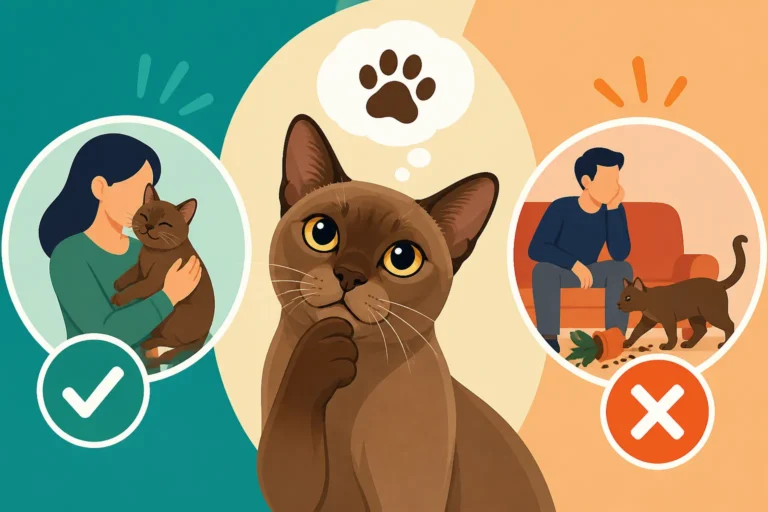
A breed’s popularity is not a measure of whether it is the right match for your household. A less common cat can be an excellent companion, but its characteristic needs still matter. Burmese cats are often described as sociable and people-oriented, so think honestly about your schedule, who will be at home, and whether the cat will have companionship and play.
If you work away from home for much of the day, plan for that before bringing a Burmese into your life. A compatible second pet may help in some homes, but introducing another animal is not an automatic fix. Individual temperaments, careful introductions, and enough space and resources all matter. Read Whether a Burmese Suits Someone Who Works Away and Whether a Burmese Should Never Be an Only Cat to weigh those considerations without assuming every Burmese will behave identically.
Popularity also has little to do with whether a breed is easy to care for. A short coat may mean less brushing, but nutrition, dental care, preventive veterinary visits, and appropriate enrichment still take time and money. Any cat, pedigree or not, is a long-term responsibility. A breed’s reputation should help guide your research, not replace meeting individual cats and talking with a knowledgeable breeder or rescue.
Consider the wider British cat community
British cat ownership includes pedigree breeders, independent rescues, foster networks, and households with mixed-breed cats. Burmese cats appear within that wider community, but their visibility may differ from one town or region to another. You might encounter one through a specialist breeder, a breed club, a rescue group, or simply by meeting an owner who has kept Burmese cats for years.
If you are interested in the breed but cannot find a suitable kitten nearby, patience is often better than widening your search to sellers who cannot explain their breeding practices. Ask for clear information, take time to understand the cat’s needs, and be open to an adult Burmese if one becomes available through a responsible rehoming route. The right match matters more than getting a particular kitten quickly.
So, how popular is the Burmese in Britain? It is an established pedigree breed with a committed following, but it is not generally as visible or numerous as the country’s biggest household-name breeds. That makes it a distinctive choice rather than an obscure one—and a good reminder that the best measure of popularity for a prospective owner is not a ranking, but whether the breed’s temperament and needs suit the life you can offer.
Disclaimer
This article is for general informational purposes only and does not constitute professional advice. Laws, prices and regulations vary by location and change over time. Consult a qualified professional for guidance on your specific situation.