Why a Burmese’s Water Intake Is a Diabetes Warning
It's incredibly unsettling when you notice your beloved Burmese suddenly changing their habits, especially something as fundamental as how much water they're drinking. That little burbling fountain or water bowl, usually just topped up casually, can suddenly become a source of anxiety as you see it emptying far too quickly. This guide will walk you through why an increase in your Burmese's water intake is such a critical sign, often pointing to serious underlying health issues like diabetes, and what steps you need to take to keep your furry family member healthy.
Understanding Normal Hydration in a Burmese
Before we dive into the alarms, let's establish a baseline for what’s considered normal. It’s hard to know if something’s wrong if you don’t know what ‘right’ looks like, isn't it? Burmese cats, like all felines, have evolved from desert-dwelling ancestors, meaning their bodies are incredibly efficient at conserving water. This often translates to them not needing to drink vast amounts, especially if they're primarily on a wet food diet.
How Much Water a Healthy Burmese Should Drink
Generally speaking, a healthy cat needs about 2-4 ounces of water per 5 pounds of body weight per day. For a Burmese, which tends to be a compact but surprisingly muscular cat, this might be anywhere from 6 to 12 ounces daily, depending on their size. However, this figure isn't set in stone and can fluctuate based on several factors. A cat eating an all-wet food diet will get a significant portion of their hydration directly from their meals, meaning they might appear to drink very little from their water bowl. Conversely, a Burmese on a dry kibble diet will naturally seek out more water to compensate for the lack of moisture in their food.
Consider the ambient temperature and your cat's activity levels too. On a hot summer day, even an indoor Burmese might drink a bit more. If they've had an extra vigorous play session chasing a feather wand or wrestling with a housemate, their water intake might temporarily go up. It’s about noticing consistent, unexplained changes rather than momentary spikes. A healthy Burmese on a good wet food diet often needs remarkably little additional water from a bowl, which is why an increase in drinking can be so concerning. You can read more about what's typical here: How Much Water a Healthy Burmese Should Get Through.
Signs of Adequate Hydration
So, how can you tell if your Burmese is adequately hydrated without meticulously measuring every drop? Beyond simply observing their drinking habits, there are a few physical cues. One easy way is to check their gums; they should be moist and pink. If they feel tacky or dry, your cat might be dehydrated. Another method is the "skin turgor" test. Gently tent a small fold of skin on their neck or back, then release it. In a well-hydrated cat, the skin should snap back into place almost immediately. If it takes a moment to flatten, that’s a sign of dehydration.
Their urine volume and frequency can also offer clues. A healthy Burmese, especially one on wet food, should produce moderate amounts of urine, not excessively large clumps in the litter box, nor excessively small ones. Too little could indicate dehydration; too much could point to an issue like diabetes, which we'll discuss next. The goal isn't to get them to drink more if they're already well-hydrated by their diet, but to understand what their normal looks like so you can spot deviations.
The Link Between Increased Thirst and Diabetes in Burmese Cats
This is where that subtle shift in water intake becomes a big deal, especially for our beloved Burmese. The breed has a recognized genetic predisposition to developing diabetes, making any changes in thirst a potential red flag that simply cannot be ignored.
Polydipsia: A Key Symptom of Feline Diabetes
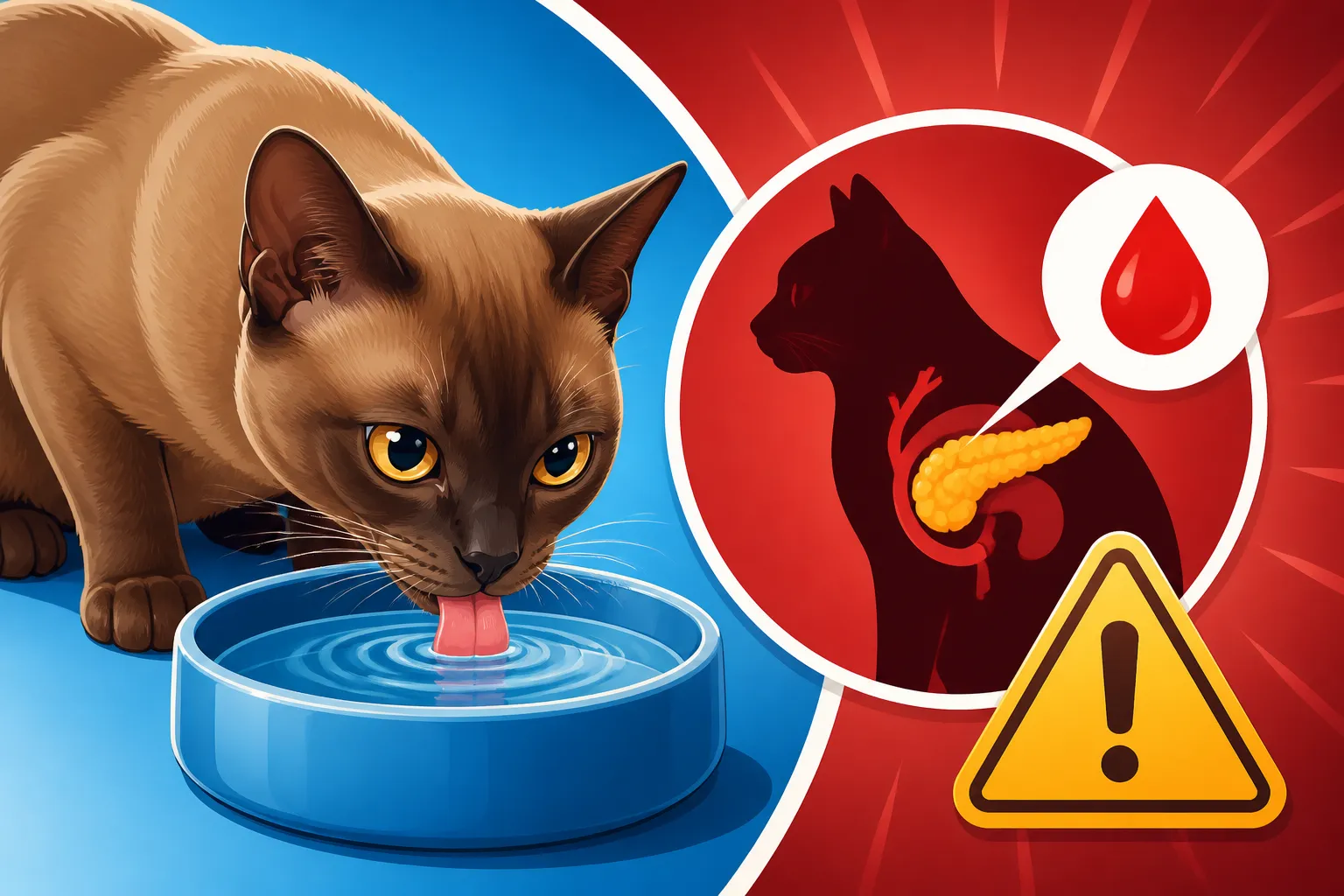
Polydipsia, the medical term for excessive thirst, is one of the classic signs of diabetes mellitus in cats, and particularly prevalent in Burmese. When a cat has diabetes, their body either doesn't produce enough insulin or can't properly use the insulin it does produce. Insulin is crucial because it helps transport glucose (sugar) from the bloodstream into the body's cells, where it's used for energy. Without proper insulin function, glucose builds up in the blood, leading to high blood sugar levels.
These elevated blood sugar levels are toxic to the body, and the kidneys try desperately to flush out the excess glucose through urine. Glucose is a powerful osmotic agent, meaning it pulls water along with it. So, as the kidneys work overtime to excrete glucose, they also end up flushing out a lot of water. This leads to increased urination, and because the cat is losing so much fluid, they become excessively thirsty to compensate, constantly trying to rehydrate. It's a vicious cycle where the body is trying to self-correct a serious imbalance. This is why when your Burmese seems glued to the water bowl, it's a critical signal.
Why Burmese Are Uniquely Prone to Diabetes
It's a really tough truth for Burmese owners: this breed is significantly more susceptible to diabetes than many other cat breeds. We're talking about a predisposition that researchers have pinpointed, making them up to four times more likely to develop the condition. This isn't just bad luck; there's a strong genetic component at play. Scientific studies, particularly involving Australian and European Burmese lines, have identified specific genetic markers that contribute to this heightened risk. It's not a guarantee that your Burmese will get diabetes, but it means the risk is always lurking in the background, making proactive care and vigilant observation even more vital.
The interplay of genetics, lifestyle, and diet cannot be overstated here. While the genes lay the groundwork, factors like obesity and a high-carbohydrate diet act as powerful triggers. Many commercial dry kibbles, unfortunately, are loaded with carbohydrates, which can be particularly detrimental to a breed already genetically predisposed to insulin resistance. This combination creates a perfect storm for diabetes to develop. Understanding this inherent vulnerability helps us appreciate why a simple increase in water intake isn't "just a phase" for a Burmese but a serious warning. For more detail on this genetic factor, check out Why a Burmese Is Four Times More Likely to Become Diabetic. And if you're curious about the progression of the disease, this might help: How Diabetes Develops in a Burmese.
Recognizing the Early Warning Signs Beyond Thirst
While increased thirst (polydipsia) is a major red flag, it rarely stands alone. Diabetes is a systemic disease, and its symptoms tend to cascade, affecting various aspects of your cat's health and behavior. Keeping an eye out for these additional signs can help you catch the problem even earlier.
Increased Urination (Polyuria)
Hand-in-hand with polydipsia comes polyuria – increased urination. It makes perfect sense, doesn't it? If your Burmese is drinking a lot more, they'll inevitably be peeing a lot more. This isn't just about frequency; it's also about volume. You might notice larger clumps of litter in the box than usual, or perhaps your cat is needing the litter box more often. For some owners, the first hint is that the litter box seems to need scooping much more frequently, or perhaps even overflowing a bit.
Sometimes, a cat who has always been meticulous about using their litter box might start having "accidents" outside of it. This isn't usually a behavioral protest; it's often because they simply can't hold their urine as long due to the sheer volume, or they're so uncomfortable that they forget their usual habits. It’s easy to dismiss a one-off accident, but if it becomes a pattern, especially alongside increased drinking, it's a strong indicator that something is medically amiss.
Changes in Appetite and Weight
This is where things can get a bit confusing for owners because the signs might seem contradictory at first glance. A diabetic Burmese might actually seem hungrier than usual, begging for food more often or eating their meals with renewed gusto. They're trying to compensate for the fact that their body's cells are essentially starving, unable to access the glucose that's abundant in their bloodstream. The cells send signals that they need energy, leading to this increased appetite.
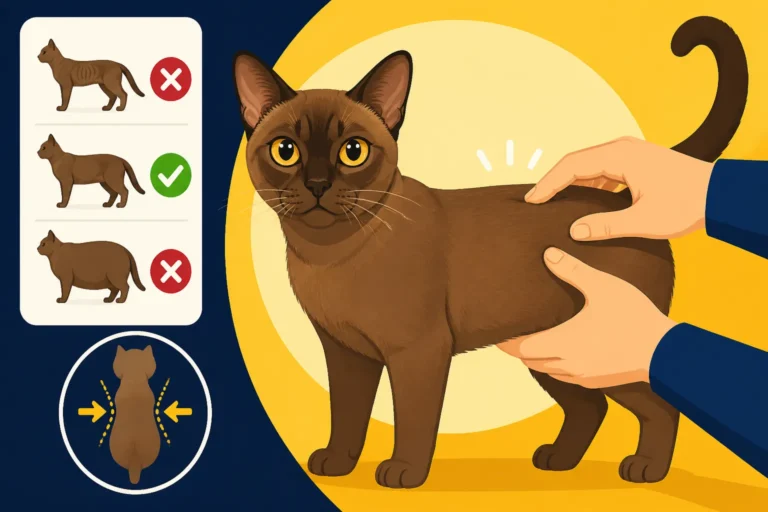
However, despite eating more, many diabetic cats actually lose weight. This paradoxical weight loss occurs because their body can't use glucose for energy, so it starts breaking down fat and muscle instead. You might notice your Burmese looking a bit thinner, their spine or hip bones more prominent, even though they're eating you out of house and home. This combination of increased appetite and weight loss is a classic, though alarming, sign of uncontrolled diabetes. It's a cruel trick the disease plays, making you think your cat is thriving on one hand, while they are wasting away on the other. Which Signs Come First in a Diabetic Burmese offers further insights into these initial changes.
Lethargy and Coat Changes
Beyond the more obvious drinking and eating shifts, a diabetic Burmese might also exhibit a general decline in their vitality. They might seem more lethargic, less interested in play, or generally just "off." Your normally spirited, shoulder-riding companion might prefer to snooze quietly in a sunbeam rather than engaging in their usual antics. This reduced energy is a direct result of their cells being starved of usable glucose, leaving them feeling weak and unwell.
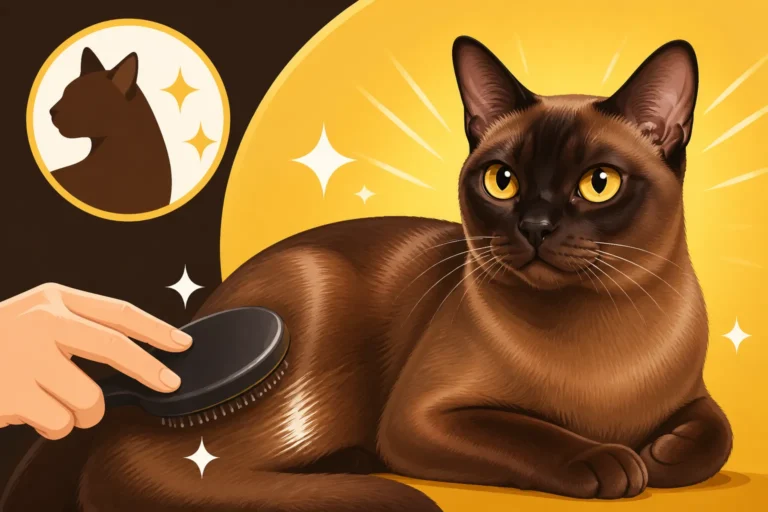
You might also observe subtle changes in their famously beautiful satin coat. It could start to look dull, greasy, or unkempt, losing its characteristic sheen. They might not be grooming themselves as meticulously, either due to feeling unwell or simply lacking the energy. While these signs can be indicative of many health issues, when seen in conjunction with increased thirst, urination, and appetite changes, they form a compelling picture of potential diabetes. Understanding these subtle cues is crucial for early detection, giving your Burmese the best chance at recovery and a good quality of life. For a more complete picture, consider reading What Diabetes Looks Like in a Burmese.
Monitoring Your Burmese's Water Intake at Home
You're probably thinking, "How on earth do I actually measure this?" It's true that precision can be tricky with a cat, but even rough monitoring can give you invaluable data that your vet will appreciate. It's all about establishing a routine and being observant.
Practical Tips for Tracking Water Consumption
The simplest way to track your Burmese's water intake is to use dedicated water bowls and measure how much you put in them each day. Start with fresh water in the morning, pour it from a measuring cup, and make a note of the volume. Before you refill it the next day (or when you notice it getting low), measure how much water is left. The difference is what your cat has consumed. It's not foolproof, especially if you have multiple pets or if your cat decides to splash around, but it gives you a much better estimate than just guessing.
If you have multiple cats, you might need to isolate your Burmese's water source for a day or two, perhaps in a separate room they frequent, to get a more accurate reading. Water fountains, while great for encouraging hydration and often preferred by cats, can make exact measurement harder due to evaporation and continuous circulation. If you use a fountain, you might need to monitor the reservoir's level more closely and note how often you're refilling it, and with what amount. Brands like Chewy and Amazon offer a variety of measured bowls and water fountains that can help in this process, some even with level indicators. Remember, consistency is key for reliable data.
The Importance of Consistent Observation
Beyond the numbers, consistent observation is your most powerful tool. You know your Burmese best. You know their routine, their habits, and their quirks. A sudden, noticeable increase in how often they visit the water bowl, how long they drink, or how quickly the bowl empties is a red flag, even if you don't have exact measurements. Pay attention to the subtle things: Are they drinking from unusual places, like a dripping faucet or even the toilet (yikes!)? Are they getting up more often at night to drink?
Keeping a simple log for a few days can be incredibly helpful. Note down:
- Time of day: When do they seem to drink most?
- Amount: Your best estimate of volume.
- Other symptoms: Any changes in litter box usage, appetite, energy, or coat condition.
This information isn't just for your peace of mind; it's vital information for your veterinarian. It paints a picture that a quick exam alone might not capture and helps them piece together the puzzle more quickly. Every bit of data you can provide helps your vet make a faster, more accurate diagnosis. For more on this, check out How to Measure a Burmese's Water Intake.
What to Do When You Suspect Diabetes
If you've noticed your Burmese drinking more, peeing more, eating more but losing weight, or just seems 'off', it's time to act. Don't fall into the trap of thinking it might just pass or it's nothing serious. When it comes to a breed as predisposed to diabetes as the Burmese, every moment counts.
Immediate Veterinary Consultation
This is non-negotiable: if you suspect diabetes, schedule an appointment with your veterinarian immediately. Do not delay, and do not try to self-diagnose or treat. A diagnosis of diabetes requires professional medical evaluation. Your vet will perform a thorough physical examination, looking for signs like dehydration, poor coat condition, and muscle wasting. They will also likely recommend a series of diagnostic tests.
These tests typically include blood work to check blood glucose levels and a fructosamine test, which gives an average blood glucose level over the past two to three weeks, providing a more reliable picture than a single glucose reading which can be affected by stress. A urine sample will also be crucial, as the presence of glucose and ketones in the urine are strong indicators of diabetes. Armed with the observations you've diligently recorded at home, your vet will have a much clearer path to an accurate diagnosis and, most importantly, a treatment plan. Remember, Why a Burmese Drinking More Needs Testing That Week is not an exaggeration – prompt testing is essential.
Discussing Diet and Lifestyle Adjustments
While waiting for a diagnosis, or once confirmed, diet will become a central pillar of managing your Burmese's health. The cornerstone of diabetic management for cats, especially Burmese, is a diet that is very low in carbohydrates and high in protein. This dietary approach helps to stabilize blood sugar levels by reducing the glucose load the body has to process. Many conventional dry kibbles are simply too high in carbohydrates for a diabetes-prone cat.
Your vet will guide you on specific dietary recommendations, which might include prescription diabetic cat food or advice on selecting appropriate over-the-counter options. Often, a switch to an all-wet food diet is recommended, as wet food naturally contains fewer carbohydrates and more moisture, which is beneficial for kidney health. This proactive approach to nutrition is not just about managing symptoms; for some cats, particularly if caught early, strict dietary control can even lead to diabetic remission. This is a powerful testament to how much Why Low Carbohydrate Food Matters for a Burmese. Furthermore, practicing Why Portion Control Is Medical Care in a Burmese will become critical in managing their weight and blood sugar.
Living with a Diabetic Burmese: Ongoing Care and Management
A diagnosis of diabetes can feel overwhelming, but it's important to remember that feline diabetes is a manageable condition. With diligent care and a strong partnership with your vet, your Burmese can still live a long, happy life.
The Role of Insulin and Home Monitoring
For many diabetic Burmese, especially in the initial stages or if the condition is advanced, insulin injections will be a necessary part of their daily routine. Administering insulin might sound daunting at first, but your veterinary team will provide thorough training on how to give the injections safely and effectively at home. It becomes second nature surprisingly quickly, and most cats tolerate it remarkably well, especially a compliant Burmese. How to Give a Burmese Its Insulin at Home is a skill many owners master quickly.
Beyond insulin, home glucose monitoring is a game-changer. While vet visits are crucial, checking blood glucose levels at home gives you a real-time understanding of how your cat is responding to treatment. This usually involves a small prick on the ear to get a tiny blood sample. This data allows you and your vet to fine-tune insulin doses and dietary plans, ensuring optimal control and preventing dangerous fluctuations. Many resources, including pet supply sections on Amazon and Chewy, offer home glucose meters specifically designed for pets.
Diet as the Cornerstone of Diabetic Management
We talked about it before, and we'll talk about it again: diet is absolutely paramount. It's not just a part of managing diabetes; it's arguably the most critical component, alongside insulin. A strict, consistently low-carbohydrate, high-protein diet is non-negotiable for a diabetic Burmese. This often means saying goodbye to dry kibble entirely and embracing a high-quality wet food diet. The goal is to minimize the amount of glucose entering their system, thereby easing the burden on their pancreas and reducing insulin requirements.
There are many excellent low-carb wet food options available through pet stores, specialist online retailers like Chewy, and even general marketplaces like Amazon. Look for foods with carbohydrate percentages well under 10% on a dry matter basis. Your vet can recommend specific brands or formulations. In multi-cat households, this can present a challenge, as other cats might also want to eat the delicious wet food. Strategies like feeding in separate rooms or using microchip-activated feeders can help ensure your diabetic Burmese gets only their prescribed diet. Always remember, Why Low Carbohydrate Food Matters for a Burmese isn't just about weight; it's about life-saving diabetes management. The financial aspect can be surprising, making Why a Burmese's Food Bill Is a Health Decision a very real consideration. For those with other cats in the house, navigating feeding can be a puzzle: How to Feed a Diabetic Burmese in a Multi Cat House.
It's a huge commitment, but seeing your Burmese thrive despite their diagnosis is incredibly rewarding.
Here's a quick comparison of what you might observe:
| Symptom | Healthy Burmese | Potential Diabetic Burmese |
|---|---|---|
| Water Intake | Moderate, often more from wet food; consistent. | Noticeably increased, frequent visits to bowl. |
| Urination | Moderate volume, consistent litter box use. | Increased volume and frequency, larger clumps, accidents. |
| Appetite | Regular, consistent meal consumption. | Increased, ravenous hunger. |
| Weight | Stable, muscular body condition. | Weight loss despite increased appetite. |
| Energy Level | Playful, energetic, engaging. | Lethargic, less active, withdrawn. |
| Coat Condition | Shiny, silky, well-groomed. | Dull, greasy, unkempt. |
| Gums | Moist, pink. | Tacky, dry. |
This table serves as a general guide, and any sudden or persistent changes warrant a vet visit.
Disclaimer
This article is for general informational purposes only and does not constitute professional advice. Laws, prices and regulations vary by location and change over time. Consult a qualified professional for guidance on your specific situation.