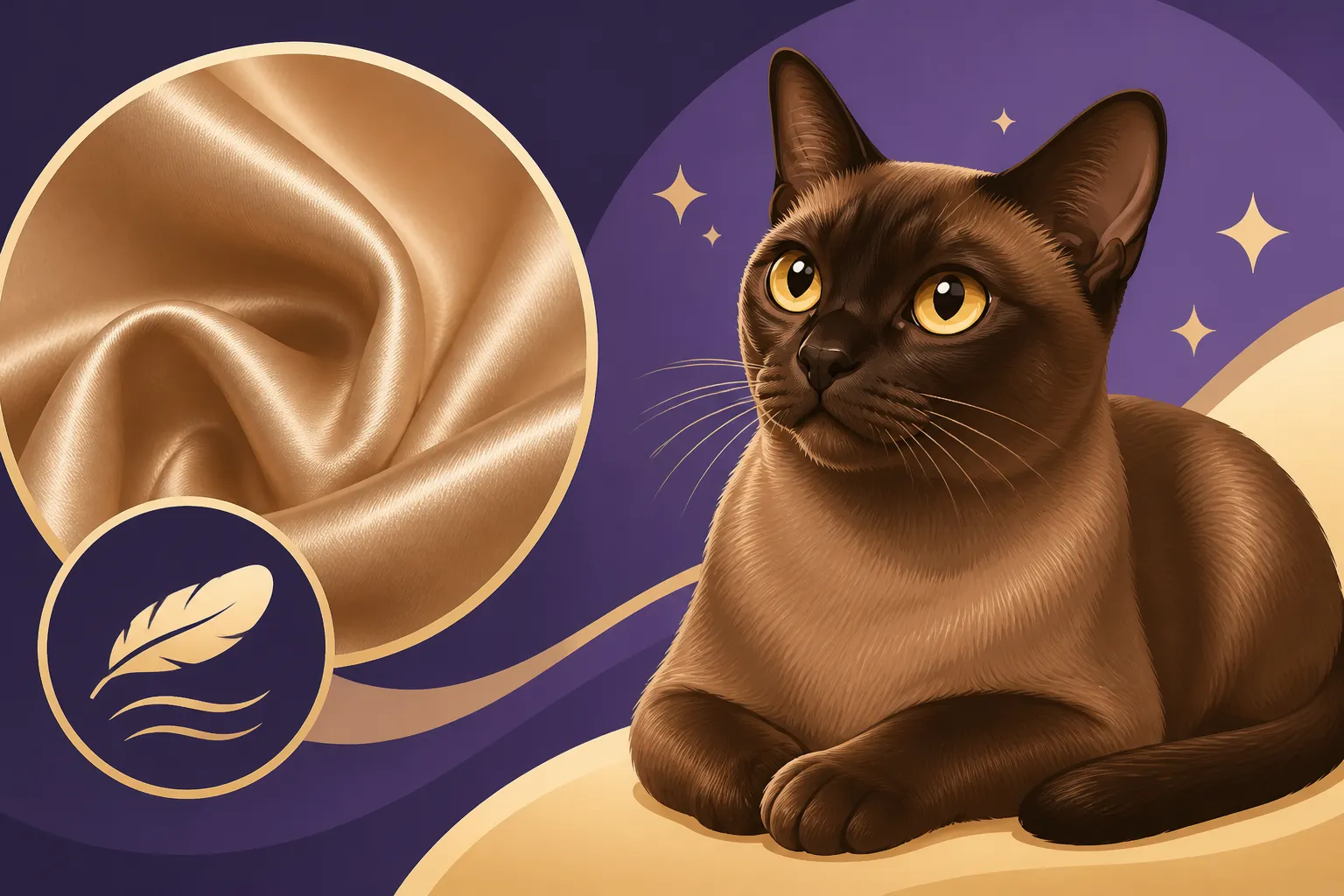
Why a Burmese’s Coat Feels Like Satin
There's nothing quite like running your hand over a Burmese cat's coat, is there? That feeling of incredibly fine, almost liquid silk that seems to flow over their muscular body is utterly distinctive. It's not just soft; it has a unique quality that truly lives up to its "satin" description, leaving many new owners wondering what exactly makes it so special. This guide is here to unravel the secrets behind that magnificent, touchable texture and explain why a Burmese's coat feels like pure satin, offering insights into its genetics and how best to care for it.
The Unique Genetic Blueprint Behind the Burmese Coat
The secret to that unparalleled satin feel lies deep within the Burmese's genetic makeup. This isn't just a random softness; it's a carefully cultivated trait that has been part of the breed since its very beginnings, starting with the legendary Wong Mau.
The cb Allele and Its Impact on Hair Structure
The defining characteristic of the Burmese cat, beyond its captivating personality, is its unique coat. At the heart of this uniqueness is a specific genetic mutation, known as the cb allele, which is responsible for the cat's distinctive colorpoint pattern, albeit a muted version compared to its Siamese cousins. This allele doesn't just dictate color; it also profoundly influences the very structure of each individual hair shaft. Unlike many other cat breeds that might have a coarser outer guard coat or variations in hair thickness along the shaft, the Burmese possesses hair that is remarkably fine and uniform. This fineness means each strand is incredibly thin, lacking the rigidity or coarseness found in other feline coats. When you multiply this by the dense number of hairs on a Burmese, the result is a surface that feels incredibly smooth and uniform, contributing significantly to that sought-after satin texture. It's a fundamental difference at the microscopic level that translates into a distinctly luxurious feel to the touch.
Imagine comparing the individual strands of a Burmese coat to the threads of the finest silk fabric, versus the slightly thicker, perhaps wool-like threads of other materials. The fineness allows for a denser, smoother weave, so to speak, on the cat's body. This genetic trait is a cornerstone of the breed's standard and is something breeders carefully maintain, recognizing that it's a key part of the Burmese charm. Understanding The cb Allele Is What Makes a Burmese Brown helps shed light on how this single genetic factor underpins so much of what makes the Burmese special, from its rich coloration to its signature silky feel.
Minimal Undercoat for Maximum Silkiness
Another critical factor contributing to the Burmese's satin-like coat is the virtual absence of a dense undercoat. Many cat breeds, especially those originating from colder climates, are equipped with a thick, insulating underlayer of soft, downy fur. While excellent for warmth, this undercoat often gives their fur a plush, fluffy, or even slightly coarse feel. Think of a Maine Coon or a Persian; their luxurious coats are wonderful, but they have a very different texture due to that insulating layer.
The Burmese, by contrast, has an extremely sparse undercoat, or in some cases, almost none at all. This means that when you pet a Burmese, your hand isn't sinking into layers of fluffy insulation. Instead, you're directly feeling the smooth, fine outer guard hairs that lie flat against the body. This characteristic allows for that unhindered, sleek sensation, as there's no resistance from a deeper, thicker layer of fur. It’s akin to feeling the smooth surface of a tightly woven satin sheet rather than a plush velvet blanket. This minimal undercoat not only enhances the tactile experience but also contributes to the breed's reputation for being low-shedding.
The Single Coat Layer and Its Advantages
Building on the previous point, the Burmese typically boasts what is often referred to as a "single coat." While some breeds have distinct guard hairs, awn hairs, and a dense undercoat, the Burmese largely features a uniform layer of fine, short, and close-lying hair. This singular, sleek layer is what truly brings the satin comparison to life. The hairs are densely packed but incredibly fine, and they all grow to a relatively consistent, short length, lying very flat against the cat's body. There's no fluff, no bristliness, just a smooth, continuous surface.
This single coat isn't just a sensory delight; it offers practical advantages too. For owners, it means significantly less shedding compared to double-coated breeds. Those fine, close-lying hairs tend to stay put, and when they do shed, they're much less noticeable. This streamlined coat also contributes to the cat's overall elegant and compact appearance, highlighting their muscular build rather than obscuring it under a cloud of fur. It's a design that prioritizes sleekness and tactile appeal, making every stroke a truly delightful experience.
How Coat Structure Translates to the "Satin" Feel
So, we know about the genetics and the minimal undercoat, but how does all of that technical stuff actually translate into the sensation we associate with satin? It's more than just softness; it's a combination of several factors that create that unique tactile and visual appeal.
Smoothness and Lack of Coarseness
When you run your hand over a Burmese, the overwhelming sensation is one of incredible smoothness. This isn't just a casual observation; it's a direct result of the fine, uniform hair shafts and the absence of a thick undercoat that would typically cause resistance or a coarser feel. Each individual hair is so fine and lies so flat against the body that there are no "spiky" ends or unruly tufts to disrupt the flow. Your hand glides effortlessly across their back, sides, and even their belly, feeling almost frictionless.
Many people are genuinely surprised the first time they encounter this level of smoothness on a cat. It's a stark contrast to the slightly rougher texture of a domestic shorthair or the dense plushness of a British Shorthair. This characteristic smoothness is what makes petting a Burmese such a therapeutic and addictive experience, a direct physical manifestation of its unique coat structure. It truly feels like handling a piece of exquisite, tightly woven fabric that warms under your touch.
The Visual Sheen and Luster
The "satin" description isn't just about how the coat feels; it's also about how it looks. A healthy Burmese coat possesses a distinctive sheen and luster that is truly captivating. This visual quality is a direct consequence of the hair's structure. Because the individual hairs are so fine, densely packed, and lie so flat and uniformly, they act like a multitude of tiny, smooth mirrors. When light hits this surface, it reflects evenly, creating a shimmering, glossy effect that appears almost liquid.
You'll often notice a rich depth of color, whether it's the classic sable brown, a champagne, blue, or platinum, which seems to glow from within. This isn't just a trick of the light; it's the natural beauty of a healthy Burmese coat at play. It's this visual radiance, combined with the unparalleled smoothness, that completes the illusion of a fabric-like quality, cementing the "satin" description. It's a coat that begs to be admired visually as much as it does tactilely.
Feeling the Muscle Beneath the Silk
One of the most astonishing aspects of petting a Burmese, once you get past the initial marvel of its satin coat, is the unexpected solidity you feel beneath. The breed is famously described as a "brick wrapped in silk," and this adage perfectly captures the experience. Despite their elegant, compact appearance, Burmese cats are surprisingly heavy and incredibly muscular for their size. Their dense bone structure and powerful musculature are completely at odds with the delicate feel of their fur.
So, as your hand glides over that luxurious satin, you're not just feeling fur; you're also feeling the taut, athletic form beneath. There's very little 'fluff' or subcutaneous fat to cushion the experience, meaning you feel every contour of their strong body. This contrast between the extreme softness of the coat and the firm, powerful cat underneath is a core part of the Burmese's allure and a truly unique physical trait. It’s why Why a Burmese Is Called a Brick Wrapped in Silk is such a universally recognized description within the cat fancy; you literally feel the "brick" through the "silk." For instance, an adult male Burmese can weigh significantly more than you'd expect from their sleek frame, feeling much heavier than visually suggested. This density is another delightful surprise for those unfamiliar with the breed.
Caring for That Luxurious Satin Coat
While the Burmese coat is undeniably special, the good news for owners is that its care requirements are remarkably straightforward, allowing you to maximize its natural beauty without excessive effort.
Minimal Grooming Requirements
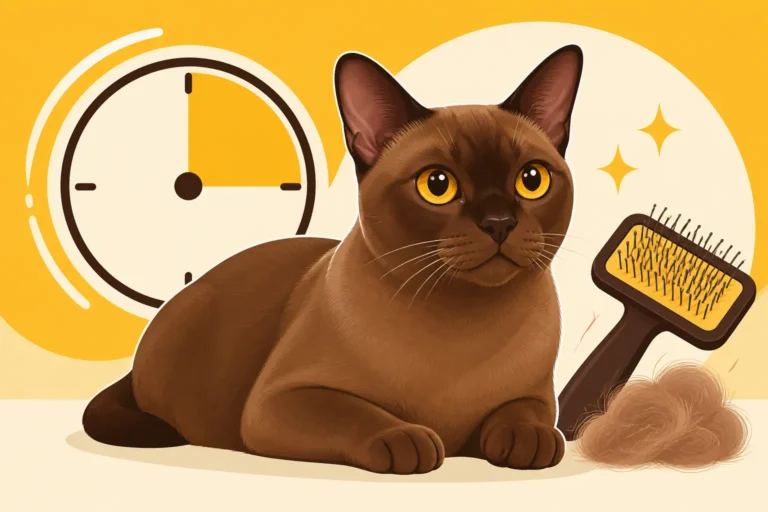
Despite its luxurious feel, one of the most wonderful aspects of the Burmese's satin coat is how low-maintenance it is. Unlike many long-haired breeds that demand daily brushing to prevent mats and tangles, or even some shorthairs with dense undercoats that require regular de-shedding, the Burmese asks for very little. Their fine, single-layer coat simply doesn't tangle or mat. This is fantastic news for busy owners or those who aren't keen on extensive grooming routines.
A quick once-over a week, or even less frequently, is often all that's needed to remove any loose hairs and keep the coat gleaming. This minimal requirement isn't a sign of neglect; it's a testament to the efficient design of their coat. It means more time for cuddles and play, and less time wrestling with brushes. Your Burmese will likely see any grooming session, however brief, as just another opportunity for attention and affection, making it a pleasant experience for both of you. Why a Burmese Treats Grooming as Attention perfectly describes their joyful response to this interaction.
The Role of Nutrition in Coat Health
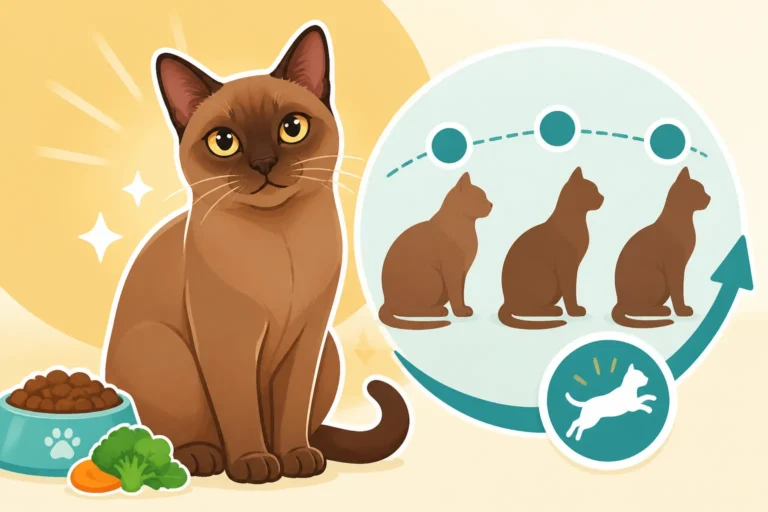
While grooming is minimal, what goes into your Burmese plays a monumental role in the quality of its coat. A healthy, shiny, satin-like coat is a direct reflection of excellent internal health, and that starts with a high-quality, species-appropriate diet. Cats are obligate carnivores, meaning they thrive on meat. Their coats require specific amino acids found abundantly in animal protein, as well as essential fatty acids like Omega-3 and Omega-6.
If your Burmese isn't getting adequate nutrition, its coat can become dull, dry, and lose that characteristic sheen and softness. You might notice flakiness or a general lack of luster. Therefore, choosing a diet rich in high-quality animal protein and appropriate fats is not just about general health; it's a critical aspect of maintaining that beautiful satin coat. Many owners opt for premium wet foods, which tend to be higher in protein and moisture, and lower in carbohydrates – a combination often beneficial for Burmese cats. Remember, Feeding a Burmese Is a Medical Decision, Not a Preference is a philosophy that extends to coat health, particularly given the breed's predisposition to certain health issues like diabetes, which can also impact coat quality. Focusing on options like Which Wet Food Suits a Diabetes Prone Burmese can benefit their coat as well as their overall metabolic health.
Gentle Brushing and Polishing Techniques
Even though the Burmese coat is low-maintenance, a little bit of the right kind of attention can make it truly spectacular. Forget the stiff slicker brushes or de-shedding tools; these are largely unnecessary for a Burmese and can even be irritating to their delicate skin. Instead, the best tools are often the simplest. A soft rubber grooming glove can be excellent for gently massaging the skin, stimulating blood flow, and picking up any loose hairs.
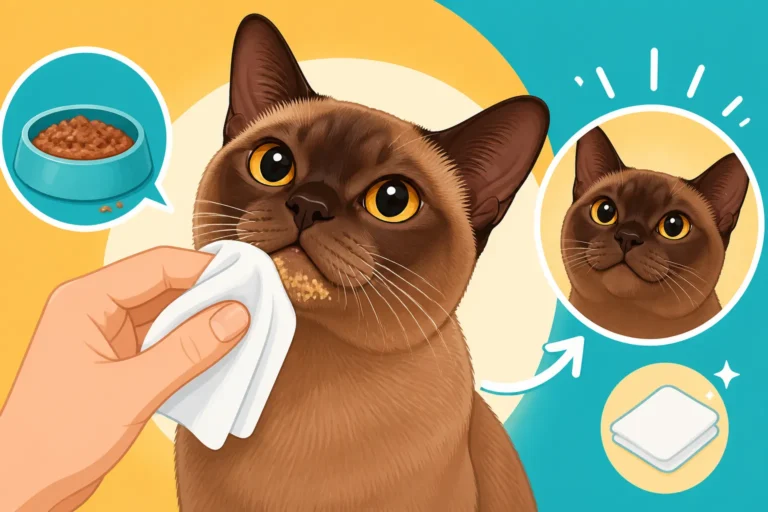
However, for truly bringing out that magnificent satin shine, many owners swear by a simple chamois cloth or a silk cloth. After a gentle massage with your hands or a soft brush, a quick rub-down with a chamois will polish the coat to an incredible luster, enhancing that liquid sheen. It's less about removing tangles and more about polishing the surface. This technique not only makes their coat look phenomenal but also doubles as a lovely bonding experience for you and your cat. You can find high-quality chamois cloths easily on platforms like Amazon, making this simple yet effective grooming tool readily accessible. Which Chamois Brings Up a Burmese's Satin Shine will tell you more about the specific benefits of this method.
Common Misconceptions and Realities of the Burmese Coat
The Burmese coat is indeed special, but sometimes its unique qualities lead to misunderstandings. It's important to separate myth from reality to ensure your expectations are aligned with what this wonderful breed truly offers.
Not Hypoallergenic, Just Low Shedding
One common misconception is that because the Burmese has such a short, fine, and low-shedding coat, it must be hypoallergenic. Unfortunately, this isn't quite true. The primary allergen in cats isn't their fur itself, but a protein called Fel d 1, which is found in their saliva, skin oils (sebaceous glands), and dander. While a cat that sheds less might distribute fewer allergens around the house, no cat breed is truly 100% hypoallergenic.
The Burmese is certainly a low-shedding breed, which means less fur floating around your home and potentially carrying fewer allergens from saliva. This can make them a better choice for individuals with mild cat allergies. However, if someone has severe allergies, a Burmese may still trigger a reaction because they still produce Fel d 1 protein. It's always wise for allergic individuals to spend time with a Burmese cat before committing to bringing one home to see how they react. Understanding Whether a Burmese's Short Coat Helps With Allergies clarifies this distinction.
Temperature Sensitivity and Coat Protection
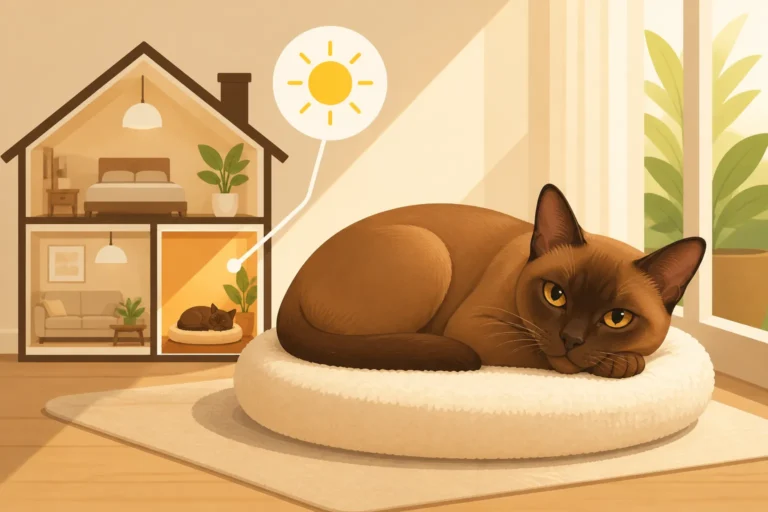
That beautifully sleek, single-layer satin coat, while a delight to touch, does come with a trade-off: a reduced capacity for insulation. Unlike breeds with thick double coats designed to keep them warm in chilly environments, the Burmese lacks that natural buffer. This means they are generally more sensitive to cold temperatures and drafts. You'll often find a Burmese seeking out the warmest spots in the house – curled up on a sunny windowsill, snuggled under a blanket on your lap, or even burrowing deep under the duvet with you at night.
Their preference for warmth isn't just about comfort; it's a physiological need. Owners should be mindful of keeping their homes at a comfortable temperature, especially during colder months. Providing cozy beds, blankets, and access to warm spots is essential for their well-being. A cold Burmese is often an unhappy, shiver-prone Burmese. This sensitivity is a direct result of their unique coat structure, highlighting that every beautiful trait often comes with its own set of care considerations. Their tendency to seek warmth is so pronounced that Why a Burmese Needs Somewhere Warm to Sleep is a critical aspect of their daily care.
Coat Changes with Age and Environment
While the core satin texture remains consistent throughout a Burmese's life, you might observe subtle changes in their coat, particularly in color and, occasionally, slight variations in texture. Burmese kittens are often born lighter in color, with their adult shade developing as they mature. This is due to the temperature-sensitive nature of their colorpoint gene; warmer kittenhood temperatures can result in a paler initial coat, which deepens as they grow and their extremities cool.
As an adult Burmese ages, environmental factors like prolonged sun exposure can slightly lighten their coat, while colder environments might cause certain areas to darken further. You might also notice a slight dulling of the coat in very senior cats, or if they are experiencing certain health issues. However, the fundamental fineness and close-lying nature of the hair will always be present. Regular grooming, good nutrition, and proper veterinary care will go a long way in maintaining the coat's brilliance throughout their lives. Observing How a Burmese's Sable Darkens or Lightens With Age over time can be a fascinating journey for any Burmese owner.
Disclaimer
This article is for general informational purposes only and does not constitute professional advice. Laws, prices and regulations vary by location and change over time. Consult a qualified professional for guidance on your specific situation.