Why a Burmese Is Four Times More Likely to Become Diabetic
It's one of the hardest realities to face when you bring a beautiful, affectionate Burmese cat into your home: the knowledge that this wonderful breed, more than almost any other, is significantly predisposed to developing diabetes. It’s a gut punch, knowing your beloved companion is four times more likely to get this chronic condition, and it leaves many owners feeling anxious and wondering what they can do. This guide is here to shed light on why this is the case and equip you with the knowledge to protect your Burmese.
Unpacking the Genetic Predisposition to Diabetes
When we talk about a breed being "four times more likely" to develop a specific disease, it's rarely a random occurrence. For the Burmese, this elevated risk for feline diabetes mellitus (DM) is deeply rooted in their genetics, a legacy passed down through generations. It's not just bad luck; it's a specific biological blueprint that makes them particularly vulnerable.
The Role of Specific Gene Mutations
Research, particularly out of Australia and Europe where Burmese cats are incredibly popular, has identified strong genetic links to diabetes. Scientists have been diligently studying the Burmese genome to pinpoint exactly why this breed stands out. While the exact single "diabetes gene" hasn't been found in the same way we might identify a gene for coat color, studies strongly suggest a polygenic inheritance pattern, meaning multiple genes working together contribute to the risk. This makes it complex, but essentially, the Burmese cat's genetic makeup creates a metabolic environment that leans towards insulin resistance and pancreatic beta-cell dysfunction, the hallmarks of type 2 diabetes. This inherent vulnerability means that even with perfect care, some Burmese may still develop the condition, which can feel incredibly unfair to devoted owners.
Imagine a house with a weak foundation; it might stand for years, but any small tremor or stressor could cause it to crack where a house with a strong foundation would remain stable. The Burmese's genetic predisposition is akin to that weaker foundation, making them less resilient to other factors that trigger diabetes. This is why it's so important for breeders to be aware of their lines and for owners to be vigilant, especially as their cats age. We know from studies that these genetic markers are more prevalent in certain Burmese lines, which further emphasizes the importance of understanding the breed's unique health challenges.
The Influence of Breed Lines and Geographic Distribution
It's fascinating, and a little concerning, how geographical breeding practices can influence disease prevalence. When it comes to Burmese diabetes, studies have highlighted that Australian and European Burmese lines show a notably higher incidence of the disease compared to their American counterparts. This divergence likely stems from different founding populations and subsequent breeding choices over decades in various regions. Over time, certain genetic traits, including those predisposing to diabetes, may have become more concentrated in specific lines due to popular sires or limited gene pools in different parts of the world.
This doesn't mean American Burmese are immune, far from it, but it does mean that if you've got a Burmese whose lineage traces back heavily to these more affected regions, your awareness level should be even higher. It's a testament to how closely intertwined genetics, breeding practices, and geographical isolation can be in shaping a breed's health profile. Knowing your cat's pedigree, even informally, can offer valuable clues about potential risks. This is why responsible breeders are transparent about the health history of their lines, helping owners understand the full picture of their kitten's potential health trajectory.
Metabolic Peculiarities of the Burmese Cat
Beyond the specific genes, the Burmese also possesses certain metabolic characteristics that contribute to their heightened diabetes risk. Their unique body composition and how their bodies process food make them particularly susceptible, requiring a careful approach to their diet and lifestyle from kittenhood.
The "Brick Wrapped in Silk" Body Type and Muscle Mass
The Burmese cat is often described as a "brick wrapped in silk" – a wonderfully apt description that highlights their surprisingly dense, muscular build beneath that short, glossy coat. They are stocky, compact, and weigh more than they appear. While this musculature is part of their charm and strength, it also plays a role in their metabolic profile. Muscle tissue is metabolically active, and the sheer volume of it in a Burmese means their bodies handle glucose differently than a leaner cat might.
Their robust build can sometimes mask subtle weight gain, making it harder for owners to spot when their cat is starting to creep into an overweight category. This is crucial because obesity is a major contributing factor to insulin resistance in any cat, but in a Burmese, it can tip the scales much faster due to their underlying genetic predisposition. It's not just about aesthetics; maintaining a lean body condition in a Burmese is a critical health intervention. Being able to How to Feel a Burmese's Ribs Under a Satin Coat is an important skill every owner should master to monitor their cat's condition closely.
Efficient Metabolism and Glucose Handling
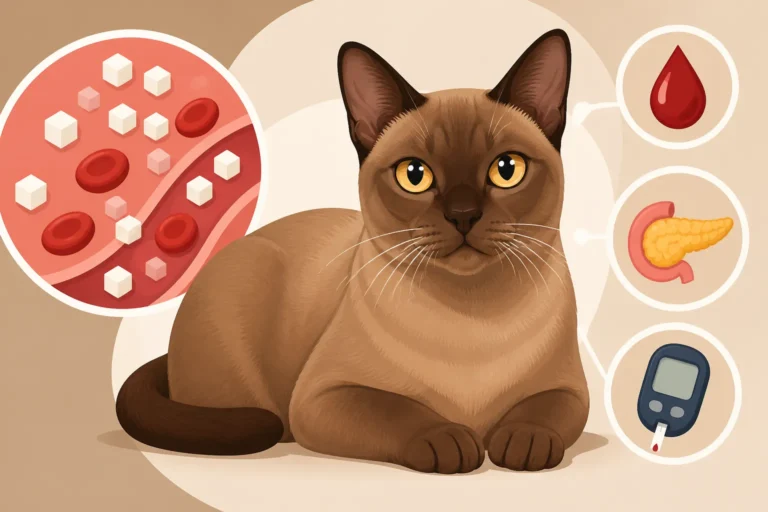
Burmese cats seem to have a metabolism that is, in some ways, too efficient or, perhaps, less adaptable to modern feline diets. Their bodies are incredibly good at storing energy, which, in the wild, would be a huge advantage during lean times. However, in a domestic setting with readily available, often calorie-dense and carbohydrate-rich foods, this efficiency can backfire. Their pancreases, responsible for producing insulin to regulate blood sugar, appear to be more easily stressed and can become dysfunctional over time, particularly when faced with a diet high in carbohydrates.
This means their bodies may struggle to adequately respond to insulin demands, leading to higher blood glucose levels and eventually, full-blown diabetes. It's a bit like having a car engine designed for specific, low-octane fuel that you keep filling with high-octane gasoline – eventually, the engine will wear out or malfunction. Understanding Why a Burmese's Glucose Should Be Checked From Seven years of age, or even earlier, becomes paramount, as early detection can often lead to better management and even remission. This unique metabolic sensitivity emphasizes Why Portion Control Is Medical Care in a Burmese, rather than just a way to keep them trim.
Lifestyle Factors That Compound the Risk
While genetics lay the groundwork for diabetes in Burmese cats, lifestyle factors act as powerful triggers. What and how you feed your Burmese, their activity levels, and even certain common veterinary procedures can significantly influence whether that genetic predisposition translates into actual disease.
The Critical Role of Diet and Carbohydrate Intake
This is arguably the biggest lever an owner has in mitigating the diabetes risk for their Burmese. Modern commercial cat foods, especially many dry kibbles, are often far too high in carbohydrates. Cats, as obligate carnivores, are biologically designed to thrive on a diet rich in animal protein and fat, with very minimal carbohydrates. A high-carb diet puts immense strain on a Burmese's metabolically sensitive pancreas, constantly demanding insulin production to process sugars their bodies aren't well-equipped to handle efficiently.
Over years, this constant strain can lead to insulin resistance, where the body's cells stop responding properly to insulin, and eventually, pancreatic exhaustion, where the pancreas simply can't produce enough insulin anymore. This is a direct pathway to diabetes. Therefore, feeding a low-carbohydrate, high-protein wet food diet is not just a preference for a Burmese; it's a medical necessity. Understanding Which Diet Puts a Burmese Into Remission is key, as managing their diet correctly can be transformative for their health, even for those already diagnosed. Many owners mistakenly believe that all cat food is good cat food, but for a Burmese, the specifics of carbohydrate content can literally determine their health destiny.
The Impact of Weight Gain and Obesity
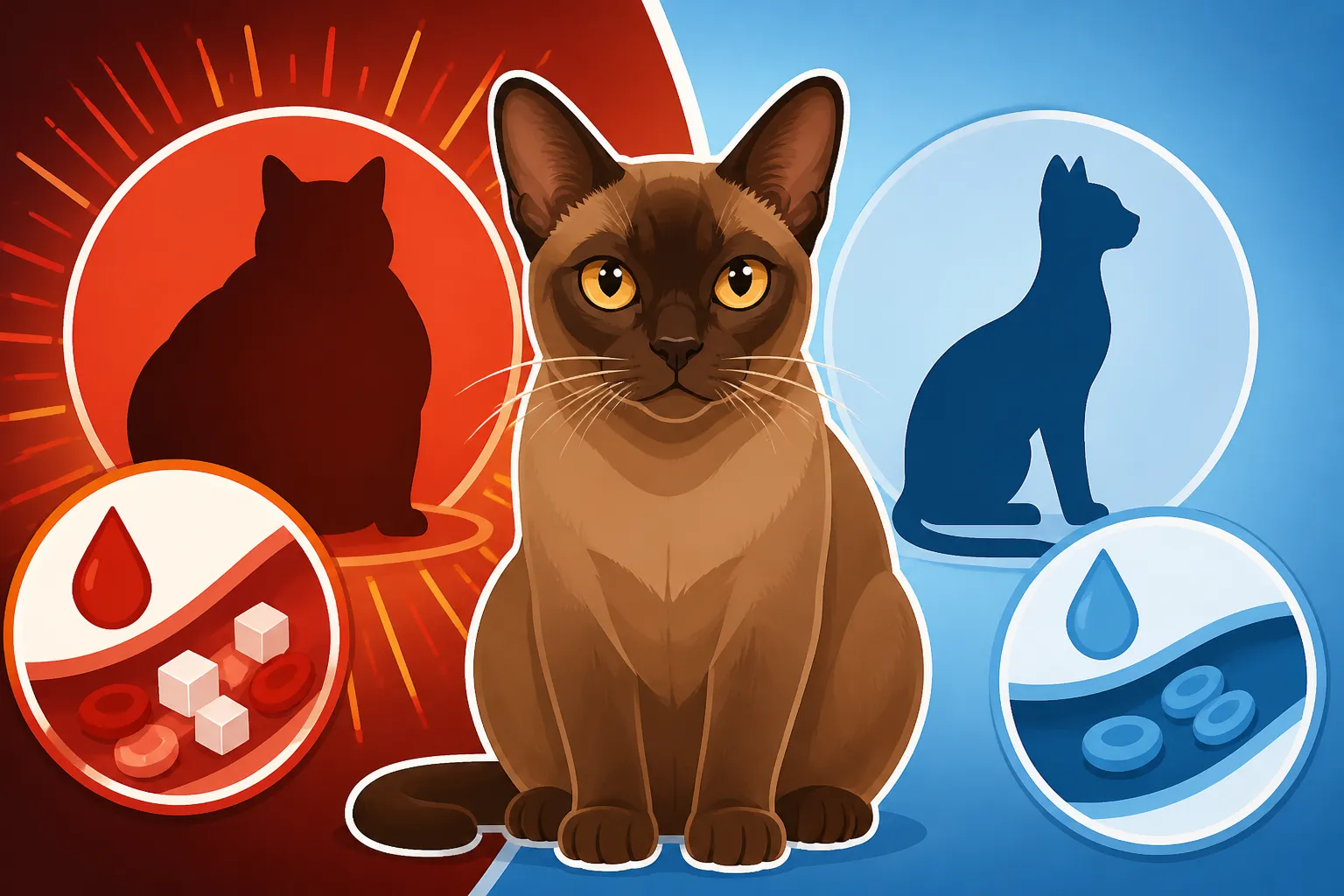
We've touched on the Burmese's muscular build, but it's worth reiterating: obesity is a profound accelerant for diabetes in this breed. Even a moderate amount of excess weight can significantly increase insulin resistance. Think of it this way: extra fat cells don't just sit there; they actively interfere with the body's ability to use insulin effectively. When a Burmese carries too much weight, their cells become less responsive to insulin, meaning the pancreas has to work even harder to produce more of it.
This vicious cycle places immense stress on an already vulnerable metabolic system. Why Weight Is the Only Lever a Burmese Owner Has for prevention is not an overstatement. Keeping your Burmese lean and at an ideal body condition is the single most impactful thing you can do to delay or prevent the onset of diabetes. This requires meticulous attention to their food intake, often involving weighing meals rather than relying on scoops, and ensuring they get enough playtime. It's a commitment, but one that pays dividends in their long-term health and quality of life. Even a slight increase in weight can elevate their risk, making consistent monitoring essential.
The Influence of Neutering and Inactivity
Believe it or not, common procedures like neutering, while hugely beneficial for population control and preventing other health issues, can subtly increase a Burmese's diabetes risk, particularly in males. Why a Neutered Male Burmese Is Highest Risk is a question often asked, and it comes down to hormonal changes and a tendency for decreased metabolic rate post-neuter. Unaltered males typically have higher metabolic rates, and while neutering reduces certain health risks, it can lead to a more sedentary lifestyle and easier weight gain if not managed.
Alongside neutering, a lack of sufficient physical activity contributes to insulin resistance. Burmese cats are active, playful companions well into their senior years, but like all cats, they can become less active if not encouraged. An indoor-only lifestyle, while safer in many respects, requires owners to be proactive in providing enrichment and play opportunities. A Burmese that spends all its time lounging and not engaging in bursts of activity will burn fewer calories and be more prone to weight gain, further exacerbating their diabetes risk. Owners need to engage them with interactive toys and regular play sessions to keep them moving and burning those calories.
Recognizing Early Warning Signs of Diabetes
Catching diabetes early in a Burmese is incredibly important for their long-term health and the possibility of remission. Unlike some illnesses that strike suddenly, diabetes often develops gradually, offering subtle clues that can be easy to miss if you're not specifically looking for them. Understanding these early indicators can make all the difference.
Increased Thirst and Urination
This is, hands down, one of the most classic and crucial early signs of diabetes in cats, and particularly pertinent for a Burmese. If you notice your Burmese drinking more water than usual, or spending more time at the water bowl, take note. This increased thirst, medically termed polydipsia, is directly linked to increased urination, or polyuria. When a cat has diabetes, there's too much glucose in their bloodstream. The kidneys try to filter out this excess glucose, and in doing so, they pull more water with it, leading to more frequent and larger volumes of urine.
You might notice their litter box is wetter, or that you're scooping more frequently. They might start using the box in unusual places if they can't make it in time. Why a Burmese Drinking More Needs Testing That Week is not an exaggeration – this symptom is a flashing red light that warrants an immediate vet visit. Don't brush it off as simply being hotter or your cat just being a "good drinker." For a Burmese, it's a significant red flag that needs investigation.
Changes in Appetite and Weight
Another perplexing set of symptoms involves appetite and weight. You might think a diabetic cat would lose its appetite, but often, the opposite is true – they become ravenously hungry, a condition known as polyphagia. Despite eating more, they often lose weight. This seems counterintuitive: how can a cat eat more and still get thinner? The answer lies in how their body is (or isn't) processing glucose. Because insulin isn't effectively moving glucose into their cells for energy, their body thinks it's starving. It starts breaking down fat and muscle for energy, leading to weight loss even with an increased food intake.
This combination of increased hunger and weight loss is a serious indicator. Keep a close eye on your Burmese's weight by regular home weigh-ins, especially as they get older. How to Weigh a Burmese Accurately at Home is a simple but powerful tool for monitoring their health. A sudden, unexplained drop in weight, even with a seemingly healthy appetite, needs urgent veterinary attention. Conversely, some cats might gain weight initially, especially if their diet is particularly high in calories and they are still producing some insulin, leading to more fat storage before the disease fully manifests.
Lethargy and Changes in Behavior
Burmese cats are renowned for their playful, affectionate, and energetic personalities. They are often described as "dog-like" in their devotion and constant need for interaction. So, a noticeable change in their usual vivacious behavior can be a subtle but important clue. If your Burmese seems less keen on playing, is sleeping more, appears generally more subdued, or less eager to greet you at the door, it could be a sign something is amiss. This lethargy is a direct consequence of their cells not getting the energy they need from glucose.
They might still be affectionate, perhaps even more so, seeking comfort, but their overall energy levels will dip. This can be tricky to spot because Burmese cats are also masters at Why a Burmese Hides Illness Behind Its Affection. They often use their need for cuddles to mask discomfort. So, you might think they're just being extra loving when in reality, they're feeling unwell. Any persistent, out-of-character behavioral shift, especially when combined with other symptoms like increased thirst or changes in appetite, should prompt a visit to the vet. Don't wait for them to become severely ill; intervene at the first whisper of a change.
Prevention and Management Strategies
The good news is that while the Burmese has a higher predisposition, proactive measures can significantly reduce their risk, and effective management can lead to a good quality of life for those diagnosed. This isn't a battle you fight alone; it's a partnership with your vet and a commitment to understanding your cat's specific needs.
Prioritizing a Low-Carbohydrate, High-Protein Diet
This is the cornerstone of diabetes prevention and management for the Burmese. As obligate carnivores, their bodies are designed for a diet that mimics their natural prey – high in animal protein and moderate fat, with minimal carbohydrates. Switching to a high-quality, low-carbohydrate wet food diet is perhaps the most impactful step you can take. Aim for foods with carbohydrate levels below 10%, ideally even lower, closer to 5-7% on a dry matter basis.
Avoid free-feeding dry kibble, which is often dense in carbohydrates and calories. Instead, feed measured, portion-controlled meals, typically two to three times a day. This not only controls calorie intake but also stabilizes blood sugar levels. Many reputable brands offer veterinary-prescription or widely available low-carb options that are excellent. For owners considering pet insurance, it's worth noting that some policies, like those from Healthy Paws, may help cover the costs of prescription diets if medically necessary, though coverage for ongoing food costs can vary. Always discuss dietary changes with your veterinarian, as they can recommend specific brands and portion sizes tailored to your Burmese's individual needs.
Maintaining an Ideal Body Condition
Regularly monitoring your Burmese's weight and body condition score is paramount. Because of their muscular build, it can be deceptively easy for them to become overweight without appearing "fat" in the traditional sense. You should be able to easily feel their ribs without seeing them, and they should have a discernible waist when viewed from above.
| Body Condition Score | Description | Burmese Appearance Considerations | Action Needed |
|---|---|---|---|
| 1 (Emaciated) | Ribs, spine, pelvic bones easily visible & palpable | Rare in pet Burmese; indicates severe illness. Muscle loss will be evident. | Immediate vet intervention. |
| 2 (Thin) | Ribs easily palpable; waist noticeable | Ribs felt with minimal fat cover. Waist evident. | Ensure adequate nutrition; monitor for underlying issues. |
| 3 (Ideal) | Ribs palpable with slight fat cover; waist present | Feels like a "brick" but ribs are distinct. Waist clearly visible. This is the goal! | Maintain current diet and exercise. |
| 4 (Overweight) | Ribs difficult to feel; waist less distinct | Ribs require firm pressure to feel; abdomen rounded. Muscle mass can hide early fat. | Reduce calorie intake, increase play, consult vet. How Much Weight Raises a Burmese's Diabetes Risk is significant. |
| 5 (Obese) | Ribs not palpable; prominent fat pads | No discernible waist; heavy fat deposits over lumbar area and face. Risk of diabetes significantly elevated. | Urgent vet consultation for weight loss plan. |
If your Burmese is even slightly overweight, work with your vet to implement a gradual weight loss plan. Rapid weight loss can lead to another serious condition called hepatic lipidosis (fatty liver disease) in cats. Remember, Why a Burmese's Weight Should Be Recorded Monthly isn't just a suggestion; it's a vital part of proactive health management. Even a small amount of extra weight can be detrimental to a breed with such a genetic predisposition to diabetes.
Regular Exercise and Mental Enrichment
Despite their sometimes-sedentary appearances, Burmese cats need regular physical activity and mental stimulation to stay healthy. This is especially true for indoor-only cats. Regular play sessions with wand toys, laser pointers, or even teaching them to fetch (which many Burmese adore!) can help keep their metabolism active and prevent weight gain.
Consider investing in puzzle feeders to slow down their eating and engage their minds. Vertical space, like cat trees or shelves, can encourage climbing and exploration. A Burmese is still a playful cat even as it ages; don't assume a senior cat doesn't need to play. What an Old Burmese Still Wants to Play might surprise you. Keeping them active helps burn calories, maintain muscle mass, and keeps their insulin sensitivity in check. It also reduces stress, which can indirectly impact overall health and well-being.
Living with a Diabetic Burmese
Receiving a diabetes diagnosis for your beloved Burmese can feel overwhelming, but it is not a death sentence. With diligent care, a diabetic Burmese can still live a long, happy, and fulfilling life. It requires commitment, patience, and a close partnership with your veterinarian.
Daily Insulin Injections and Monitoring
For most diabetic Burmese cats, insulin injections become a daily reality. This might sound daunting at first, but with practice and proper guidance from your vet, it quickly becomes part of your routine. Insulin is typically given twice a day, usually after meals. Your vet will teach you how to administer the injections subcutaneously (under the skin) using tiny needles, which most cats tolerate remarkably well, especially an affectionate Burmese. Many cats barely flinch, often purring through the process.
Beyond injections, regular monitoring is crucial. This includes tracking their appetite, water intake, urination, and overall energy levels. Your vet will likely recommend regular blood glucose curves or fructosamine tests to gauge how well their diabetes is controlled. Some owners even learn How to Get a Burmese Used to a Glucose Check at home using a pet-specific glucometer, which can provide valuable real-time data to share with your vet. This proactive monitoring is key to adjusting insulin doses and ensuring the best possible management. For owners of a diabetic Burmese, pet insurance providers like Healthy Paws can be invaluable for helping manage the ongoing costs of veterinary care, medications, and monitoring.
Dietary Adjustments and Remission Potential
The low-carbohydrate, high-protein diet discussed earlier becomes even more critical for a diabetic Burmese. Often, simply transitioning a newly diagnosed diabetic Burmese to an appropriate diet can dramatically improve their blood sugar control, sometimes even leading to diabetic remission. Remission means the cat no longer requires insulin injections, though they must remain on the low-carb diet for life to prevent relapse.
Your vet will guide you on the specific dietary needs, which may include veterinary prescription diets specifically formulated for diabetic cats. Consistency is key – sticking strictly to the prescribed diet and portion sizes is vital. Avoid treats high in carbohydrates. This disciplined approach is How Many Diabetic Burmese Go Into Remission and underscores the power of nutritional management. Even if full remission isn't achieved, optimal diet control significantly reduces the amount of insulin needed and helps prevent complications.
Addressing Potential Complications
Living with diabetes means being aware of potential complications, though proactive management greatly reduces their likelihood. One serious concern is hypoglycemia, or dangerously low blood sugar, which can occur if a cat receives too much insulin or misses a meal. Signs of hypoglycemia include weakness, disorientation, stumbling, seizures, or even collapse. Knowing What a Hypoglycemic Burmese Looks Like is vital so you can act quickly by offering a small amount of honey or corn syrup on their gums and contacting your vet immediately.
Other long-term complications, though less common in well-managed feline diabetes than in humans, can include neuropathy (nerve damage, often seen as weakness in the hind legs), or an increased susceptibility to infections. Regular vet check-ups are essential to monitor for these issues and adjust treatment plans as needed. How Long a Diabetic Burmese Lives often depends on the owner's commitment to consistent care and early detection of any emerging complications. While daunting, the love and bond with a Burmese often inspires owners to meet these challenges head-on.
Why This Breed, Why So Often? A Deeper Look
It truly is perplexing and, frankly, unfair that such a wonderful, affectionate breed carries such a heavy health burden. The question of "why the Burmese?" and "why are they four times more likely?" deserves a deeper, more empathetic exploration, acknowledging the frustration many owners feel.
The Interplay of Genetics, Environment, and Evolution
The answer isn't a single, simple cause but a complex tapestry woven from genetics, environmental factors, and even the quirks of breed development. The Burmese originated from a single cat, Wong Mau, in the 1930s. While her genetic contribution was foundational, the subsequent breeding practices to establish and proliferate the breed, particularly in the initial decades, involved a relatively small gene pool. This often means that if a particular genetic vulnerability exists, it can become concentrated within the breed over generations.
Think of it like this: if you have a group of people in an isolated village, and one person carries a specific gene that makes them prone to a certain condition, and they have many children who then intermarry within the village, that gene can become far more common in that small population than in the broader world. The Burmese breed, particularly some regional lines, likely saw a similar genetic bottleneck effect that amplified the diabetes predisposition. When you then introduce modern lifestyles – processed, high-carb cat foods, often indoor-only living with reduced activity – it creates a perfect storm for a metabolically sensitive breed. It's a cruel twist of fate that our efforts to create and nurture a beloved companion have inadvertently amplified a health challenge.
The Challenge for Breeders and Future Research
This heightened risk presents a significant ethical and practical challenge for Burmese breeders. Responsible breeders are keenly aware of the issue and often try to make informed decisions to reduce the incidence of diabetes in their lines. However, because it's likely a polygenic condition (many genes contributing), it's not as simple as testing for a single gene and eliminating it. This is What a Burmese Breeder Must Test Before Any Mating and it's a constant process of learning and adaptation. They often rely on studying pedigrees, tracking health outcomes, and collaborating with researchers.
Ongoing scientific research is crucial to fully unravel the genetic complexities behind the Burmese's diabetes predisposition. Identifying more specific genetic markers would allow for more precise screening and potentially guide future breeding programs towards healthier lines. For now, the focus remains on rigorous health screening, particularly for diabetes, and providing comprehensive information to prospective owners. It's a continuous effort to balance preserving the wonderful traits of the Burmese with mitigating their unique health vulnerabilities. Hopefully, with continued advancements, the future will hold clearer answers and more effective prevention strategies for this cherished breed.
Disclaimer
The information provided in this article is for general informational purposes only and is not intended as a substitute for professional veterinary advice. Always consult with a qualified veterinarian for any health concerns or before making any decisions about your pet's health or treatment.