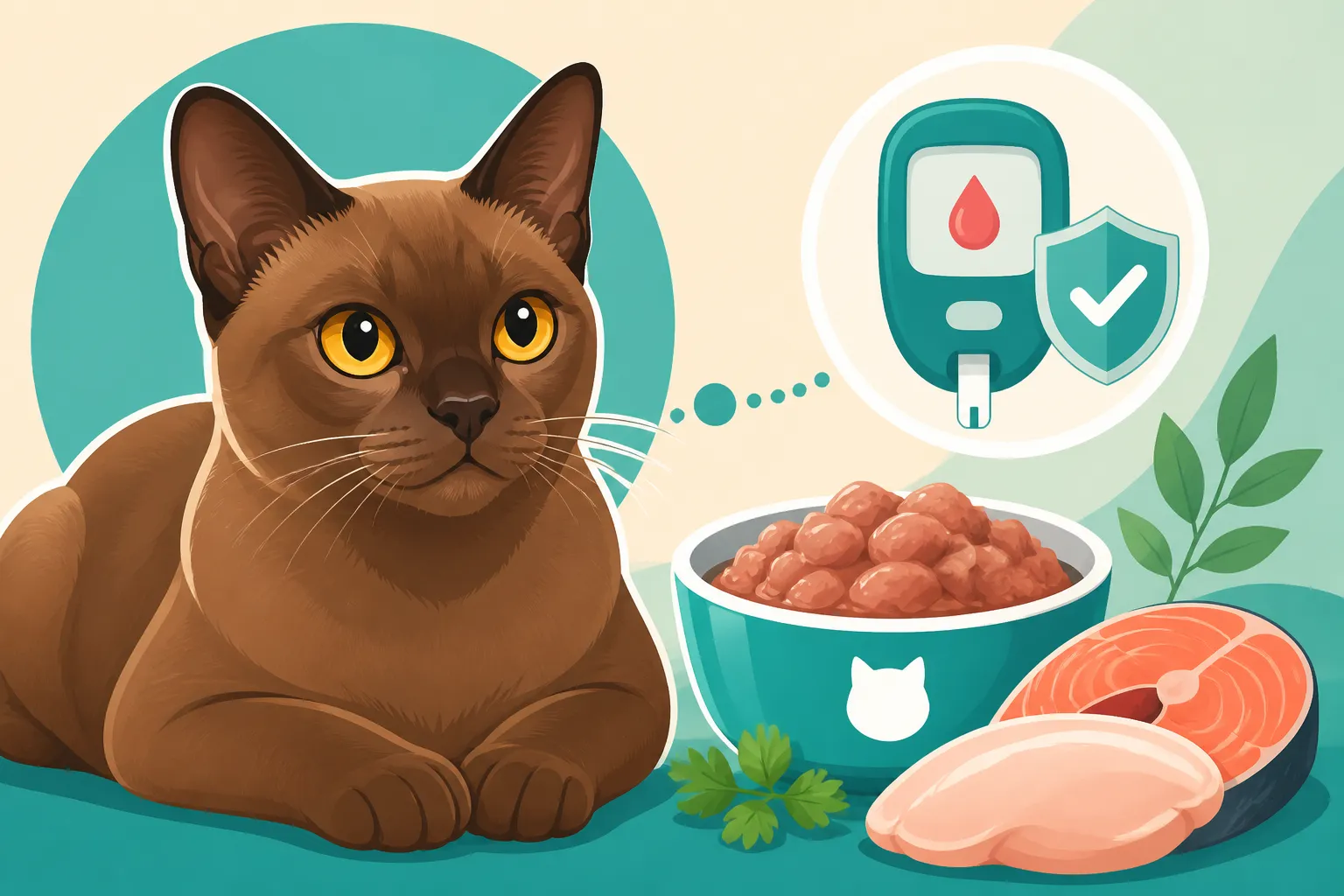
Which Wet Food Suits a Diabetes Prone Burmese
If you're a Burmese cat owner, you already know how special these affectionate "velcro" cats are. But you also probably know about their increased risk for certain health issues, and unfortunately, diabetes sits high on that list. It's a truly heartbreaking diagnosis, and figuring out how to manage it, especially when it comes to diet, can feel overwhelming and confusing. This guide is here to walk you through exactly why wet food is often the best choice for a diabetes-prone Burmese and what to look for when choosing the right diet to support your beloved companion.
The Critical Role of Diet in Burmese Diabetes Management
It's no secret that a proper diet is fundamental for managing diabetes in any species, but for the Burmese, it takes on an even more profound importance. These beautiful cats are genetically predisposed to developing diabetes, making preventative and management strategies incredibly crucial. The food you put in their bowl isn't just sustenance; it's a vital part of their medical care.
Understanding the Carbohydrate Problem in Dry Food
Many commercial dry cat foods, even those marketed as "premium" or "healthy," often contain a significant amount of carbohydrates. While some cats might process these without issue, a Burmese cat, with its unique metabolic tendencies, can struggle. When a cat consumes a high-carbohydrate diet, it leads to higher blood glucose levels, which then demands more insulin production. For a cat already struggling with insulin resistance or insufficient insulin production – the hallmarks of diabetes – this high carb load can exacerbate the condition or even trigger its onset.
Think of it like this: your Burmese's pancreas is already working overtime or isn't as efficient as it should be. Feeding it a diet that constantly floods its system with glucose is like asking it to run a marathon when it's already exhausted. Dry food, by its very nature, often relies on ingredients like corn, rice, peas, and potatoes to form kibble, all of which are carbohydrate-heavy. This is why Why Low Carbohydrate Food Matters for a Burmese is such a critical consideration.
Hydration and Kidney Health Benefits
Cats, by their evolutionary design, are not big drinkers. They're adapted to getting most of their moisture from their prey. Dry food, which contains very little moisture, forces your cat to drink more, but often, it's simply not enough to compensate. This chronic, low-level dehydration can put a strain on their kidneys, an organ already vulnerable in older cats. For a diabetic cat, proper hydration is even more paramount. High blood glucose can lead to increased urination, further dehydrating the cat and straining the kidneys.
Wet food, typically composed of 70-80% water, helps ensure your Burmese stays adequately hydrated. This isn't just about quenching their thirst; it's about supporting optimal kidney function, facilitating the excretion of excess glucose, and maintaining overall metabolic balance. Keeping your Burmese well-hydrated can literally help its body function more effectively in the face of diabetes, potentially reducing the severity of symptoms and the risk of complications down the line.
Satiety and Weight Management
One of the biggest struggles for owners of diabetes-prone cats is managing their weight. Burmese are naturally muscular cats, but it's easy for that muscle to be masked by excess fat, which significantly increases their diabetes risk. How Much Weight Raises a Burmese's Diabetes Risk is a stark reminder of this. High-carbohydrate diets, even if portion-controlled, can sometimes leave cats feeling less satisfied, leading to begging and overeating. The rapid spike and crash in blood sugar can also contribute to feelings of hunger.
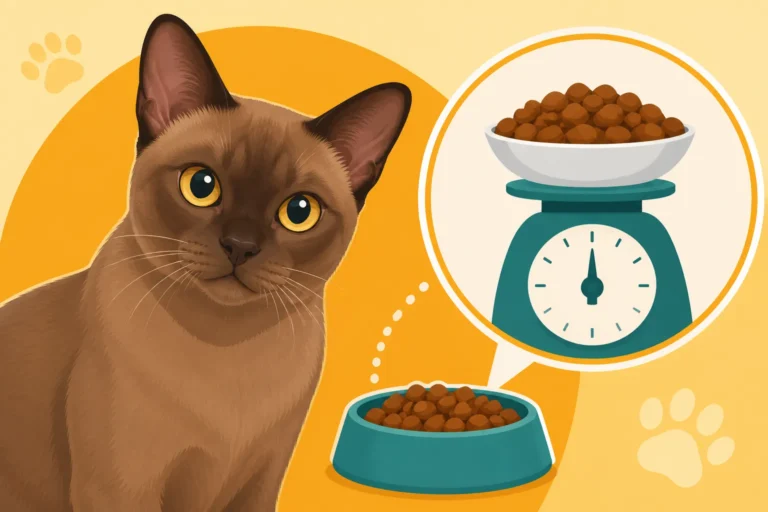
Wet food, particularly high-protein formulas, can be much more satiating. The combination of protein and moisture helps cats feel fuller for longer, which is a huge win when you're trying to manage calorie intake. It can make portion control much easier, as your cat is less likely to feel deprived. This is directly linked to Why Portion Control Is Medical Care in a Burmese, making wet food a powerful tool in keeping your Burmese at a healthy weight and potentially even helping them achieve diabetic remission.
Key Nutritional Considerations for a Diabetes-Prone Burmese
When you’re staring at a wall of cat food labels, trying to make the best choice for your diabetes-prone Burmese can feel like decoding a foreign language. But once you understand a few key nutritional principles, the task becomes much less daunting. It's all about mimicking the diet a cat would naturally eat in the wild: high in animal protein, low in carbohydrates, and with moderate fat.
Understanding Carbohydrate Percentages
This is the absolute cornerstone of a diabetes-friendly diet for a Burmese. Most veterinarians recommend aiming for a wet food that has a carbohydrate content of 10% or less on a dry matter basis. Some even suggest aiming for 5% or lower. Why dry matter basis? Because wet food contains so much moisture, the "as fed" carbohydrate percentage will look deceptively low. You need to strip out the water to get a true comparison.
Calculating dry matter carbohydrate can be a bit tricky, as manufacturers rarely list it directly. You'll need to look at the "Guaranteed Analysis" on the label. Here's a quick run-down of what you'll typically find and what you'll need:
- Protein (min)
- Fat (min)
- Fiber (max)
- Moisture (max)
To calculate the dry matter percentages:
- First, subtract the moisture percentage from 100% to get the dry matter percentage of the food. (e.g., if moisture is 78%, then dry matter is 22%).
- Then, divide each nutrient's "as fed" percentage by the total dry matter percentage and multiply by 100 to get its dry matter percentage.
- Once you have protein, fat, and fiber on a dry matter basis, add them up. Subtract this sum from 100% to get an estimated carbohydrate percentage on a dry matter basis. Remember, fiber is a type of carbohydrate, but it's often listed separately and has minimal impact on blood sugar.
It's a bit of math, but it's incredibly important. Brands might not always list "Nitrogen-Free Extract" (NFE) which is the typical calculation for carbohydrates, so this approximation using the guaranteed analysis is your next best bet. Remember, Which Carbohydrate Percentage a Burmese Should Stay Under is a crucial piece of information to discuss with your vet.
The Importance of High-Quality Protein
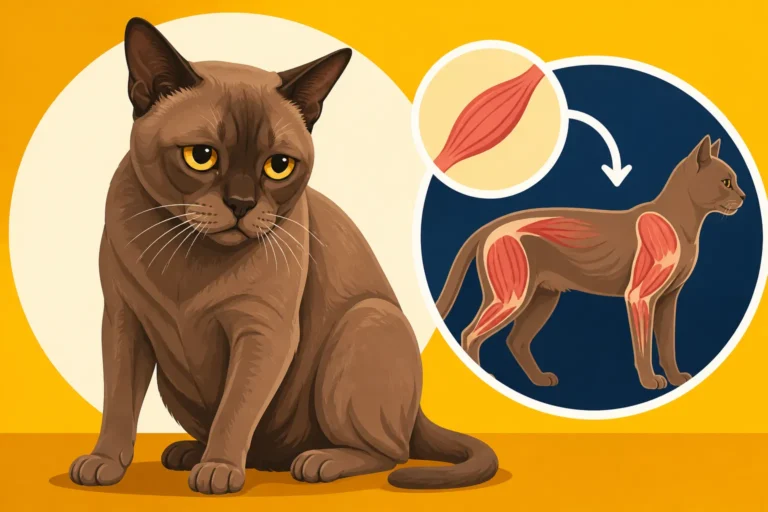
Cats are obligate carnivores, meaning their bodies are designed to derive nutrients primarily from animal sources. For a diabetes-prone Burmese, a diet high in easily digestible, high-quality animal protein is essential. Protein helps maintain muscle mass, which is critical for a healthy metabolism and helps with satiety. When a cat isn't getting enough protein, its body might start breaking down its own muscle for energy, which is counterproductive to health.
Look for wet foods where meat (like chicken, turkey, beef, or fish) is the very first ingredient. Not "meat by-products" as the first ingredient, although good quality by-products (like organ meats) can be beneficial. "Meal" ingredients (e.g., "chicken meal") are fine as they are concentrated protein sources, but ideally, you want whole meat listed first. Think about what a cat would naturally eat: a mouse or a bird. These are pure protein and fat with minimal carbs. A high protein content also assists in keeping your cat feeling full, reducing the urge to beg or overeat, which is vital for managing their weight.
Moderate Fat Content for Energy
While protein is the star, healthy fats are also incredibly important for your Burmese's energy and overall health. Fats provide a concentrated source of energy, support healthy skin and coat, and aid in the absorption of fat-soluble vitamins. For a diabetic cat, fats don't cause the blood sugar spikes that carbohydrates do, making them a safe energy source.
However, "moderate" is the keyword here. Excessively high-fat diets, especially if your cat needs to lose weight, can lead to other health issues like pancreatitis or contribute to obesity. Aim for a balanced profile. Look for sources like chicken fat, salmon oil, or other animal-based fats. Just like with protein, the source matters. Avoid foods with excessive vegetable oils as primary fat sources, as they may not provide the optimal fatty acid profile for a carnivore. Your vet can help you determine the ideal fat percentage based on your Burmese's specific weight goals and overall health profile.
Selecting the Best Wet Food for Your Burmese
Now that you know the 'why' and the 'what,' let's get into the practical 'how' of choosing the right wet food. This involves meticulous label reading, understanding ingredient quality, and finding what your particular Burmese will actually eat consistently.
Deciphering Pet Food Labels
This is where the rubber meets the road. Don't just glance at the front of the can – flip it over and scrutinize the ingredient list and guaranteed analysis.
Ingredient List:
- Top Ingredients: The first few ingredients should be whole animal proteins. "Chicken," "turkey," "beef," "salmon" are excellent. Avoid foods where grains (corn, wheat, rice), potatoes, peas, or other starchy vegetables are listed as the first few ingredients. Even "grain-free" doesn't automatically mean low carb, as many grain-free foods replace grains with other starches like potatoes or tapioca.
- By-products: Don't automatically dismiss by-products. High-quality by-products like organ meats (heart, liver, kidney) are incredibly nutritious. However, generic "meat by-products" without specifying the source can be a red flag.
- Fillers: Avoid artificial colors, flavors, and excessive fillers. Your Burmese doesn't need colorful kibble or highly processed ingredients.
- Sugars/Sweeteners: This should go without saying, but check for any added sugars like corn syrup or molasses. These are a definite no-go for a diabetic cat.
Guaranteed Analysis:
- Protein: Aim for at least 40-50% protein on a dry matter basis. More is often better, but extremely high levels might need a vet's approval if your cat has other health concerns.
- Fat: Typically, 20-30% dry matter fat is a good range.
- Moisture: This will tell you how much water is in the food, which you'll need for your calculations.
- Fiber: A moderate fiber content can be helpful for digestion, but very high fiber might interfere with nutrient absorption.
- Carbohydrates: As discussed, aim for 10% or less dry matter carbohydrate. If the label doesn't list carbohydrates, you'll have to calculate it.
It really does involve becoming a bit of a detective, but your Burmese's health is absolutely worth the effort.
Looking for Whole and Recognizable Ingredients
Imagine you're preparing a meal for yourself – you'd want fresh, whole ingredients, right? The same principle applies to your Burmese. The more recognizable and less processed the ingredients are, the better.
Look for wet foods that list specific meat sources, not vague “animal protein.” For example, “chicken liver” is better than “animal liver by-products.” Specificity generally indicates higher quality. Some brands emphasize human-grade ingredients and simpler formulations, which can be a great option. When you pick up a can, you should feel confident about what your cat is eating. Brands found on platforms like Chewy often have detailed ingredient lists and guaranteed analyses available online, making it easier to do your research before buying.
Texture and Palatability for Picky Eaters
Even with the perfect nutritional profile, a food is useless if your Burmese won't eat it. Burmese cats can be notoriously particular, and transitioning them to a new diet, especially if they've been accustomed to dry food, can be a challenge.
Wet food comes in various textures: pate, shreds, chunks in gravy, stew-style. Some cats prefer a smooth pate, while others enjoy the texture of shreds or chunks. You might need to experiment with a few different brands and textures to find what your Burmese enjoys. Be patient, and don't give up if they refuse the first few options. Sometimes warming the food slightly can enhance its aroma and make it more appealing. Remember that consistency is key, and once you find a few suitable options, sticking to them will make meal times less stressful for both of you. You might find a good variety on Amazon to try out different types without committing to large cases.
Transitioning Your Burmese to a New Diet and Ongoing Monitoring
Making dietary changes for a finicky cat, especially one with a sensitive health condition like diabetes, requires patience, careful observation, and close collaboration with your veterinarian. This isn't a race; it's a marathon for your Burmese's long-term health.
Gradual Dietary Changes
Sudden dietary changes can upset a cat's digestive system, leading to vomiting or diarrhea. For a diabetic cat, this can also throw off their blood sugar regulation. The key is to introduce new food slowly over several days, or even a couple of weeks, depending on how sensitive your Burmese is.
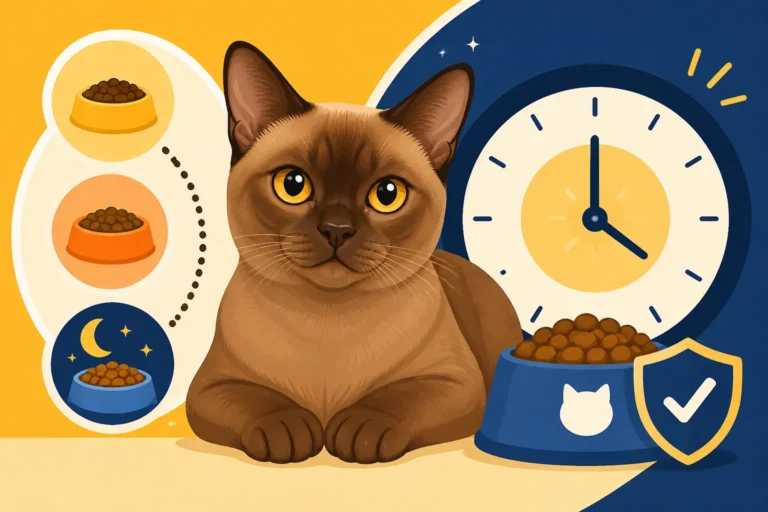
Start by mixing a very small amount of the new wet food with their current food. Over the next few days, gradually increase the proportion of the new food while decreasing the old. Monitor your cat closely for any signs of digestive upset or refusal to eat. If they balk, slow down the transition even further. Some Burmese are extremely particular, and it might take a lot of patience. If your cat refuses to eat the new food, don't just leave them without food, especially if they are already diabetic, as this can lead to serious complications like hepatic lipidosis. How to Change a Burmese's Food Without It Refusing offers more detailed strategies for this challenge.
Remember, the goal is to get them eating the healthy food consistently, not to force it too quickly. It's often easier if you have two Burmese cats, as they tend to be less fussy and learn from each other. Why Two Burmese Cost Less Than One Anxious One is a useful read in this context, although diet transition still requires individual attention.
Monitoring Weight and Glucose Levels
Once your Burmese is on its new diabetes-friendly wet food, continuous monitoring is crucial. Diet is a powerful tool, and you'll want to see its effects on their overall health and, most importantly, their blood glucose levels.
- Weight: Weigh your Burmese regularly, ideally weekly, at home using a digital kitchen scale for accuracy. Keeping a log of their weight can help you track trends and ensure they are maintaining a healthy body condition. A slight, gradual weight loss in an overweight Burmese is often a positive sign, but rapid weight loss is a red flag. How to Weigh a Burmese Accurately at Home provides excellent tips for this.
- Blood Glucose: Work closely with your veterinarian to establish a schedule for monitoring your Burmese's blood glucose. This might involve regular vet visits for glucose curves or even learning how to do home glucose monitoring, which can provide a less stressful and more accurate picture of their daily sugar levels. The goal is to see stable blood glucose levels within a healthy range, potentially reducing or even eliminating the need for insulin injections over time if they go into remission.
- Water Intake and Urination: Continue to monitor their water intake and litter box habits. Increased thirst and urination can be signs that their diabetes isn't well-controlled or that they might be developing other issues. This data is invaluable for your vet.
This consistent tracking helps you and your vet make informed decisions about their diet and any necessary adjustments to their medication.
Consulting Your Veterinarian and Adjusting
Your veterinarian is your most important partner in managing your Burmese's diabetes. They can help you calculate dry matter carbohydrate percentages, recommend specific brands or prescription diets, and guide you through the transition process. More importantly, they will adjust insulin dosages based on how your Burmese responds to the new diet. It's not uncommon for a cat on a very low-carbohydrate wet food diet to need significantly less insulin, or even go into diabetic remission entirely. How a Burmese Goes Into Diabetic Remission delves into this hopeful possibility.
Never adjust your cat's insulin dose without veterinary guidance. Changing their diet will absolutely impact their insulin needs, and doing it incorrectly could lead to dangerous hypoglycemia ( dangerously low blood sugar). Regular check-ups, blood work, and open communication with your vet are paramount. They can also help address any other health concerns that might arise, ensuring a holistic approach to your Burmese's well-being. The investment in quality food and veterinary care is an investment in The Sixteen to Eighteen Years a Well Bred Burmese Gets with you.
Recommended Wet Food Characteristics for a Diabetes-Prone Burmese
To make your search a little easier, here's a quick summary of what to look for, and what to absolutely avoid, when choosing wet food for your diabetes-prone Burmese. This table condenses the key information we've discussed into a handy reference.
| Characteristic | Look For | Avoid |
|---|---|---|
| Carbohydrate Content | 10% or less dry matter basis (ideally 5% or less). Focus on high protein, moderate fat. | High carbohydrate content (often found in dry kibble, some gravy-laden wet foods, or those with high levels of grains, potatoes, peas, tapioca). |
| Primary Ingredients | Whole, named animal proteins (e.g., chicken, turkey, beef, salmon) as the first few ingredients. Quality animal fats. | Vague "meat by-products" as the first ingredient (unless specific organs are named). Excessive plant-based proteins, grains, or starches at the top of the list. |
| Moisture Content | High (70-80%) to ensure adequate hydration. Look for pate or shredded textures that aren't overly reliant on thick gravies (which can hide carbs). | Low moisture (dry kibble is the prime example, but also some semi-moist treats). |
| Additives | Minimal artificial colors, flavors, or preservatives. Natural antioxidants (e.g., mixed tocopherols). | Artificial colors (e.g., Red 40), artificial flavors, chemical preservatives (BHA, BHT). Added sugars (corn syrup, molasses). |
| Nutrient Balance | High protein (40-50%+ DM), moderate fat (20-30% DM), appropriate vitamin and mineral fortification for a complete and balanced diet. Taurine is essential. | Imbalanced nutrient profiles, especially those low in protein or excessively high in fat (unless medically advised for specific conditions). |
| Ingredient Quality | Human-grade ingredients (if possible), or clearly identifiable, high-quality animal and plant sources. Transparency from the manufacturer. | Rendered ingredients, generic animal fats, "meat and bone meal" without specified animal source. |
This table should serve as a useful checklist when you're navigating the options on Chewy or browsing reviews on Amazon for potential new foods. Always double-check the labels yourself, as formulations can change.
Remember, finding the perfect wet food for your diabetes-prone Burmese is a continuous journey. It involves educating yourself, being vigilant, and working hand-in-hand with your trusted veterinarian. With the right dietary choices, you can significantly improve your Burmese's quality of life and potentially manage their diabetes effectively for many happy, purring years to come.
Disclaimer
This article is for general informational purposes only and does not constitute professional advice. Laws, prices and regulations vary by location and change over time. Consult a qualified professional for guidance on your specific situation.